

This article was first published on TurkishNY Radio.
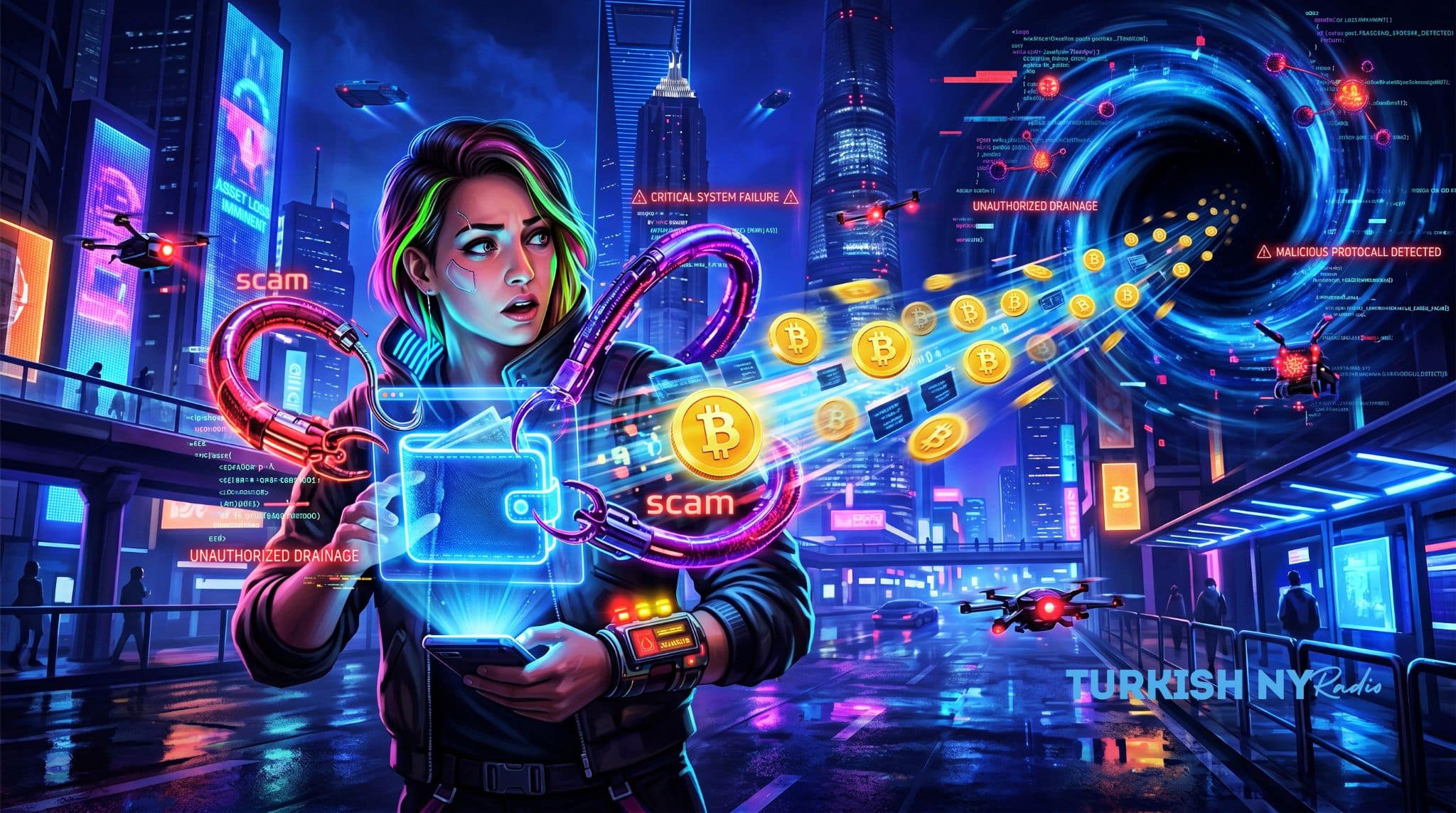
Bitcoin scams are becoming harder to detect as crypto adoption expands across trading platforms, payment systems, and online investing communities.


What once looked like obvious fraud has turned into sophisticated attacks using cloned websites, fake mobile apps, AI-generated messages, and manipulated social media accounts.
A recent security guide published by Bitcoin warned that many users continue losing funds because they underestimate how convincing modern crypto scams have become.
The report outlined several growing threats affecting Bitcoin holders in 2026, including phishing attacks, fake exchanges, ransomware, and investment fraud.
The rise in Bitcoin scams is happening alongside broader crypto adoption. More people are now using self-custody wallets, decentralized finance platforms, and blockchain payment tools without fully understanding the security risks tied to irreversible transactions.
Unlike traditional banking systems, Bitcoin transfers cannot be reversed once funds are sent. That makes prevention one of the most important parts of crypto security.
Bitcoin Scams Through Phishing Still Rising
Phishing remains one of the most common forms of Bitcoin scams affecting users worldwide. Attackers often impersonate wallet providers, crypto exchanges, or blockchain services through fake emails and copied websites designed to steal passwords or recovery phrases.
Many of these scam pages now closely resemble legitimate platforms, making them difficult for inexperienced users to identify.
Blockchain security firm Certik has repeatedly warned that stolen wallet credentials remain a major cause of crypto losses. In many cases, users unknowingly hand over access after clicking fake login links shared through search ads, Telegram groups, or direct messages on social media.
Security researchers recommend manually typing website addresses instead of clicking links from unknown sources. Bookmarking official exchange pages and enabling two-factor authentication can also reduce exposure to phishing campaigns.
Bitcoin Scams From Fake Investment Platforms
Another major category of Bitcoin scams involves fake investment websites promising guaranteed profits or unusually high daily returns.
These operations often market themselves as cloud mining companies, automated trading platforms, or crypto wealth management services. Some even display fake trading dashboards to convince users their investments are generating profits.
According to Chainalysis, fraudulent investment schemes remain one of the largest sources of crypto-related financial losses globally. Many scams rely heavily on referral systems where early participants are rewarded using deposits from new users before the platform eventually collapses.
Crypto analysts continue to warn that guaranteed returns are one of the clearest warning signs in digital asset markets.
Social Media Fraud Is Growing Faster
Social platforms have become a major distribution channel for Bitcoin scams. Fraudsters now use hacked verified accounts, fake celebrity endorsements, and manipulated livestreams to attract victims.
Free Bitcoin giveaways remain especially common. These scams usually promise to double deposited funds or reward users after sending a small amount of BTC first. Legitimate crypto companies rarely operate promotions requiring upfront transfers from users.
Romance scams linked to cryptocurrency are also increasing. Criminal groups often spend weeks building trust through dating apps or messaging platforms before introducing fake Bitcoin investment opportunities.
Law enforcement agencies in multiple countries have reported rising financial losses tied to these emotionally driven scams.
Wallet Security Matters More Than Ever
Security experts continue to recommend self-custody solutions combined with hardware wallets for long-term Bitcoin storage. Keeping private keys offline significantly lowers exposure to exchange breaches and malware attacks.
Users are also encouraged to regularly update devices, avoid suspicious downloads, and verify wallet addresses before confirming transactions.
Ransomware remains another growing concern. Attackers frequently demand Bitcoin payments after encrypting personal or corporate files. Cybersecurity firms advise maintaining offline backups and updated antivirus systems to reduce these risks.

Bitcoin Safety Starts With Awareness
The crypto industry continues to improve wallet security tools and blockchain monitoring systems, but scammers are adapting just as quickly. As Bitcoin adoption grows, user education is becoming one of the strongest defenses against financial fraud.
Understanding how Bitcoin scams operate can help users recognize warning signs before funds disappear. In most cases, slowing down, verifying information carefully, and avoiding emotional decisions remain the simplest ways to stay protected.
Summary
- Bitcoin scams are getting smarter, with fake websites, phishing emails, and social media tricks now targeting everyday crypto users more than ever.
- Reports from Chainalysis and Certik show that fake investments, ransomware attacks, and giveaway scams are still causing heavy losses across the crypto market.
- Security experts say simple habits like using hardware wallets, enabling two-factor authentication, and double-checking links can greatly improve Bitcoin safety.
- Staying cautious and informed remains the best defense against crypto fraud.
Glossary of Key Terms
- Bitcoin Scams
Bitcoin scams are fraud schemes created to trick users into sending crypto or revealing wallet information through fake apps, websites, messages, or investment offers. - Phishing Attack
A phishing attack happens when scammers pretend to be trusted crypto companies to steal passwords, wallet details, or recovery phrases using fake links or emails. - Private Key
A private key is the secret code that gives complete access to a Bitcoin wallet. Anyone who gets it can fully control the stored cryptocurrency. - Hardware Wallet
A hardware wallet is a small physical device that stores crypto offline, helping protect Bitcoin from hackers, phishing attacks, and malicious software connected to the internet. - Two-Factor Authentication (2FA)
Two-factor authentication adds extra account protection by requiring a second verification step, like a mobile code, before allowing access to crypto accounts or wallets. - Pump-and-Dump Scheme
This scam artificially pushes cryptocurrency prices higher through hype and coordinated buying before organizers suddenly sell, leaving other investors facing major losses afterward. - Ransomware
Ransomware is harmful software that locks files or systems until victims pay money, often in Bitcoin, to regain access to their data or devices. - Self-Custody Wallet
A self-custody wallet lets users fully control their Bitcoin and private keys without depending on centralized exchanges or third-party crypto service providers.
FAQs About Bitcoin Scams
What are the most common Bitcoin scams right now?
Most Bitcoin scams involve fake investment sites, phishing emails, giveaway fraud, romance scams, ransomware attacks, and fake crypto exchanges designed to steal user funds quickly.
What’s the best way to keep Bitcoin safe?
Using hardware wallets, enabling two-factor authentication, checking website links carefully, and never sharing private keys can greatly reduce the risk of crypto theft online.
Can stolen Bitcoin be recovered after a scam?
In most cases, Bitcoin transfers cannot be reversed after confirmation, which is why security experts strongly recommend prevention and careful verification before sending funds.
Why are Bitcoin scams becoming more common in 2026?
More people are entering crypto markets while scammers now use AI tools, fake apps, and social media manipulation to create more convincing Bitcoin fraud schemes.