The blockchain job market in 2026 looks very different from the hype-driven cycle that pulled thousands of people into crypto during earlier bull runs. Hiring is now more practical, more regulated, and far more skill-based. Companies are no longer impressed by vague Web3 language alone.
They want people who understand smart contracts, custody, compliance, security, token economics, and real business use cases. That is why blockchain certifications 2026 has become a valuable search topic for students, developers, finance professionals, cybersecurity analysts, and even marketers who want a serious path into digital assets.


Why Blockchain Certifications 2026 Matter Now
The strongest reason certifications matter is simple: blockchain has moved from an experimental corner of technology into finance, infrastructure, gaming, payments, supply chain, and digital identity. Employers still value portfolios, code samples, and real project experience, but structured credentials can help candidates prove that they understand the basics before the interview starts.
Software development and security remain two of the closest career families to blockchain. In the United States, software developers had a median annual wage of $133,080 in May 2024, while information security analysts had a median annual wage of $124,910, according to official labor data. Those numbers are not blockchain-specific salaries, but they show why technical Web3 roles sit inside a high-value skills market.
The Best Certifications for Blockchain Beginners
For beginners, the best starting point is not always a developer certificate. Many professionals first need a foundation in distributed ledgers, cryptography, wallets, consensus models, token standards, smart contracts, and public versus permissioned networks. Blockchain certifications 2026 should be selected based on the learner’s current background, not only the brand name attached to the course.
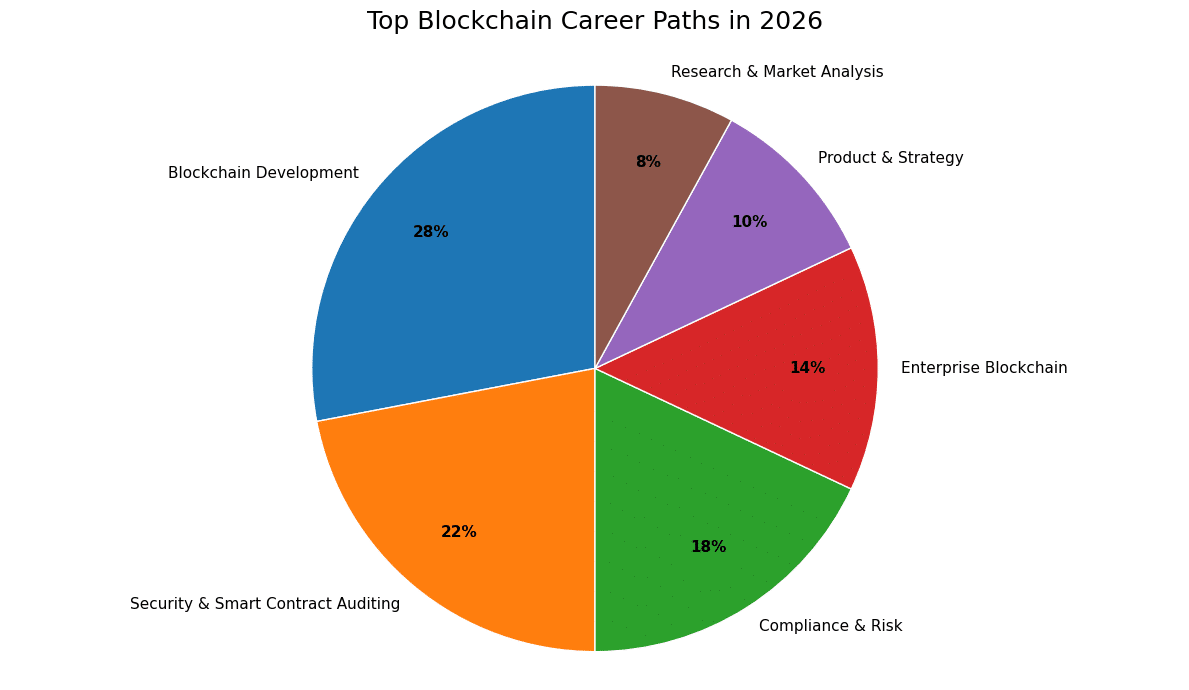
A Blockchain Fundamentals certificate is useful for analysts, IT staff, auditors, product teams, and business professionals who need clear knowledge without jumping straight into code. It helps learners understand blockchain concepts, usage, and practical considerations before they specialize.
Certified Blockchain Professional-style programs can also serve as broad entry points because they focus on how blockchain affects business, infrastructure, and decision-making. These are better suited for people who want to work in product, consulting, operations, compliance, or strategy rather than becoming full-time smart contract engineers.
Developer Certifications for Smart Contracts and Web3 Apps
Developer-focused blockchain credentials are stronger when they include hands-on work. A certificate that only teaches theory has limited weight in 2026 because hiring managers want to see deployed contracts, tested code, GitHub activity, and an understanding of smart contract risk.
Ethereum developer programs are still important because Ethereum remains the center of much of the smart contract economy. Courses that cover Ethereum concepts, developer tools, security practices, decentralized applications, and Solidity-based development can help candidates prepare for junior blockchain developer roles.
For candidates tracking blockchain certifications 2026, Ethereum and Solidity credentials are most useful when paired with proof of work. That can include a simple DeFi dashboard, an NFT minting contract, a wallet integration, or a tested smart contract deployed on a testnet. A certificate opens the door, but a working project gets the conversation moving.
Enterprise Blockchain Certifications for Corporate Roles
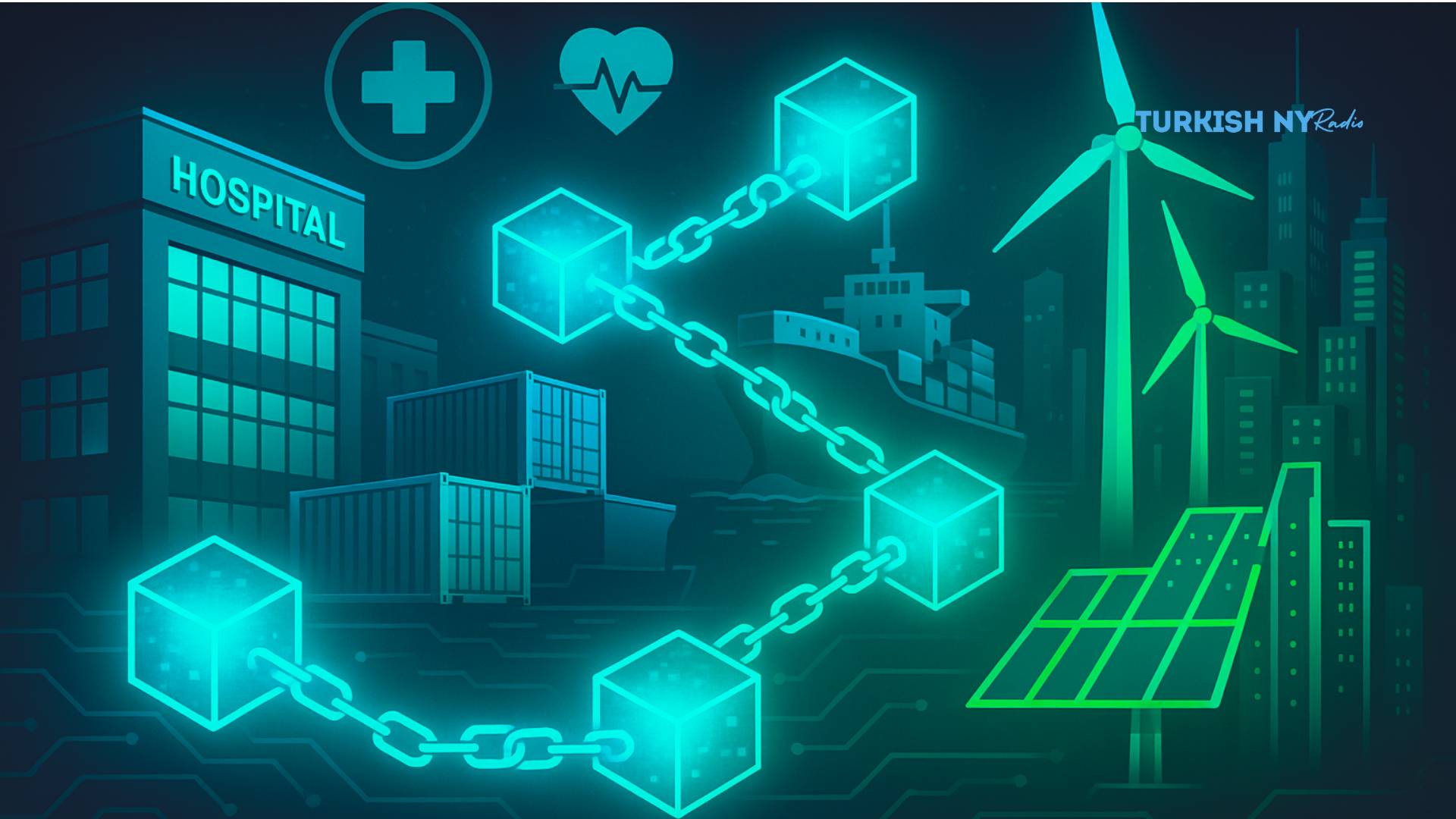
Not every blockchain career is built around public tokens. Many banks, logistics firms, governments, and enterprise technology teams use permissioned blockchain networks for privacy, traceability, workflow automation, and shared recordkeeping.
Hyperledger Fabric remains one of the main enterprise blockchain frameworks. The Hyperledger Fabric Certified Practitioner exam is designed to test understanding of blockchain fundamentals, the Fabric model, networks, and production deployment design. The exam is online, proctored, multiple choice, and based on Fabric v2.5.
This path suits professionals who want roles such as blockchain solution architect, enterprise blockchain developer, systems consultant, supply chain technology analyst, or digital identity specialist. It is less flashy than token trading, but often more stable because enterprise adoption usually moves through budgets, procurement, and long-term infrastructure planning.
Security Certifications Are Becoming More Valuable
Security is one of the clearest career paths in crypto because blockchain mistakes can be expensive. A bug in a smart contract, a weak wallet process, or poor private key management can expose real funds. That makes auditors, security engineers, threat analysts, and compliance investigators increasingly important.
Certified Blockchain Security Professional programs are designed to cover blockchain security risks, cryptographic principles, network security, threat analysis, and smart contract security. Some certification tracks also focus on risk assessment and the security practices needed for blockchain systems.
For blockchain certifications 2026, security credentials should be taken seriously by professionals already working in cybersecurity, cloud security, DevSecOps, or audit. The best candidates will not rely on the certificate alone. They will study real exploits, learn common vulnerabilities such as reentrancy and oracle manipulation, and practice reading smart contract code under pressure.
Compliance, Risk, and Investigation Career Paths
The compliance side of crypto is no longer a back-office afterthought. Exchanges, custodians, stablecoin issuers, payment companies, tokenization platforms, and financial institutions need people who understand blockchain analytics, sanctions screening, anti-money laundering rules, suspicious transaction monitoring, and wallet risk.
Crypto crime remains a serious concern as digital assets become more integrated with mainstream finance. The 2026 crypto crime research landscape continues to focus on scams, illicit flows, and the use of blockchain intelligence by financial institutions, regulators, law enforcement, and crypto businesses.
This makes compliance a strong path for professionals from banking, law, accounting, investigations, and risk management. They may not need to write Solidity, but they do need to understand wallet behavior, mixer risk, stablecoin flows, exchange exposure, and the difference between on-chain transparency and user identity.
Non-Technical Blockchain Careers Still Need Technical Awareness
Product managers, content strategists, UX designers, business development leads, community managers, and investment analysts can all build blockchain careers without becoming developers. Still, the easy route is gone. A person working in blockchain marketing or product should know how wallets work, why gas fees change, what liquidity means, and how token incentives affect user behavior.
This is where blockchain certifications 2026 can help non-technical professionals avoid shallow knowledge. A strong foundation certificate can make a content editor write more accurately, help a product manager ask better engineering questions, and help a business development executive understand what a partnership can actually deliver.
Key Crypto Indicators Professionals Should Understand
Anyone entering blockchain in 2026 should understand the market signals behind the technology. These indicators are not just for traders. They help analysts, product teams, compliance professionals, and journalists read the health of the sector.
On-chain activity shows whether users are actually moving assets or only reacting to headlines. Active addresses, transaction count, exchange inflows, exchange outflows, stablecoin supply, total value locked, and network fees can show demand, stress, speculation, or risk appetite. Developer activity matters too because active commits, protocol upgrades, and security patches often reveal whether a network is still building.
Institutional signals also matter. Spot ETF flows, custody growth, tokenization pilots, regulatory approvals, venture funding, and exchange listings can shape hiring demand. When capital enters infrastructure, companies usually need developers, auditors, compliance staff, legal experts, and product teams. When capital leaves, speculative roles shrink first.
How to Choose the Right Certification
The smartest approach is to match the certificate to the role. A future smart contract developer should focus on Ethereum, Solidity, Rust, testing tools, and security. A corporate architect should study enterprise frameworks and deployment design. A compliance professional should focus on AML, transaction monitoring, custody rules, and blockchain analytics. A product or marketing professional should begin with fundamentals, then build practical knowledge around wallets, token models, DeFi, and user behavior.
In other words, blockchain certifications 2026 should not be treated like a trophy. They should be treated like a map. The value comes from choosing the path that matches the job market, then building evidence around it.
Conclusion
Blockchain careers in 2026 reward people who combine proof, patience, and practical skills. Certifications can help, especially when they are tied to real projects, security awareness, compliance knowledge, or enterprise use cases. The best candidates will not chase every new course. They will choose one clear lane, build a portfolio, understand crypto market indicators, and keep learning as the industry changes.
For job seekers, blockchain certifications 2026 are most powerful when they support a broader professional profile. A developer needs code. A compliance analyst needs risk judgment. A product manager needs user and technical awareness. A journalist or analyst needs accuracy, sourcing, and market literacy. The certificate matters, but the work behind it matters more.
Frequently Asked Questions
What are the best blockchain certifications in 2026?
The best choice depends on the career goal. Beginners may start with blockchain fundamentals or professional foundation programs, while developers may choose Ethereum, Solidity, or Hyperledger-based training. Security professionals may benefit more from blockchain security certifications.
Are blockchain certifications enough to get a job?
A certification can strengthen a resume, but it is rarely enough by itself. Employers usually want proof of practical work, such as smart contract projects, audits, research reports, compliance case studies, or product experience.
Which blockchain career path is best for non-developers?
Compliance, product management, research, content strategy, business development, UX, and operations are strong options. Non-developers still need technical awareness because blockchain products are closely tied to wallets, token flows, security, and regulation.
Why are blockchain certifications 2026 important for career growth?
They help professionals structure their learning, prove baseline knowledge, and move into specialized roles. Their value increases when paired with real work, updated market knowledge, and a clear career direction.
Glossary of Key Terms
Blockchain: A shared digital ledger that records transactions across a network of computers.
Smart Contract: Code that runs on a blockchain and executes agreed rules automatically.
Consensus Mechanism: The method a blockchain uses to validate transactions and secure the network.
DeFi: Decentralized finance, which refers to blockchain-based financial services such as lending, trading, and liquidity pools.
TVL: Total value locked, a metric showing how much crypto value is held inside DeFi protocols.
Wallet: A tool that allows users to store keys, sign transactions, and interact with blockchain networks.
Custody: The process of holding and securing digital assets for individuals or institutions.
AML: Anti-money laundering controls used to detect and prevent financial crime.
Tokenization: The process of representing real-world or digital assets as tokens on a blockchain.
Sources
Disclaimer: This article is for informational and educational purposes only. It does not provide financial, investment, legal, tax, or career advice. Readers should verify certification details, costs, requirements, and job-market conditions before making any decision.