
This article was first published on TurkishNY Radio.
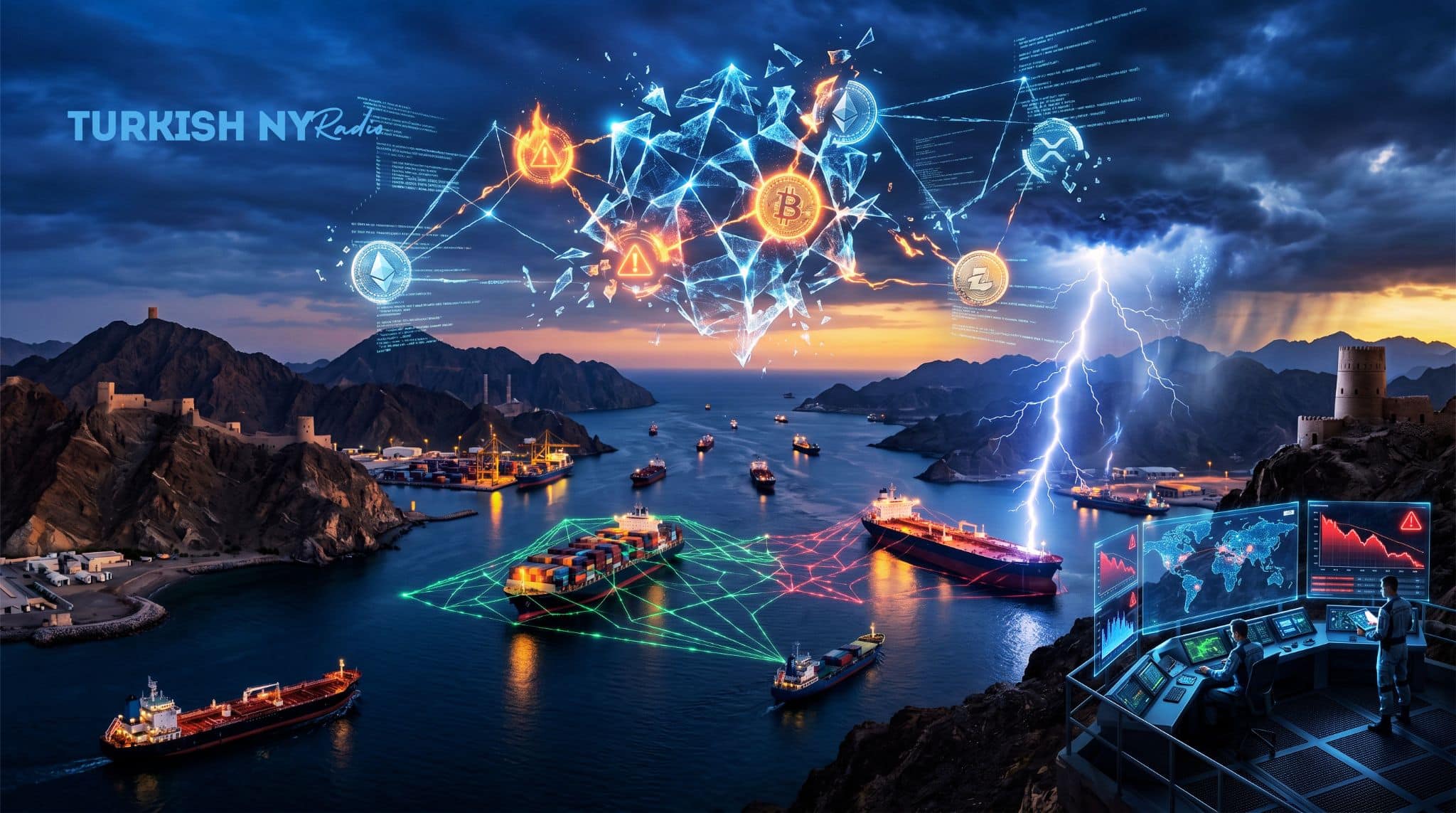
Iran’s reported plan to introduce a Strait of Hormuz insurance scheme is drawing fresh attention across energy, shipping, and cryptocurrency markets after state-linked media suggested the country may regulate vessel passage through a new insurance-based system.


The discussion gained momentum after screenshots of a website called “Hormuz Safe” spread across social media over the weekend. The site claimed to provide “Secure Digital Insurance for Maritime Cargo” for ships crossing the Strait of Hormuz and allegedly accepted Bitcoin payments.
While the website remains unverified and was offline at the time of publication, the reports have added another layer to the growing connection between geopolitical tensions and cryptocurrency usage.
Strait of Hormuz Insurance Scheme Faces Scrutiny
The main source behind the latest claims is, a media outlet closely linked to Iran’s Islamic Revolutionary Guard Corps.
According to Fars News, Iran’s Ministry of Economic Affairs is considering a Strait of Hormuz insurance scheme that would allow the government to manage transit through financial and insurance mechanisms rather than direct restrictions alone.
The report stated that the framework could include marine insurance policies, financial responsibility certificates, and differentiated treatment for vessels based on nationality.
Fars News added that the proposal could potentially generate more than $10 billion in annual revenue for Iran if implemented on a large scale.
The Strait of Hormuz remains one of the world’s most important shipping corridors, carrying close to one-fifth of global oil supplies. Since military tensions between the United States and Iran escalated earlier this year, shipping activity through the region has faced growing disruption.
Several shipping operators have already reported higher insurance premiums and increased operational risks tied to the conflict.

Strait of Hormuz Insurance Scheme and Bitcoin
Interest in Bitcoin payments linked to the Strait of Hormuz insurance scheme increased after reports surfaced that US authorities froze approximately $344 million in Iranian-linked USDT last month.
That move renewed discussions about whether sanctioned countries may prefer decentralized cryptocurrencies such as Bitcoin over stablecoins that can be frozen by centralized issuers.
Some earlier reports suggested Iran had explored collecting shipping or oil-related payments in Bitcoin, Chinese yuan, and Tether USDt (USDT). However, there is still no confirmed blockchain evidence showing that a formal Bitcoin toll system is currently active.
The circulating “Hormuz Safe” screenshots added fuel to those claims by describing a digital insurance platform tied to maritime cargo transit.
Blockchain analysts have long argued that Bitcoin offers advantages for sanctioned economies because transactions cannot be blocked by a central issuer. At the same time, regulators continue increasing oversight on crypto transactions connected to sanctions and cross-border payments.
Crypto Scams Already Targeting Shipping Firms
The Strait of Hormuz insurance scheme debate has also highlighted a growing cybersecurity concern inside the shipping industry.
In recent months, fraudsters have reportedly impersonated Iranian officials and demanded cryptocurrency payments from shipping companies in exchange for “safe passage” through the waterway.
Some operators received fake notices instructing them to send Bitcoin payments to unidentified wallet addresses before entering the strait.
These incidents have made maritime firms more cautious about unofficial crypto-related payment requests tied to the region.
Security experts warn that geopolitical conflicts often create opportunities for scammers who attempt to exploit confusion, urgency, and weak verification systems.

Global Trade and Crypto Are Becoming Increasingly Connected
The broader significance of the Strait of Hormuz insurance scheme goes beyond one website or one payment method.
The situation reflects how cryptocurrencies are becoming increasingly connected to global trade, sanctions enforcement, and international settlement systems during periods of political instability.
Iran has not officially confirmed that Bitcoin will become part of any permanent maritime insurance structure. The reported “Hormuz Safe” platform also remains unverified.
Still, the growing discussion around the Strait of Hormuz insurance scheme shows how digital assets are entering conversations once dominated entirely by banks, insurers, and governments.
Summary
- Iran is reportedly exploring a new way to manage ship traffic through the Strait of Hormuz using an insurance-based system tied to maritime transit.
- Online screenshots of a platform called “Hormuz Safe” sparked rumors that some payments could be made in Bitcoin, although the website has not been verified.
- Interest in Bitcoin grew after US authorities froze Iranian-linked USDT funds, raising questions about censorship-resistant crypto payments.
- The situation shows how crypto is increasingly intersecting with global trade, sanctions, and shipping security.
Glossary of key terms
| Strait of Hormuz | A narrow water route used by oil ships every day. It is one of the world’s busiest and most important shipping passages. |
| Bitcoin | A type of digital money people can send online without needing a bank or payment company in the middle. |
| USDT (Tether) | A cryptocurrency linked to the US dollar, often used because its price is meant to stay stable compared to other coins. |
| Maritime Insurance | Insurance that protects ships and cargo during sea travel, much like car insurance protects vehicles on the road. |
| Sanctions | Rules or restrictions placed on countries to limit trade, banking access, or financial activity during political disputes or conflicts. |
| Blockchain | A shared online record book that stores transactions securely across many computers instead of one central system. |
| Crypto Wallet | A digital app or device that helps people store, send, and receive cryptocurrencies such as Bitcoin safely online. |
| Oil Transit Route | A shipping path used by tankers to transport oil between countries and keep global energy supplies moving. |
FAQs About Strait of Hormuz
What is the Strait of Hormuz insurance scheme?
The Strait of Hormuz insurance scheme is a reported Iranian plan that could manage ship movements through insurance approvals and transit-related financial documentation in the region.
Why is Bitcoin being connected to the proposal?
Bitcoin became part of the discussion after reports suggested Iran may prefer decentralized payments following recent freezes on Iranian-linked USDT wallets by US authorities.
Is the Hormuz Safe website real or officially verified?
At this stage, the Hormuz Safe website has not been officially verified. Security experts also warn that fake crypto payment requests could target shipping companies.
Could this plan affect global trade and crypto markets?
Yes, the proposal could influence shipping costs, oil transportation, sanctions-related payments, and wider conversations about how cryptocurrencies are used in international trade.