Prediction markets are moving from niche crypto corners into a much wider debate about finance, data, regulation, and public trust. At their core, they allow people to trade on the outcome of future events, from elections and economic data to sports, crypto prices, policy decisions, and even weather-linked risks. When blockchain enters the picture, the model changes.
Markets can become faster, more global, more transparent, and less dependent on a single operator. That is the appeal. The hard part is making sure these systems do not become loopholes for manipulation, insider trading, bad data, or gambling-style products wearing a financial label. Regulators are already paying attention, with the CFTC describing event contracts as products used to forecast, hedge, and plan around future events.


Blockchain Prediction Markets Are Becoming Hard to Ignore
Blockchain prediction markets use smart contracts, crypto assets, and decentralized settlement systems to let users trade on future outcomes. Instead of only asking experts what they think will happen, these markets turn forecasts into tradable prices. A contract priced at $0.70, for example, signals that traders broadly assign a 70% chance to that outcome, though it is not a guarantee.
That makes them useful as a public signal. A market can move faster than a poll, a research note, or a corporate survey because money is attached to the forecast. Traders are not just giving opinions. They are taking risk.
The blockchain layer adds another twist. It can make pricing, liquidity, wallet activity, settlement, and market rules visible on-chain. In theory, anyone can inspect the system. In practice, transparency does not automatically mean fairness. A market can still suffer from thin liquidity, poor wording, biased participation, bad oracle design, or traders acting on information others cannot access.
How Blockchain Prediction Markets Work
A prediction market begins with a question. Will Bitcoin close above a certain price by a certain date? Will a central bank cut rates this quarter? Will a listed company hit a revenue target? Traders buy outcome shares, and prices move as demand changes.
In blockchain prediction markets, smart contracts may hold user funds, record trades, and distribute payouts after the result is confirmed. The system still needs an answer from the real world, and that is where oracles matter. A smart contract cannot know by itself who won an election, whether inflation hit 3%, or whether a law passed. It needs trusted data.
That sounds simple until edge cases appear. What counts as “approved”? Which timestamp matters? What if a government delays a report? What if an event is canceled or disputed? Good markets need tight wording, clear settlement sources, strong dispute systems, and rules that users can understand before they trade.
Use Case 1: Better Forecasting for Crypto and Macro Markets
Crypto traders already live in a market shaped by expectations. They watch ETF flows, rate decisions, inflation data, unlock schedules, regulatory deadlines, and court rulings. Prediction markets can package those expectations into clear market prices.
For example, traders could price the odds of a token ETF approval, a major protocol upgrade, or a stablecoin bill passing by a fixed date. This does not replace reporting or analysis, but it adds another signal. In a noisy market, that signal can be useful.
Still, there is a catch. If the crowd is small or heavily one-sided, the price may reflect bias rather than wisdom. A crypto-native audience may overprice bullish outcomes, while professional hedgers may distort markets for protection rather than prediction. That is why serious users should read market prices as indicators, not facts.
Use Case 2: Hedging Real-World Risks
The strongest case for blockchain prediction markets is not entertainment. It is risk management. A business exposed to weather, policy, energy costs, election outcomes, or supply chain delays could use event-based contracts to hedge uncertainty.
A farming business might hedge against rainfall levels. A crypto firm might hedge against regulatory delays. A media company might track political outcomes that could affect advertising markets. In the same way insurance helps manage known risks, prediction markets can help price uncertain events.
The benefit is flexibility. Traditional derivatives often focus on large, standardized markets. Event contracts can be more specific. That said, greater specificity can also reduce liquidity. A market is only useful when enough traders show up.
Use Case 3: Governance and DAO Decision-Making
Decentralized organizations often struggle with slow votes, voter apathy, and emotional decision-making. Prediction markets can help DAOs test expectations before committing treasury funds or changing protocol rules.
A DAO could create a market on whether a grant program will increase active users, whether a token incentive plan will improve liquidity, or whether a new chain deployment will meet revenue targets. Traders would put a price on the expected result.
This can sharpen debate. Instead of vague claims, members see a live forecast. Yet governance markets can also be gamed. Large token holders may trade to shape perception, not to seek truth. Without safeguards, the market can become a political tool inside the DAO.
Use Case 4: Public Sentiment and News Signals
Newsrooms, analysts, and researchers can use blockchain prediction markets as a live sentiment layer. They do not show what will happen with certainty, but they can show how expectations change after new information appears.
When a court ruling lands, a policy speech is published, or a major crypto exploit occurs, prediction market prices can react quickly. That reaction can help explain what traders believe the event means.
But journalists and analysts must be careful. A market price is not a verified claim. It is a risk-weighted signal. Treating it as proof can mislead readers, especially when markets are illiquid or driven by a few large wallets.

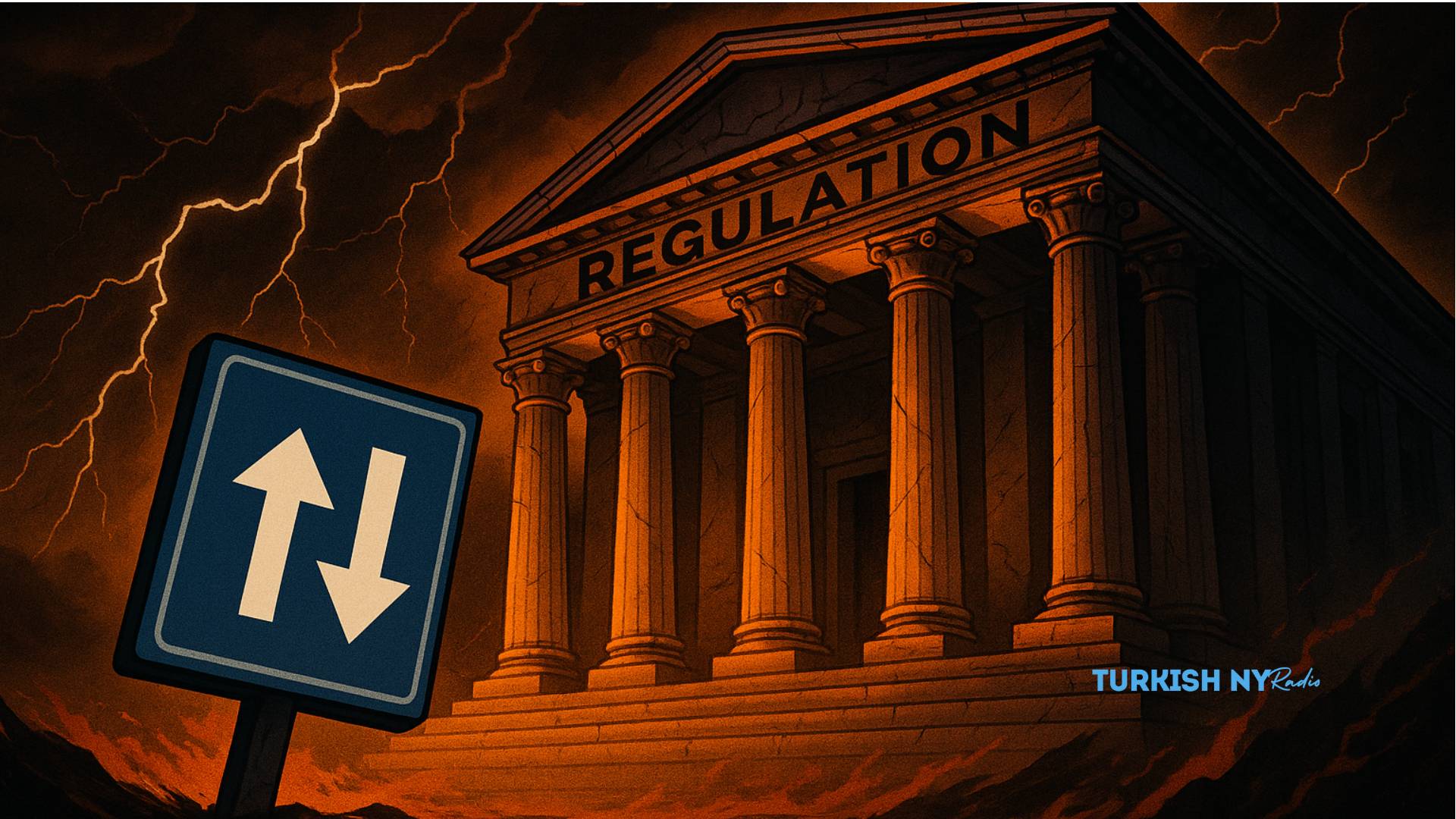
The Regulatory Challenge Is Now Front and Center
Regulation is the biggest unresolved issue. In the U.S., the CFTC has increased attention on event contracts and prediction markets, including advisory activity and enforcement focus around improper trading. The agency has also asked for feedback on how event contracts should be classified and reported, including whether some should be treated as swaps.
This matters because prediction markets sit between several legal categories. Some look like derivatives. Some look like gaming. Some may involve political events, sports, financial outcomes, or commodities. The label changes the compliance burden.
The SEC and CFTC also announced a 2026 memorandum of understanding aimed at improving coordination, supporting lawful innovation, protecting customers, and maintaining market integrity. That coordination is important because crypto products often blur the old lines between securities, commodities, and trading platforms.
Insider Trading and Information Abuse
The risk that should worry regulators most is not just speculation. It is private information. If a government official, corporate insider, military employee, exchange worker, or protocol developer trades on confidential knowledge, the market stops being a fair forecasting tool.
Recent enforcement attention has already moved in that direction. The CFTC’s 2026 prediction markets enforcement notice highlighted improper trading and platform-level penalties, showing that even small cases can become compliance markers for the wider sector.
This is where blockchain prediction markets face a tough test. On-chain transparency can reveal suspicious wallet activity, but wallets do not always show real identity. Compliance systems may need wallet analytics, account checks, surveillance tools, and clear bans on trading with misused confidential information.
Oracle Risk Can Break the Whole Market
Every prediction market needs settlement. If the answer is wrong, unclear, late, or manipulated, users lose trust. This is the oracle problem.
A strong oracle system needs reliable sources, dispute windows, fallback rules, and protection against bribery or coordination attacks. The harder the question, the harder the settlement. A market asking whether Bitcoin closed above $100,000 is easier to settle than a market asking whether a government “effectively approved” a policy.
Bad question design can be just as dangerous as bad data. The best markets are boringly precise. They name the source, the time, the condition, and the resolution method.
Liquidity, Manipulation, and Market Quality
Thin markets are easy to move. A trader with enough capital can push prices, create false confidence, and then exit before others understand what happened. This risk is higher in niche markets where only a few participants trade.
Market makers can help, but they introduce new questions. Who funds them? Are they neutral? Are they creating real liquidity or just giving the market a polished surface?
For blockchain prediction markets to become trusted, they need deep liquidity, transparent rules, market surveillance, and user education. Otherwise, price signals may look cleaner than they really are.
Privacy, Access, and Consumer Protection
Blockchain opens access across borders, but open access is a double-edged sword. Some users may not understand odds, volatility, settlement rules, or the chance of losing everything they put into a market. Others may use leverage or trade emotionally around politics, sports, or war-related events.
That raises YMYL concerns. Platforms dealing with financial risk need clear disclosures, limits where required, and strong controls against minors, restricted jurisdictions, and sanctioned actors. A global wallet login is convenient, but convenience cannot be the whole policy.
Conclusion
Blockchain prediction markets are one of the more serious experiments in crypto because they connect market pricing with real-world uncertainty. Used well, they can improve forecasting, support hedging, guide DAO decisions, and create useful public signals. Used poorly, they can become thinly traded speculation venues with insider risks, unclear settlement, and regulatory blind spots.
The next phase will not be decided by hype. It will be decided by market quality, compliance, oracle design, and trust. If builders solve those problems, prediction markets may become part of everyday financial infrastructure. If they ignore them, regulators and users will not give them much room to grow.
Frequently Asked Questions
What are blockchain prediction markets?
Blockchain prediction markets are trading platforms where users buy and sell contracts tied to future outcomes, with blockchain systems often used for custody, transparency, settlement, and smart contract execution.
Are prediction markets the same as gambling?
Not always. Some prediction markets are designed for forecasting or hedging, while others may resemble betting depending on the event, structure, jurisdiction, and user purpose. Regulation differs by country and product type.
Why do oracles matter in prediction markets?
Oracles provide the real-world data needed to settle a market. Without accurate and trusted oracles, smart contracts cannot know which outcome happened.
Can prediction markets help crypto investors?
They can offer useful signals on market expectations, such as ETF approvals, regulatory outcomes, or macro events. Still, they should not be treated as investment advice or guaranteed forecasts.
What is the main risk in blockchain prediction markets?
The main risks include insider trading, oracle failure, manipulation, low liquidity, unclear regulation, and poor user understanding of event-based financial products.
Glossary of Key Terms
Event Contract: A tradable contract based on whether a future event happens.
Oracle: A data source or system that feeds real-world results into a blockchain smart contract.
Smart Contract: Code on a blockchain that executes rules automatically when conditions are met.
Liquidity: The ease with which traders can buy or sell without sharply moving the price.
Market Manipulation: Activity intended to distort prices or mislead other traders.
Settlement: The final process that confirms the result and distributes payouts.
DAO: A decentralized organization governed by token holders or members.
On-Chain Transparency: Public visibility of blockchain transactions, smart contracts, and wallet activity.
Sources
Commodity Futures Trading Commission
Disclaimer: This article is for informational purposes only and does not provide financial, legal, tax, or investment advice. Crypto assets and prediction market products carry risk, and readers should consult qualified professionals before making decisions.