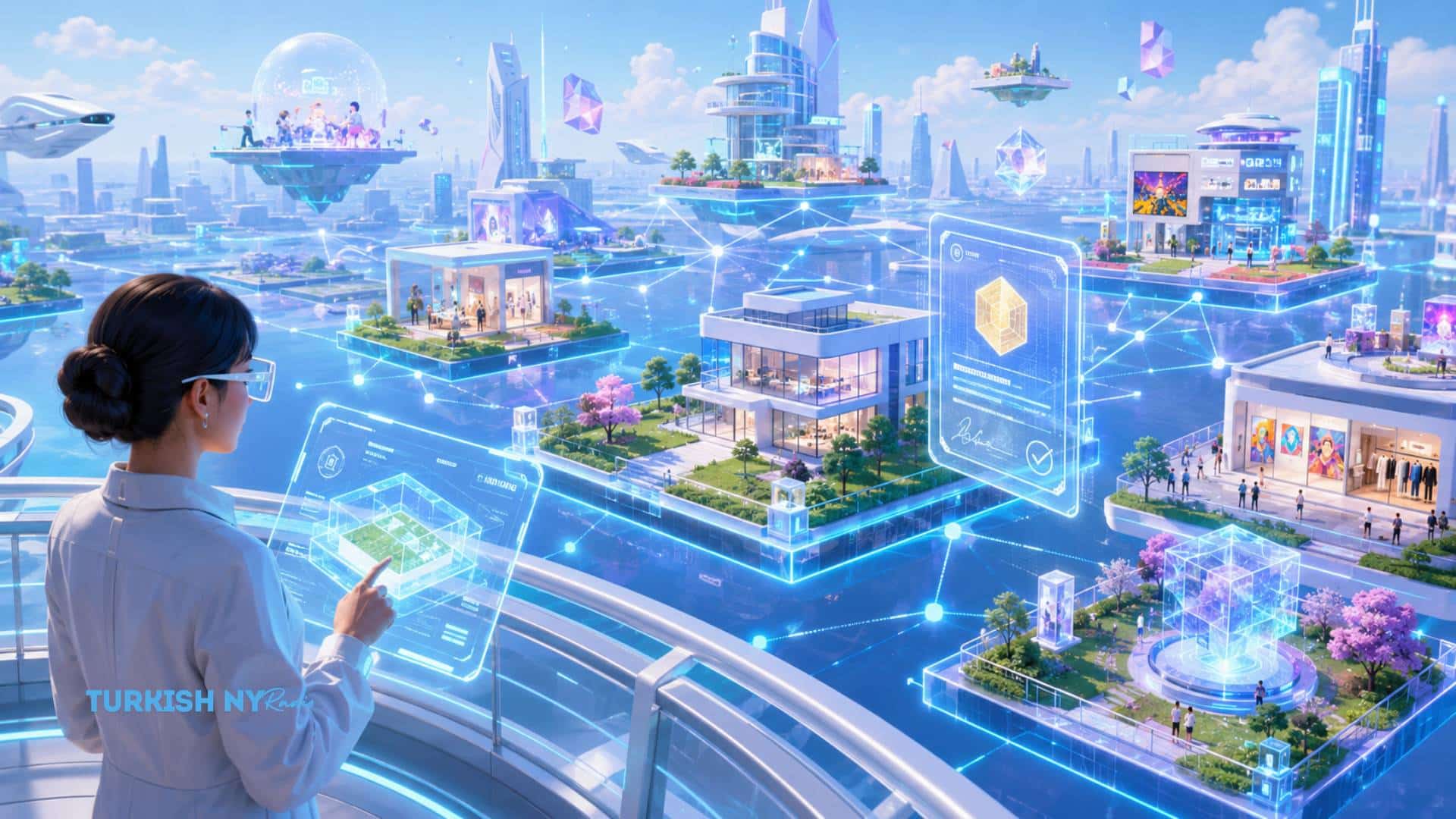
Virtual land once sounded like a strange corner of the internet, but blockchain has turned it into a serious digital asset class. Today, buyers can purchase parcels inside virtual worlds, hold them through NFTs, lease them for branded events, develop them into digital shops, or trade them on secondary markets. Still, the big question is not only what someone buys, but what rights that purchase actually gives. That is why metaverse land ownership now sits at the center of a wider debate about crypto, property law, digital identity, and consumer protection.
Why Metaverse Land Ownership Matters in Crypto
Metaverse land ownership matters because it changes the old idea of online access. In the Web2 world, users usually rent space from a platform without real control. A social media page, game account, or digital profile can be restricted, changed, or removed under platform rules. Blockchain-based virtual land tries to shift that model by giving users a token that proves control over a specific digital parcel.


That sounds simple on paper, but the reality is layered. The NFT can prove wallet-based ownership of the parcel record, while the platform decides how that parcel appears, what can be built on it, and whether the environment stays active. In plain English, blockchain may confirm the deed, but the virtual world still controls the neighborhood.
This is why metaverse land ownership should not be treated like buying a house in Dubai, New York, or London. Physical land is backed by courts, public registries, zoning rules, and legal remedies. Virtual land is mostly backed by code, platform terms, smart contracts, and market confidence. That is useful, but it is not the same thing.
How Blockchain Creates Digital Property Rights
Blockchain gives virtual land its strongest technical feature: verifiable ownership. A parcel can be minted as an NFT, linked to coordinates inside a virtual world, and stored in a wallet. Transfers can be recorded publicly, which makes ownership history easier to check than a normal gaming asset hidden inside a company database.
Smart contracts also reduce friction. They can automate sales, royalties, rentals, access rights, and revenue splits. A creator might build a digital gallery, lease space to brands, and charge entry through token-gated access. In theory, all of that can happen without a traditional middleman.
But blockchain does not magically create full legal ownership. Intellectual property experts have repeatedly noted that owning an NFT does not always mean owning the copyright, brand rights, artwork rights, or commercial rights tied to the asset. In many cases, the NFT is proof of control over a token, not a blanket transfer of every legal right connected to the content.
That distinction is critical for metaverse land ownership because a buyer may own the parcel NFT but not the software, design tools, platform brand, or underlying world where the parcel exists.
The Legal Gap Between Tokens and Property
The legal gap is where the market gets tricky. Most virtual land buyers expect something close to property ownership, yet many purchases function more like a license. The buyer may receive permission to use a space inside a platform, but that permission can be shaped by terms of service.
If a platform shuts down, changes its rules, limits commercial use, or removes certain content, the NFT holder may have fewer protections than expected. The token may still exist on-chain, but the land’s real value depends on whether the platform remains alive and usable.
This makes metaverse land ownership a hybrid category. It is part digital collectible, part access right, part speculative crypto asset, and part virtual business location. For regulators and courts, that mix is hard to classify. For investors, it means due diligence matters more than hype.
Key Crypto Indicators to Check Before Buying Virtual Land
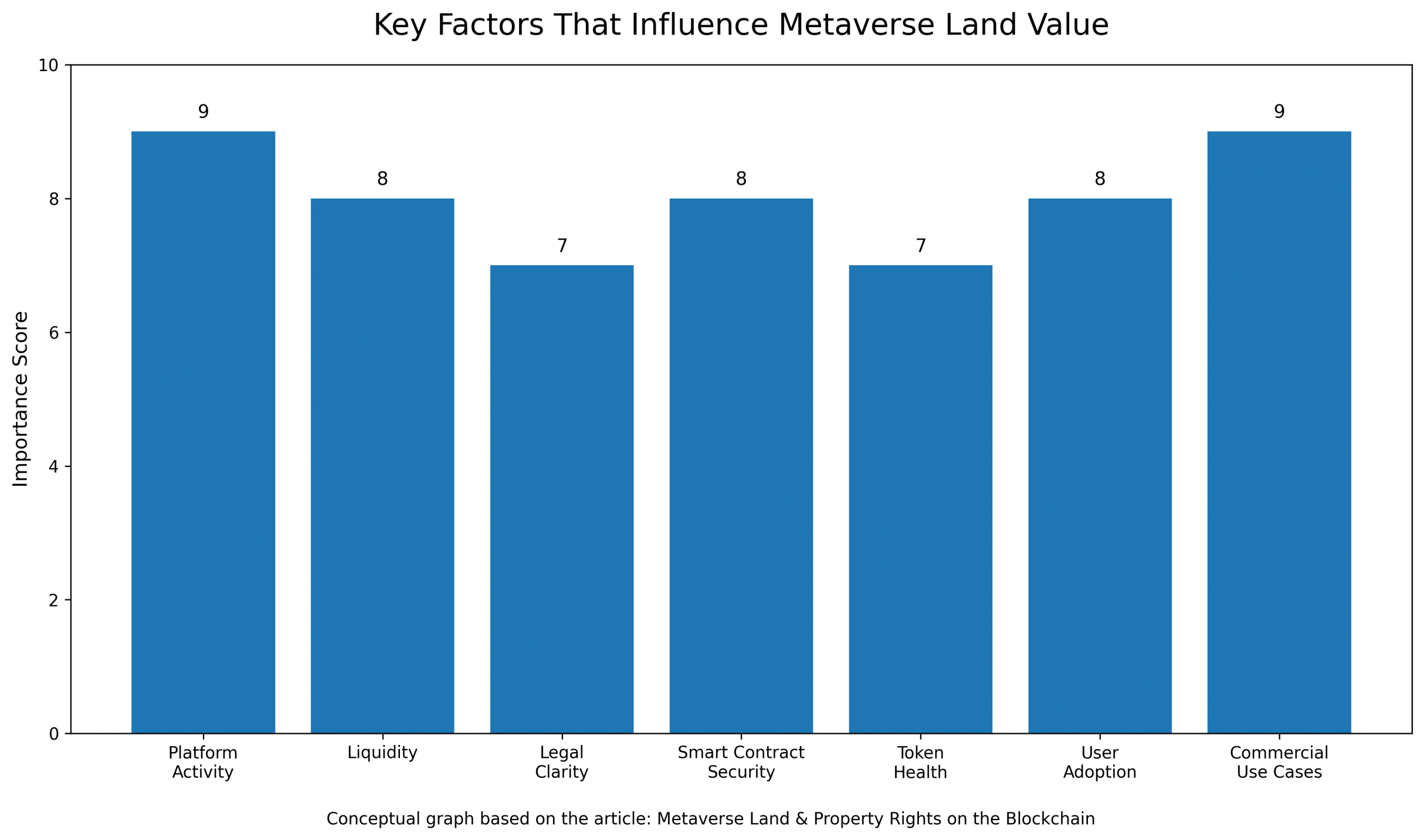
The most useful indicators are not only price charts. Liquidity is the first signal because a parcel that cannot be resold has limited market strength. Trading volume also matters, since thin activity can make floor prices look healthier than they really are. Floor price trends show buyer appetite, but they should be checked beside actual completed sales, not just listed prices.
Wallet distribution is another indicator, if a small number of wallets hold most of the land supply, the market can be easier to manipulate. Active users inside the virtual world also matter because empty land in an empty city is still empty. Development activity, brand participation, builder tools, and event traffic can reveal whether the platform has life beyond speculation.
Token health is also important, if the world uses its own token, investors should review token supply, unlock schedules, staking activity, exchange liquidity, and treasury strength. A platform with weak token economics can put pressure on land prices, even if the virtual world looks polished.
Security is a quiet but serious indicator. Smart contract audits, marketplace safety, phishing protection, and wallet hygiene can decide whether an asset stays protected. Global financial crime standards also warn that virtual assets can carry fraud and money-laundering risks, especially when ownership moves quickly across wallets or platforms.
Market Potential and Real-World Use Cases
Virtual land is not just a speculative chart as it can support digital retail, gaming, education, concerts, fan communities, workspaces, and brand experiences. Some companies use virtual parcels as showrooms. Artists use them as galleries. Communities use them as meeting points. For crypto-native projects, land can become part of a larger economy involving NFTs, tokens, avatars, memberships, and digital goods.
Market forecasts still show strong long-term expectations. One recent estimate placed the virtual land NFT market near $1.1B in 2025 and projected growth toward $20.9B by 2035, with a 34.5% compound annual growth rate. Forecasts are never guarantees, but they show that analysts continue to see demand for virtual real estate tied to entertainment, identity, commerce, and online community building.
Still, metaverse land ownership needs real use to hold value. A parcel near a busy event hub may have stronger demand than a random plot in a quiet corner. Just like physical real estate, location matters. Unlike physical real estate, however, the platform can redesign the map.
Risks Investors Should Not Ignore
The biggest risk is platform dependency. A buyer can hold the NFT forever, but the parcel becomes far less valuable if the virtual world loses users, developers, funding, or cultural relevance.
The second risk is unclear rights. The buyer may assume full ownership, while the legal terms may provide only limited use. This becomes important for advertising, brand buildings, ticketed events, music, copyrighted art, and user-generated content.
The third risk is pricing. Virtual land can move sharply because demand is often tied to crypto cycles. When NFT liquidity dries up, prices can fall quickly. Thin markets can also create misleading valuations because a few sales may set the tone for an entire collection.
The fourth risk is fraud. Fake links, copied marketplaces, wallet drainers, fake airdrops, and impersonation scams remain common across NFT markets. Even experienced users can slip when a purchase is rushed.
What Stronger Property Rights Could Look Like
For metaverse land ownership to mature, platforms may need clearer legal terms, better dispute systems, stronger identity controls, and portable rights that survive beyond one marketplace. Buyers should know what they can build, sell, lease, display, modify, or monetize before they connect a wallet.
There is also room for more transparent smart contracts. Clear metadata, stable parcel records, public development roadmaps, and reliable governance can help users trust the system. If virtual land becomes part of mainstream digital commerce, property rights will need to feel less like a guessing game.
Regulation may also become more detailed as digital assets keep growing. Investor protection bodies have continued to examine how crypto assets should be disclosed, classified, and supervised, especially when buyers rely on future platform growth and resale value.
Conclusion
Metaverse land ownership is one of the clearest examples of how blockchain is pushing the meaning of property into a new zone. It gives users proof of digital control, public ownership records, and new ways to build online businesses. At the same time, it does not always provide the same legal protection as physical property.
The best view is balanced. Virtual land can be useful, creative, and commercially interesting, but it should be judged through rights, liquidity, platform strength, user activity, and legal clarity. The parcel is only one part of the asset. The world around it is what gives it value.
Frequently Asked Questions
What is metaverse land?
Metaverse land is a digital parcel inside a virtual world. It is often represented by an NFT, which records ownership or control on a blockchain. The parcel may be used for games, shops, events, galleries, offices, or community spaces.
Is metaverse land real property?
In most cases, it is not treated like physical real estate. The buyer usually owns or controls a blockchain token linked to a virtual parcel, while the actual rights depend on the platform’s terms, smart contract rules, and local law.
Can virtual land be rented or sold?
Yes, many virtual land parcels can be sold on NFT marketplaces, and some platforms allow leasing or commercial use. The exact rules depend on the virtual world and the rights attached to the parcel.
Why is blockchain used for virtual land?
Blockchain creates a public ownership record, supports peer-to-peer transfers, and allows smart contracts to automate sales, royalties, or access rights. It also gives users a wallet-based asset that can be checked on-chain.
What is the biggest risk in virtual land investing?
The biggest risk is buying a parcel inside a platform that loses users, funding, or relevance. A token may remain in a wallet, but its value can fall if the virtual world stops attracting real activity.
Glossary of Key Terms
NFT
An NFT is a non-fungible token. It is a unique blockchain token that can represent control over a digital item, such as virtual land, art, tickets, memberships, or game assets.
Smart Contract
A smart contract is blockchain-based code that can execute actions automatically when set conditions are met. In virtual land, it may handle transfers, royalties, leasing, or access rights.
Virtual Real Estate
Virtual real estate refers to digital land or property inside an online environment. It can be used for social, commercial, gaming, entertainment, or branding purposes.
Wallet
A wallet is a tool that stores crypto assets and NFTs. It also allows users to sign blockchain transactions. Wallet security is vital because stolen NFTs are often hard to recover.
Floor Price
The floor price is the lowest listed price for an NFT collection or virtual land set. It is useful, but it can be misleading if trading volume is weak.
Liquidity
Liquidity means how easily an asset can be bought or sold without a large price change. Low liquidity can make virtual land harder to exit at a fair price.
Tokenomics
Tokenomics refers to a crypto asset’s supply, distribution, utility, incentives, and release schedule. It can affect the value of land inside token-powered virtual worlds.
Sources
Disclaimer:
This article is for educational and informational purposes only. It is not financial, investment, legal, or tax advice. Crypto assets and virtual land can be highly risky, and readers should do independent research or consult a qualified professional before making any decision.