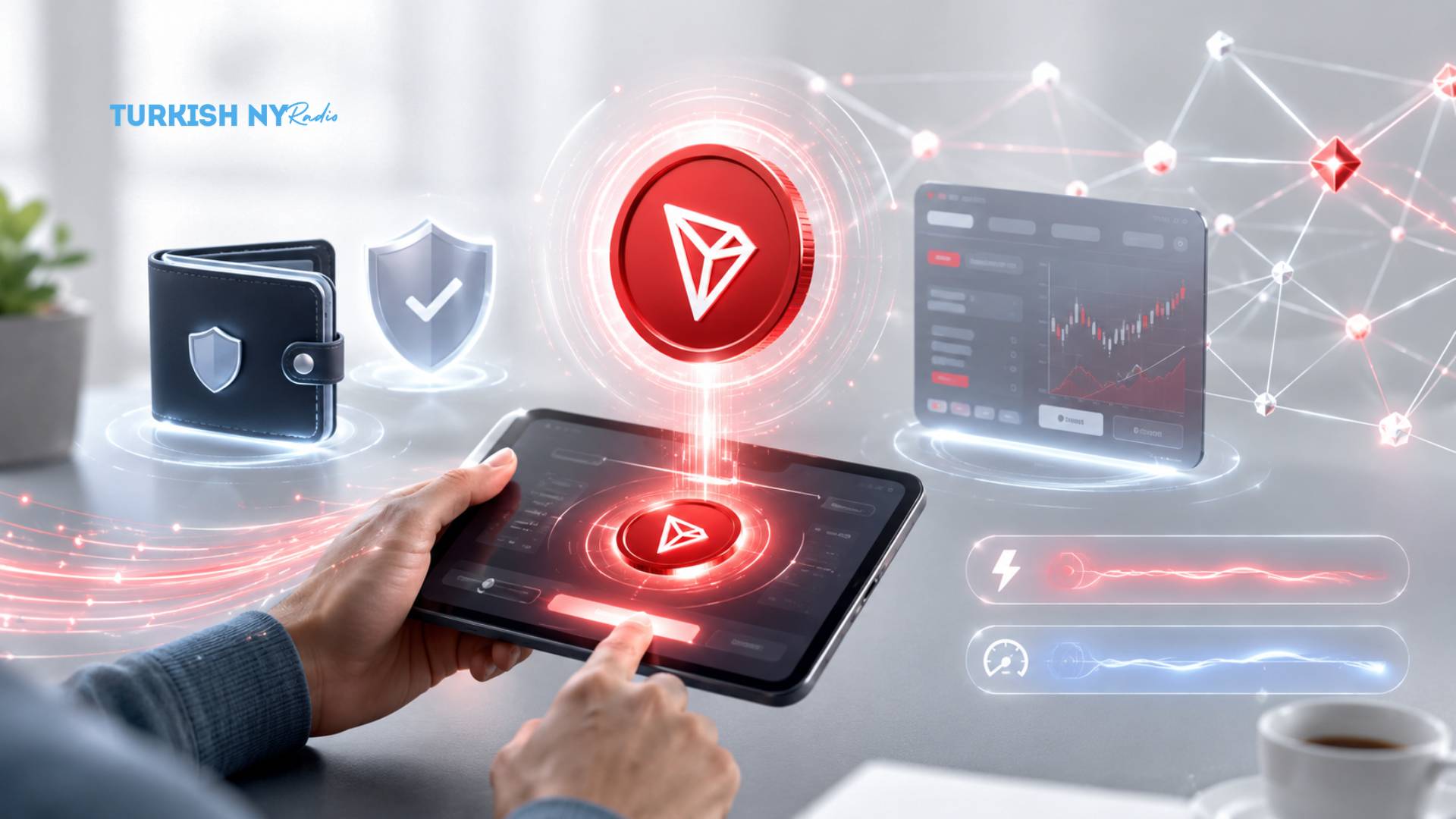
TRON’s native token, TRX, is still one of the most used assets for fast transfers, stablecoin activity, staking, and blockchain payments. Yet buying it is not always as simple as tapping a button and hoping for the best.
A user must understand the difference between native TRX, wrapped TRX, exchange balances, wallet transfers, and TRON’s resource system. That last part matters more than many beginners think. On TRON, fees do not work exactly like Ethereum gas. The network uses Bandwidth and Energy, which can make transfers cheaper when handled well, but confusing when handled carelessly.


How to Buy TRX Without Making Costly Beginner Mistakes
The safest way to buy TRX starts with one basic rule: the buyer must know where the token will be used after purchase. A trader who only wants short-term price exposure may keep TRX on a regulated exchange. A user who wants to send USDT through TRC-20, stake tokens, vote, or use TRON-based apps will need native TRX in a wallet that supports the TRON network.
That sounds simple, but it is where many mistakes begin. Some users buy a token that tracks TRX on another chain, then discover it cannot pay TRON network costs. Others withdraw through the wrong network and lose funds or face a long recovery process. In crypto, the cheapest lesson is the one learned before the transfer is sent.
What TRX Is Used for on the TRON Network
TRX is the native asset of TRON. It is used for transfers, staking, governance voting, wallet activation, and network resource management. It also plays a practical role in TRC-20 token activity, especially for users sending stablecoins.
This is why many people who do not invest in TRX still keep a small amount in their wallet. It works like keeping fuel in a car, even if the cargo is something else. A wallet may hold USDT, but it may still need TRX to cover resource shortages or activate certain network functions.
For anyone learning how to buy TRX, the first lesson is not price. It is utility. The token is not only a market asset. It is the operating token inside the TRON network.
Step 1: Choose a Safe Buying Method
There are several common ways to buy TRX. A centralized exchange is usually the most structured option, especially for users who want bank transfers, identity checks, trading tools, and clearer transaction records. Wallet apps and fiat on-ramp services can be faster, but they often charge higher card fees or add wider spreads.
The most cost-efficient route is often a bank-funded exchange purchase followed by a spot trade. Card purchases are convenient, but convenience can be expensive. A 2% or 4% fee may not look painful on a small test buy, but it adds up fast when the order size grows.
A careful buyer compares the final received TRX amount, not just the advertised price. Fees, spreads, network withdrawal costs, and payment provider charges all affect the real cost.
Step 2: Buy Native TRX, Not the Wrong Version
A major point in any serious guide on how to buy TRX is the need to buy native TRX if the user plans to use the TRON network. Wrapped versions can exist on other chains, and they may follow the price of TRX, but they are not the same thing inside a TRON wallet.
Native TRX is needed for TRON staking, wallet activation, resource use, and most direct network interactions. Wrapped assets can be useful for DeFi on other chains, but they can create problems for beginners who assume every version works everywhere.
Before withdrawing, the buyer should check three things: the asset, the network, and the receiving address format. If one of these does not match, the transaction can become a headache.

Step 3: Move TRX to a Wallet Only When Needed
Keeping TRX on an exchange may be fine for active traders, but self-custody gives users more control. That control comes with responsibility. A private wallet means the user must protect the seed phrase, confirm every address, and understand which network is being used.
For a beginner, the safer path is to start small. A test transfer can confirm that the wallet receives native TRX correctly. Once confirmed, the larger amount can be moved. This habit may feel slow, but in crypto, a small test transfer is often cheaper than one large mistake.
Anyone studying how to buy TRX should treat wallet setup as part of the purchase process, not an afterthought.
Understanding Energy and Bandwidth
TRON does not use a plain gas model in the same way many users know from Ethereum. It uses Bandwidth and Energy. Bandwidth is used for basic transaction data, while Energy is used when smart contracts run. If a wallet does not have enough of these resources, TRX may be burned to complete the transaction.
This system can make TRON attractive for frequent transfers, but it also creates confusion. A user may see TRX in a wallet and still wonder why a transaction fails or why a fee appears. The answer often sits inside the resource balance.
Staking TRX can help users receive Bandwidth or Energy. This may reduce the need to burn TRX for repeated transfers or contract use. For occasional users, keeping a small TRX balance may be enough. For frequent users, staking can become part of cost management.
Why TRX Matters for TRC-20 Stablecoin Users
TRON is widely used for TRC-20 stablecoin transfers because transactions are often fast and practical. Still, users should not assume that holding only a stablecoin is enough. A wallet may need TRX to cover Energy, Bandwidth, or activation needs.
This is one reason searches for how to buy TRX often come from users who are not trying to invest in TRX itself. They simply want their stablecoin transfers to work smoothly. In that case, the goal is not market speculation. The goal is network access.
A small TRX balance can prevent failed transfers, delayed payments, and last-minute confusion when a user needs to move funds.
Key Crypto Indicators to Watch Before Buying TRX
Price is only one part of the picture. A serious buyer should also watch volume, liquidity, support and resistance levels, market structure, and funding conditions. High trading volume can show stronger market interest, while thin volume may increase slippage.
Support levels show where buyers have stepped in before. Resistance levels show where sellers have often appeared. These are not magic lines, but they help users avoid buying blindly into overheated moves.
Relative strength can show whether TRX is gaining or losing momentum compared with the wider crypto market. Network activity also matters. If TRON usage rises, especially in stablecoin transfers and dApps, it can support stronger demand for TRX as a utility token.
For anyone asking how to buy TRX, the better question is when and why to buy it. A planned entry is usually stronger than a rushed one.
Security Rules Before and After Buying
Security should sit at the center of the process. Buyers should use trusted platforms, enable 2-factor authentication, avoid unknown links, and never share seed phrases. They should also check withdrawal networks carefully before confirming any transfer.
The most common mistakes are not complex hacks. They are simple errors. Wrong network. Fake support account. Malicious wallet link. A copied address changed by malware. Crypto rewards careful habits and punishes rushed clicks.
A user learning how to buy TRX should also understand custody risk. Exchanges can be convenient, but they control the private keys. Personal wallets offer control, but lost seed phrases can mean lost funds. Neither option is perfect. The best choice depends on the user’s experience and purpose.
Tax, Regulation, and Record Keeping
TRX purchases may create tax or reporting duties depending on the user’s country. Even simple trades can matter if local rules treat crypto swaps, sales, or rewards as taxable events. Staking rewards may also require separate tracking.
Buyers should keep records of purchase dates, prices, transaction IDs, withdrawal fees, and wallet addresses. Good records make life easier when filing taxes, proving ownership, or reviewing portfolio performance.
This is not the exciting part of crypto, but it is part of responsible ownership.
Conclusion
The best way to buy TRX is not always the fastest way. A smart buyer checks the asset type, chooses a suitable platform, compares real costs, confirms the network, and understands how TRON’s Bandwidth and Energy system works. That extra care can save money, reduce failed transfers, and protect funds.
TRX is more than a ticker on a trading screen. It is the working token of the TRON network. For traders, it can be a market position. For stablecoin users, it can be a tool that keeps transfers moving. For active network users, it can support staking, voting, and resource access.
Anyone searching how to buy TRX should start with safety, not hype. In crypto, that is usually the difference between a clean transaction and a costly lesson.
Frequently Asked Questions
What is the safest way to buy TRX?
The safest way is to use a trusted platform, buy native TRX, confirm the TRON network before withdrawal, and start with a small test transfer before moving a larger amount.
Why does a TRON wallet need TRX for USDT transfers?
A wallet may need TRX because TRC-20 transfers use TRON resources. If Bandwidth or Energy is not enough, TRX can be used to cover the cost.
Is wrapped TRX the same as native TRX?
No. Wrapped TRX may track the price of TRX on another blockchain, but native TRX is needed for direct TRON network functions.
Can TRX be staked?
Yes. TRX can be staked to gain network resources such as Energy or Bandwidth and may also be used in governance voting.
Should beginners keep TRX on an exchange or wallet?
Beginners who trade often may prefer an exchange, while users who need TRON apps or stablecoin transfers may prefer a private wallet. Each option has different risks.
Glossary of Key Terms
TRX: The native token of the TRON network, used for transfers, staking, voting, and network resources.
TRON: A blockchain network used for payments, dApps, stablecoin transfers, and Web3 activity.
Native TRX: TRX that exists directly on the TRON network and can be used for TRON functions.
Wrapped TRX: A version of TRX represented on another blockchain, often used in cross-chain DeFi.
Bandwidth: A TRON resource used for basic transaction data.
Energy: A TRON resource used for smart contract activity.
TRC-20: A token standard on TRON, commonly used for stablecoins and other digital assets.
Staking: Locking or freezing TRX to receive network resources and take part in governance.
Slippage: The difference between the expected trade price and the final executed price.
Sources
Disclaimer: This article is for educational and informational purposes only. It is not financial, investment, tax, or legal advice. Crypto assets are volatile, and users should do their own research before buying, selling, staking, or transferring any digital asset.