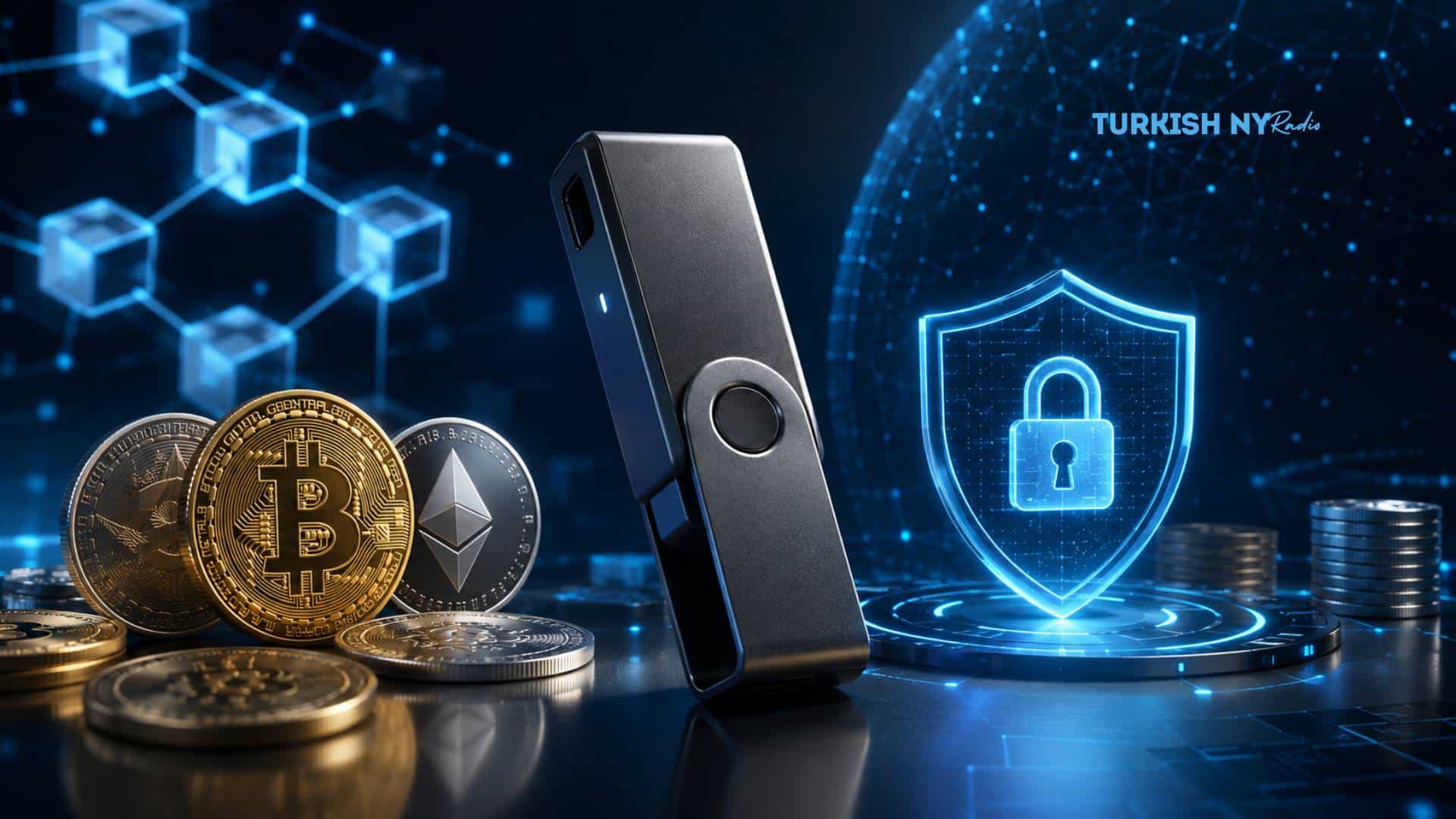
Crypto ownership has matured far beyond trading apps and price charts. As more investors hold Bitcoin, Ethereum, stablecoins, and tokenized assets for the long run, the real question is no longer only what to buy. It is also how to protect it.
That is where hardware wallet security has become a core part of digital asset management. A hardware wallet keeps private keys away from internet-connected devices, helping reduce the risk of malware, phishing, exchange failures, and careless account access. It does not make crypto risk disappear, but it gives serious holders a stronger line of defense.


Why Hardware Wallet Security Matters in Crypto Custody
Hardware wallet security matters because crypto does not work like a bank account. If a person loses control of private keys or a recovery phrase, there may be no customer support desk that can reverse the damage. Blockchain transactions are usually final, which means one mistake can move funds permanently.
A hardware wallet is a physical device built to store private keys offline. It signs transactions inside the device, then sends only the signed approval back to the connected phone or computer. In simple terms, the key stays locked away while the transaction gets permission to move. This separation is the main reason hardware wallet security is viewed as a safer option for long-term holders.

The difference is similar to keeping cash in a locked safe instead of leaving it on a desk in a busy office. The safe does not remove every risk, but it raises the cost and effort for anyone trying to steal it.
How Hardware Wallets Protect Private Keys
The most important asset in crypto is not the coin visible on a portfolio screen. It is the private key that controls access to that coin. Hot wallets, browser extensions, and mobile wallets are useful for small daily transactions, but they remain exposed to online threats because they live on internet-connected devices.
A hardware wallet reduces that exposure, when an investor wants to send crypto, the transaction is prepared on a phone or computer, but the approval happens on the device itself. The user checks the amount and receiving address on the wallet screen, then confirms it physically. This design helps block many remote attacks because malware on a computer should not be able to steal the private key directly.
Still, hardware wallet security depends on behavior as much as technology. If an investor approves a fake transaction, signs a malicious smart contract, or shares a recovery phrase, the device cannot save them from every bad decision.
The Recovery Phrase Is the Real Master Key
Every investor using self-custody must understand one rule clearly: the recovery phrase controls the wallet. This phrase, often made of 12 to 24 words, can restore the wallet on another compatible device. That is useful if the original wallet is lost, damaged, or stolen. It is also dangerous if anyone else sees it.
Hardware wallet security is only as strong as the recovery phrase backup. It should be written down offline, stored in a secure place, and protected from fire, water, theft, and casual exposure. Taking a photo of it, saving it in cloud storage, sending it by email, or keeping it in a notes app defeats the purpose of cold storage.

Recent crypto incidents have shown that even institutions can mishandle recovery phrases. When the phrase is exposed, the device itself becomes almost irrelevant because an attacker can restore the wallet elsewhere and move the assets.
Key Crypto Security Indicators Investors Should Watch
Crypto investors often track price, volume, liquidity, and market cap, but custody has its own indicators. The first is private key exposure. If the key touches an online device, the risk rises. The second is recovery phrase integrity. If the phrase has ever been photographed, typed, shared, or stored online, it should be treated as compromised.
Another key indicator is transaction verification. Investors should compare the full receiving address on the hardware wallet screen, not only the first and last few characters. Clipboard malware can replace wallet addresses, and rushed users may approve transfers without noticing.
Firmware authenticity is also important. Devices should be bought from trusted sources, initialized by the owner, and updated through official channels. A wallet that arrives with a pre-filled seed phrase should be treated as unsafe. In plain English, if someone else already wrote the phrase, someone else may already control the funds.
Hardware Wallets Are Not Perfect
A hardware wallet is a strong tool, not a magic shield. Physical theft, fake devices, poor backups, social engineering, and malicious approvals remain real risks. Advanced attackers may target the user instead of the device because people are often easier to fool than hardware.
That is why hardware wallet security should be part of a broader custody plan. Larger holders may use multiple wallets, multisig setups, separate wallets for DeFi activity, and small hot wallets for daily use. The goal is to avoid keeping every asset behind one point of failure.
For example, an investor holding long-term Bitcoin may keep it on a hardware wallet that rarely signs transactions, while using a separate wallet for NFTs, swaps, or testing new platforms. This reduces the chance that one mistake drains the full portfolio.
Choosing and Using a Hardware Wallet Safely
Choosing a device should not be based only on price. Investors should consider reputation, security history, open-source elements, recovery options, supported assets, screen clarity, and ease of use. A wallet that is too confusing may create its own risk because the holder may skip important checks.
During setup, the device should generate the recovery phrase itself. The owner should write it down privately and confirm it without cameras, screen sharing, or other people nearby. The PIN should be unique, and the device should be stored separately from the recovery phrase.
Hardware wallet security also improves when investors run small test transactions before moving large amounts. This simple habit can prevent expensive mistakes. Sending $10 first may feel slow, but it is cheaper than losing $10,000 to a wrong address.
Conclusion
Hardware wallets play a central role in protecting cryptocurrencies because they move private keys away from the most dangerous place in modern finance: the internet-connected screen. They help investors reduce malware risk, limit exposure to exchange failures, and take real ownership of their assets.
Yet the responsibility is heavier than many new users expect. Hardware wallet security works best when paired with careful recovery phrase storage, address verification, trusted device sourcing, and disciplined transaction habits. In crypto, control and responsibility travel together. The safest investors are not the ones who trust a gadget blindly, but the ones who understand exactly what that gadget protects and what it does not.
Frequently Asked Questions
What is a hardware wallet?
A hardware wallet is a physical device that stores crypto private keys offline and signs transactions without exposing those keys to an internet-connected computer or phone.
Is a hardware wallet safer than a mobile wallet?
For long-term storage, a hardware wallet is generally safer because the private key stays offline. A mobile wallet may be more convenient, but it carries more exposure to malware, phishing, and device compromise.
Can crypto be recovered if a hardware wallet is lost?
Crypto can usually be recovered if the owner still has the correct recovery phrase. If both the device and recovery phrase are lost, the assets may be impossible to access.
Should investors keep all crypto on one hardware wallet?
Large holders often avoid storing everything in one place. Using separate wallets for long-term holdings, DeFi activity, and smaller transactions can reduce the impact of one mistake.
Glossary of Key Terms
Private Key: A secret cryptographic code that controls access to crypto funds and allows transactions to be signed.
Recovery Phrase: A set of 12 to 24 words used to restore access to a crypto wallet if the device is lost or damaged.
Cold Storage: A method of keeping crypto keys offline to reduce exposure to online threats.
Hot Wallet: A wallet connected to the internet, often used for faster access and smaller transactions.
Multisig: A security setup that requires more than one key or approval before funds can move.
Sources
Disclaimer: This article is for educational and informational purposes only. It is not financial, investment, legal, or cybersecurity advice. Investors should do independent research and consult qualified professionals before making custody or investment decisions.