
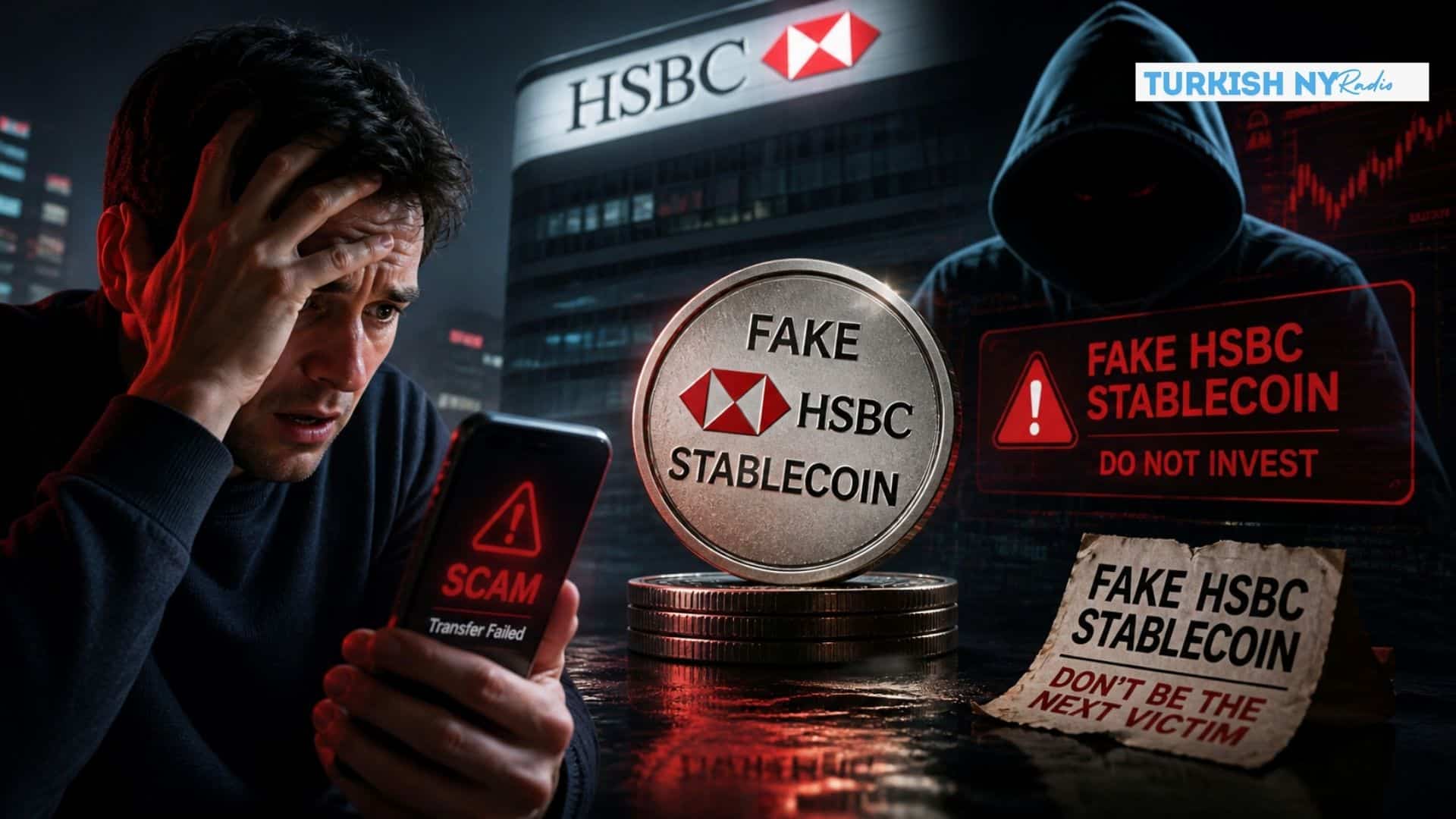
A fresh era of fraud is sweeping the digital asset sector, focusing on a risky operation known by the infamous Fake HSBC Stablecoin scam. Offenders have produced bogus tokens posing as authentic items sponsored by the global financial behemoth HSBC. These fake HSBC Stablecoin commodities are being advertised on social media and esoteric trading sites, causing investors to believe they are legal, regulated, and backed by one of the world’s most trusted monetary institutions. The growth of these Fake HSBC Stablecoin scams mirrors a larger trend of scammers appropriating well-known trademarks to add legitimacy to their operations.
A New Class of Crypto Fraud Emerges
The appearance of the Fake HSBC Stablecoin marks a shift in the tactics used by crypto criminals. Instead of relying on the usual high-return promises, scammers are creating highly polished imitations of bank-backed digital assets. These imitation coins have authentic governmental branding, falsified paperwork, and fake claims of organizational approval.


Experts warn that using the Fake HSBC Stablecoin is especially harmful since it leverages the confidence that comes with licensed financial goods.
With stablecoins gaining legitimacy in global markets, scammers are capitalizing on public expectations that banks will soon issue their own digital currencies.
Regulators Issue Urgent Warnings
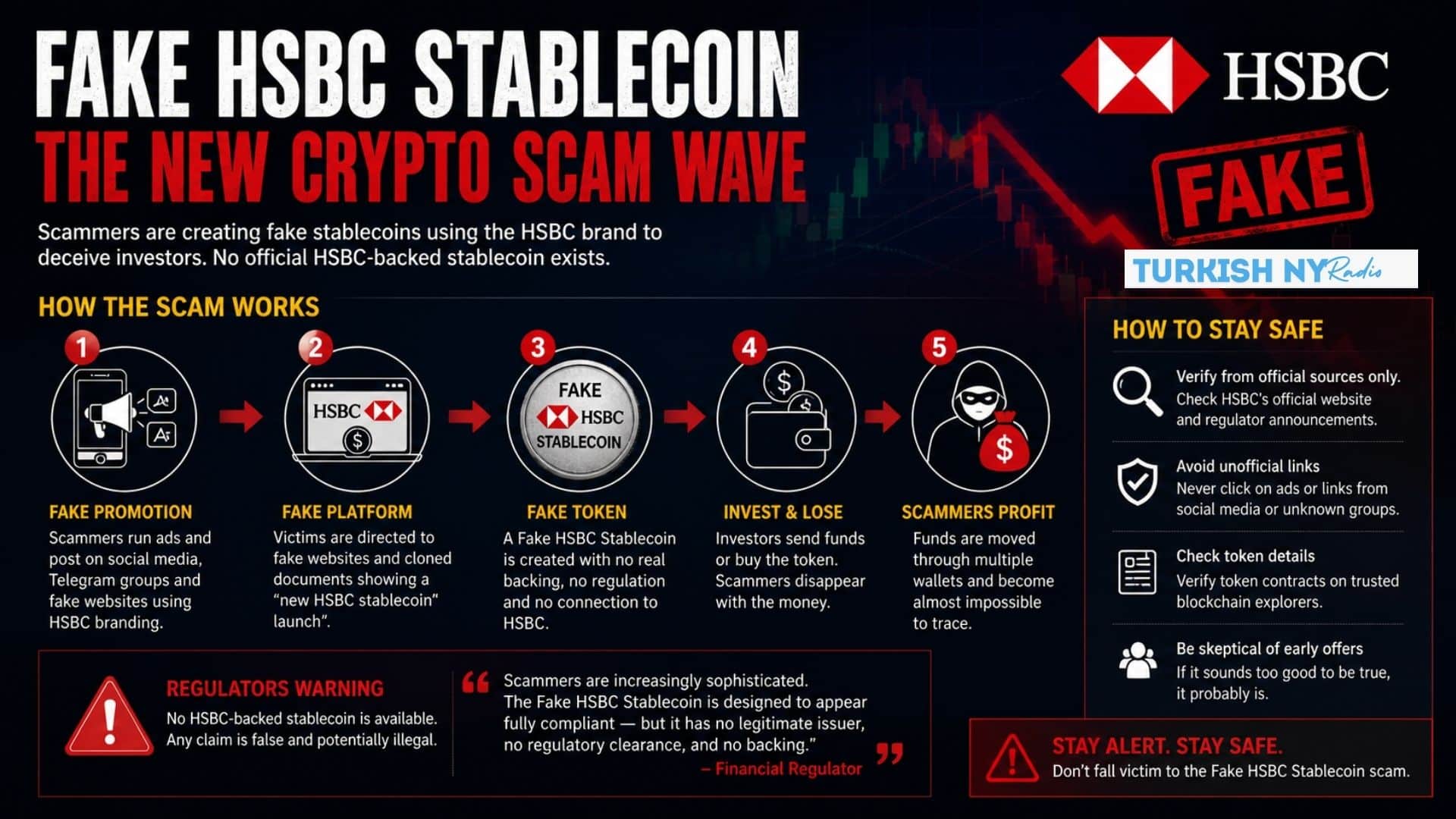
Financial watchdogs have made it clear that no officially approved HSBC-backed stablecoin has been launched. Any claims that a new stablecoin is linked to the bank are untrue. Considering this, the Fake HSBC Stablecoin is still spreading in internet groups, luring unwary users into bogus transactions.
A representative for a key national regulator underscored the seriousness of the situation, stating:
“Scammers are increasingly sophisticated. The Fake HSBC Stablecoin is designed to appear fully compliant, but it has no legitimate issuer, no regulatory clearance, and no backing whatsoever.”
How the Scam Operates
The criminals behind the Fake HSBC Stablecoin often promote these tokens through paid social ads, Telegram groups, and impersonated banking announcements. Victims are encouraged to “invest early” before an alleged global release. Once funds are transferred, the scammers quickly disappear.
The Fake HSBC Stablecoin scheme also includes falsified smart-contract pages and cloned websites that mimic official corporate branding. Many victims report that the scam’s level of detail made it appear entirely authentic.
Voices From the Crypto Community
Many crypto analysts are calling for stronger education around bank-branded tokens. One industry expert noted:
“People trust big institutions. That’s what makes the Fake HSBC Stablecoin so effective as a deception, it hijacks that trust.”
As the Fake HSBC Stablecoin fraud continues circulating, security professionals are urging users to verify every digital asset directly through official channels.
Conclusion
The introduction of the Fake HSBC Stablecoin serves as an indication that not only trusted companies may be used by thieves. The sophistication of these copycat tokens highlights how quickly the fraud environment changes. When true bank-issued stablecoins are formally certified, users should be wary of any token claiming corporate backing. The best defense is to be watchful, check monetary transactions, and avoid unstructured exchanges where scams like the Fake HSBC Stablecoin are common.
Summary
The Fake HSBC Stablecoin is a new cryptocurrency scam that involves criminals construct imitation bank-branded stablecoins to defraud consumers. The Fake HSBC Stablecoin producers take advantage of public faith in established financial institutions by employing slick marketing and fake claims of governmental support. Investigators have determined that no acknowledged HSBC-backed money exists and have advised customers not to engage with these fraudulent assets. The episode focuses on the growing weaknesses in the digital currency area, highlighting the significance of confirmation and caution.
Glossary of Key Terms
Stablecoin: A digital currency with a stable value that is typically backed by commodities.
Impersonation Scam: Deception in which offenders act as legitimate entities in order to fool customers.
Digital Asset: Each kind of value or material kept in digital form, especially cryptocurrency.
Smart Contracts: Aconstitute self-executing blockchain technology that autonomously enforces commitments.
Regulated Token: A digital resource that has been issued under official legislative or financial organization control.
FAQs for Fake HSBC Stablecoin
1. What exactly is the Fake HSBC Stablecoin?
It is a forgery disguised as an HSBC-backed stablecoin to deceive customers.
2. Are HSBC really releasing a stable coin?
Authorities report that no formally designated HSBC-backed stablecoin is presently accessible.
3. How can fraudsters spread the fake HSBC Stablecoin?
Through bogus websites, social media adverts, impersonated announcements, and private chat groups.
4. How are able to I identify a genuine stablecoin?
Consistently verify official institution or regulator pronouncements, not third-party assertions.
5. What actions should I do if I bought a fake HSBC stablecoin?
Stop any transactions promptly and notify your local banking authorities.