
The decentralized finance (DeFi) world is inching toward stability following one of the largest exploits in recent memory. The Kelp DAO recovery effort has gained significant momentum as Ethereum liquid-restaking protocol Kelp DAO, in partnership with DeFi lending giant Aave, confirms the initial phase of restoring normal operations for its rsETH token after a devastating $292 million exploit. This development marks a major milestone in rebuilding user confidence and reinforcing DeFi’s resilience against sophisticated attacks.
Kelp DAO Recovery Takes Shape
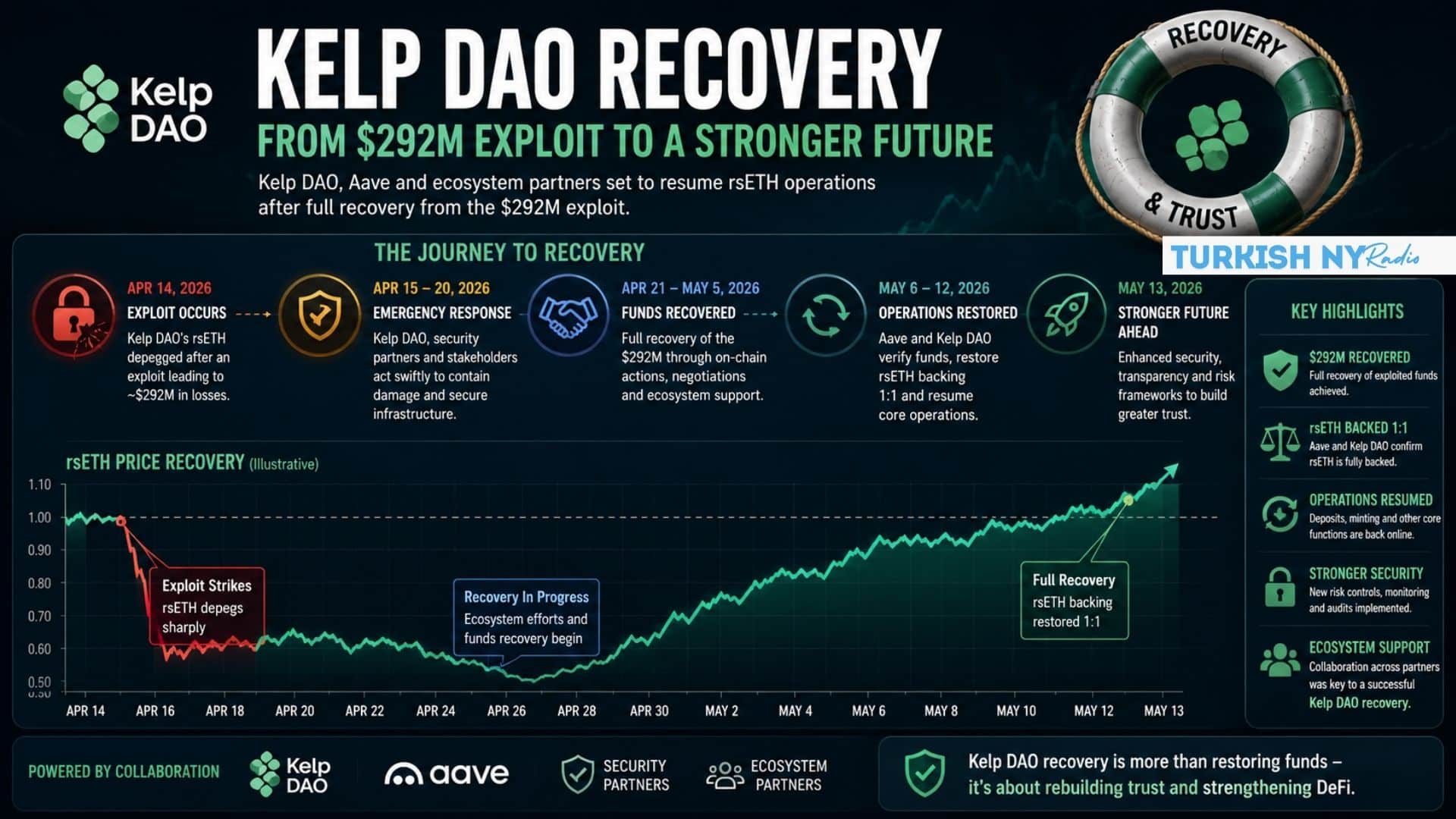
Towards the end of April, Kelp DAO’s cross-chain bridge for its liquid staking token rsETH suffered a massive breach that allowed attackers to drain approximately 116,500 rsETH, worth around $292 million. The exploiter then leveraged the stolen tokens as collateral on leading DeFi protocols like Aave, triggering systemic stress and bad debt concerns across the market.


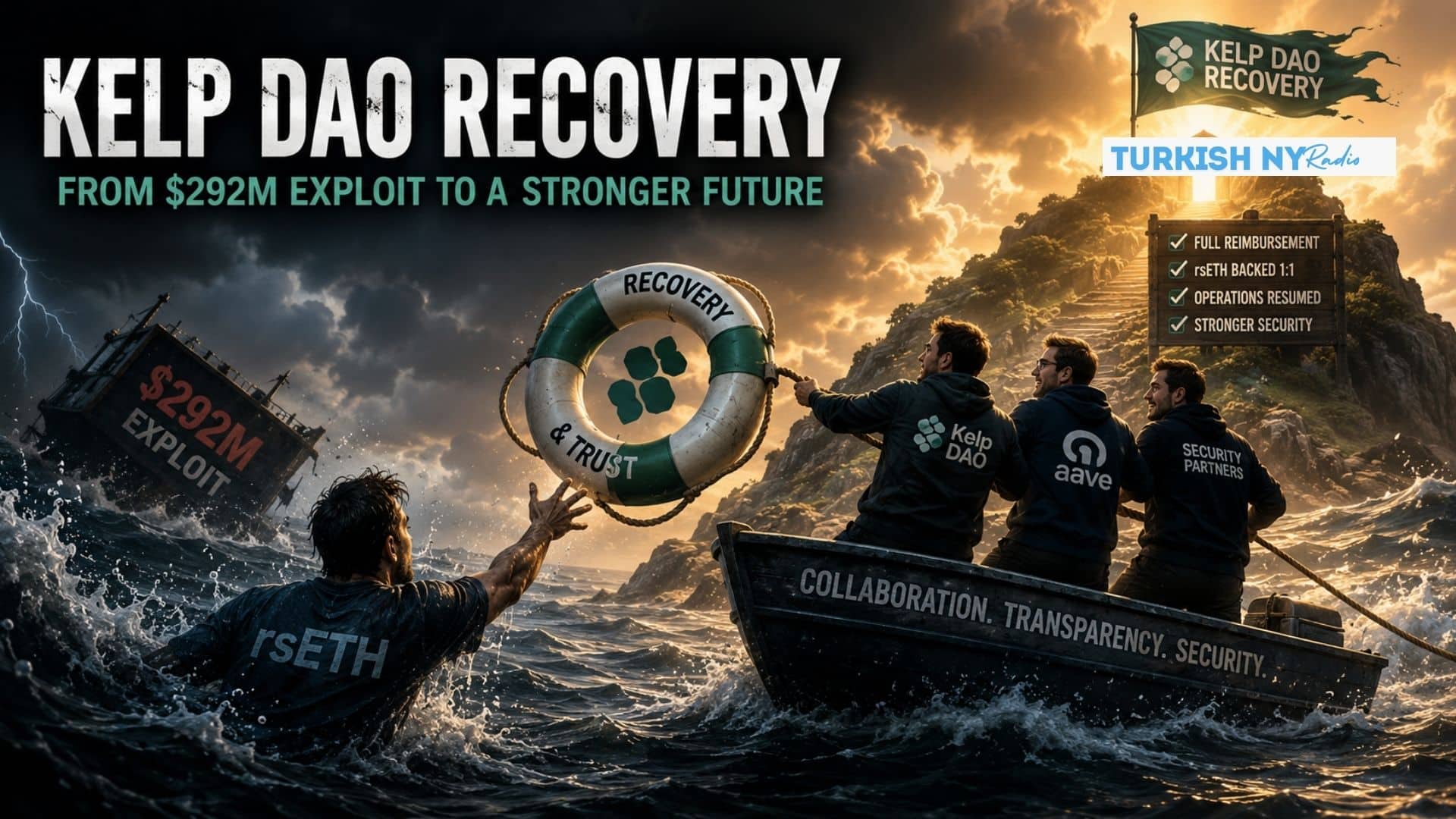
In response, the Kelp DAO recovery initiative unfolded as a coordinated effort between Kelp DAO, Aave and recovery partners under the DeFi United coalition. The goal: to replenish lost collateral, stabilise rsETH backing, and safely resume paused operations.
Healing the Network: What’s Been Done
In a series of pivotal steps, Kelp DAO and Aave have:
- Burned Exploiter’s rsETH on the Arbitrum network to ensure stolen tokens cannot re-enter circulation.
- Initiated phased refilling of 117,132 rsETH, approximately $278 million in tokens, into the bridge adapter over a two-week period.
- Upgraded security protocols by increasing verification requirements and implementing stricter confirmations on cross-chain bridge activity.
Kelp DAO stated that once the first tranche of refilled rsETH is reflected on the smart contract, withdrawals and routine functions such as deposits and bridging will gradually resume.
Quotes from Stakeholders
“We have completed the initial phase of recovery, including burning compromised assets. The Kelp DAO recovery initiative is now focused on restoring full backing for rsETH and re-enabling user operations securely,” said a spokesperson for Kelp DAO in an official update.
Aave also weighed in, affirming that the collaborative effort aims not just to refill tokens but to re-establish trust in how restaked assets are collateralised and leveraged across ecosystems.
External analysts highlighted the importance of such recovery work: “The progress of the Kelp DAO recovery demonstrates that even complex DeFi incidents can be managed through coordinated governance and technical interventions,” one DeFi strategist commented.
Legal, Governance and Wider Ecosystem Efforts
The recovery journey hasn’t been purely technical. Governance bodies such as the Arbitrum DAO approved the release of approximately $70 million in frozen ETH to support compensation for affected users. A U.S. federal court also authorised governance votes to formalise steps in the broader recovery plan.
The Kelp DAO recovery has drawn contributions and proposals from other projects, including suggested governance support from liquidity providers like Lido, further illustrating the multi-party nature of DeFi problem-solving.
Conclusion
After a turbulent few weeks, the Kelp DAO recovery initiative is progressing toward restoring normal rsETH operations. With the burning of illicit tokens, phased refill plans, enhanced security measures and cross-chain verification improvements, protocol developers are edging closer to reopening deposits, withdrawals and redemptions. The coordinated technical and governance response underscores a growing maturity in DeFi crisis management.
Despite the significant impact of the exploit, these developments indicate that the path to recovery, although complex, can be charted through collaboration, innovation and transparency.
Summary
The Kelp DAO recovery marks a significant step in stabilising the DeFi ecosystem following a $292 million rsETH exploit. Kelp DAO and Aave have burned compromised tokens and begun refilling 117,132 rsETH in a phased approach, while bolstering bridge security. Once the first tranche is reflected, withdrawals and normal operations will reopen. Supplementary governance actions, such as DAO votes and frozen asset releases, complement technical efforts, signalling a coordinated and resilient response to one of the year’s largest crypto exploits.
Glossary of Key Terms
DeFi (Decentralized Finance): Finance built on blockchain protocols without traditional intermediaries.
Kelp DAO: A liquid restaking protocol offering users staking returns while keeping assets liquid.
rsETH: A liquid restaking token representing rebased Ether held across networks.
Bridge: A mechanism that moves tokens between different blockchain networks.
FAQs for Kelp DAO Recovery
1. What is the Kelp DAO recovery?
The Kelp DAO recovery refers to the coordinated effort by Kelp DAO, Aave and ecosystem partners to restore rsETH backing and resume normal blockchain operations after a $292 million exploit.
2. Why did the exploit happen?
The exploit occurred due to a vulnerability in the rsETH cross-chain bridge contract, allowing forged transactions to withdraw unbacked rsETH.
3. How much rsETH is being restored?
A total of 117,132 rsETH, roughly $278 million worth, will be progressively refilled to recover missing collateral.
4. When will users regain access?
Kelp DAO plans to resume withdrawals and full functionality after the first refill tranche appears on the smart contract, expected soon.
5. What governance actions support the recovery?
Arbitrum DAO and U.S. courts have authorised measures like releasing frozen assets and validating recovery votes to aid the Kelp DAO recovery process.