
This article was first published on TurkishNY Radio.
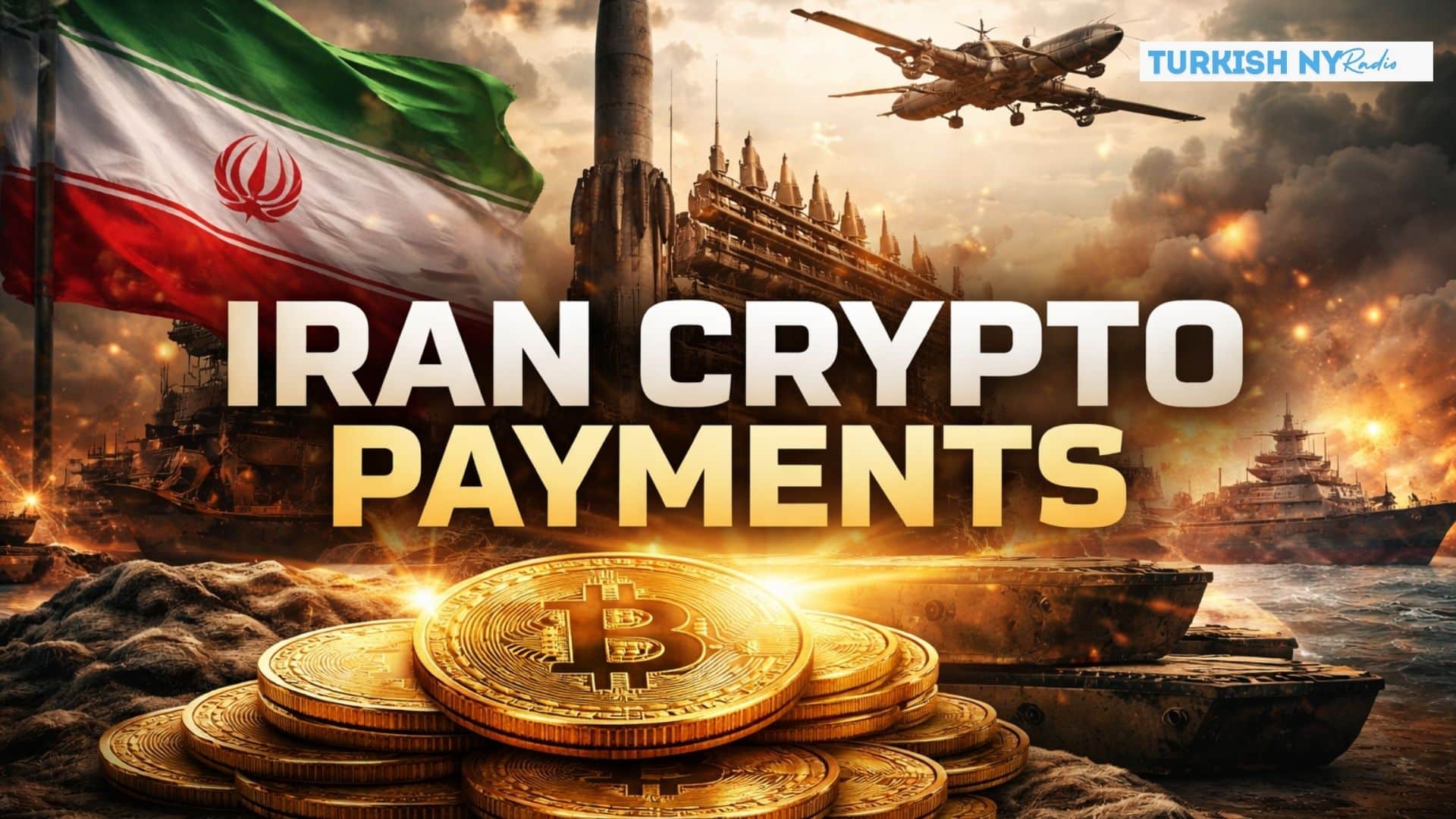
Iran’s unexpected move to accept bitcoin for international weapons sales has prompted widespread interest and worry. The proclamation, which concentrates on the notion about Iran crypto payments, is a watershed moment in security and diplomacy.


As Iran continues to face financial sanctions, this technique marks a new strategy that might change how governments conduct restricted commerce. Analysts disagree on whether this is due to ingenuity, despair or an equal amount of both of them.
A Major Shift in Iran’s Payment Strategy
Iran’s defense export agency, Mindex, recently revealed that it will now allow countries to purchase drones, missiles, naval vessels, and other military equipment using cryptocurrency. The introduction of Iran crypto payments is being framed as a practical alternative to traditional banking channels, which remain heavily limited by Western sanctions.
Also read: Copy Trading in Crypto: A Realistic Look at Fees, Slippage, Leverage, and Risk
A Mindex official explained, “We want to make our products accessible to clients who struggle with conventional financial systems. Digital payments offer speed and flexibility that many buyers need.”
For Iran, Iran crypto payments aren’t just a financial experiment, they’re a doorway to maintaining global business in a tightly controlled political climate.
Cryptocurrency as a Sanctions Workaround
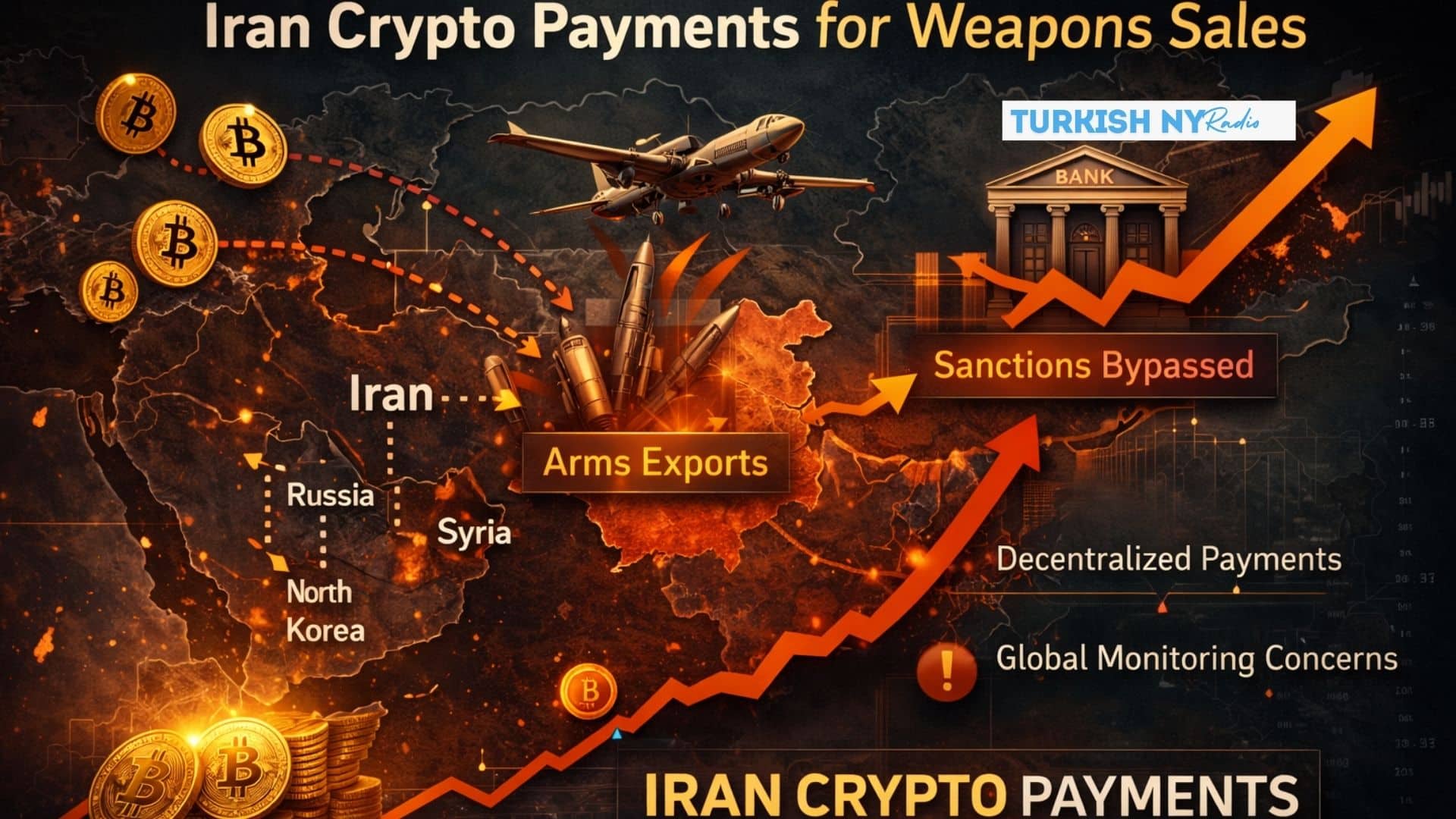
For years, Iran has been boxed out of major international financial networks. That isolation has forced the country to find creative solutions, and Iran crypto payments appear to be the latest tool in that effort. The decentralized nature of cryptocurrency allows Iran to move funds without going through banks that enforce sanctions.
Security expert Arman Soltani noted, “This isn’t surprising. When a country faces years of isolation, they adapt. Iran crypto payments are simply the next evolution of that adaptation.”
Still, many observers worry about how difficult it will be for regulators to monitor military-related crypto transactions.
Inside the Mindex Platform
Mindex has launched a polished online portal featuring brochures, product details, and even a built-in chatbot to assist potential buyers. The website repeatedly highlights Iran crypto payments as a preferred payment option because of its speed and reduced risk of foreign interference. Visitors are encouraged to schedule on-site inspections in Iran, something the agency says ensures transparency and trust.
According to internal promotional documents, Iran crypto payments are “designed to protect business continuity” in regions affected by geopolitical tensions. The agency claims interest from more than 35 countries, though it hasn’t disclosed any finalized deals.
Mixed Global Reactions
The announcement elicited strongly varied reactions. Some financial professionals believe that bitcoin is becoming a legitimate, and even necessary, tool in international trade. Others fear that Iran’s cryptocurrency transfers allow sanctioned organizations or nations to buy sophisticated weapons beneath the radar.


A European diplomat warned anonymously, “We are concerned that this could render it more challenging to detect arms sales. It isn’t just about Iranians; it’s concerning the precedent it sets.”
Considering the criticism, Iran is convinced that cryptocurrency transactions will expand. And, irrespective of the globe agrees or not, Iran crypto payments has become part of the broader armaments discourse.
Conclusion
Iran crypto payments in its armament procurement system is a significant shift in avoiding trade restrictions and sanctions. It’s a story that combines creativity with global events, asking uncomfortable concerns about governance, transparency, and the possibility of financial democratization.
Although the whole world discusses the risks and potential consequences, one thing is undisputed: Iran’s virtual currency payment systems have propelled both bitcoin-related enterprises and politicians to unprecedented heights.
Also read: 5 Governments That Set Clearer Crypto Licensing Rules in 2025
Summary
Iran is the first government to publicly accept cryptocurrencies for foreign weapons sales. Iran’s export agency, Mindex, is pushing Iran cryptocurrency payments as a quick and flexible way to buy unmanned aerial vehicles, missiles, and other types of military gear. Officials claim the measure helps to avoid financial penalties, but critics fear it might hamper global surveillance of arms deals. The decision combines monetary technology with geopolitics, using Iran for an experiment for how cryptocurrency may be utilized in high-stakes world trade.
Glossary of Key Terms
Cryptocurrency: Is a currency that is encrypted by blockchain software.
Sanction: Are prohibitions aimed to impede commerce with specific countries.
Blockchain: Is an autonomous ledger which archives digital transactions.
Arms trade: Is worldwide movement of weapons and ammunition.
Mindex: Is Iran’s defense marketing company which sells military weaponry.
FAQs for Iran crypto payments
1. For what reason does Iran embrace cryptocurrencies for arms sales?
To establish alternative financial channels outside of existing banking institutions that are impacted by restrictions.
2. Which types of firearms may be acquired using cryptocurrency?
Drones with missiles, air defence systems, and maritime vessels.
3. Can Iran crypto payments observable?
Several blockchains are visible, however privacy mechanisms can hide data on transactions.
4. How may this influence world security?
Many analysts fear it will hinder sanctions enforcement and tracking of arms transfers.
5. Is Iran not the initial country to use currency in this this fashion?
In fact, this is an initial publicly stated mechanism that enables governmental weaponry acquisitions utilizing.