

This article was first published on TurkishNY Radio.
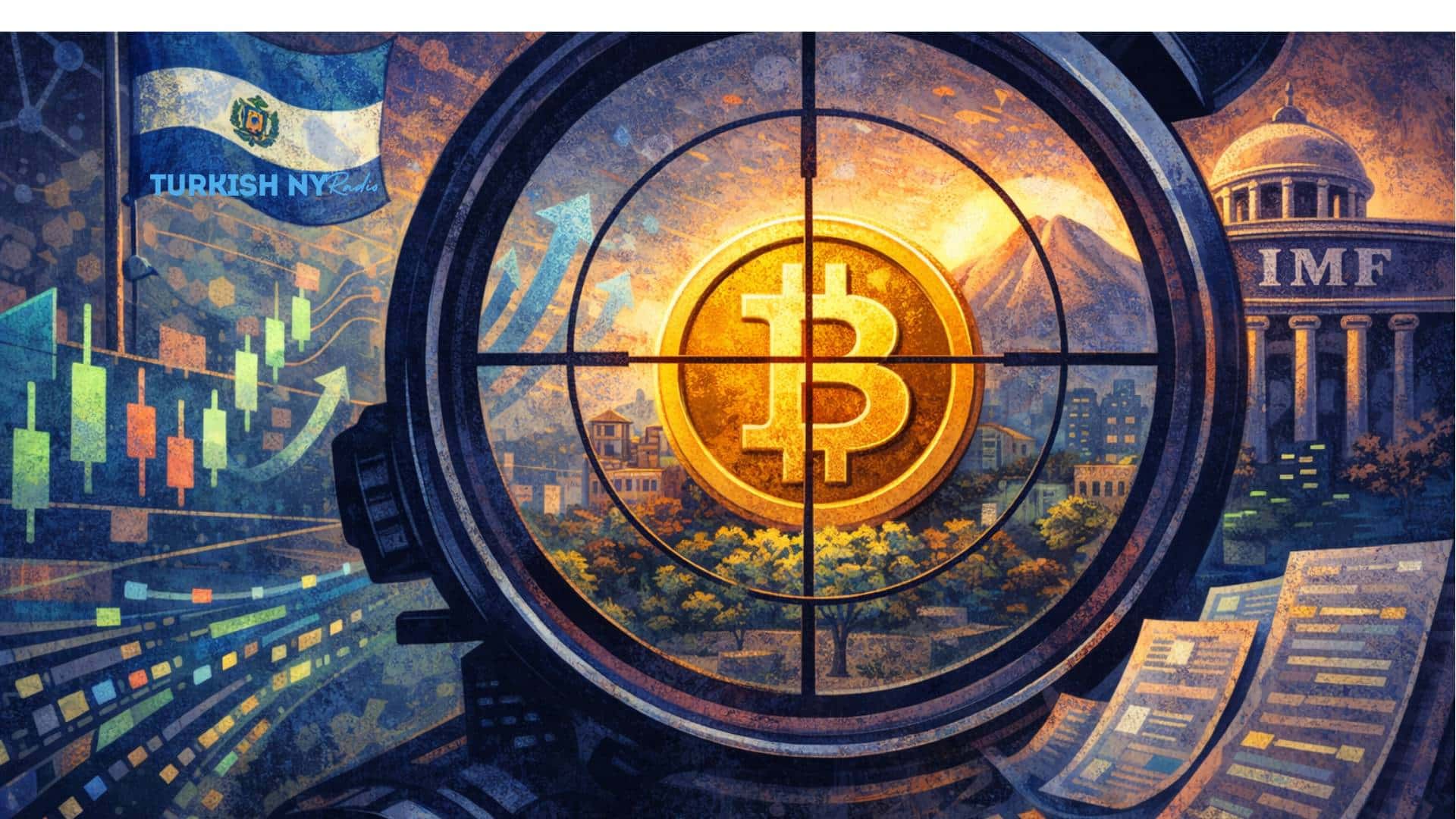
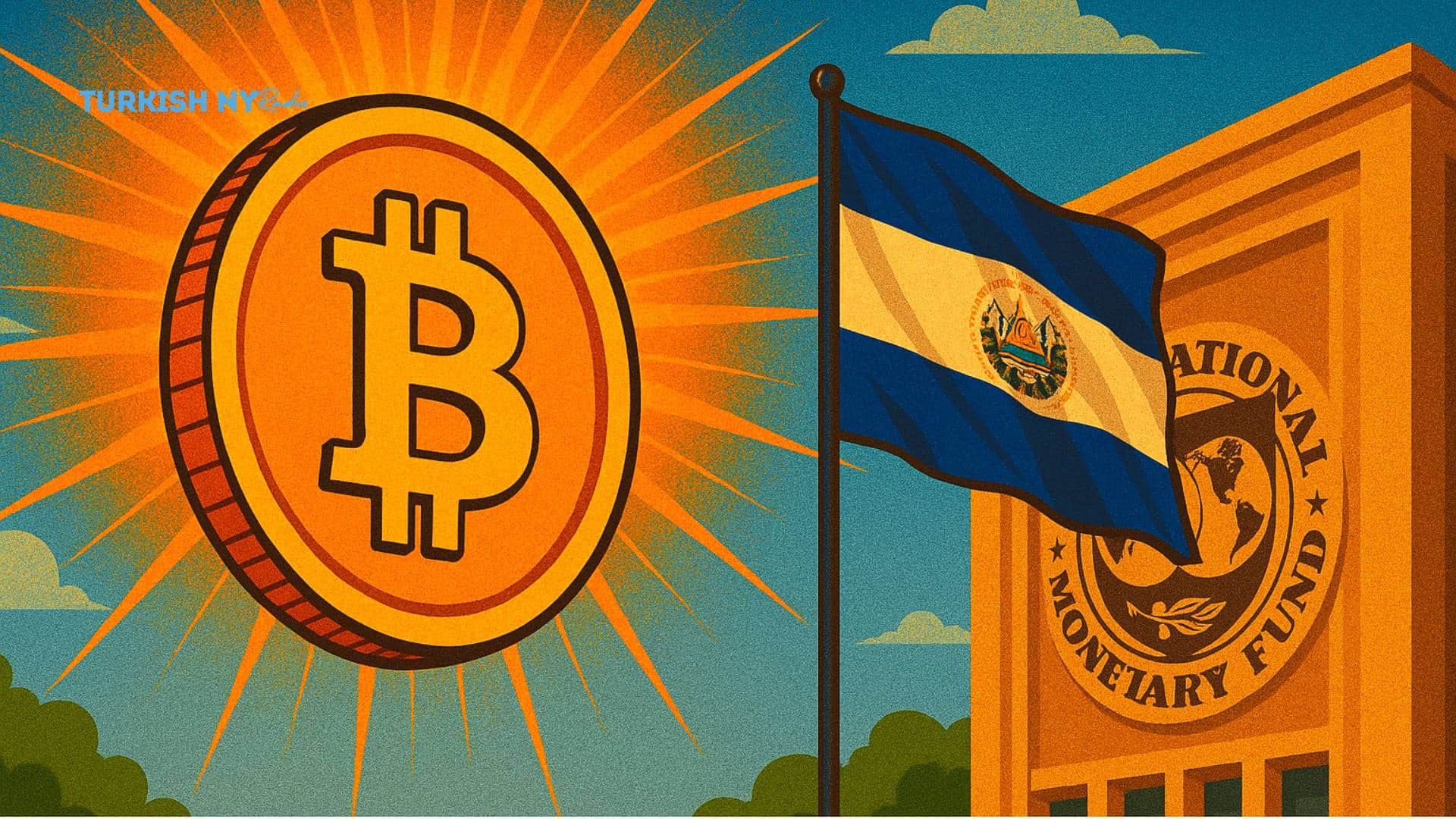
El Salvador is getting something it has not often received since it embraced Bitcoin as legal tender: a clear, public nod from the International Monetary Fund that the broader economic plan is working.


The IMF said the economy is expanding faster than expected, supported by improved confidence, record remittances, and strong investment, while talks continue toward completing the second review of the country’s 40-month program.
That praise matters because it comes with strings, and the biggest string is still Bitcoin.
In the IMF’s own words, “Real GDP growth is projected to reach around 4 percent this year,” with “very good prospects for next year.” The statement also underlined that fiscal consolidation remains on track, pointing to an end-2025 primary balance target that is “well on track” and a 2026 budget built around further deficit reduction alongside expanded social spending.
Why the IMF’s Tone Shift Is Not Just Polite Diplomacy
For markets, IMF language is rarely casual. When the Fund signals that targets are being met and reforms are moving, it reduces the sense of brinkmanship that tends to push risk premiums higher.
The statement highlighted reserve accumulation and lower domestic borrowing, along with a structural agenda that includes bank resolution and crisis management upgrades, deposit insurance work, and Basel III adoption to strengthen liquidity and funding resilience.
It also flagged a newly approved AML/CFT law, a line that will stand out to institutions watching how a Bitcoin-forward country tries to satisfy the compliance expectations of global finance.
Chivo Moves From Symbol to Test Case
The clearest “tell” in the update is Chivo. The IMF said negotiations for the sale of the government e-wallet are “well advanced,” which effectively turns the app from a political emblem into a policy deliverable.
Chivo launched as the state-backed on-ramp for everyday Bitcoin usage, but it also became the easiest target for critics who questioned execution, oversight, and the public balance sheet exposure that can come with government-linked crypto infrastructure. Now, the direction is unmistakable: reduce the state’s direct footprint, de-risk the plumbing, and move the experiment away from being a fiscal headline.
Bitcoin “Tensions” Are Really About Transparency and the Public Wallet
The IMF’s statement kept the Bitcoin language tight, but pointed: discussions on the “Bitcoin project continue,” centered on transparency, safeguarding public resources, and mitigating risks. That framing is not about ideology. It is about controls, reporting, and making sure crypto activity does not blur into quasi-fiscal policy.
El Salvador, meanwhile, has been consistent in its messaging about continued accumulation. President Nayib Bukele set the tone back in 2022, writing on X,
“We are buying one #Bitcoin every day starting tomorrow.”
The political appeal is obvious, but the IMF’s position is equally predictable: if the state is involved, the state must disclose clearly, ring-fence risk, and avoid surprises.
The Price Action Still Shapes the Optics
Bitcoin’s tape is part of the story, whether policymakers like it or not. On Dec. 24, 2025, BTC traded around the high $86,000s to $87,000 range after recent volatility, a reminder that even in a maturing market, sharp swings remain normal. With a market cap still near $1.7 trillion and daily volume in the tens of billions, BTC is big enough to matter, yet volatile enough to complicate any government narrative built on smooth upward lines.
That contrast explains the IMF’s posture: praise the measurable progress in growth and fiscal management, while keeping the Bitcoin conversation inside a risk framework.
Conclusion
El Salvador is walking a tightrope that many countries will study in the next cycle. The IMF is acknowledging real economic gains and steady reforms, and that is meaningful. At the same time, it is insisting that Bitcoin-related activity sits under clearer transparency and stronger safeguards, with the Chivo sale emerging as a practical milestone rather than a symbolic one.
If the next phase of the program moves forward cleanly, it will likely be because the government proves it can keep its crypto ambition from spilling into public-sector risk.
FAQs
Why is the IMF praising El Salvador now?
The IMF said growth is stronger than expected, fiscal targets are on track, and reforms such as financial stability upgrades and AML/CFT legislation are advancing.
What does the IMF want changed about Bitcoin policy?
The Fund framed ongoing talks around transparency, safeguarding public resources, and mitigating risks tied to the Bitcoin project.
Why does the Chivo wallet matter so much?
Because it represents direct government involvement in crypto infrastructure, and the IMF says negotiations to sell it are well advanced, signaling a reduced public-sector footprint.
Glossary of Key Terms
Primary balance is the government budget balance before interest payments, often used to judge whether fiscal policy is tightening or loosening.


EFF (Extended Fund Facility) is an IMF lending program designed for medium-term reforms tied to policy targets and reviews.
AML/CFT refers to anti-money laundering and countering the financing of terrorism rules that shape compliance in banking and crypto rails.
Basel III is a global banking standard focused on stronger capital, liquidity coverage, and stable funding.
Chivo is El Salvador’s government-backed e-wallet launched to support Bitcoin usage and payments.
Volatility describes how sharply an asset’s price moves over time, a core risk metric for crypto markets.
References