![Sun [New]](https://s2.coinmarketcap.com/static/img/coins/64x64/10529.png)

![BitTorrent [New]](https://s2.coinmarketcap.com/static/img/coins/64x64/16086.png)


This article was first published on TurkishNY Radio.
Bitcoin built its name as the most recognized digital asset in the market, yet its design came with limits. It became strong as a store of value and a payment network, but it did not open the door to the broad smart contract activity that later defined decentralized finance.


That gap created a problem. Investors held large amounts of BTC, but many could not easily use that value inside Ethereum-based lending apps, trading protocols, or yield systems. That is where wrapped Bitcoin entered the conversation.
At its core, the idea is simple as one asset mirrors another so it can function on a different blockchain. In this case, Bitcoin gets represented as a token that works on Ethereum and similar networks. It sounds technical at first glance, but the logic is not far from converting cash into casino chips.
The value stays tied to the original asset, while the format changes so it can be used in a different environment. For crypto markets, that shift mattered because it gave Bitcoin a practical role inside DeFi without changing Bitcoin itself.
According to the source material, WBTC is backed 1:1 by BTC, launched in January 2019, and became the first widely adopted form of Bitcoin represented on Ethereum.
What Makes Wrapped Bitcoin Different From Native BTC
Native BTC lives on the Bitcoin blockchain. WBTC, by contrast, is issued as an ERC-20 token and can also exist across other supported chains. That means it can plug into applications built for token standards that Bitcoin does not natively support. The source explains that this structure gave decentralized apps on Ethereum access to Bitcoin-linked liquidity, something that had previously been harder to achieve outside centralized venues.
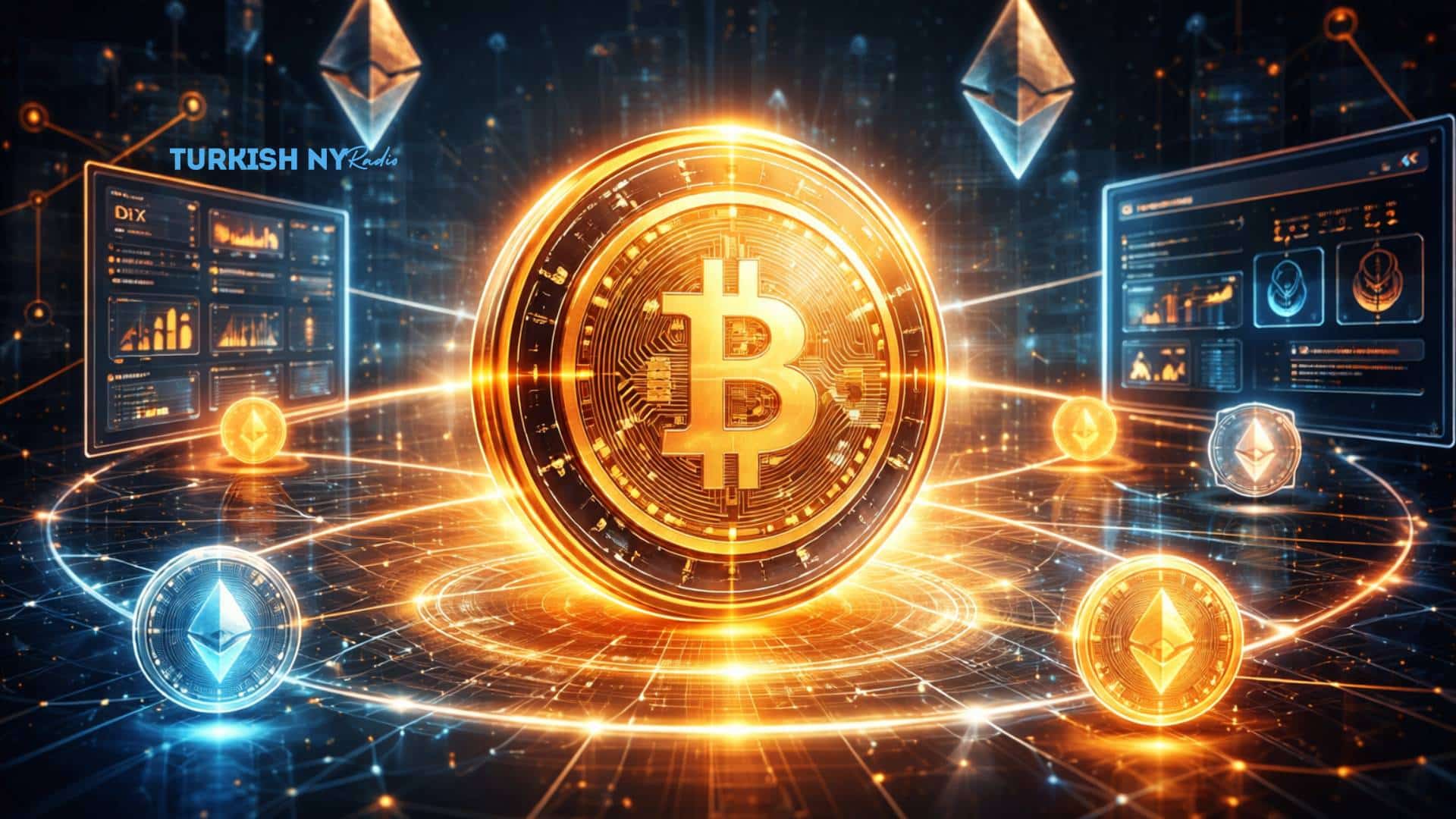
This is why the asset became useful almost overnight. In practice, wrapped Bitcoin lets a BTC holder move into lending markets, decentralized exchanges, and derivatives tools while keeping exposure to Bitcoin’s price. For a market that runs heavily on liquidity, speed, and collateral efficiency, that is not a small detail. It changes what Bitcoin can do after it enters the DeFi economy.
Why DeFi Needed wrapped Bitcoin
The demand did not come from branding, it came from utility. Bitcoin lacked native smart contract functionality, while Ethereum developed an entire ecosystem around programmable finance. That mismatch left Bitcoin holders with a choice: either hold BTC passively or move into other assets to join DeFi.
WBTC offered a middle route as the source notes that it expanded DeFi accessibility, boosted liquidity, and gave Bitcoin holders a way to use lending, borrowing, and yield strategies on other networks.
That shift also carried a broader market effect. When more Bitcoin-linked capital flows into DeFi, trading becomes deeper, collateral pools get stronger, and users gain more flexibility. In plain terms, wrapped Bitcoin turned idle BTC into working capital. That is one reason it stayed relevant even as newer cross-chain models appeared.
How Wrapped Bitcoin Is Created and Redeemed
The creation process is called minting as a user submits a request through a merchant, pays the required fee, and passes compliance checks such as AML and KYC. Once approved, BTC is sent to a custodian, and an equivalent amount of WBTC is minted. The source adds that the reserve addresses and minting activity can be tracked publicly, which gives the model an added layer of transparency.
Redeeming it works in reverse as the holder sends WBTC back through the process, the token is burned, and the equivalent BTC is released from reserves. That mechanism is what supports the 1:1 link. Without it, wrapped Bitcoin would just be another token with a claim attached to it. With it, the asset becomes a bridge between two ecosystems.
The Real Risks Behind wrapped Bitcoin
No serious crypto article should skip risk, especially when an asset sits between chains, custodians, and smart contracts. The source identifies 3 main concerns: smart contract risk, custodian risk, and market risk. Smart contract risk matters because bugs or exploits can affect token systems.
Custodian risk matters because someone still holds the reserve BTC. Market risk remains because WBTC follows Bitcoin’s price, and Bitcoin can move fast in either direction.
That is the trade-off in a nutshell. wrapped Bitcoin expands utility, but it also introduces trust assumptions that native BTC holders may not face in the same way. For some investors, the added flexibility is worth it. For others, self-custodied Bitcoin with no extra moving parts remains the cleaner option.
Why Wrapped Bitcoin Still Matters in 2026
Crypto moves quickly, and attention often shifts to the newest protocol, the newest chain, or the newest narrative. Still, some infrastructure keeps doing the quiet work in the background. Wrapped Bitcoin remains important because Bitcoin liquidity still matters, Ethereum-based finance still matters, and the need to connect both markets has not disappeared.
The source also notes that alternative forms of wrapped BTC now exist, each with different custody and security approaches. That alone shows the original concept solved a real market need. When an idea gets copied, refined, and competed against, it usually means the market found it useful.
Conclusion
Bitcoin did not need to become Ethereum to gain more utility. It just needed a format that could travel. That is what WBTC delivered. By giving BTC a tokenized version that works in DeFi, the market opened a new lane for Bitcoin holders who wanted more than passive exposure.
Even so, the model is not risk-free, and that is where careful judgment matters as wrapped Bitcoin is best understood not as a replacement for BTC, but as a functional bridge that lets Bitcoin participate in a larger financial system.
FAQs
What is WBTC in simple terms?
It is a token that represents Bitcoin on Ethereum and similar networks.
Is WBTC backed by real Bitcoin?
Yes. The source says it is backed 1:1 by BTC held in reserve.
Why do traders use WBTC?
They use it to access DeFi tools like lending, borrowing, and decentralized trading.
Is WBTC the same as Bitcoin?
It tracks Bitcoin’s value, but it is not native BTC on the Bitcoin blockchain.
What are the biggest risks?
Smart contract risk, custodian risk, and Bitcoin price volatility.


Glossary of Key Terms
WBTC: A tokenized version of Bitcoin used on Ethereum-compatible networks.
ERC-20: A common token standard used on Ethereum.
DeFi: Decentralized finance applications that run without traditional intermediaries.
Minting: The process of creating new tokens after backing assets are deposited.
Custodian: The entity that holds reserve BTC behind the token.
Burning: The process of destroying tokens so the original asset can be redeemed.
Liquidity: How easily an asset can be traded without causing major price movement.
Source
Disclaimer: This article is for educational purposes only and does not constitute financial or investment advice. n.