![Sun [New]](https://s2.coinmarketcap.com/static/img/coins/64x64/10529.png)




This article was first published on TurkishNY Radio.
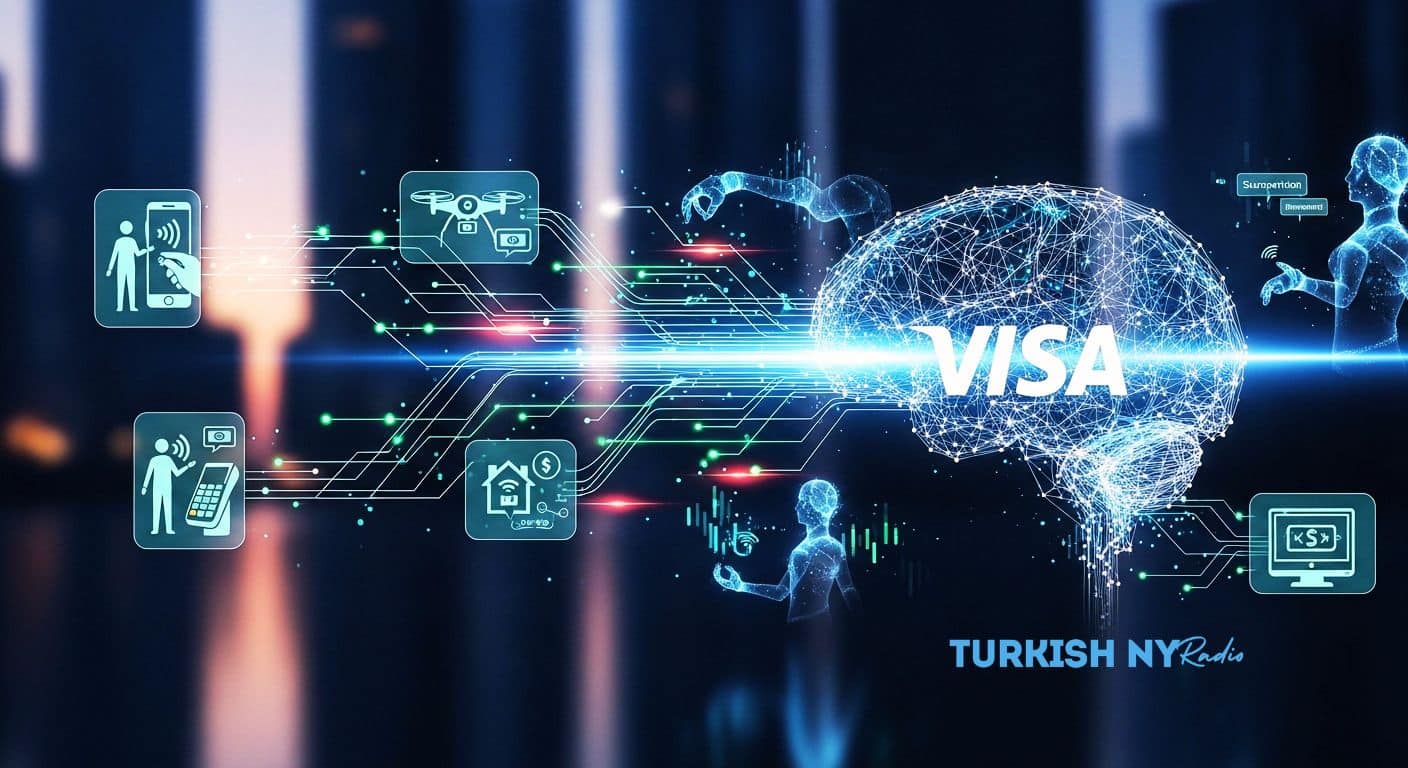
Visa has taken another step toward agentic AI payments, introducing a new system that allows AI assistants to search, select, and pay for products within defined limits.


In its April 8 statement, Visa confirmed that Intelligent Commerce Connect is designed as a single integration layer through its existing Visa Acceptance Platform.
The system allows merchants to make their product catalogs visible to AI agents, while ensuring transactions remain secure through tokenization, authentication, and spending controls.
According to Visa, the service supports both Visa and non-Visa cards and works with major AI agent frameworks.
The idea is straightforward instead of users manually browsing and checking out, AI agents can complete purchases on their behalf, but only within rules set by the user.
Why Agentic AI Payments are Drawing Attention
The push toward agentic AI payments reflects a broader shift in how digital commerce may function in the near future.
Rather than acting as simple tools, AI systems are starting to behave more like assistants capable of making decisions.
In this setup, a user might instruct an AI agent to find the best deal on software, book a service, or restock supplies. The agent handles discovery, comparison, and checkout while the payment layer ensures control and security.
Visa emphasized that its infrastructure is designed to keep users in control. Spending limits, authentication layers, and tokenized credentials reduce the risk of misuse, which has been one of the main barriers to adoption.



Andrew Torre, President of Value-Added Services at Visa, stated,
“Intelligent Commerce Connect brings that same, trusted payment acceptance infrastructure into the emerging world of AI-driven commerce.”
This suggests that Visa is not replacing existing payment systems but extending them into AI-driven environments.
Agentic AI Payments Bring Blockchain into Focus
While Visa’s system is still built around traditional card networks, blockchain-based tools are beginning to appear alongside it.
AI fintech firm Nevermined has integrated with Visa’s system using the x402 protocol, a payment standard developed within Coinbase’s developer ecosystem.
This setup allows AI agents to execute transactions while following predefined rules such as spending caps and expiry limits.
According to the official x402 website, the protocol processed more than $24 million in transaction volume over the past 30 days, alongside tens of millions of individual transactions.
This does not indicate a full shift to blockchain payments. Instead, it shows that hybrid models are forming, where agentic AI payments combine traditional card infrastructure with programmable payment layers.
The expectation is that such systems could support machine-to-machine transactions in areas like digital services, APIs, and automated subscriptions. However, large-scale adoption is still uncertain.
Early Rollout Signals Cautious Industry Approach
Visa confirmed that Intelligent Commerce Connect is currently in a pilot phase with selected partners, with a broader rollout planned later in 2026.
This measured approach reflects the challenges ahead. For agentic AI payments to become mainstream, merchants need to see clear benefits such as higher conversion rates or reduced friction.
At the same time, regulators and payment networks must ensure that automated transactions remain compliant and secure.
There is also the question of trust. Users must feel confident allowing AI agents to act on their behalf, even within controlled limits.
A Shift that Could Reshape Online Transactions
What is clear today is that agentic AI payments are moving beyond early experimentation. Visa’s latest move shows that major payment providers are preparing for a model where AI systems play a direct role in commerce.
What remains uncertain is how quickly users and businesses will adopt this model. If adoption grows, AI-driven checkout could reduce the role of traditional browsing and advertising, shifting how products are discovered and purchased online.
For now, Visa’s approach focuses on integration rather than disruption bringing AI into existing payment systems rather than replacing them.
Summary
- Visa has introduced a new system that brings AI closer to everyday shopping and payments.
- AI assistants can now search for products and complete purchases, but only within limits set by users.
- The platform keeps transactions secure with built-in protections like authentication and tokenization.
- Blockchain tools are also being explored alongside traditional card payments.
- The system is still in testing, with a wider rollout expected in 2026.
- Its success will depend on user trust and real benefits for businesses.
Glossary of Key Terms
1. Agentic AI Payments
Think of this as having a smart assistant that can shop and pay for you online, but only within the limits you’ve set.
2. AI Agent
This is like your digital helper. It can search, compare, and even make decisions for you, just like a personal assistant would.
3. Tokenization
Instead of sharing your real card details, the system uses a safe “placeholder” code like hiding your actual number behind a shield.
4. Authentication
This is how the system makes sure it’s really you approving a payment, similar to using a password, PIN, or fingerprint.
5. Visa Acceptance Platform
You can think of this as the payment engine behind the scenes that helps businesses accept payments smoothly and securely.
6. Blockchain
A shared digital record that keeps transactions safe and transparent like a notebook everyone can see, but no one can secretly edit.
7. x402 Protocol
A system that lets apps or AI pay automatically when needed, similar to how subscriptions renew without you having to do anything.
8. Spending Controls
These are your safety rules, like setting a budget for your assistant so it can only spend what you allow and nothing more.
FAQs About Agentic AI Payments
1. What are agentic AI payments?
Agentic AI payments let AI assistants shop and pay on your behalf, following your rules, making online purchases quicker, easier, and more hands-off.
2. How do agentic AI payments keep my money safe?
They use security tools like tokenization and spending limits, so your card details stay protected and the AI can only spend within the limits you set.
3. How can agentic AI payments help businesses?
They help businesses connect with customers through AI platforms, make checkout smoother, and potentially increase sales without requiring major changes to existing systems.
4. What problems could agentic AI payments face early on?
Some users may hesitate to trust AI with payments, while businesses and regulators will need to ensure everything works reliably, safely, and delivers real value over time.