This article was first published on TurkishNY Radio.
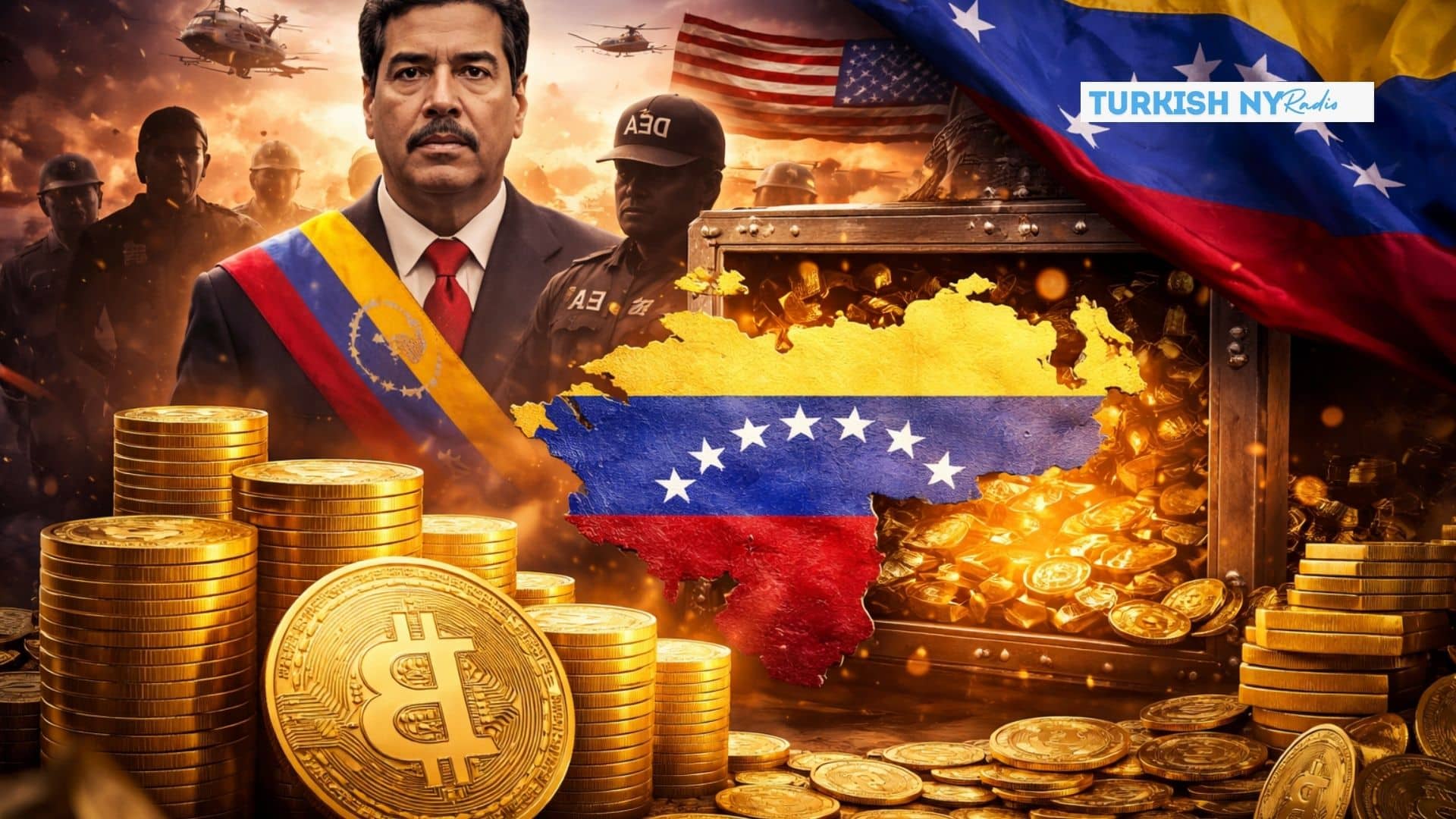
Global financial markets are eagerly monitoring events in Venezuela following President Nicolás Maduro’s alleged arrest by the United States, which revived suspicions about undisclosed state-owned cryptocurrency holdings.


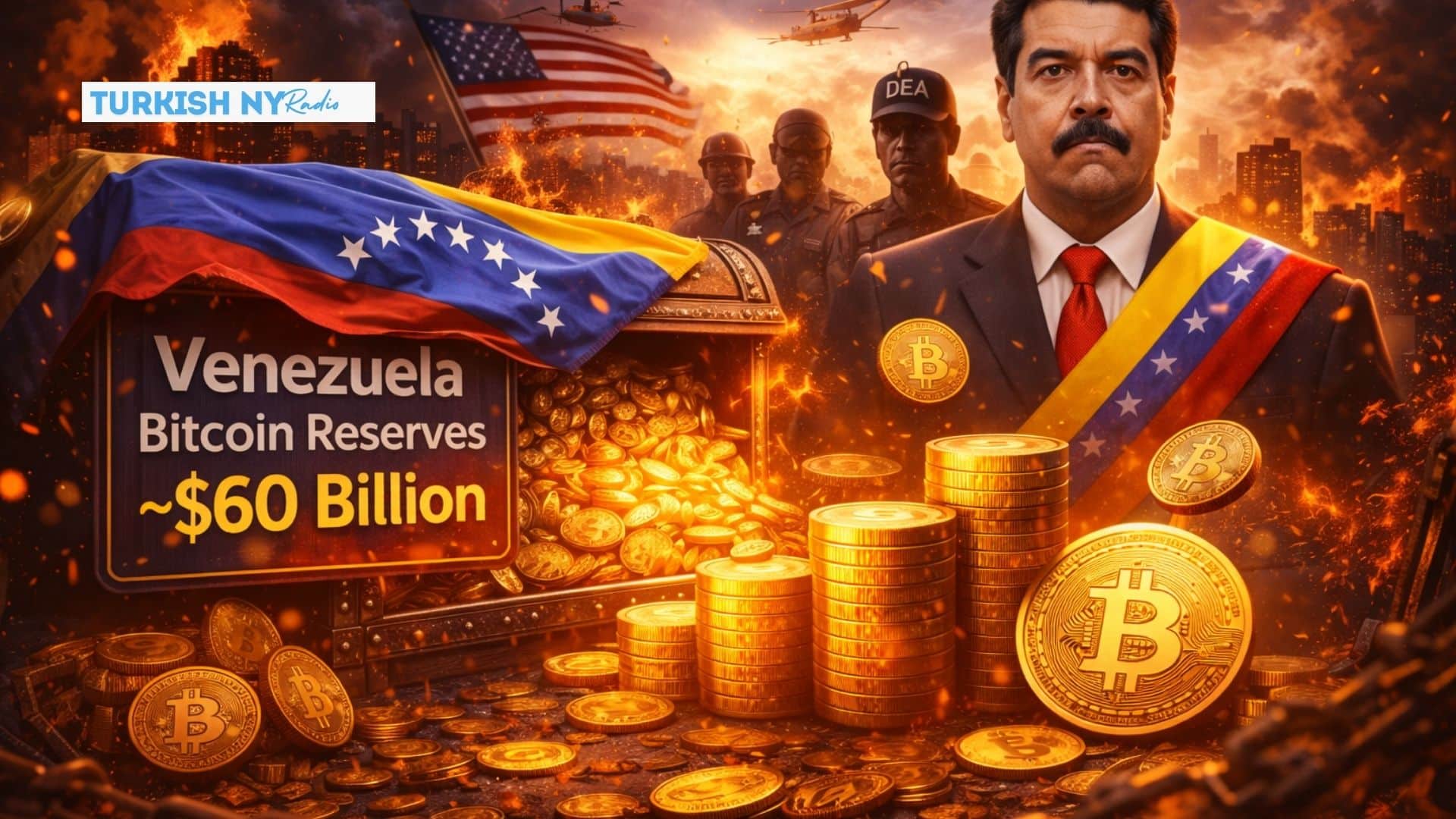
The focus of the conversation is Venezuela Bitcoin reserves, a reputed stockpile that analysts think was surreptitiously accumulated to avoid international sanctions. While the reports are unproven, rising political pressure has heightened attention of Venezuela’s suspected cryptographic strategy and its potential ramifications for Bitcoin markets.
Political pressure revives long-standing rumors
Talk about Venezuela Bitcoin reserves are not new. For years, observers have hypothesized whether the Venezuelan government might have resorted to Bitcoin as a monetary alternative as US sanctions tightened. Upon Maduro’s detention, market investors speculated that further legal processes may reveal previously hidden digital assets related to the state.
Also read: National Reserves 2.0: What a Germany Bitcoin Buyback Would Mean for Crypto Market
How the reserves were allegedly built
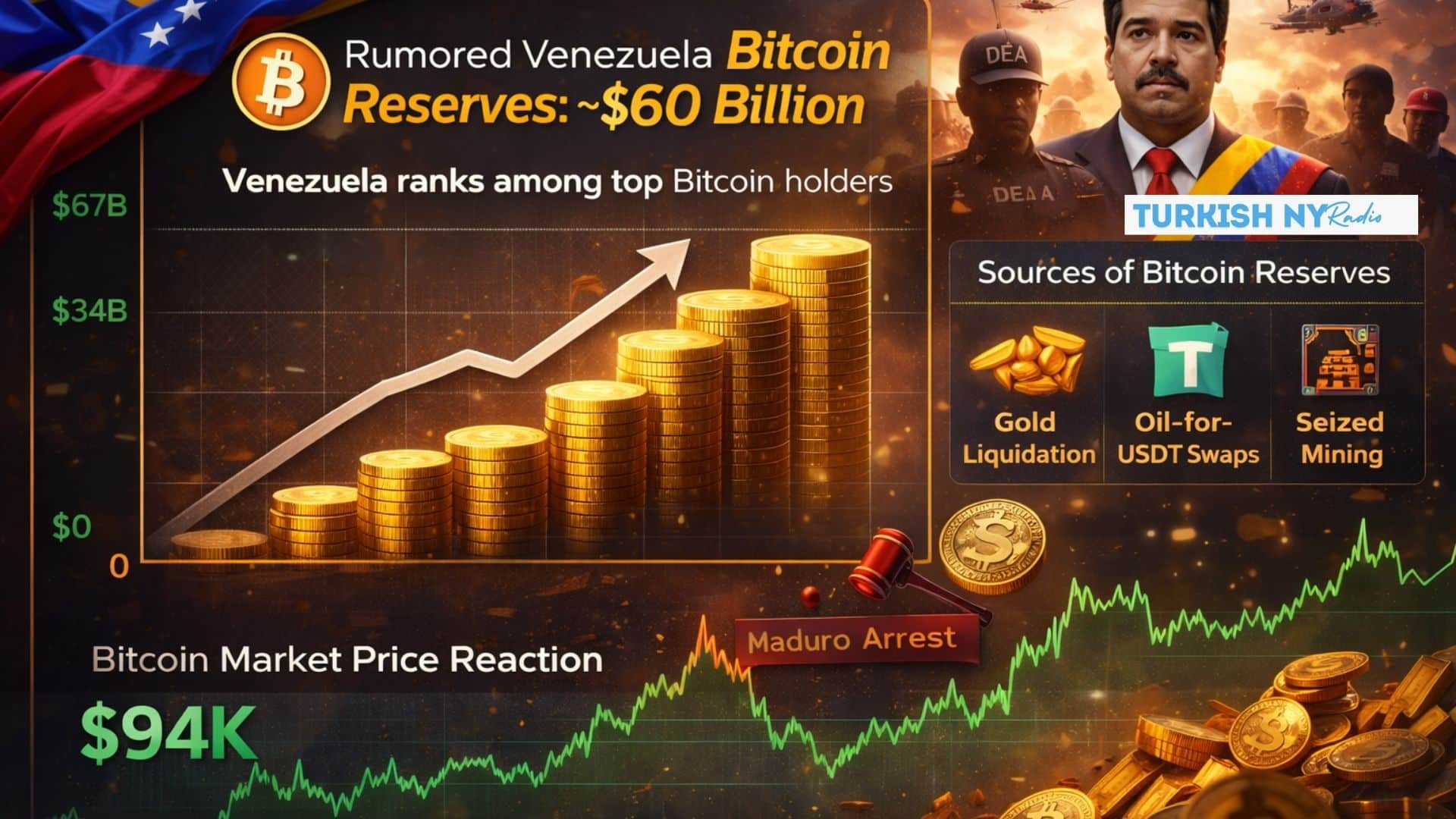
According to market observers, the alleged Venezuela Bitcoin reserves may have been accumulated through indirect methods rather than open-market purchases. These include illegal gold shipping, oil transactions facilitated by middlemen, and the transformation of stablecoins into Bitcoin. While none of these assertions have been formally validated, they are consistent with wider trends observed in prohibited economies seeking alternate settlement mechanisms.


Market reaction remains cautious
Bitcoin traders have responded cautiously to the speculation surrounding Venezuela Bitcoin reserves. “Markets are reacting more to uncertainty than to confirmed supply changes,” said one digital asset analyst. While the idea of large sovereign-held wallets can influence sentiment, most institutional investors are waiting for verifiable on-chain evidence before adjusting long-term positioning.
Legal implications and asset control
The legal dimension adds another layer of complexity to the discussion around Venezuela Bitcoin reserves. If authorities identify wallets tied directly to criminal or sanctions-related cases, those assets could be frozen or locked in legal disputes for years. Such an outcome would effectively reduce circulating supply, at least temporarily, a scenario markets are carefully evaluating.
Transparency problems with cryptocurrency tracking.
Despite blockchain openness, confirming Venezuela’s Bitcoin holdings on the alleged size is impossible. Large transaction can be split into many wallets, handled through mixers, or handled through middlemen. However, blockchain researchers warn that concealing hundreds of billions of cash in Bitcoin permanently would become increasingly impossible with contemporary monitoring capabilities.
Skepticism among analysts
Many experts remain unconvinced. “Extraordinary claims require solid data,” one researcher said, noting that on-chain activity has yet to confirm wallets consistent with estimates tied to Venezuela Bitcoin reserves. As a result, most professional investors continue to treat the story as a geopolitical risk narrative rather than a market-moving fact.
Conclusion
Venezuela’s Bitcoin reserves are now subject to conjecture rather than confirmation. Nonetheless, the example demonstrates how political events may swiftly leak into cryptocurrency markets, influencing sentiment even in the absence of hard proof. As judicial processes progress, investors will be looking for confirmed disclosures or on-chain indications that might confirm or refute one of crypto’s most persistent geopolitical stories.
Summary
Speculation around Venezuela President Nicolás Maduro’s detention in the United States regimes, Bitcoin reserves have increased, bringing renewed attention to how sanctioned regimes may employ cryptocurrencies. Although reports claim that Venezuela obtained Bitcoin over unofficial routes, no reliable on-chain confirmation has surfaced. Investors reacted cautiously, viewing the report as a strategic concern rather than a proven supply interruption. The incident underscores the growing overlap between world affairs and legal risk in digital property markets.
Glossary of Key Terms
Bitcoin: Is a global digital asset with a fixed quantity of 21 million units.
On-chain data: Refers to openly accessible chain data on transactions utilized for analytics.
Stablecoin: A digital asset with a stable value, commonly tethered to the US dollar.
Sanctions: Are impose monetary constraints on governments or persons.
Sovereign assets: Are the financial assets held by a national authority.
FAQs for Venezuela Bitcoin reserves
1. Are Venezuela’s Bitcoin holdings officially confirmed?
No. There is no official confirmation or conclusive blockchain evidence.
2. Why did this story resurface now?
The reported arrest of President Maduro renewed scrutiny of Venezuela’s financial activities.
3. Could these assets affect Bitcoin prices?
Only if verified and shown to impact circulating supply.
4. Can Bitcoin be hidden from authorities?
While possible short term, large-scale concealment is increasingly difficult.
5. What should investors watch next?
Verified on-chain findings or legal disclosures tied to Venezuela Bitcoin reserves.