In a time of war and financial uncertainty, Ukraine is cautiously opening the door to digital assets. The Ukraine crypto legalization effort reflects both hope and hesitation, as the country balances innovation with the need for control. Can Ukraine embrace crypto without losing its grip on economic stability?
NBU’s Position: Regulate but Don’t Normalize as Currency
In a recent statement, NBU Governor Andriy Pyshnyy made it clear that digital assets like Bitcoin can be part of the legal financial landscape, just not as everyday money.


“Crypto assets must not undermine monetary sovereignty,” Pyshnyy said.
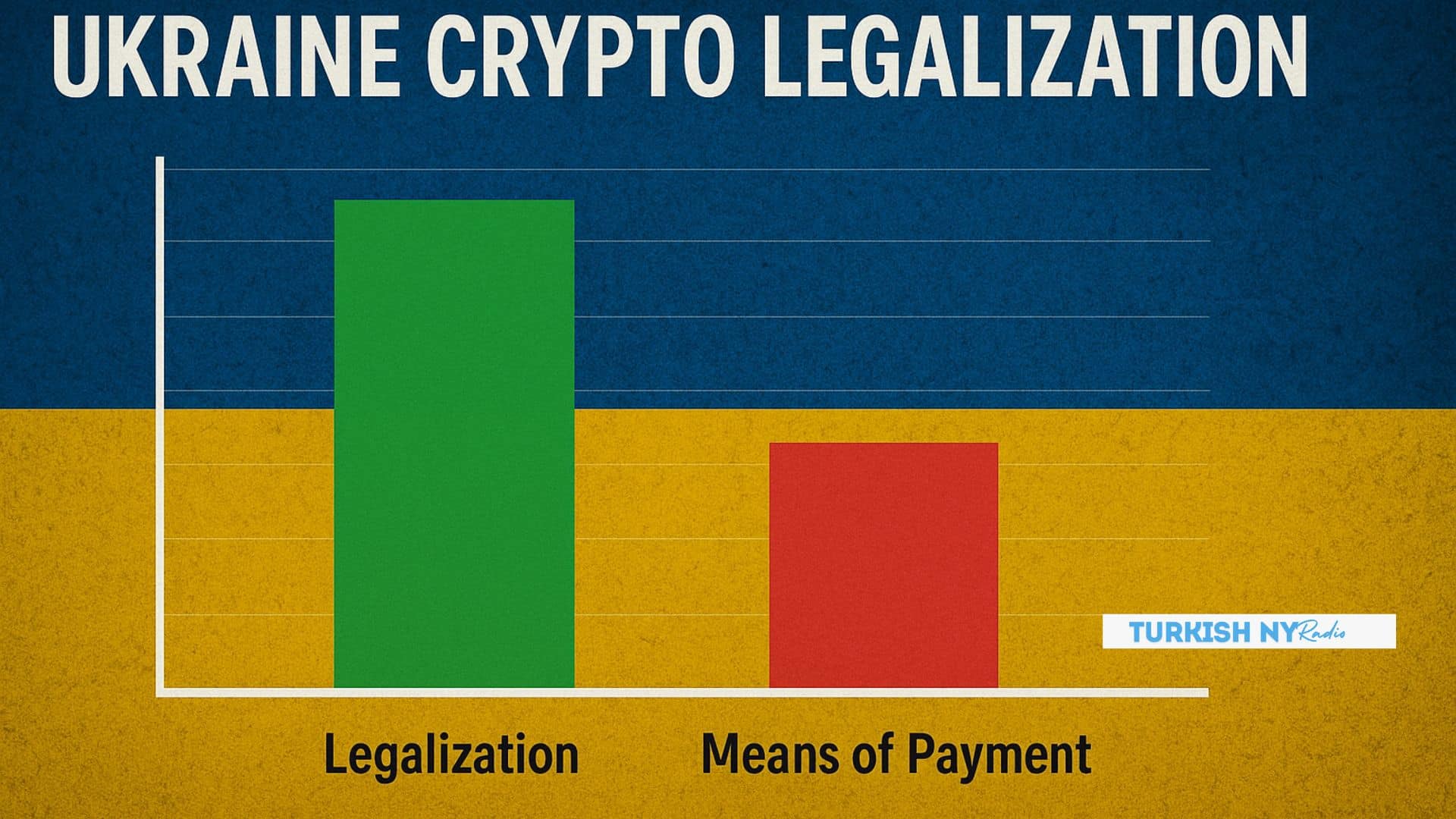
“We support their legalization but firmly oppose their use as a means of payment.”
This position solidifies the country’s intent to adopt crypto without disrupting the hryvnia’s role.
The NBU emphasized that any steps toward Ukraine crypto legalization must adhere to FATF guidelines and align with European regulatory frameworks.
e‑Hryvnia in the Making: Ukraine’s CBDC Pilot
Alongside its crypto policy, the central bank is piloting its central bank digital currency (CBDC), the e‑hryvnia. The NBU is working with an undisclosed technology partner to test the architecture of the digital hryvnia.
The pilot includes cooperation with the ECB, Bundesbank, Bank of France, and others. Though timelines remain unclear, officials hint the pilot will help Ukraine crypto legalization prepare for the digital financial future, on its own terms.
Despite supporting digital innovation, the NBU’s focus remains on avoiding currency substitution. That’s why Ukraine crypto legalization remains limited in scope for now.
Crypto and Martial Law: A Delicate Balance
Since the war with Russia began, Ukraine has imposed strict currency controls. The government worries that crypto could allow citizens or institutions to bypass these restrictions.
The central bank made it clear that under martial law, it would not tolerate crypto acting as an unofficial monetary tool. This is a crucial element in the Ukraine crypto legalization debate, which involves both financial freedom and national security.
A senior NBU advisor added:
“It’s not about banning crypto, it’s about protecting monetary integrity during wartime.”
Crypto in National Reserves? A Bold Proposal
In June, Ukrainian lawmakers proposed a draft bill to allow crypto in the country’s national reserves. The bill would let the central bank hold Bitcoin and other digital assets as part of its sovereign wealth.
This radical idea has fueled public debate over the extent of Ukraine crypto legalization. While the bill hasn’t passed, it marks a potential turning point in how the government views digital assets.
Still, the NBU is treading carefully, prioritizing its financial system’s health over making hasty decisions.


Conclusion
Ukraine crypto legalization is no longer a question of “if” but “how far.” The NBU’s cautious approach shows its willingness to embrace blockchain technology while defending economic stability. The pilot for the e‑hryvnia and international collaboration signal a forward-thinking yet protective stance.
In a country grappling with war and inflation, regulators must weigh freedom against control. For now, Ukraine will legalize, but not normalize, crypto.
Also read Crypto Fraud
Summary: NBU Backs Crypto With Limits
The National Bank of Ukraine supports Ukraine crypto legalization under strict conditions. It opposes crypto as legal tender, citing economic control concerns amid war.
A pilot for the e‑hryvnia is underway, and a bill could soon let crypto enter national reserves. However, the central bank insists on FATF compliance and monetary sovereignty. This hybrid approach reflects Ukraine’s ambition to modernize without losing control.
FAQs
1. Is crypto legal in Ukraine now?
Crypto is being legalized for regulated use but not as a form of payment.
2. What is the e‑hryvnia?
It’s Ukraine’s pilot central bank digital currency (CBDC).
3. Why won’t Ukraine allow crypto as legal tender?
The NBU wants to preserve control over monetary policy and avoid currency substitution.
4. Can Ukraine hold Bitcoin in its national reserves?
A draft bill proposes this, but it has not been passed yet.
5. Is Ukraine following global crypto regulations?
Yes, its strategy aligns with FATF and EU financial regulations.
Glossary
NBU (National Bank of Ukraine): Ukraine’s central banking authority.
CBDC: Central Bank Digital Currency, a digital form of national fiat.
FATF: Financial Action Task Force, sets anti-money laundering standards.
Legal tender: Official currency for financial transactions.
e‑Hryvnia: Ukraine’s pilot version of a digital national currency.