![Sun [New]](https://s2.coinmarketcap.com/static/img/coins/64x64/10529.png)




This article was first published on TurkishNY Radio.
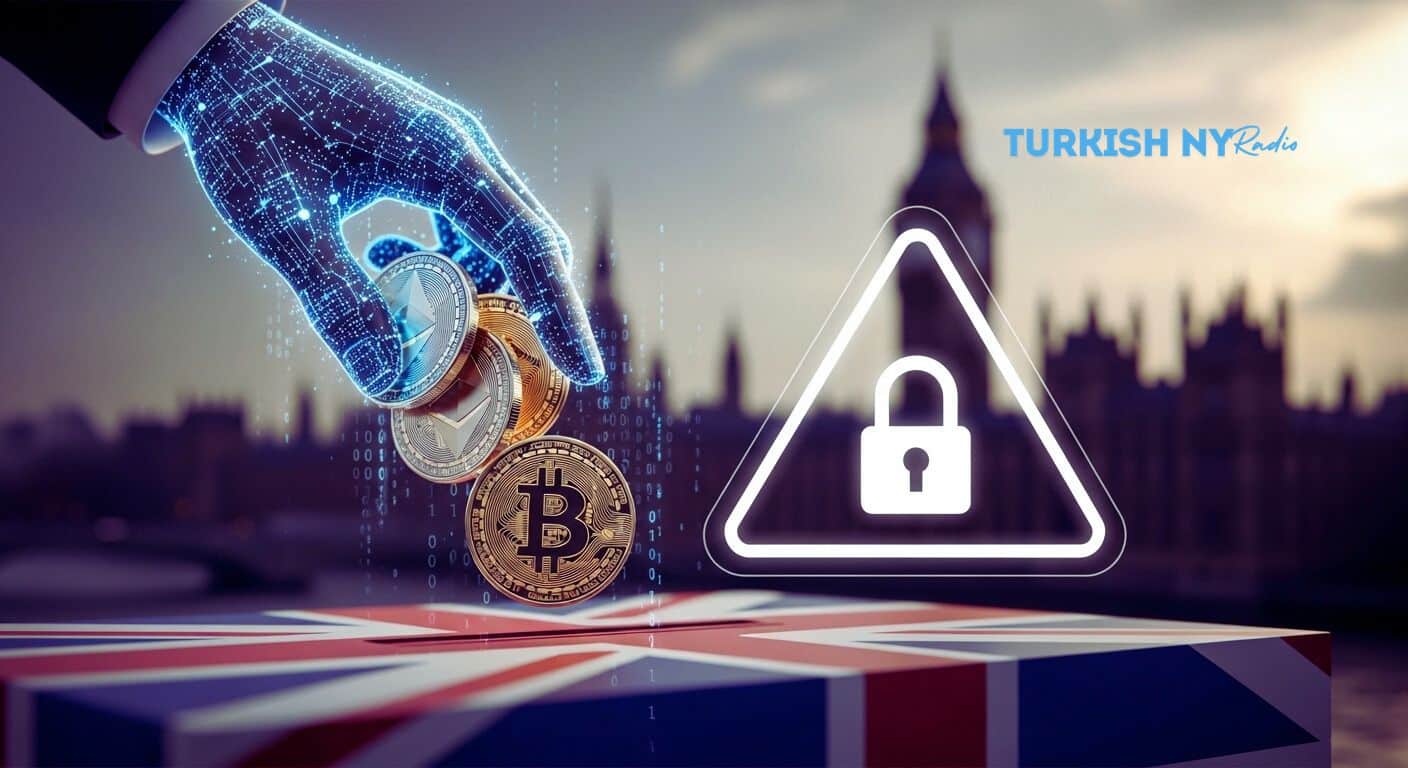
A senior UK lawmaker has called for a temporary suspension of crypto political donations, warning that digital assets could create vulnerabilities in Britain’s electoral finance system.


Matt Western, Chair of Parliament’s Joint Committee on National Security Strategy, formally urged the government to introduce a short-term moratorium through the Representation of the People Bill.
The letter, published on the UK Parliament website, outlines concerns that foreign actors could exploit crypto political donations to influence UK politics before the next general election.
According to the official correspondence, Western wrote,
“We are concerned that foreign state intent to interfere in UK political finance may grow out to the next election.”
He added that as geopolitical tensions rise and the UK’s military engagement in Europe expands, the incentive to influence Britain’s political positions could increase.
The next general election must be held by 15 August 2029, placing pressure on lawmakers to clarify the regulatory framework well before campaigning begins.
Primary source: UK Parliament Joint Committee on National Security Strategy letter to the Secretary of State.
Why Crypto Political Donations Face Scrutiny
Digital assets operate on transparent blockchains such as Bitcoin and Ethereum, where transaction histories are publicly visible. However, wallet addresses are pseudonymous unless tied to verified identities through regulated service providers.
According to the Ethereum Foundation’s official documentation and transaction data available through Etherscan, blockchain activity can be traced technically, but identifying the individual behind a wallet requires compliance checks outside the blockchain itself.
Western argues that without clear statutory guidance, crypto political donations could introduce loopholes into existing electoral safeguards. Earlier this year, a group of parliamentary committee chairs proposed a full ban.
That proposal was not included when the Representation of the People Bill was introduced in the House of Commons on 12 February.
At present, crypto political donations remain legal in the UK, provided donors meet eligibility requirements under electoral law.
Proposed Safeguards: FCA Registration and Mixer Restrictions
Rather than an outright prohibition, Western’s latest proposal suggests a temporary pause until the Electoral Commission issues formal guidance.
He recommends that political parties only use crypto service providers registered with the Financial Conduct Authority (FCA), the UK’s financial regulator responsible for anti-money laundering compliance.
The letter also calls for restrictions on donations involving crypto mixers or funds from unverifiable sources. Compliance research published by blockchain analytics firms such as Chainalysis and TRM Labs has documented how mixers can obscure transaction trails, raising concerns in enforcement circles.
Another proposed safeguard would require parties receiving crypto political donations to convert digital assets into fiat currency within 48 hours. The intention is to reduce exposure to price volatility and limit the possibility of holding speculative crypto assets as campaign funds.
These measures reflect an effort to align crypto political donations with the same transparency expectations applied to traditional financial contributions.
Reform UK’s Move Into Crypto Fundraising
The debate gained momentum after Reform UK became the first British political party to accept crypto political donations. Party leader Nigel Farage announced at the Bitcoin 2025 conference in Las Vegas that the party would accept Bitcoin and other cryptocurrencies from eligible donors.
There is no indication of wrongdoing connected to Reform UK’s fundraising approach. However, its decision placed digital assets firmly on the UK’s electoral reform agenda.
Bitcoin is currently trading above $68,000, based on publicly available exchange data, underscoring the scale of financial flows possible through digital channels.

Longer-Term Reform Under Discussion
Beyond the immediate moratorium, Western proposed structural changes, including a clearer national enforcement lead for political finance oversight.
He noted that responsibilities are currently distributed across multiple agencies, including the Electoral Commission, the National Crime Agency, and MI5.
He also suggested enhanced source-of-wealth checks for donors and stronger penalties for breaches of electoral finance law.
The Representation of the People Bill is scheduled for further debate in early March. Whether lawmakers adopt restrictions on crypto political donations remains uncertain, but the issue is now firmly embedded in the UK’s broader discussion on election security and digital finance oversight.
Summary
- A senior UK lawmaker is calling for a temporary pause on crypto political donations over foreign interference concerns.
- The proposal would form part of the Representation of the People Bill.
- Suggested safeguards include using FCA-registered platforms and blocking anonymous or mixer-linked funds.
- Reform UK’s decision to accept Bitcoin donations brought urgency to the debate.
- Broader reforms may strengthen oversight and enforcement of election finance rules.
Glossary of Key Terms
1. Crypto Political Donations
These are political contributions made using digital currencies like Bitcoin instead of regular money. It’s similar to donating online, but with cryptocurrency.
2. Cryptocurrency
Digital money that lives on the internet. Unlike cash in your wallet, it isn’t issued by a bank and is stored electronically.
3. Blockchain
A shared online record that tracks every crypto transaction. Imagine a public notebook where every payment is written down for transparency.
4. Bitcoin
The most well-known cryptocurrency. It works like digital cash that can be sent directly to someone without needing a traditional bank.
5. Electoral Commission
The UK body that oversees elections and political donations. Think of it as the rule-keeper that ensures campaigns follow the law.
6. Financial Conduct Authority (FCA)
The UK regulator that supervises financial firms, including some crypto companies, to prevent fraud and protect consumers.
7. Crypto Mixer
A service that blends crypto transactions together, making it harder to trace where funds originally came from.
8. Foreign Interference
When another country tries to influence a nation’s politics or elections, often through hidden funding or strategic pressure.
FAQs About Crypto Political Donations
1. What exactly are crypto political donations?
Crypto political donations are campaign contributions made using digital currencies like Bitcoin. They are legal in the UK, but detailed rules for handling them are still developing.
2. Why are UK lawmakers worried about crypto political donations?
Some lawmakers fear anonymous wallets or foreign actors could misuse crypto donations. They want clearer safeguards in place before the next general election cycle.
3. What changes could political parties face under new rules?
Proposals suggest using FCA-registered platforms, rejecting anonymous funds, and converting crypto into pounds quickly to limit price swings and improve financial transparency.


4. What happens next for crypto political donations?
Parliament will continue debating election reforms. The Electoral Commission may soon issue guidance that clarifies how crypto donations should be verified and reported.