This article was first published on TurkishNY Radio.
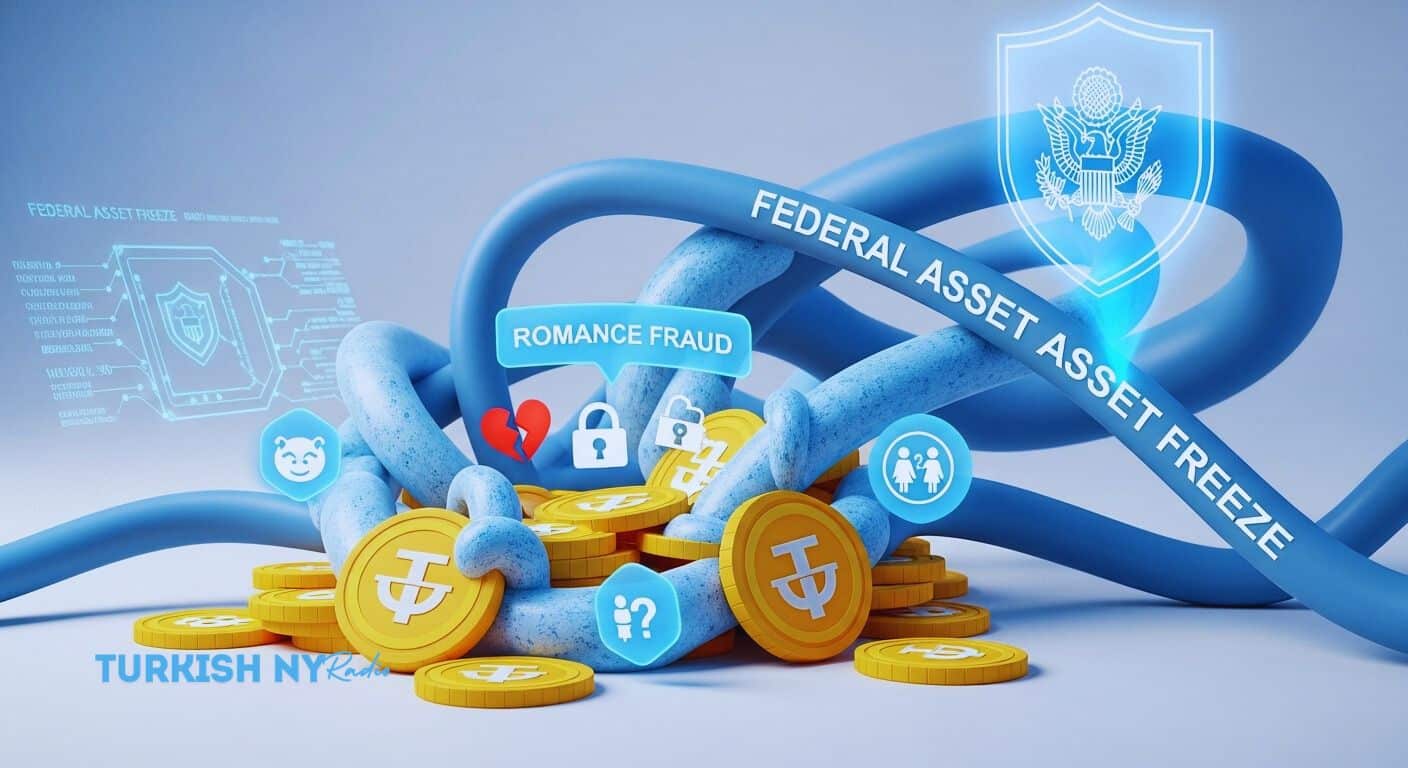
U.S. federal prosecutors are moving to recover 327,829.720952 USDt worth roughly $327,829 after tracing the stablecoins to what authorities describe as an online romance fraud scheme that targeted a Massachusetts resident.


In a March 2 press release, the U.S. Attorney’s Office for the District of Massachusetts confirmed it had filed a civil forfeiture action tied to the alleged scam.
According to the Department of Justice, the victim was first contacted in November 2024 by someone using the name “Linda Brown” through an online platform. What began as a personal connection soon shifted toward discussions of cryptocurrency investing.
Prosecutors allege the so-called investment opportunity was fraudulent from the outset. The victim was encouraged to transfer funds, which were later converted into USDt and routed across multiple cryptocurrency wallets.
Inside the USDt Romance Fraud Scheme Trail
The Justice Department stated that investigators traced portions of the victim’s money to several unhosted cryptocurrency wallets. These wallets were seized in August 2025 as part of a broader investigation.
“The complaint alleges that all cryptocurrency associated with those wallets was property involved in money laundering,”
federal authorities said.
Blockchain analysis tools were used to follow the digital trail. Once converted into USDt, funds can move quickly across wallets, exchanges, and blockchain networks.
However, unlike decentralized cryptocurrencies such as Bitcoin, USDt is issued by a centralized entity, meaning transactions can sometimes be restricted if wallet addresses are flagged.


This structural feature has become increasingly relevant in enforcement actions involving a USDt romance fraud scheme or similar laundering cases.
USDt Romance Fraud Scheme and Enforcement
USDt, issued by Tether, is one of the largest dollar-pegged stablecoins in circulation. Because it operates under issuer control, Tether can blacklist wallet addresses and freeze tokens when law enforcement presents evidence of criminal activity.
In a recent statement published in February 2026, Tether said it has frozen approximately $4.2 billion worth of USDt linked to suspected illicit activity since 2023. The company noted that it works alongside global authorities to restrict access to flagged assets.
On-chain contract data visible through blockchain explorers confirms that blacklist functions exist within the USDt smart contract. This capability often plays a role when authorities pursue assets tied to a USDt romance fraud scheme or other crypto-related crimes.
Romance Scams Increasingly Involve Crypto
The timing of the Massachusetts filing comes shortly after Valentine’s Day, a period when federal authorities traditionally warn about romance scams.
In a February advisory, the U.S. Attorney’s Office for the Northern District of Ohio cautioned the public:
“Never send money, gift cards, or cryptocurrency to someone you have not met in person.”
Romance scams frequently follow a predictable pattern. Fraudsters build trust over weeks or months, introduce a seemingly lucrative investment strategy often involving cryptocurrency and then persuade victims to transfer funds. Once money is sent, communication typically slows or stops altogether.
In cases involving a USDt romance fraud scheme, stablecoins are often used because they maintain a consistent dollar value and are widely accepted across exchanges.
What Happens Next
The civil forfeiture process allows the government to formally seize assets connected to alleged criminal conduct. However, any third parties who believe they have legitimate claims to the funds may contest the action in court.
If successful, authorities may return recovered funds to the victim.
For now, the case underscores two realities crypto transactions remain traceable when investigators apply blockchain analytics, and stablecoins such as USDt can be frozen when tied to unlawful activity.
As enforcement agencies refine their approach to digital asset crime, cases involving a USDt romance fraud scheme may continue to test how centralized stablecoins intersect with decentralized financial networks.
Summary
- Federal prosecutors in Massachusetts are trying to recover about $327,829 in USDt after tracing the funds to an alleged online romance scam that began in 2024.
- Investigators say the victim was convinced to invest in crypto, with the money later moved across several digital wallets before being seized in August 2025.
- Officials are reminding the public never to send cryptocurrency to someone they have only met online.
Glossary of Key Terms
1. USDt (Tether)
USDt is a type of cryptocurrency designed to stay equal in value to the U.S. dollar. It’s commonly used for trading, transfers, and holding digital dollars on blockchain networks.
2. USDt Romance Fraud Scheme
This refers to a scam where someone builds trust online, often through dating platforms, and then convinces a victim to send USDt for a fake investment or emergency.
3. Civil Forfeiture
A legal process that allows the government to take control of assets suspected of being linked to illegal activity, even before a criminal conviction is finalized.
4. Unhosted Wallet
A crypto wallet that individuals control themselves, rather than one managed by an exchange. The owner holds the private keys and is fully responsible for security.
5. Blockchain Analytics
Technology used to track cryptocurrency transactions on public blockchains. Investigators rely on these tools to follow the movement of funds between digital wallets.
6. Blacklisting or Token Freeze
Some cryptocurrencies, including USDt, allow the issuer to freeze funds in specific wallets if they are connected to suspected criminal activity.
7. Crypto Money Laundering
The act of moving stolen or illegal cryptocurrency through multiple wallets or exchanges to hide its original source and make tracing more difficult.
8. Stablecoin Compliance Controls
Safeguards built into certain stablecoins that allow issuers to monitor suspicious activity and cooperate with law enforcement when necessary.
FAQs About USDt Romance Fraud Scheme
1. What is the USDt romance fraud scheme in this case?
It involves an online scam where someone built trust with a victim, promoted a fake crypto investment, and persuaded them to send USDt that was later traced.
2. How were authorities able to track and recover the USDt funds?
Investigators followed the digital transaction trail using blockchain analysis tools. Because USDt can be restricted, prosecutors moved to seize the allegedly laundered assets.
3. Can USDt really be frozen by the company that issues it?
Yes. Tether has the ability to blacklist specific wallet addresses and freeze tokens when law enforcement provides evidence linking funds to suspected criminal activity.
4. How can people protect themselves from romance crypto scams?
Avoid sending money or cryptocurrency to someone you have only met online. Be cautious of sudden investment offers and report suspicious activity immediately.