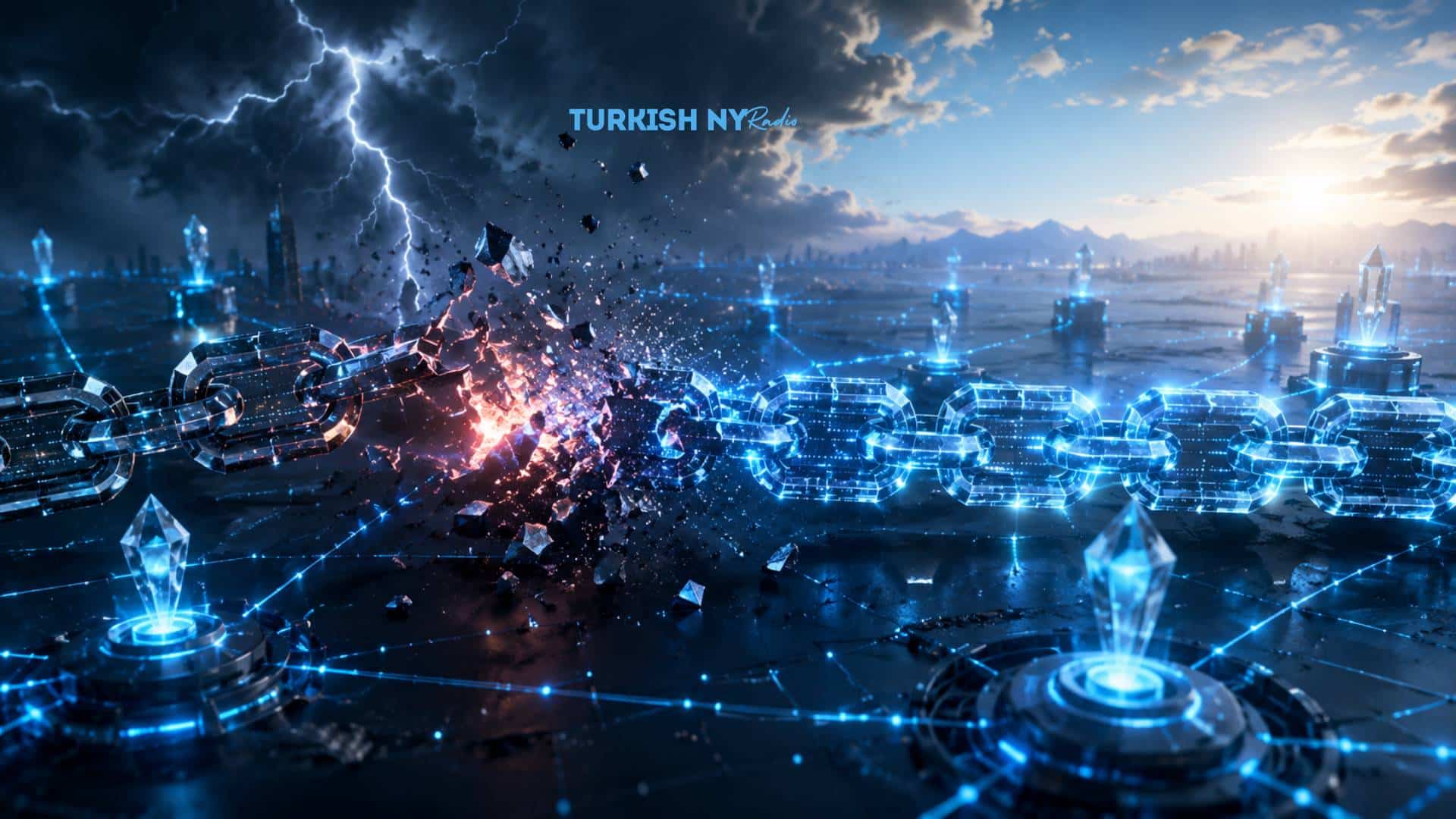
The latest Sui Network outage has put one of crypto’s fastest layer-1 blockchains under fresh pressure after a technical bug paused mainnet settlement for nearly 6 hours. The network came back online after validators upgraded to a fix, restoring transaction flow and easing immediate concern among users. Still, the incident has left a bigger question hanging over Sui: can a blockchain built for speed also prove it can stay dependable when real money, DeFi apps, and traders are moving at full tilt?
What Happened During the Network Halt
The Sui Network outage began when mainnet settlement was disrupted by a crash bug tied to gas charging logic in a recent software release. In plain English, gas charging is the system that helps calculate transaction costs. When that layer breaks, validators can struggle to process activity safely.


The team moved from investigation to fix deployment within the same day. Once validators representing more than 2/3 of staked voting power upgraded, the chain resumed. That threshold matters because Sui uses a Delegated Proof-of-Stake model, where validators help confirm transactions based on their stake weight.
No confirmed evidence suggested that user funds were stolen. That is important. This was a network reliability issue, not a reported exploit. But in crypto, downtime still carries weight because users expect public blockchains to operate like financial rails, not like a website that can briefly go offline.
Why the Sui Network outage Matters for Traders
The market reaction was not surprising. SUI slipped as traders priced in uncertainty, while short-term holders watched liquidity closely. For crypto assets, price is only one signal. Network uptime, validator coordination, developer confidence, and trading volume all matter because they shape the market’s trust in the chain.
The Sui Network outage also arrived at a sensitive time for layer-1 competition. Sui has promoted fast transactions, low fees, and strong developer tools. Those are valuable features, yet reliability is the quiet backbone of any blockchain. A fast road is less useful if traffic can suddenly stop.
For traders, the key indicators are simple. Price action shows immediate sentiment. Volume shows whether buyers are stepping back in or leaving the market thin. Open interest can reveal whether leveraged traders are adding risk after the drop. Total value locked shows whether DeFi users are staying put or pulling funds away.
Developer Confidence Faces a Real Test
The Sui Network outage is not only a market event. It is also a developer trust test. Builders need predictable infrastructure. If apps cannot settle transactions, users may blame the app, even when the chain itself is the problem.
That does not mean Sui’s long-term case is broken. Every major blockchain has faced stress in one form or another. The difference is how quickly teams explain the issue, patch it, and prevent a repeat. In that sense, the next incident report may matter almost as much as the outage itself.

What Investors Should Watch Next
Investors should watch 3 areas after the Sui Network outage. First, the post-incident review should explain the bug clearly and show what safeguards are being added. Second, validator response time should be assessed because fast upgrades are crucial in proof-of-stake systems. Third, SUI’s price should be measured against usage data, not social media noise.
If SUI holds key support and on-chain activity normalizes, the market may treat the event as a technical setback. If liquidity dries up and developers slow deployments, the Sui Network outage could become a larger confidence problem.
Conclusion
The Sui Network outage has reminded the market that blockchain performance is not only about speed, branding, or peak transactions. It is about staying online when users need the chain most. Sui’s recovery shows validator coordination worked, but the real test is prevention. For now, the network is back, yet investors and builders will want proof that the same type of failure will not return through the side door.
Frequently Asked Questions
What caused the Sui Network outage?
The Sui Network outage was linked to a crash bug in gas charging logic, which disrupted mainnet settlement and paused normal transaction activity.
Were user funds lost during the outage?
There was no confirmed report of stolen user funds. The issue was technical downtime, not a reported hack or asset theft.
Why did validators matter in the recovery?
Validators had to upgrade to the fix. Once more than 2/3 of staked voting power upgraded, the network was able to resume activity.
Could SUI price fall further?
It could, especially if confidence weakens or liquidity drops. Traders should monitor volume, support levels, open interest, and DeFi activity.
Glossary of Key Terms
Mainnet: The live blockchain network where real transactions take place.
Validator: A network operator that helps confirm transactions and secure the chain.
Gas Fee: The cost paid to process a blockchain transaction.
Delegated Proof-of-Stake: A system where token holders delegate stake to validators that help run the network.
Liquidity: The ease with which an asset can be bought or sold without sharp price movement.
Sources
Disclaimer: This article is for informational purposes only and should not be taken as financial advice. Crypto assets are volatile, and readers should do their own research before making investment decisions.