A new legal fight in Minnesota is testing where financial regulation ends and state gambling law begins. The Commodity Futures Trading Commission has sued Minnesota after Governor Tim Walz signed a law that would make operating or helping operate certain event-contract platforms a felony from August 1, 2026.
The agency is seeking a preliminary injunction, arguing that federally regulated contracts cannot be criminalized state by state. For crypto traders and fintech builders, the case is bigger than one state. It could decide how prediction markets are treated nationwide.


Prediction markets face a federal-state test
The Minnesota law targets platforms where users trade on real-world outcomes, including sports, politics, and weather. State officials say the ban is meant to limit gambling harm and protect vulnerable users. The CFTC says listed contracts sit inside the federal derivatives system.
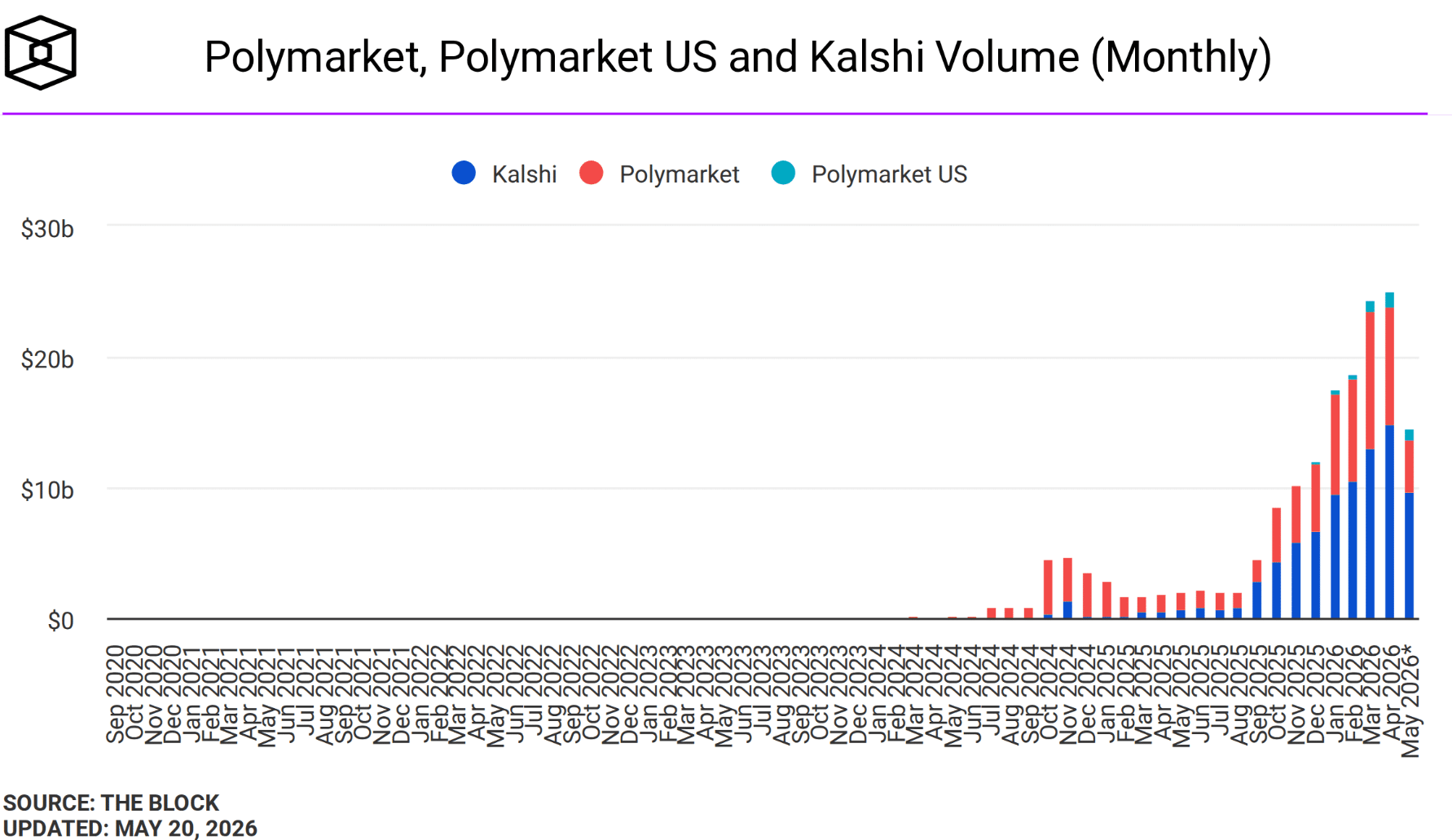
That split matters because prediction markets now overlap with crypto-style trading habits. Users expect fast pricing, liquid order books, and 24/7 speculation. In practice, many event contracts behave less like casino wagers and more like binary financial instruments, although critics still see gambling risk.
Why crypto traders are watching
The crypto sector is watching because prediction markets often attract the same users who trade tokens, memecoins, and on-chain derivatives. Event-based trading can move quickly during elections, sports seasons, and macro policy debates. If one state can ban access outright, others may try the same route.
The CFTC’s argument is familiar to crypto markets. It says federal law should create one clear rulebook, not 50 different enforcement maps. That is the same tension seen in digital asset policy, where exchanges and token issuers face overlapping federal and state views.
Key indicators for crypto and event traders
The first indicator is legal jurisdiction. If the court sides with the CFTC, prediction markets could gain stronger protection as federally supervised products. If Minnesota wins, state bans may become a larger operational risk.
The second indicator is liquidity as event-contract platforms need broad user access to keep pricing efficient. A patchwork of bans can reduce volume, widen spreads, and weaken market signals.
The third indicator is compliance cost. Crypto-linked trading firms already spend heavily on legal review, geofencing, KYC controls, and risk monitoring. A state-by-state model would likely raise those costs again.
The fourth indicator is policy momentum. The case may influence tokenized derivatives, sports contracts, election markets, and products sitting between finance and entertainment.
Conclusion
Minnesota’s ban has turned prediction markets into a national test case for financial authority, consumer protection, and digital trading access. The CFTC wants one federal lane for regulated event contracts, while Minnesota wants power to block what it views as gambling risk. The outcome may not arrive quickly, but the signal is clear: event trading is no longer a fringe corner of finance. It is part of the wider fight over modern market rules.
Frequently Asked Questions
What is the CFTC challenging?
The agency is challenging Minnesota’s law that would make operating or assisting certain prediction markets a felony from August 1, 2026.
Why does this matter to crypto?
Crypto users often trade event-based products, and the case may shape how similar digital markets are regulated.
Could other states follow Minnesota?
Other states may pursue similar restrictions if courts allow Minnesota’s approach to stand.
Glossary of Key Terms
Prediction markets: Platforms where users trade contracts tied to real-world outcomes.
Event contracts: Financial contracts that settle based on whether a specific event happens.
Derivatives: Instruments whose value depends on an underlying asset, event, or condition.
Geofencing: Technology used to restrict access by location.
Sources
Commodity Futures Trading Commission
Disclaimer: This article is for informational purposes only and is not financial, legal, or investment advice.