



Global markets are uneasy as digital assets retreat from recent highs and gold hovers near record levels. In the middle of this shift, Peter Schiff has renewed his long campaign against Bitcoin by accusing MicroStrategy of running a fragile business model built around an oversized Bitcoin treasury.
His challenge to Michael Saylor for a public Schiff and Saylor debate in Dubai turns a balance sheet argument into a headline showdown over the future of money.


Supporters of the company see a deliberate attempt to turn excess cash and low-yielding fiat into a scarce digital asset. Critics argue that the approach exposes shareholders to volatility that belongs in a hedge fund, not in a listed software firm.
As tension builds around the Schiff and Saylor debate, the market is effectively being asked to judge whether this strategy reflects vision or reckless leverage.
MicroStrategy, Leverage and the Bitcoin Treasury Experiment
At the core of the dispute is a simple but high impact choice. MicroStrategy has issued debt and preferred style instruments in order to increase its Bitcoin exposure. The firm then holds this Bitcoin as a primary treasury reserve. In a rising market, this can produce powerful gains because both the asset and the equity premium move in the same direction.
Schiff warns that this structure depends on investors who are willing to buy securities that advertise attractive yields. If those investors begin to doubt the sustainability of payments, he believes they could move out rapidly and force the company to refinance on tougher terms.
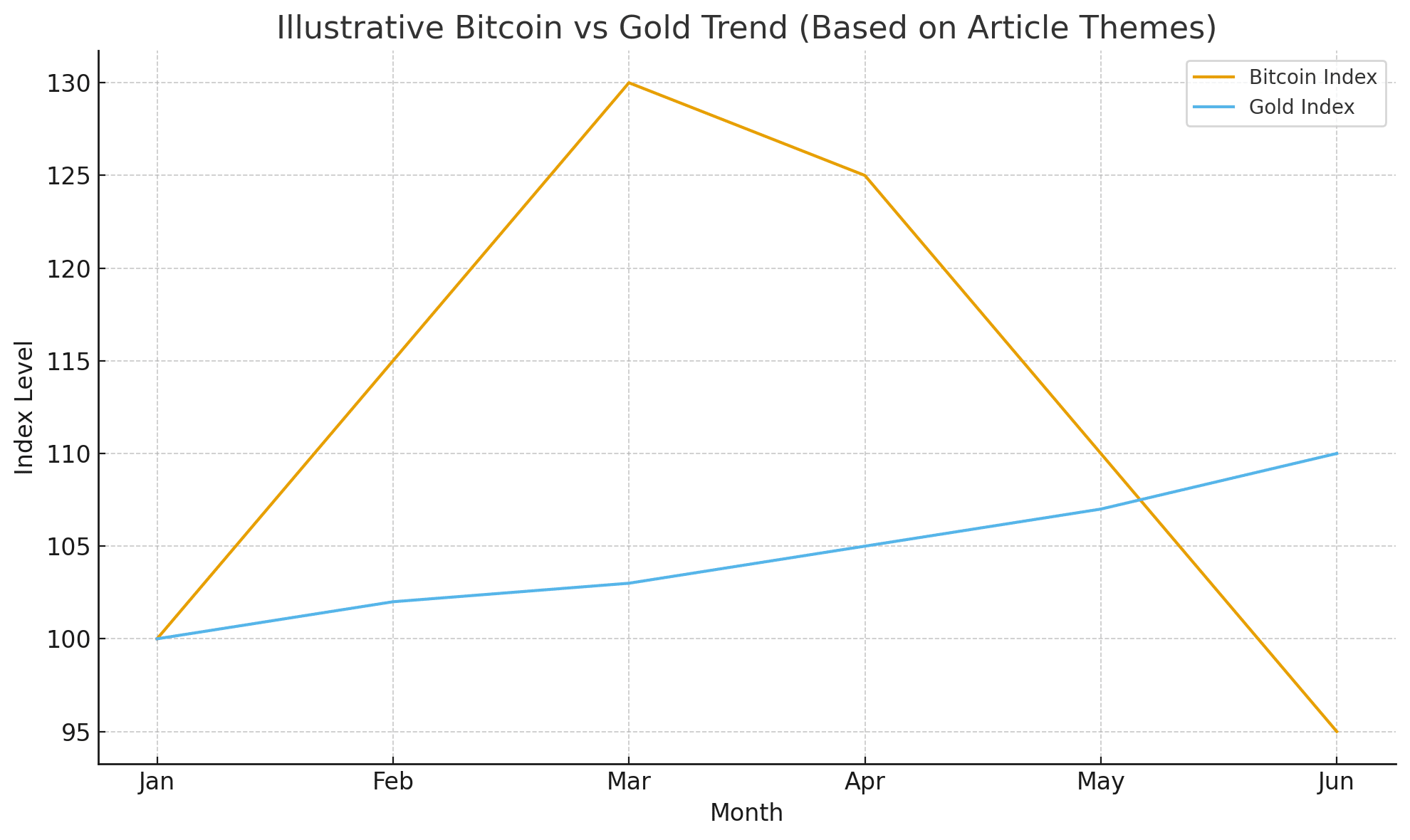
For observers who follow the Schiff and Saylor debate, the real concern is not a single quarter of volatility, but the risk of a negative spiral in a prolonged bear market.
Bitcoin, Gold and the Search for a Reliable Store of Value
The clash also reflects a deeper argument about which asset deserves the role of modern store of value. Gold has a centuries-long history, physical scarcity, and a reputation for holding purchasing power during inflationary periods. Bitcoin offers programmed scarcity, transparent issuance and global transferability, but it still trades with sharp swings that test investor conviction.
The Schiff and Saylor debate presents these choices in stark form. Schiff points to gold’s stability and historical record. Saylor highlights Bitcoin’s fixed supply, network security and growing institutional adoption. Investors who watch this conversation are effectively weighing tradition against technology and stability against asymmetric upside.
Dubai Stage, Global Audience
The proposed venue adds more weight to the narrative. A Schiff and Saylor debate in Dubai would unfold in a region that has positioned itself as a hub for digital asset innovation and regulated experimentation. Policymakers, family offices, and trading firms in that region pay close attention to high-profile discussions that blend macro themes with concrete balance sheet decisions.

For professionals who manage capital, the Schiff and Saylor debate is more than entertainment. It feeds into internal discussions about whether to keep reserves in cash, short dated bonds, gold, Bitcoin or a mix of all three. Risk committees will focus on leverage levels, liquidity in stressed markets and the legal framework that governs corporate holdings of volatile assets.
Lessons for Investors and Readers
For everyday market participants, the practical lesson from the Schiff and Saylor debate is that strong personalities do not remove the need for careful analysis.
Leverage can improve returns, but it can also increase the chance of forced selling at the worst possible time. Any allocation to Bitcoin, gold or crypto related equities should be sized with clear risk limits, a realistic time horizon and professional advice where required.
Conclusion
The growing focus on this high profile dispute shows how far digital assets have moved into mainstream financial debate. The Schiff and Saylor debate may result in sharp sound bites, but the real test will always be in audited numbers, transparent disclosures and market behavior during stress.
As companies and investors decide how to hold value in an uncertain world, the choice between gold, Bitcoin, and traditional instruments will remain open, and it will reward those who combine open-minded curiosity with disciplined risk management.
This article is for informational purposes only and does not constitute financial advice.
Frequently Asked Questions
What is the main issue in the Schiff and Saylor debate?
The central issue in the Schiff and Saylor debate is whether a public company should rely on large, leveraged Bitcoin positions as a core treasury strategy.
Could this debate change how other companies treat Bitcoin?
The Schiff and Saylor debate could influence sentiment among executives and board members who are already studying digital assets.
Glossary of Key Terms
Bitcoin
A decentralized digital currency that operates on a public blockchain and has a capped supply of 21 million coins.
Gold
A precious metal widely used as a store of value and hedge against inflation and currency risk.
Treasury reserve asset
An asset, such as cash, bonds, gold or Bitcoin, that a company holds on its balance sheet to preserve value and manage liquidity.
Leverage
The use of borrowed money or financial instruments to increase exposure to an asset, which can magnify both gains and losses.
References