
This article was first published on TurkishNY Radio.
Ripple has taken a new step in the Middle East by partnering with a major Saudi banking institution. The blockchain firm is working with Jeel, the innovation arm of Riyad Bank, to explore blockchain use inside Saudi Arabia’s financial system.


The move highlights growing institutional interest in blockchain infrastructure. It also signals a gradual shift in how Saudi banks approach digital assets.
Ripple and Jeel Sign MoU to Support Vision 2030 Blockchain Goals
The partnership was announced on Monday by Reece Merrick, Ripple’s Managing Director for the Middle East and Africa. He confirmed that Ripple and Jeel signed a memorandum of understanding.

The agreement focuses on cross-border payments, digital asset custody, and asset tokenization. These areas are central to modern financial infrastructure.


Also Read: Ripple XRP Appeals Update: SEC Files Status Report as Court Ruling Nears
The collaboration aligns with Saudi Arabia’s Vision 2030 strategy. Vision 2030 aims to diversify the economy and modernize financial systems.
Blockchain technology is increasingly viewed as a tool to support these goals. The company’s involvement places it within a key institutional framework.
Partnership With Riyad Bank’s Innovation Arm
Riyad Bank is one of Saudi Arabia’s largest lenders. It reported more than $130 billion in assets as of mid-2025. Jeel Movement operates as its innovation unit.
The group focuses on testing and deploying new financial models. Working with Jeel gives Ripple direct access to Saudi Arabia’s banking ecosystem.
Focus on Cross-Border Payments
A core focus of the agreement is cross-border payments. The company will explore how blockchain can improve transaction speed. Cost reduction is another priority. Saudi Arabia handles large international payment flows. These include trade settlements and worker remittances.
The partnership also covers digital asset custody. Secure storage remains a key concern for institutions. Tokenization of real-world assets is another focus area.
This includes financial instruments and trade-related assets. Ripple has experience supporting these use cases through its infrastructure.
Saudi Arabia’s Gradual Policy Shift
Saudi Arabia has taken a cautious approach to blockchain adoption. Regulatory clarity has developed slowly. However, institutional partnerships suggest growing openness. The platform collaboration reflects controlled experimentation. It signals trust in enterprise-grade blockchain systems.
UAE Leads Regional Blockchain Adoption
The wider Middle East has moved faster, led by the United Arab Emirates. Dubai and Abu Dhabi introduced digital asset frameworks.
These cover exchanges, custodians, and stablecoin issuers. Clear rules attracted global firms. The company expanded its presence through this regulatory environment.
Ripple’s Regulatory Progress in the UAE
Ripple secured regulatory approval for its Ripple USD stablecoin in the UAE. The stablecoin targets institutional payments and settlement. This approval strengthened Ripple’s standing with regulators. It also supported expansion across the region.
XRP Ledger Reaches Tokenization Milestone
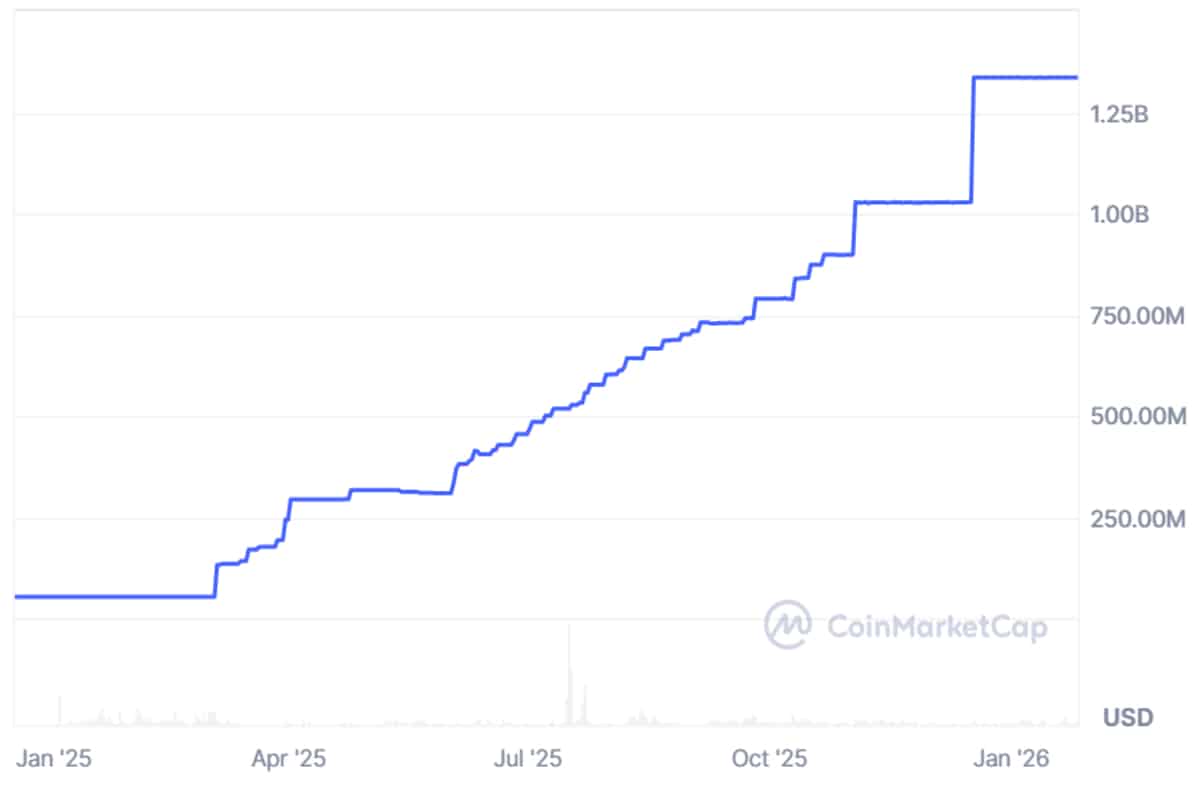
Global tokenization activity continues to rise. The XRP Ledger recently surpassed $1 billion in onchain tokenized assets.
Growth came from tokenized U.S. Treasury products and funds. RLUSD adoption also contributed. The asset now trades on major platforms, including Binance.
Jeel’s Role in Regulatory Alignment
Jeel Movement acts as a bridge between banks, startups, and regulators. This role supports compliance-focused innovation.
New systems must align with Saudi regulations. The company benefits from Jeel’s local expertise. This reduces integration risk.
Implications for Regional Finance
Ripple’s infrastructure could support high-volume settlements in Saudi Arabia. Cross-border payments remain a key use case.
Over time, tokenized securities may follow. These developments could improve efficiency. They could also reduce operational costs.
Strategic Importance for Ripple
The platform has built partnerships across the Middle East. The Saudi agreement strengthens its regional footprint. Institutional adoption remains central to Ripple’s strategy. The partnership supports long-term infrastructure development rather than speculation.
Conclusion
Ripple’s partnership with the Jeel Movement marks a significant institutional step in Saudi Arabia. The deal supports payments, custody, and tokenization use cases.
It aligns with Vision 2030 objectives. As regulatory clarity improves, the platform’s role in the region is likely to expand.
Also Read: Why Hoskinson Says the CLARITY Act Could Lock Crypto Into Bad Regulation
Appendix: Glossary of Key Terms
Ripple: A blockchain company focused on enterprise payments and financial infrastructure
Riyad Bank: One of Saudi Arabia’s largest banks by total assets
Jeel Movement: The innovation arm of Riyad Bank, driving financial technology adoption
Vision 2030: Saudi Arabia’s national strategy to modernize its economy and finance sector
Cross-Border Payments: International money transfers between financial institutions
Digital Asset Custody: Secure storage and management of digital assets
Asset Tokenization: Converting real-world assets into blockchain-based tokens
XRP Ledger: A public blockchain designed for payments and settlement efficiency
Frequently Asked Questions About Ripple’s Saudi Partnership
1- What is the purpose of Ripple’s Saudi partnership?
The goal is to explore blockchain use in payments, custody, and tokenization.
2- Who is Ripple partnering with in Saudi Arabia?
Ripple is working with Jeel Movement, the innovation arm of Riyad Bank.
3- Why is Riyad Bank important?
It is one of Saudi Arabia’s largest banks with over $130 billion in assets.
4- How does this support Vision 2030?
The project helps modernize financial infrastructure and digital services.