![BitTorrent [New]](https://s2.coinmarketcap.com/static/img/coins/64x64/16086.png)



This article was first published on TurkishNY Radio.
India’s central bank has renewed its warning on private crypto. Speaking in Mumbai at a banking and finance conclave, Reserve Bank of India Deputy Governor T. Rabi Sankar said cryptocurrencies and stablecoins cannot be treated as money and can threaten monetary stability and the financial system if adoption grows.


Why the RBI says crypto does not qualify as money
Sankar’s starting point is trust: money has an issuer and a promise to pay. He argued that most cryptocurrencies do not meet those basics because they have no issuer, no intrinsic value, and no enforceable promise, leaving valuation driven by speculation. He also said tokens with no underlying cash flows do not fit the traditional idea of financial assets.
What makes stablecoins more sensitive than volatile coins
Stablecoins aim to hold a steady value, typically by tracking a fiat currency such as the U.S. dollar. That stability is why the RBI watches them closely. Sankar said stablecoins lack the basic attributes of modern money and that their claimed benefits are largely unproven outside crypto trading.
He flagged concrete macro risks. Currency substitution and dollarization can follow if people begin settling and saving in private tokens. Monetary-policy transmission can weaken if value shifts away from deposits and bank credit. He also warned that deposit leakage could raise bank funding costs and increase reliance on central-bank liquidity, adding systemic strain.
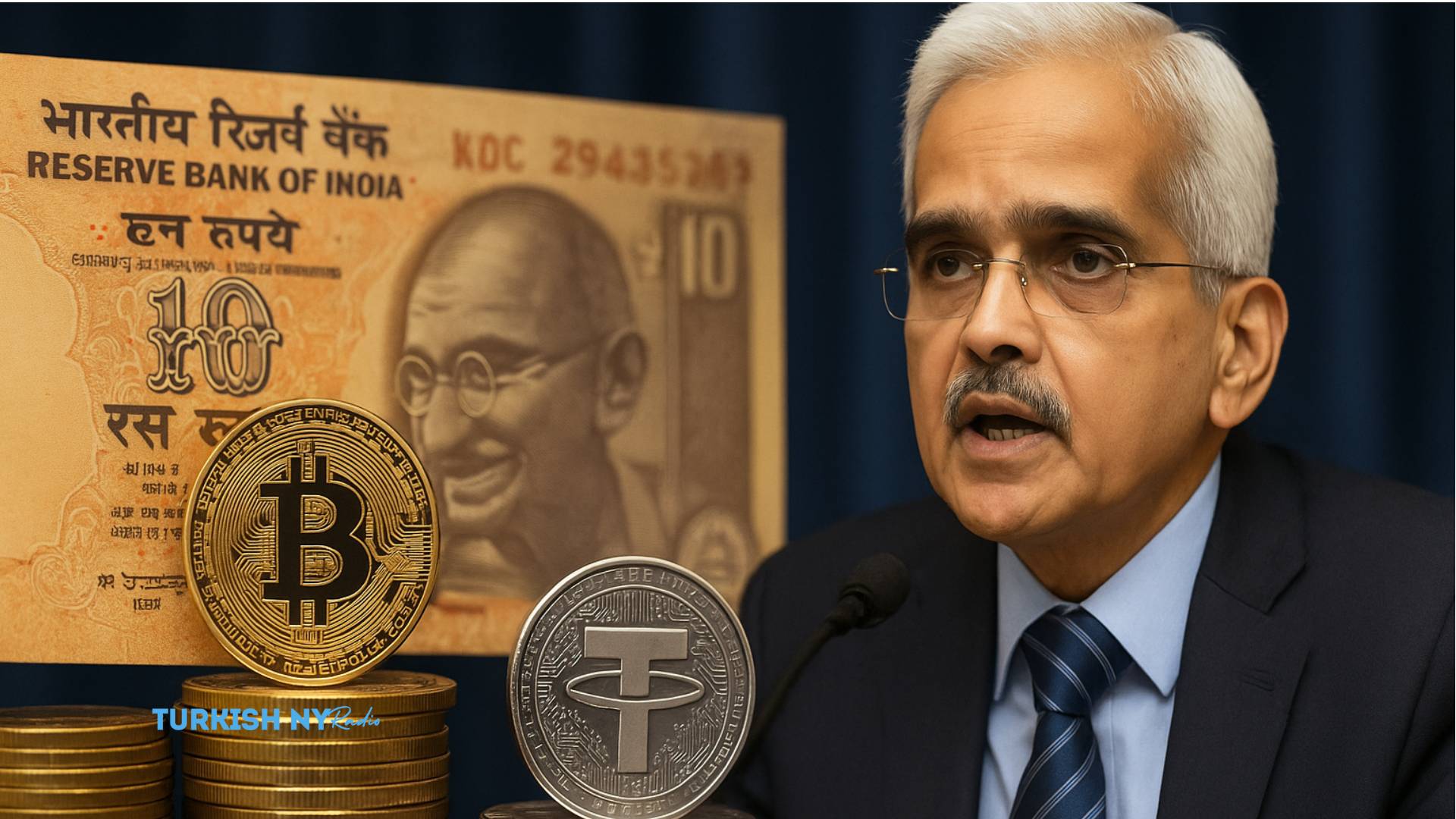
Sankar also raised a design problem: a stablecoin-heavy system can multiply money-like instruments into many parallel “currencies.” He questioned whether major stablecoins offer an unconditional promise to redeem at par, which is the detail that matters when confidence breaks.
India’s payments reality raises the bar
Officials have argued that India already has fast, low-cost digital payment rails at national scale, reducing the need to import stablecoins into the core financial system. In the RBI’s framing, stablecoins mostly grease trading and leverage inside crypto markets, not everyday commerce.
Global context in one line
Stablecoins have grown into a category with market value above $300 billion, making spillover into payments and apps more likely over time.
Key indicators that will shape the next phase
For readers tracking this debate, a few indicators matter. In stablecoins, reserve quality and liquidity are the first test, including whether reserves are cash-like, how often they are attested, and how redemption works under stress.


For broader crypto, watch real-world utility, regulatory clarity, and whether activity is concentrated in trading or in payments and savings. In India, CBDC adoption metrics, bank deposit trends, and rules on cross-border flows will signal how quickly policy is tightening.
India’s preferred path: sovereign-backed digital cash
Sankar positioned central bank digital currency as the cleaner solution. A digital rupee can offer digital settlement while keeping issuance and redemption inside the sovereign trust framework. India’s retail and wholesale CBDC pilots have reached about 7 million users.
Conclusion
The RBI is signaling that private money, even “stable” money, will face a high hurdle in India. If that posture holds, crypto trading may continue at the edges, while mainstream digital settlement consolidates around regulated rails and the digital rupee. That shift could reshape compliance, liquidity, and product strategy for platforms.
Frequently Asked Questions
Are stablecoins legal tender in India?
They are not recognized as legal tender and the RBI argues they do not meet the basic features of money.
Is crypto trading banned in India?
Trading is not banned, but it operates under compliance requirements and heavy taxation, while broader policy choices remain under consideration.
Could the RBI still allow some stablecoins under strict rules?
It is possible in theory, but the RBI stance signals a very high bar, focused on monetary control, redemption certainty, and systemic risk.
Glossary of key terms
Monetary stability: A condition where inflation, interest rates, and the currency’s value stay broadly steady, helping the economy plan and price risk.
Currency substitution: When people start using a private token or foreign-linked asset for payments or savings instead of the local currency.
Dollarization: A specific form of substitution where U.S. dollar linked instruments become widely used in a non-U.S. economy.
Redemption at par: The ability to exchange 1 stablecoin for 1 unit of the referenced currency, reliably and on demand, especially during stress.