• Home
  • About Us
  • Terms and Conditions
  • Privacy Policy
  • Disclaimer
  • Contact
9 August Sunday, 2026
  • tr Türkçe
  • en English
TurkishNY Radio
No Result
View All Result
  • Home
  • Cryptocurrency
  • Business
  • Economy
  • Home
  • Cryptocurrency
  • Business
  • Economy
No Result
View All Result
  • tr Türkçe
  • en English
TurkishNY Radio
No Result
View All Result
Bitcoin Bitcoin (BTC) $64,915.45 ↓ -0.08%
Ethereum Ethereum (ETH) $1,919.17 ↓ -0.07%
Tether USDt Tether USDt (USDT) $1.00 ↓ -0.01%
BNB BNB (BNB) $603.73 ↑ 1.51%
USDC USDC (USDC) $1.00 ↓ 0.00%
XRP XRP (XRP) $1.04 ↓ -0.28%
Solana Solana (SOL) $76.33 ↑ 1.73%
TRON TRON (TRX) $0.33 ↑ 0.12%
Hyperliquid Hyperliquid (HYPE) $54.51 ↓ -0.52%
Dogecoin Dogecoin (DOGE) $0.07 ↓ -0.32%
UNUS SED LEO UNUS SED LEO (LEO) $9.74 ↑ 0.44%
Zcash Zcash (ZEC) $524.63 ↑ 3.69%
Cardano Cardano (ADA) $0.20 ↓ -1.84%
Monero Monero (XMR) $380.13 ↑ 1.07%
Chainlink Chainlink (LINK) $8.30 ↓ -0.58%
Stellar Stellar (XLM) $0.16 ↓ -0.78%
Dai Dai (DAI) $1.00 ↑ 0.03%
Bitcoin Cash Bitcoin Cash (BCH) $216.59 ↓ -0.03%
World Liberty Financial USD World Liberty Financial USD (USD1) $1.00 ↓ -0.03%
Ethena USDe Ethena USDe (USDe) $1.00 ↓ -0.01%
Canton Canton (CC) $0.10 ↑ 6.38%
Gram (prev. Toncoin) Gram (prev. Toncoin) (GRAM) $1.34 ↓ -1.68%
Litecoin Litecoin (LTC) $46.09 ↑ 1.08%
Global Dollar Global Dollar (USDG) $1.00 ↑ 0.01%
Hedera Hedera (HBAR) $0.07 ↑ 0.21%
Sui Sui (SUI) $0.69 ↓ -0.08%
PayPal USD PayPal USD (PYUSD) $1.00 ↓ -0.01%
Avalanche Avalanche (AVAX) $6.48 ↓ -0.74%
Shiba Inu Shiba Inu (SHIB) $0.00 ↓ -1.32%
Tether Gold Tether Gold (XAUt) $4,329.70 ↑ 0.15%
Uniswap Uniswap (UNI) $3.98 ↓ -0.19%
Cronos Cronos (CRO) $0.05 ↑ 2.70%
Bittensor Bittensor (TAO) $204.64 ↑ 4.13%
NEAR Protocol NEAR Protocol (NEAR) $1.61 ↓ -0.15%
OKB OKB (OKB) $93.92 ↑ 0.86%
PAX Gold PAX Gold (PAXG) $4,345.49 ↑ 0.21%
Ondo Ondo (ONDO) $0.35 ↓ -1.68%
World Liberty Financial World Liberty Financial (WLFI) $0.05 ↑ 0.99%
Aster Aster (ASTER) $0.60 ↓ -0.11%
Ripple USD Ripple USD (RLUSD) $1.00 ↑ 0.00%
USDD USDD (USDD) $1.00 ↓ -0.01%
MemeCore MemeCore (M) $1.12 ↓ -3.53%
Mantle Mantle (MNT) $0.42 ↓ -1.11%
Aave Aave (AAVE) $90.91 ↑ 0.72%
Polkadot Polkadot (DOT) $0.81 ↓ -1.57%
Sky Sky (SKY) $0.05 ↑ 0.25%
United Stables United Stables (U) $1.00 ↓ -0.02%
Internet Computer Internet Computer (ICP) $2.17 ↑ 2.98%
Pepe Pepe (PEPE) $0.00 ↓ -0.40%
Bitget Token Bitget Token (BGB) $1.63 ↓ -0.71%
Worldcoin Worldcoin (WLD) $0.31 ↑ 0.92%
Audiera Audiera (BEAT) $3.26 ↑ 28.98%
Ethereum Classic Ethereum Classic (ETC) $6.48 ↓ -0.75%
Pump.fun Pump.fun (PUMP) $0.00 ↑ 11.10%
Morpho Morpho (MORPHO) $1.93 ↑ 1.68%
Pi Pi (PI) $0.09 ↓ -1.39%
KuCoin Token KuCoin Token (KCS) $6.72 ↑ 1.04%
Ethena Ethena (ENA) $0.09 ↓ -3.33%
JUST JUST (JST) $0.10 ↑ 1.60%
Polygon (prev. MATIC) Polygon (prev. MATIC) (POL) $0.08 ↑ 2.16%
Stable Stable (STABLE) $0.03 ↓ -0.70%
Algorand Algorand (ALGO) $0.09 ↓ -1.56%
Kaspa Kaspa (KAS) $0.03 ↓ -1.29%
Cosmos Cosmos (ATOM) $1.38 ↓ -1.25%
GateToken GateToken (GT) $6.74 ↑ 0.80%
Quant Quant (QNT) $59.05 ↓ -0.05%
Render Render (RENDER) $1.32 ↓ -0.06%
Jupiter Jupiter (JUP) $0.18 ↑ 0.87%
Lighter Lighter (LIT) $2.34 ↓ -1.11%
Filecoin Filecoin (FIL) $0.71 ↓ -1.66%
XDC Network XDC Network (XDC) $0.03 ↑ 0.97%
Venice Token Venice Token (VVV) $11.52 ↑ 2.42%
Flare Flare (FLR) $0.01 ↑ 1.15%
币安人生 币安人生 (币安人生) $0.52 ↑ 1.09%
Arbitrum Arbitrum (ARB) $0.08 ↓ -2.55%
Aptos Aptos (APT) $0.60 ↓ -1.12%
TrueUSD TrueUSD (TUSD) $1.00 ↓ -0.04%
Nexo Nexo (NEXO) $0.73 ↑ 1.25%
PancakeSwap PancakeSwap (CAKE) $1.44 ↑ 1.61%
EURC EURC (EURC) $1.16 ↓ -0.04%
Injective Injective (INJ) $4.44 ↑ 0.49%
Aerodrome Finance Aerodrome Finance (AERO) $0.42 ↓ -3.06%
VeChain VeChain (VET) $0.00 ↑ 1.58%
Dash Dash (DASH) $31.71 ↑ 1.79%
Pudgy Penguins Pudgy Penguins (PENGU) $0.01 ↑ 1.35%
ether.fi ether.fi (ETHFI) $0.39 ↑ 1.46%
Virtuals Protocol Virtuals Protocol (VIRTUAL) $0.56 ↓ -1.30%
OFFICIAL TRUMP OFFICIAL TRUMP (TRUMP) $1.48 ↓ -0.38%
Curve DAO Token Curve DAO Token (CRV) $0.23 ↑ 2.67%
First Digital USD First Digital USD (FDUSD) $1.00 ↓ -0.03%
Sun [New] Sun [New] (SUN) $0.02 ↑ 0.15%
Pyth Network Pyth Network (PYTH) $0.04 ↑ 8.24%
LayerZero LayerZero (ZRO) $0.84 ↑ 2.45%
Artificial Superintelligence Alliance Artificial Superintelligence Alliance (FET) $0.14 ↓ -1.48%
Midnight Midnight (NIGHT) $0.02 ↓ -2.53%
Sei Sei (SEI) $0.04 ↓ -0.77%
Celestia Celestia (TIA) $0.33 ↓ -1.59%
SPX6900 SPX6900 (SPX) $0.32 ↓ -1.07%
Bitcoin SV Bitcoin SV (BSV) $14.57 ↑ 3.43%
Gnosis Gnosis (GNO) $106.41 ↑ 0.16%
Home News

Private vs Public Keys in Crypto: Protecting Digital Assets the Right Way

Jonathan Swift by Jonathan Swift
24 August 2025
in News, Business, Cryptocurrency, Economy
Reading Time: 5 mins read
0
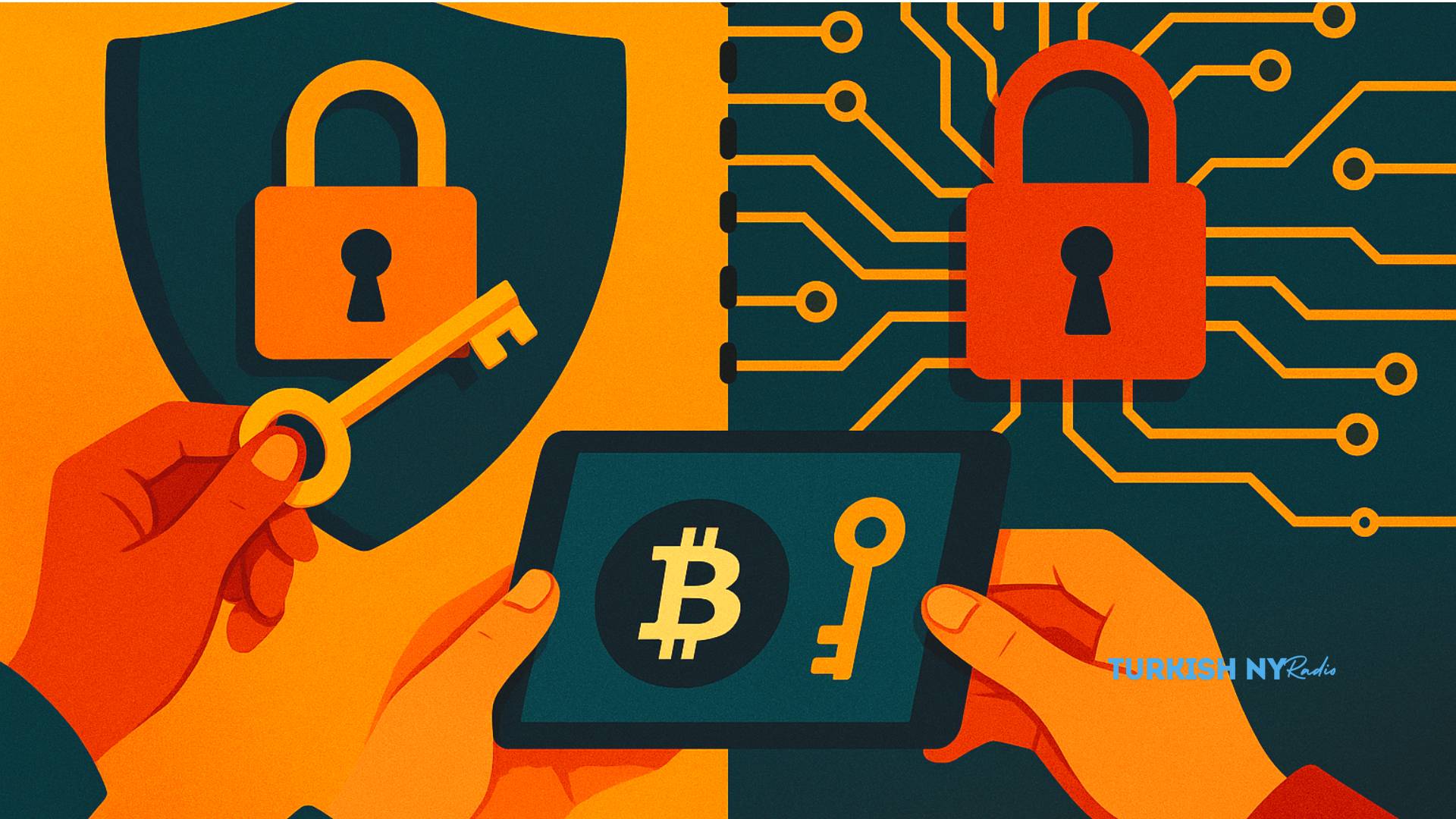
Private vs Public Keys

The Hidden Keys That Guard Digital Fortunes

When the terms Private vs Public Keys are spoken, people’s interest usually rises. These phrases seem like secret codes, yet they constitute the foundation of cryptocurrency security.


Table of Contents

Toggle
    • YOU MAY BE INTERESTED
    • Patrick Witt Questions Why Banks Still Oppose the CLARITY Act
    • South Korea’s Crypto Rules Could Change Stablecoins and Taxes
  • What Makes Private vs Public Keys Work Like Magic in Crypto?
  • How the Keys Secure Crypto Transactions
    • Why These Keys Are Essential to Blockchain Security
  • Security Risks and Their Real-World Impact
  • Future Threat: Quantum Computing vs. Key Security
    • Practical Lessons: Keeping Crypto Safe with Key Management
  • Conclusion: Mastery of keys equals Mastery of Ownership
    • Glossary of Terms
    • FAQs on Private vs Public Keys

YOU MAY BE INTERESTED

Patrick Witt CLARITY Act

Patrick Witt Questions Why Banks Still Oppose the CLARITY Act

30 July 2026
South Korea stablecoin regulation

South Korea’s Crypto Rules Could Change Stablecoins and Taxes

30 July 2026

Their interaction unleashes the ability of self-custody while protecting finances from misuse. Without this key combination, the promise of control in crypto crumbles.

What Makes Private vs Public Keys Work Like Magic in Crypto?

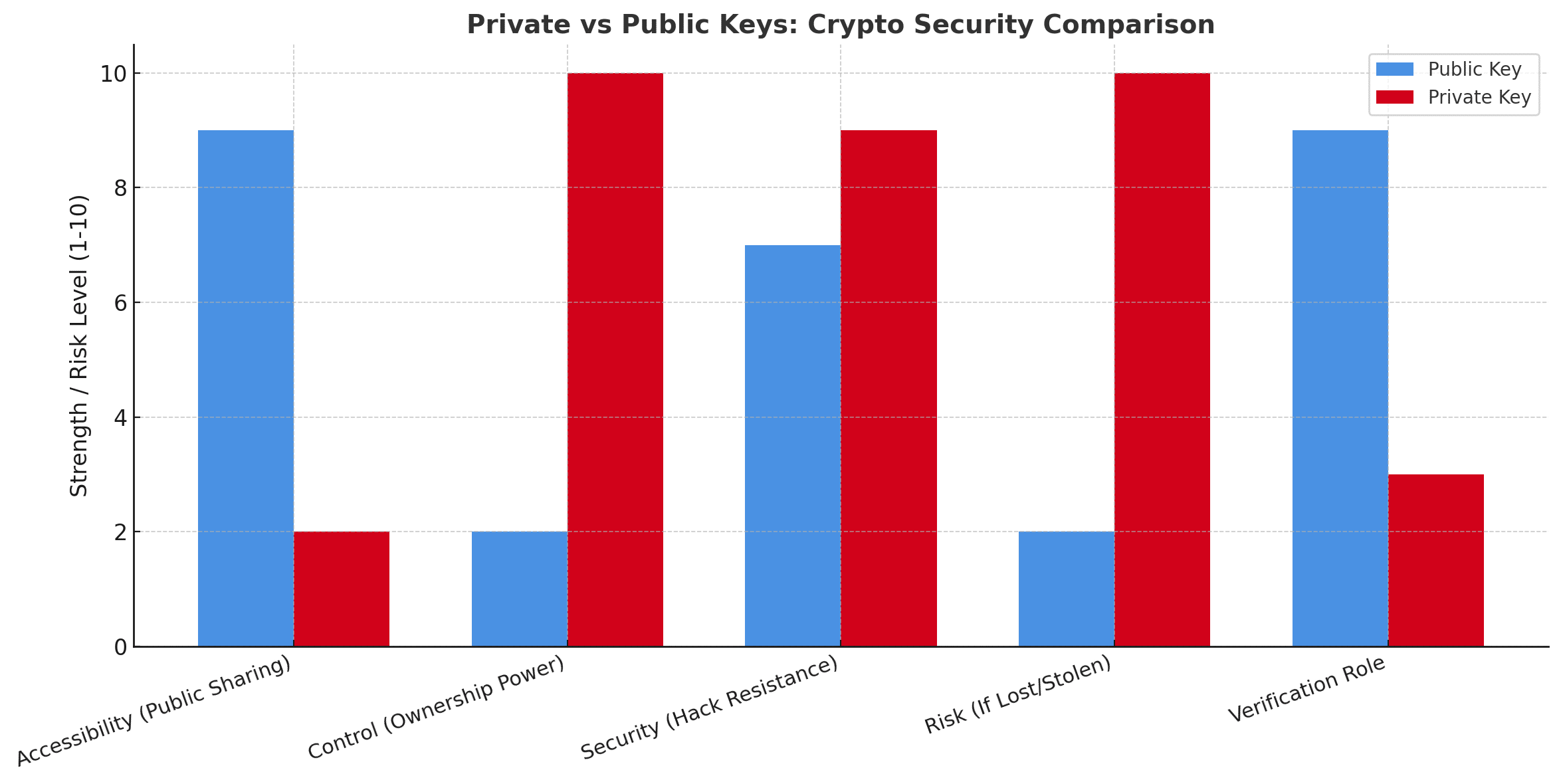
Understanding Private vs Public Keys begins with understanding their duties. A public key serves as a digital receiving address. Anyone can give money to it.

The public key is analogous to a bank account number, it is safe to distribute freely. In contrast, the private key is kept confidential. It gives control, allowing the owner to transfer cash and sign transactions.

This pairing is based on a one-way mathematical relationship. A private key creates its public counterpart, while the opposite is almost impossible. That is how security is maintained even when public keys are clearly available.

How the Keys Secure Crypto Transactions

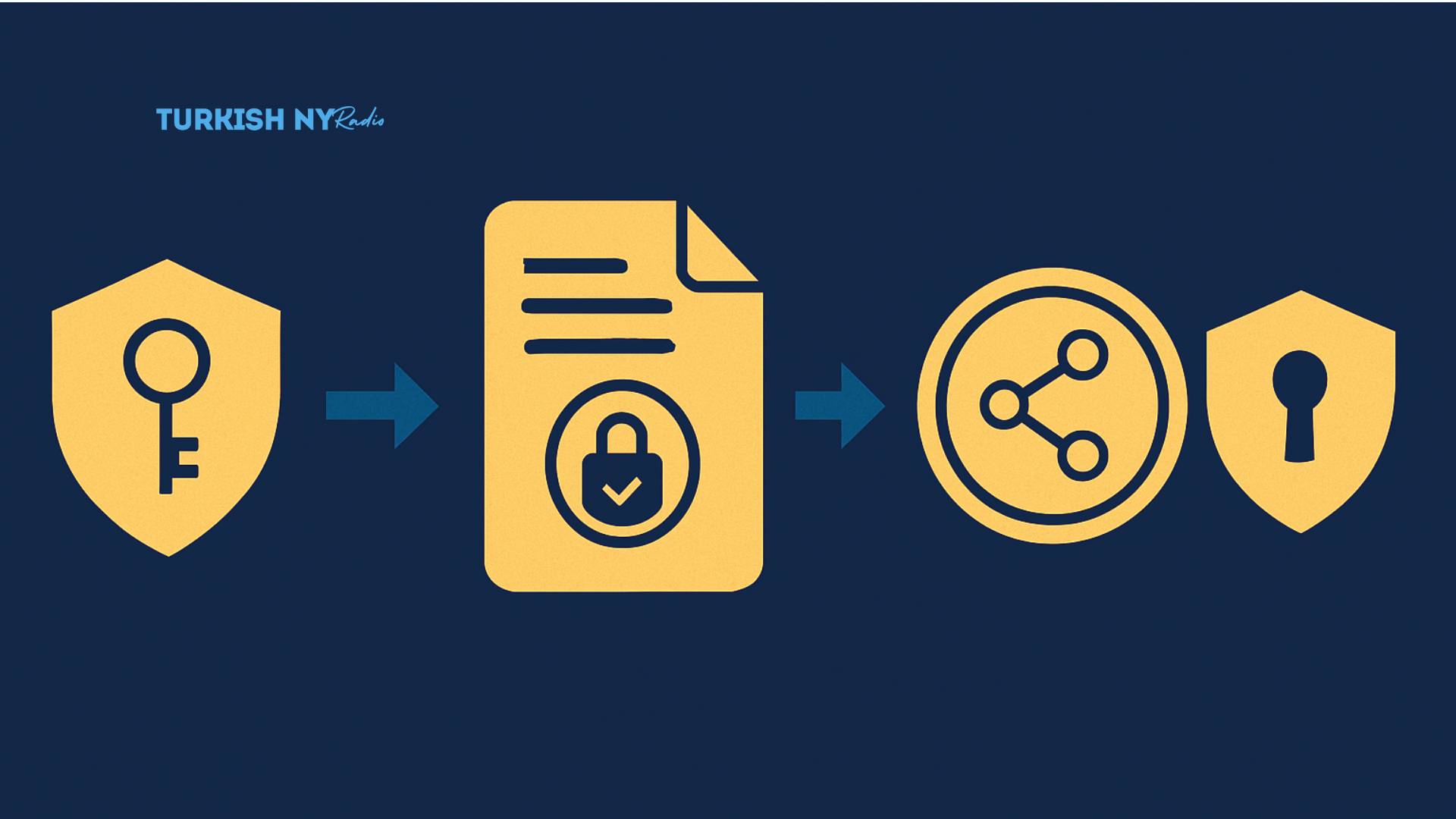
Every transaction is based on the magic of digital signatures. The sender uses the private key to sign a transaction.

This signature confirms that the sender has authority over the cash without exposing the key. The network then uses the public key to validate the signature. This assures authenticity while preventing the disclosure of sensitive information.
crypto security essentials

Why These Keys Are Essential to Blockchain Security

The Private vs Public Keys combination allows for decentralized validation. Anyone can use the public key to check a transaction’s validity, but only the holder of the private key can approve it. This category enables truly trustless systems in which the user retains control rather than a central authority.

Security Risks and Their Real-World Impact

Losing control of a private key comes with serious consequences. A stolen or misplaced key might result in a permanent loss of assets. Unlike a forgotten password, crypto does not provide simple recovery options.

According to a recent article, custodial wallets, which are handled by third parties, offer legal dangers if they fail or are hacked. That is why self-custody, or complete control over Private vs Public Keys, enhances ownership claims.

Physical coercion has also emerged as a threat. Criminals may use “wrench attacks” to coerce people to open wallets that contain private keys. Security experts now recommend employing multi-signature setups and maintaining anonymity to reduce such threats.

Future Threat: Quantum Computing vs. Key Security

The cryptographic techniques behind Private vs Public Keys are currently safe against classical computers. However, quantum computing has the potential to transform all of that.
how public and private keys work

Quantum machines might potentially break public-key encryption, exposing private keys. To mitigate these hazards, the community should investigate quantum-resistant approaches.

Practical Lessons: Keeping Crypto Safe with Key Management

To properly handle Private vs Public Keys, private keys should be stored offline, such as in hardware wallets or encrypted backups.

This avoids online stealing. Meanwhile, public keys are safe to distribute and see. The two keys constitute a unified system, one for sharing and one for guarding.

Conclusion: Mastery of keys equals Mastery of Ownership

The notion of Private vs Public Keys is key to crypto’s promise of total control and global security without the need for centralization. Understanding the key pairing reveals how bitcoins safeguard each transaction.

Protecting private keys ensures that this commitment is kept. The future may bring new challenges, but this fundamental premise of digital custody will remain necessary.

This article is for informational purposes only and does not constitute financial advice. Readers should conduct their own research before making security decisions.

Glossary of Terms

Private Key: A secret alphanumeric code granting access to funds and enabling signature authorization.

Public Key: A public cryptographic code derived from the private key for receiving crypto.

Digital Signature: A unique code created by combining transaction data with a private key to authenticate a transaction.

Self-Custody: Holding and controlling private keys without relying on third parties.

Wrench Attack: A coercive force attack aiming to physically extract private keys.

Quantum-Resistant Encryption: Cryptographic methods designed to withstand quantum-level threats.

Digital Ownership: Proof of control over funds, established through control of private keys.

FAQs on Private vs Public Keys

1. What are Private vs Public Keys and why are they needed?
They are a key pair that secures crypto transactions, public keys receive funds, and private keys authorize spending.

2. Can someone access crypto with just the public key?
No. The public key allows verification but cannot grant access or control without the private key.

3. What happens if the private key is lost or stolen?
Access to the associated crypto is lost permanently. Secure key management is crucial.

4. Are private keys vulnerable to quantum computing?
Potentially yes. Quantum computers may one day break current encryption, requiring future-proof solutions.

5. How can users protect their private keys from physical threats like wrench attacks?
Using multi-signature wallets and keeping identities anonymous can reduce such risks.

Sources/References

ADVERTISEMENT

Reuters

Investopedia

trezor

MoonPay

Tags: crypto security essentialshow public and private keys workPrivate vs Public Keys
ShareTweetSharePinSend
Previous Post

Polkadot price prediction 2025 to 2026 can DOT break double digits

Next Post

The Truth About Stablecoins: Are They as Safe as They Claim?

Jonathan Swift

Jonathan Swift

A crypto journalist with an understanding of blockchain technology. Skilled in simplifying complex topics for diverse audiences, from beginners to experts. Because I believe in words as they are the children of mind.

SIMILAR NEWS

Patrick Witt CLARITY Act
Cryptocurrency

Patrick Witt Questions Why Banks Still Oppose the CLARITY Act

30 July 2026
South Korea stablecoin regulation
World

South Korea’s Crypto Rules Could Change Stablecoins and Taxes

30 July 2026
Apple App Store fake Bitcoin wallet
Cryptocurrency

Apple App Store Fake Bitcoin Wallet Scam Sparks $1.8M Lawsuit

29 July 2026

Leave a Reply Cancel reply

Your email address will not be published. Required fields are marked *

Search

No Result
View All Result
DMCA
PROTECTED

Categories

  • Business
  • Cryptocurrency
  • Economy
  • en
  • News
  • Politics
  • World

Recent Posts

  • Patrick Witt Questions Why Banks Still Oppose the CLARITY Act
  • South Korea’s Crypto Rules Could Change Stablecoins and Taxes
  • Apple App Store Fake Bitcoin Wallet Scam Sparks $1.8M Lawsuit
  • Crypto Clarity Act Delayed as U.S. Senate Shifts Legislative Priorities
  • KB Kookmin Bank Cross-Border Payments Bring 24/7 Global Settlements
TurkishNY Radio

Site Navigation

  • Home
  • About Us
  • Terms and Conditions
  • Privacy Policy
  • Disclaimer
  • Contact

TurkishNY Radio

Banner 1
Banner 2
No Result
View All Result
  • Home
  • Cryptocurrency
  • Business
  • Economy
  • tr Türkçe
  • en English

  • English