![Sun [New]](https://s2.coinmarketcap.com/static/img/coins/64x64/10529.png)



This article was first published on TurkishNY Radio.
Concerns are growing around the private credit sector, a corner of finance that expanded rapidly after the 2008 crisis. What was once viewed as a stable source of high returns is now facing rising scrutiny as signs of stress begin to surface.


Recent developments show that investor confidence is shifting. According to Reuters, several major business development companies (BDCs) have reported a sharp increase in redemption requests.
Firms such as Blue Owl Capital have already moved to limit withdrawals, a step also seen across other large managers.
This moment reflects a change in sentiment. For years, private credit attracted capital due to its higher yields and flexible lending structures. Now, that same structure is being tested.
Private Credit Market Stress Drives Investor Pullback
The rise in withdrawal requests is not happening in isolation. It comes at a time when returns are compressing and competition is intensifying across private lending markets.
BDCs typically hold long-term loans but offer investors periodic liquidity. When too many investors ask for their money back at once, funds face a difficult balancing act. They must either sell assets, often at discounted prices, or restrict withdrawals.
That tension is at the heart of the current private credit market stress. While industry participants describe the situation as a normal adjustment phase, the pace of redemptions suggests underlying unease.
At the same time, borrowing costs for these funds are rising, which further squeezes profitability. As margins tighten, the risk of loan underperformance increases.

Private Credit Market Stress Deepens With Tech Risks
Another factor shaping the current environment is the growing impact of artificial intelligence on business models. Many companies financed through private credit operate in the software and technology sectors.
As AI tools reshape how software is developed and priced, revenue expectations are being revised. This has already been reflected in declining valuations for listed software firms.
If these pressures continue, they could translate into higher default rates within private credit portfolios. That would deepen private credit market stress, especially for funds heavily exposed to these sectors.
Market participants are not ignoring this risk. As one industry executive noted,
“You’re going to have credit cycles… you’re going to have some markdowns.”
The expectation is not sudden collapse, but a gradual adjustment that may still carry consequences.
Not a Repeat of 2008, But Still Important
Despite the concerns, there are important differences between today’s situation and the global financial crisis.
Private credit funds generally operate with lower leverage and often lend at senior levels in the capital structure. This provides some protection if borrowers face difficulties. In addition, major financial institutions are better capitalized than they were before 2008.
However, scale matters. The private credit sector is now estimated at around $3.5 trillion. Even if risks are contained, the size of the market means that ongoing private credit market stress could influence broader financial conditions.
What This Means for Crypto Markets
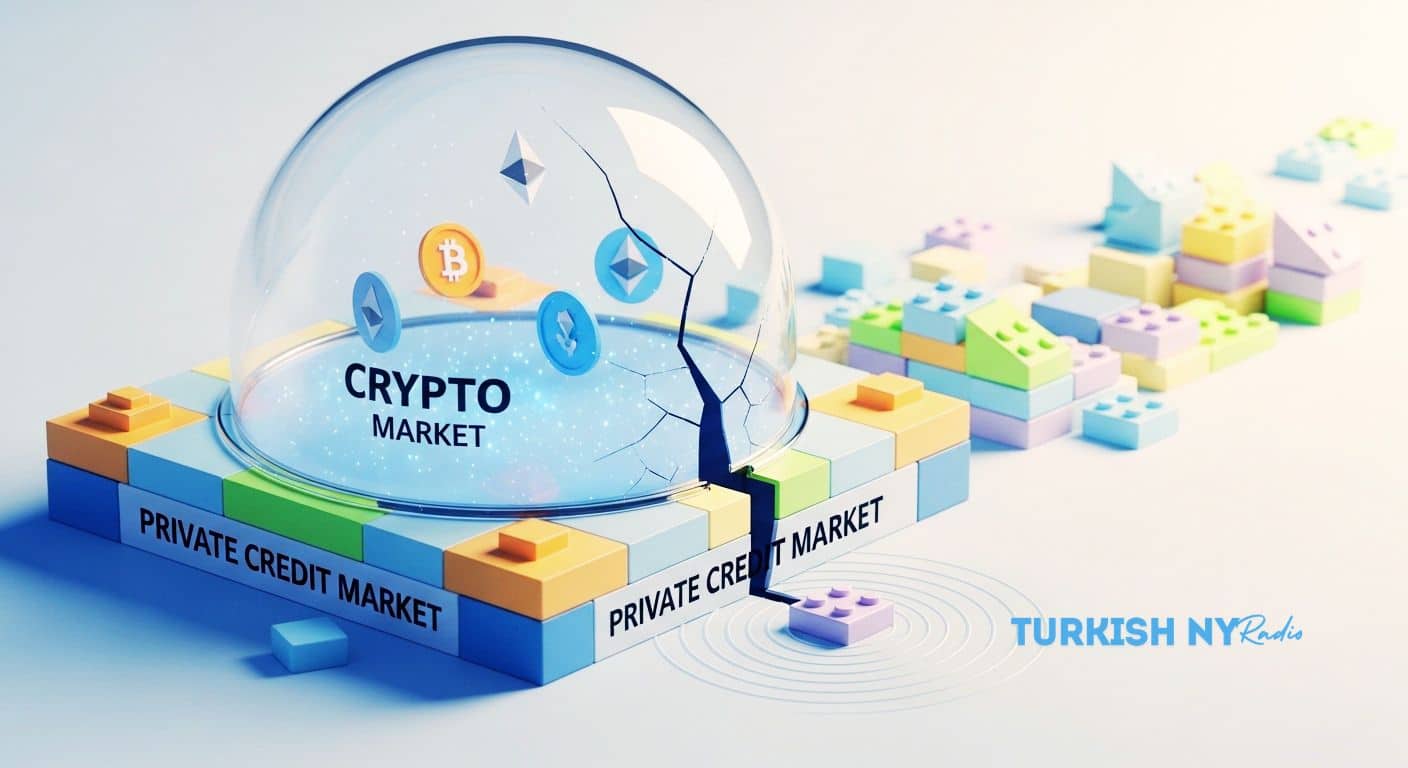
While private credit and crypto operate in different segments, they are connected through global liquidity. When financial conditions tighten, risk appetite tends to decline across all asset classes.
Blockchain data supports this relationship. Insights from Blockchain.com show that Bitcoin network activity often slows during periods of macroeconomic pressure. Similarly, Glassnode data indicates reduced capital inflows when market uncertainty rises.
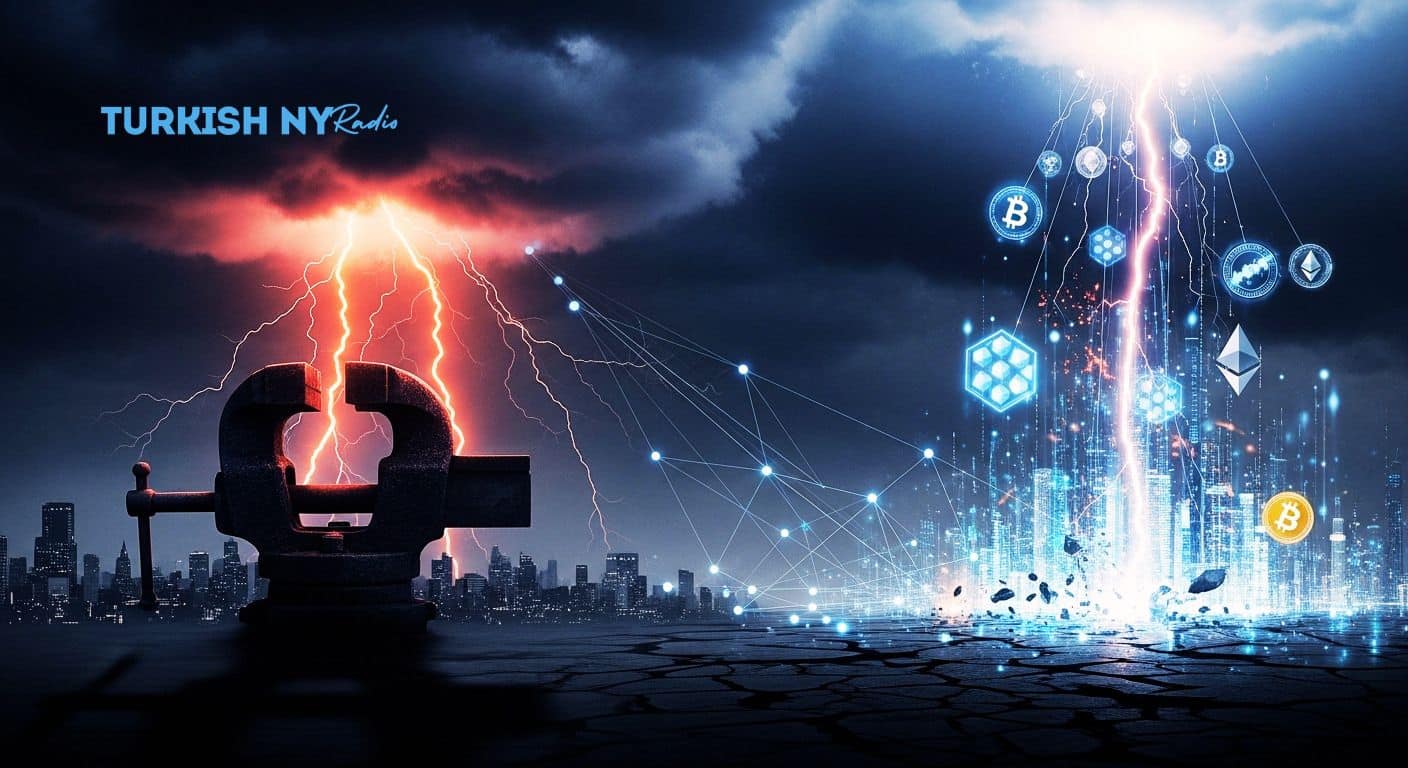
If private credit market stress leads to broader liquidity constraints, crypto markets could feel indirect effects. Institutional investors facing redemptions may prioritize selling liquid assets, including digital holdings, to meet obligations.
A Developing Situation, Not a Crisis
For now, the situation appears to be evolving rather than escalating. Valuations are adjusting, and investors are reassessing risk, but there is no clear evidence of systemic breakdown.
Still, the direction is worth watching. The combination of tighter financial conditions, technological disruption, and shifting investor behavior suggests that private credit market stress may persist in the near term.
For crypto markets, the key takeaway is not immediate impact, but sensitivity to broader financial trends. If liquidity continues to tighten, digital assets may once again move in line with global risk sentiment rather than independently.
Summary
- Investors are starting to pull money out of private credit funds as returns soften and uncertainty grows, putting pressure on the sector.
- Big firms limiting withdrawals show stress is building, though it’s not a full-blown crisis.
- AI is reshaping tech businesses, raising concerns about loan defaults.
- Because the market is large, any strain could ripple across finance.
- Crypto could feel the impact if tighter liquidity reduces investor activity.
Glossary of Key Terms
1. Private Credit
Private credit is when companies borrow money from private investors instead of banks. It’s a bit like choosing a personal lender over a bank loan.
2. Private Credit Market Stress
This happens when things start to feel shaky in private lending returns drop, risks rise, or investors begin pulling money out, creating pressure in the system.
3. Business Development Companies (BDCs)
BDCs are companies that lend money to businesses while allowing people to invest in them. Think of them as a bridge between investors and businesses.
4. Redemption Requests
This is when investors decide to take their money out of a fund. It’s similar to withdrawing your savings when you feel uncertain.
5. Liquidity
Liquidity simply means how quickly something can be turned into cash. Cash is instant, but things like loans or property take time to sell.
6. Default Risk
Default risk is the possibility that someone who borrowed money won’t pay it back. It’s like lending money to a friend and worrying about repayment.
7. Artificial Intelligence (AI) Disruption
AI disruption refers to technology changing how businesses work. For example, AI can reduce costs or replace tasks, which can affect company earnings.
8. Market Liquidity Tightening


This happens when there’s less money moving around in the system. It’s like people holding onto their cash instead of spending or investing it.
FAQs About Private Credit Market Stress
1. What is private credit market stress?
Private credit market stress means pressure building in private lending, where rising withdrawals, lower returns, and higher risks start affecting funds, investors, and overall market confidence.
2. Why are investors pulling their money out now?
Investors are stepping back as returns shrink and risks grow. Higher borrowing costs and default concerns are making funds more cautious, leading to limits on withdrawals.
3. Could this impact crypto markets too?
Yes, it can. When liquidity tightens, investors often sell liquid assets like crypto first, which can weigh on prices and weaken overall market sentiment.
4. Is this like the 2008 financial crisis?
Not quite. Today’s system has lower leverage and stronger banks, but the situation still needs attention, as continued pressure could slowly build into bigger risks.