![Sun [New]](https://s2.coinmarketcap.com/static/img/coins/64x64/10529.png)



This article was first published on TurkishNY Radio.
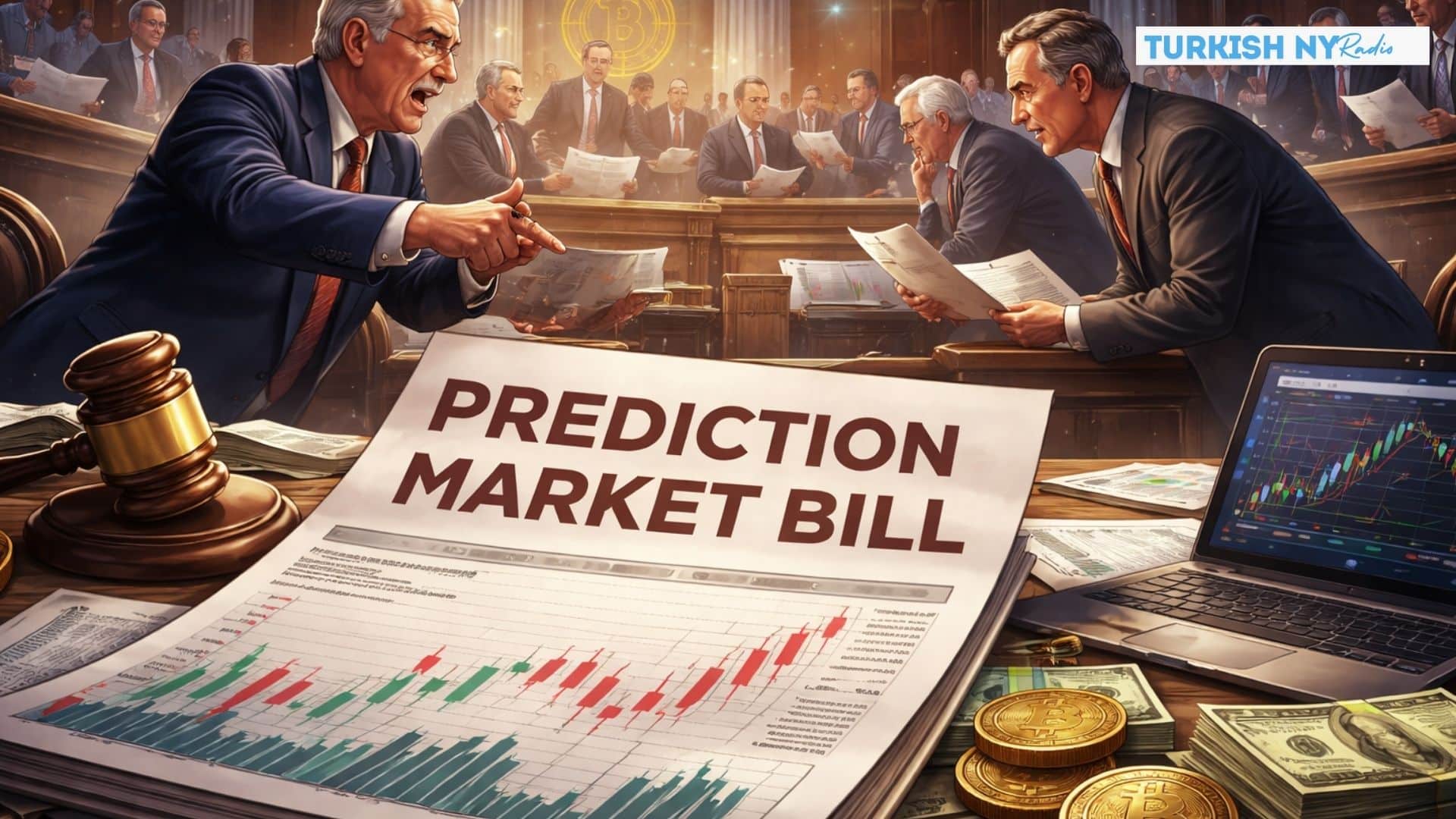
A new Prediction Market Bill is gathering traction in Washington, as legislators rush to tighten regulations on rapidly developing betting platforms based on events in the real world. The new ban comes amid growing worries that prediction markets, which are sometimes powered by cryptocurrency, might be used for insider trading, especially among sensitive fields like as politics, geopolitics, and sports. With many proposals filed in just one week, the Prediction Market Bill is a watershed moment for how these platforms will be regulated in the United States.


Legislators Urge for Tighter Regulation
The new Prediction Market Bill seeks to eliminate legislative gaps that now allow traders to gamble on future occurrences with little regulation. Legislators say that these marketplaces are becoming more like financial transactions, but without the tight controls found in traditional institutions.
“This is about protecting market integrity,” one congressional aide said. “We cannot allow individuals with privileged information to profit unchecked.”
The Prediction Market Bill specifically targets insider trading, proposing restrictions on participants who may have access to non-public information, including government officials and individuals directly involved in the events being wagered on.


Growing Concerns About Covert Trading
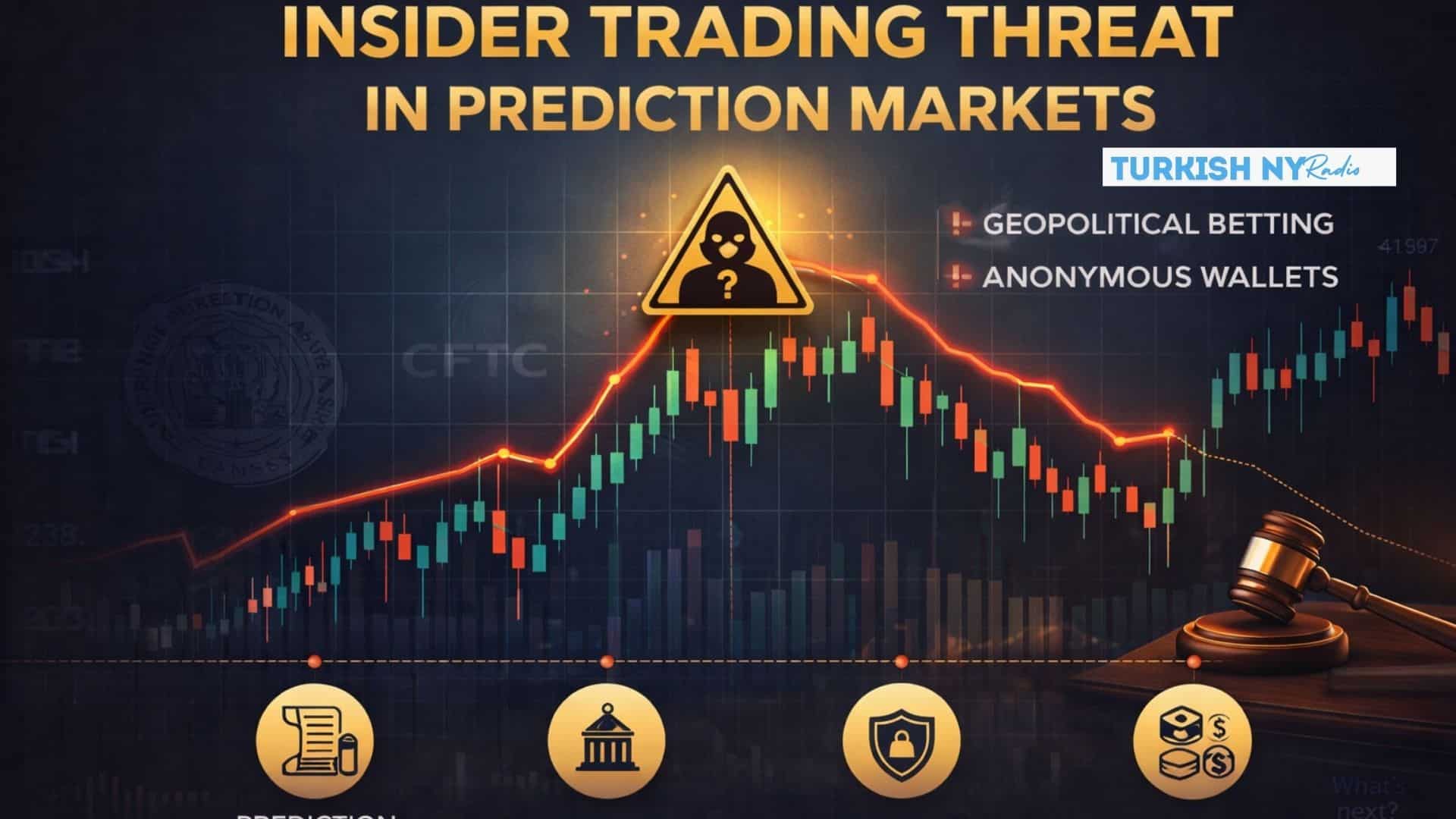
Recent trading behavior has drawn further scrutiny. In accordance with accounts, numerous people made remarkably exact predictions regarding world events, raising suspicions of insider knowledge. The Prediction Market Bill seeks to solve these issues by imposing more stringent adherence and monitoring requirements.
Critics worry that if not addressed, these platforms may undermine faith in businesses and government agencies. The Prediction Market Bill would penalize people who exploit sensitive information, bringing prediction markets more in line with securities regulations.
Market Guidelines and Oversight Systems
In response to the mounting criticism, companies like as Polymarket and Kalshi are implementing internal controls. These involve restricting persons with direct links to certain events and improving monitoring techniques for detecting questionable trading behavior.
However, lawmakers are unconvinced. The Prediction Market Bill demonstrates a notion that self-regulation is insufficient. “Voluntary initiatives are a start, yet they are not an alternative for enforceable law,” said another official.
The Prediction Market Bill could additionally involve more stringent Know Your Customer (KYC) regulations, making it a struggle for people who remain anonymous to participate. This could be a significant departure for virtual currency services, which have always valued anonymity.
Broader Regulatory Wave
The Prediction Market Bill is not a standalone endeavor. It is part of a larger wave of legislative initiatives that attack prediction markets from a variety of perspectives, including regulatory constraints and national security concerns.
Some politicians have even proposed outright bans on specific markets, notably those containing elections or conflicts involving the military The Prediction Market Bill is part of a bigger drive to rethink how these platforms function inside the legal structure.
Conclusion
The launch of the Prediction Market Bill demonstrates a growing realization that anticipated markets are no longer a fringe experiment, but rather a strong financial tool with real-world consequences. As legislators go forward, the conclusion of this legislation may change the business, requiring companies to embrace higher compliance rules or face being barred from the US market. It is unclear whether this will result in safer markets or push business offshore, but a single thing is certain: regulation is on its way.
Summary
The Prediction Market Bill represents an important step toward implementing derivatives markets in the United States. It tries to reduce insider trading, promote transparency, and impose stricter participation requirements. The idea was sparked by suspicious activities and national security concerns, and its execution reflects bipartisan urgency. If passed, it might alter the way markets for prediction operate, particularly those involving cryptocurrencies, by imposing higher compliance standards and limiting who can bet on critical incidents.
Glossary of Key Terms
Prediction Markets: Are websites where people gamble on the fate of upcoming events.
Insider Trading: Refers to investing based on confidential, privileged knowledge.
KYC (Know Your Customer): An authentication procedure used to recognize users.
Regulatory Oversight: Relates to the administration’s evaluation of monetary activity.
Compliance: Iinvolves sticking to statutes and regulations.
FAQs for Prediction Market Bill
1. What, if any, is the Prediction Market Bill?
The Prediction Market Bill proposes laws to regulate prediction markets and prohibit trading by insiders.
2. What is the reason are politicians cautious regarding prediction markets?
They are concerned that these platforms might be used to take advantage of non-public information, jeopardizing the market’s reliability and national security.
3. How will the measure affect cryptocurrency-based systems?
It may impose stronger KYC requirements and ban anonymous involvement altering the way these platforms function.
4. Could sports market predictions be completely banned?
Some suggestions propose prohibiting certain types of markets, however not all prediction markets are probably to be abolished.
5. How does will take place if the law passes?
Platforms would require to follow harsher standards or risk losing access to the US market.