This Article Was First Published on TurkishNY Radio.
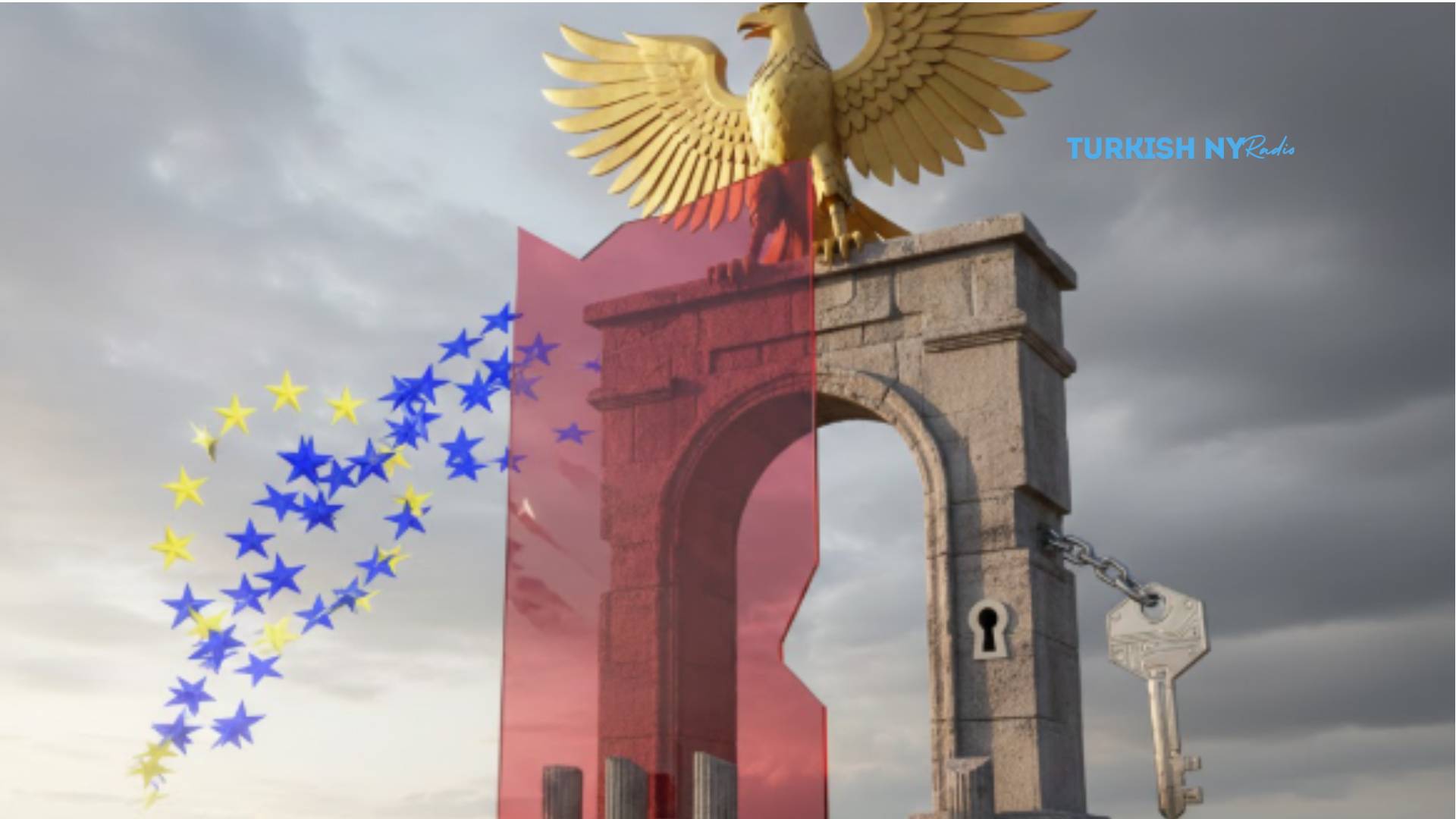
Poland has just moved into a very unusual position on the European crypto map. After a tense vote in the Sejm, lawmakers failed to secure the three-fifths majority required to override President Karol Nawrocki’s veto of a landmark crypto assets bill. As a result, Poland is now the only European Union member state without a domestic framework aligned with the Markets in Crypto Assets (MiCA) regulation.


The vote on 5 December followed months of argument between the government, the presidency, and a fast-growing digital asset sector. Prime Minister Donald Tusk’s coalition had promoted the Crypto Asset Market Act as the main channel to plug MiCA into Polish law.
Security narrative versus civil liberty fears
For the government, this was never only a technical compliance exercise. Tusk and his allies framed the law as a national security tool. Officials argued that parts of the crypto market in Poland are already infiltrated by foreign entities linked to Russia and Belarus, and that unregulated flows can help finance sabotage, influence operations, and organized crime.
Traditional banking controls do not always capture these channels. In their view, MiCA style supervision would close dangerous gaps and bring Poland into line with partners that already monitor digital asset activity more closely.
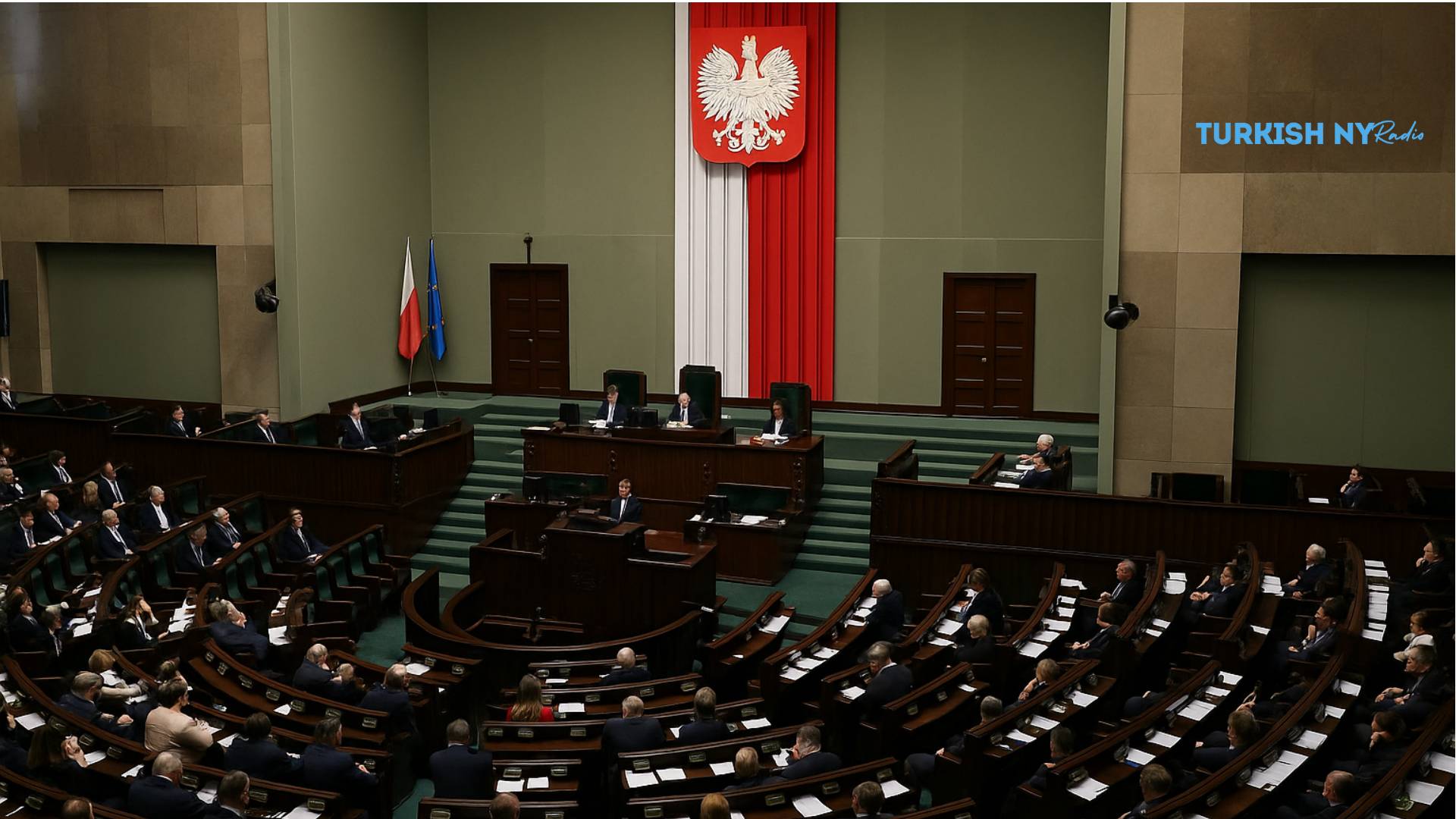
President Nawrocki and right-wing parties told a very different story. They claimed the draft went well beyond what MiCA requires and handed excessive power to the regulator, including fast track website blocking and heavy penalties that could hit service providers for technical failures.
The president warned that such tools could threaten civil liberties, property rights, and even the stability of the state. Opponents repeatedly pointed to shorter and less complex MiCA transposition laws in neighboring countries as evidence that Poland was preparing a stricter regime than its peers.
How the veto reshapes Poland’s place in the EU crypto market
MiCA has already come into force at EU level, with member states moving through transition periods into 2025 and 2026. Several jurisdictions have begun granting licenses to crypto asset service providers that meet common standards on capital, governance, risk management, and consumer protection.
Those firms will be able to operate across the bloc with a single authorization. With the veto upheld, Poland lacks a clear domestic path into that passporting club and must restart lawmaking from scratch.
For platforms based in Poland, this political stalemate translates directly into business uncertainty. Exchanges and custodians now operate in an environment that is out of sync with MiCA ready neighbors, while competitors elsewhere in the EU can plan around defined licensing timelines and supervisory expectations.
Token issuers and stablecoin projects face similar foggy prospects. Many may choose to incorporate or seek authorisation in another member state, then serve Polish users from abroad instead of waiting for a fresh bill in Warsaw.
Key signals for crypto investors and builders
For investors who follow regulatory risk as closely as price charts, the situation in Poland acts as a clear indicator. A jurisdiction that delays MiCA alignment may offer some short term flexibility, but institutional capital usually prefers clarity over improvisation.

Banks, payment companies, and large asset managers tend to look for three things before they scale up: predictable licensing, standardised disclosures, and credible enforcement. Those are exactly the pillars MiCA is designed to harmonise. Poland’s absence from that framework could slow the growth of locally domiciled, institution-friendly products.
On the retail side, adoption in Poland has continued to rise even without a full MiCA regime. On-chain analytics firms have already described the country as a large European crypto economy, with strong year-over-year growth in transaction volumes.
Without MiCA grade safeguards, Polish users are more exposed to aggressive offshore platforms, lightly disclosed tokens, and complex yield products that would face tighter scrutiny in fully aligned markets. At the same time, some domestic entrepreneurs welcome the pause, arguing that it creates space to design a more proportionate law that does not treat every developer as a suspect.
What comes next for Warsaw
The failed override vote does not end the story of Polish crypto regulation. It resets it. Lawmakers now need to draft a new proposal that still implements MiCA, yet responds to criticism about civil liberties, transparency, and the scale of enforcement powers. Industry groups are likely to push for clearer proportionality tests and more gradual sanctions, while security officials will continue to argue that the state needs sharper tools to counter hostile activity linked to digital assets.
Conclusion
By upholding the presidential veto, Poland has turned itself into a regulatory outlier at the very moment MiCA begins to reshape the European crypto landscape. The decision reflects a genuine struggle to balance security, freedom, and innovation.
For now, though, it leaves exchanges, issuers, and investors navigating a murkier rulebook than their counterparts elsewhere in the union. How quickly Warsaw can deliver a revised, more balanced bill will be a key signal for anyone tracking where the next wave of compliant crypto activity in Europe chooses to build.


Frequently Asked Questions
What exactly happened with Poland’s crypto bill?
The lower house of parliament failed to reach the three fifths majority needed to overturn President Karol Nawrocki’s veto of the Crypto Asset Market Act, so the bill will not enter into force and the legislative process must restart.
Why does this matter for MiCA in the European Union?
The veto leaves Poland as the only EU member state without a MiCA aligned domestic framework, while other countries move ahead with licensing regimes that allow crypto firms to operate across the bloc under a single authorisation.
How are crypto companies likely to respond in the short term?
Many exchanges, custodians, and token issuers are expected to seek licenses or legal bases in other EU jurisdictions, then serve Polish users from those hubs until there is more clarity on the final shape of regulation in Warsaw.
Glossary of Key Terms
MiCA (Markets in Crypto Assets)
The European Union’s comprehensive regulatory framework for crypto assets and service providers, covering licensing, capital requirements, disclosures, and consumer protection across member states.
Crypto Asset Service Provider (CASP)
A company that offers services such as operating a trading platform, providing custody, executing orders, or advising on crypto assets, and that falls under MiCA’s licensing and oversight rules.
Passporting
The mechanism that allows a firm authorized in one EU member state to offer services across the entire bloc without obtaining separate licenses in every country, once it meets common regulatory standards.
National Competent Authority
The domestic regulator, such as Poland’s Financial Supervision Authority, that is responsible for supervising financial and crypto markets within a member state under both national law and EU frameworks.
On chain activity
Economic activity recorded directly on a blockchain, including transfers, trades, and interactions with smart contracts, often used by analytics firms to measure adoption and transaction volume in a country or region.