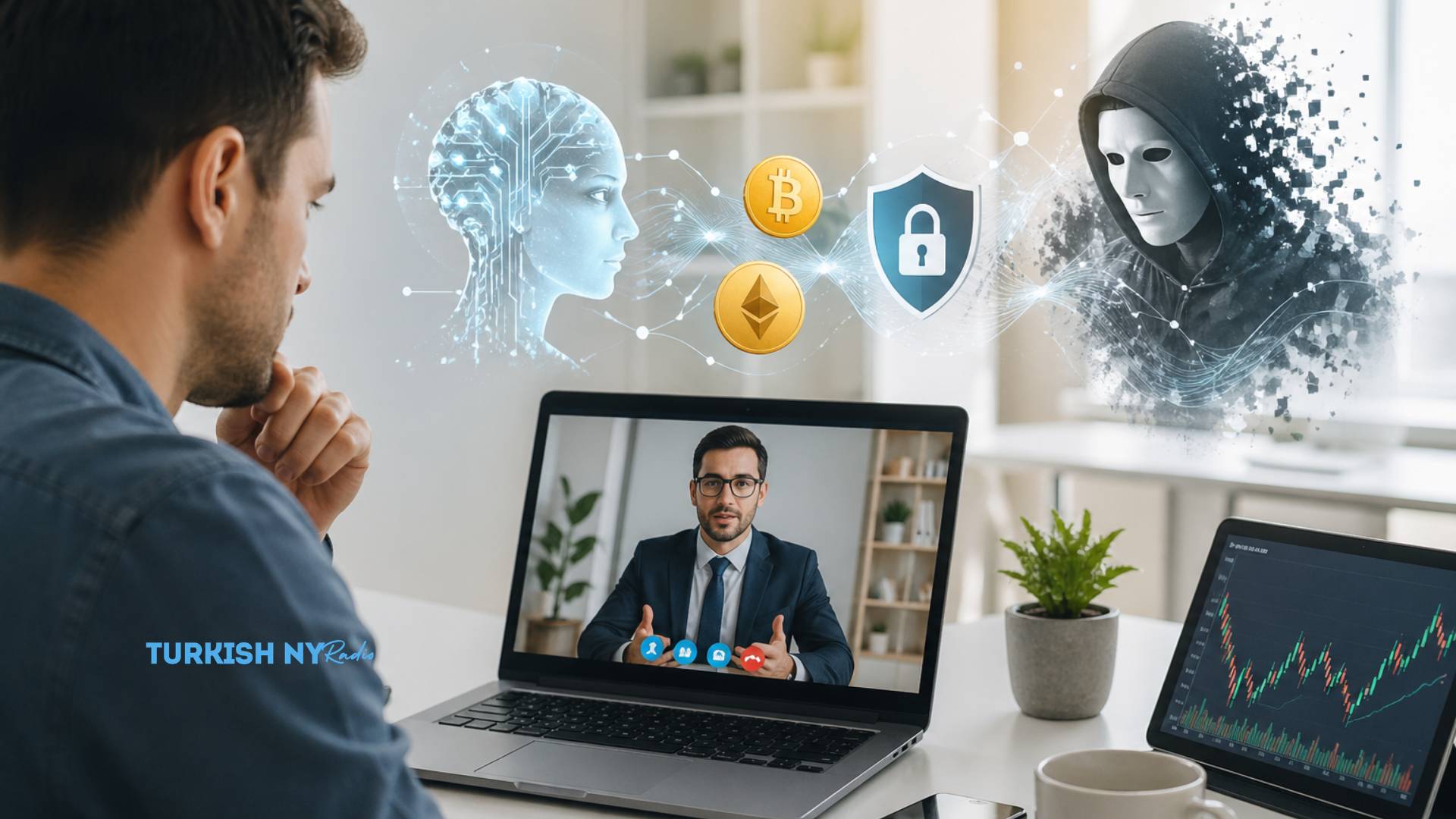
A new wave of concern is building across the digital asset sector as advanced image-generation tools make online deception look more believable than ever. The latest debate follows reports of a crypto founder nearly being tricked through a fake video-call setup, where familiar identity cues were allegedly used to push a malicious software command. For an industry built on fast decisions, remote teams, and irreversible transactions, the rise of AI crypto scams is no longer a side issue. It is becoming a serious market risk.
AI Crypto Scams Are Becoming Harder to Spot
The warning sign is simple: scammers are moving beyond poorly written messages and suspicious links. New tools can now create realistic faces, polished screenshots, fake profiles, and convincing visual proof. That makes AI crypto scams more dangerous because they attack trust, not just passwords.


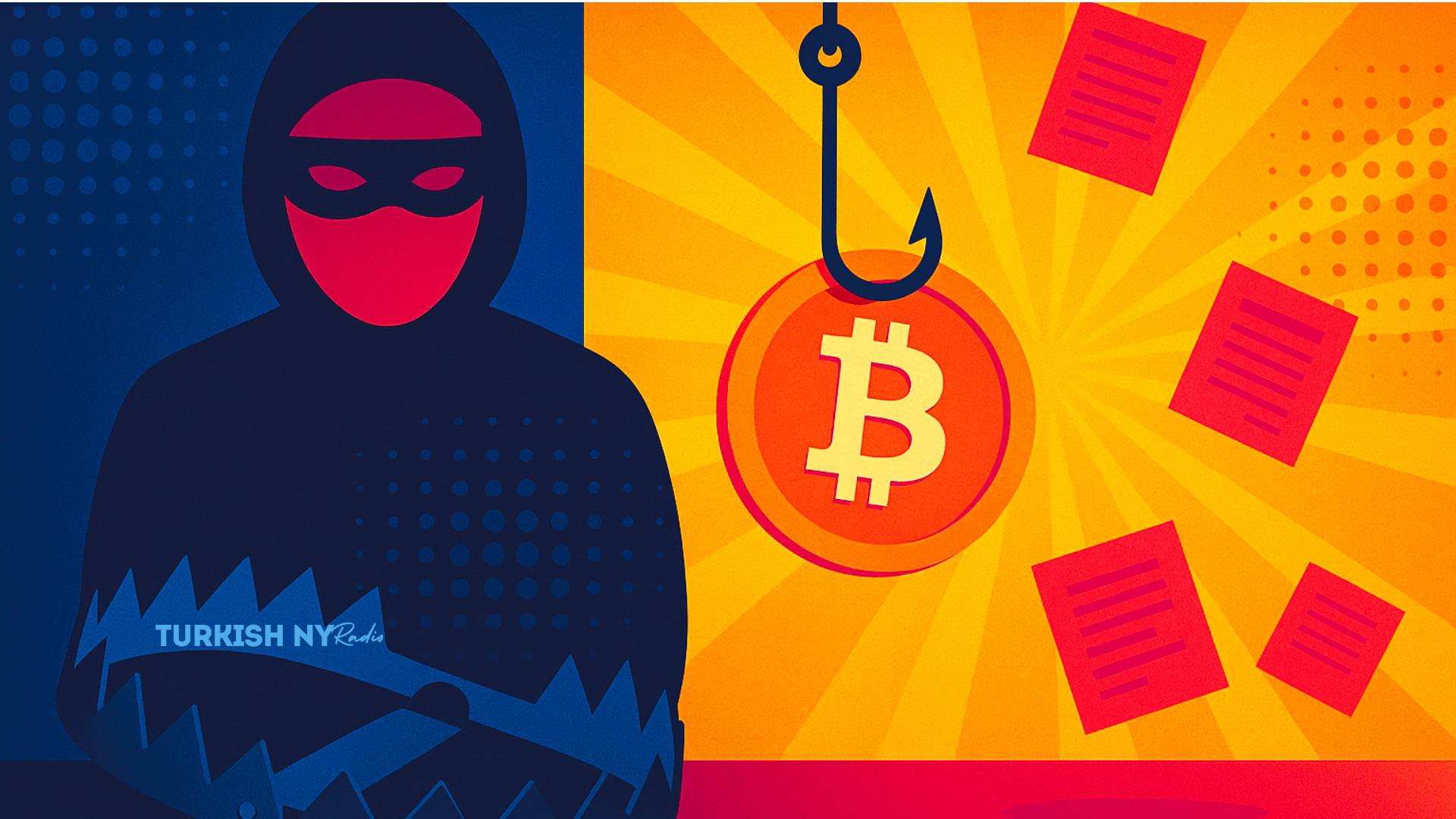
In crypto, trust is often built through Telegram chats, X profiles, video calls, community groups, and founder networks. A fake face or cloned voice can turn those daily tools into traps. Once a victim approves a wallet request, shares access, or runs a harmful command, the damage can happen within minutes.
The concern is not only about retail investors. Founders, developers, validators, treasury managers, and exchange staff are also targets. That matters because one compromised device can expose private keys, admin panels, internal chats, or token launch plans.
Why OpenAI’s Image Model Matters
OpenAI’s newer image tools have drawn attention for producing highly realistic visuals, including fabricated scenes that can look close to real-world media. That does not mean the tool is designed for fraud, but it does show how fast the visual gap is closing between real and synthetic content.
For scammers, that gap matters. AI crypto scams can now use cleaner branding, fake identity documents, realistic meeting screenshots, and more polished project pages. The scam no longer has to look perfect. It only has to look normal enough for 30 seconds.
That is the uncomfortable part as most victims do not fall because they know nothing. They fall because the situation feels familiar.
Key Indicators Crypto Users Should Watch
The strongest warning signs are often small as a sudden request to install software, update an app through a strange method, approve a wallet connection, join a private call, or move funds “for security” should raise concern.
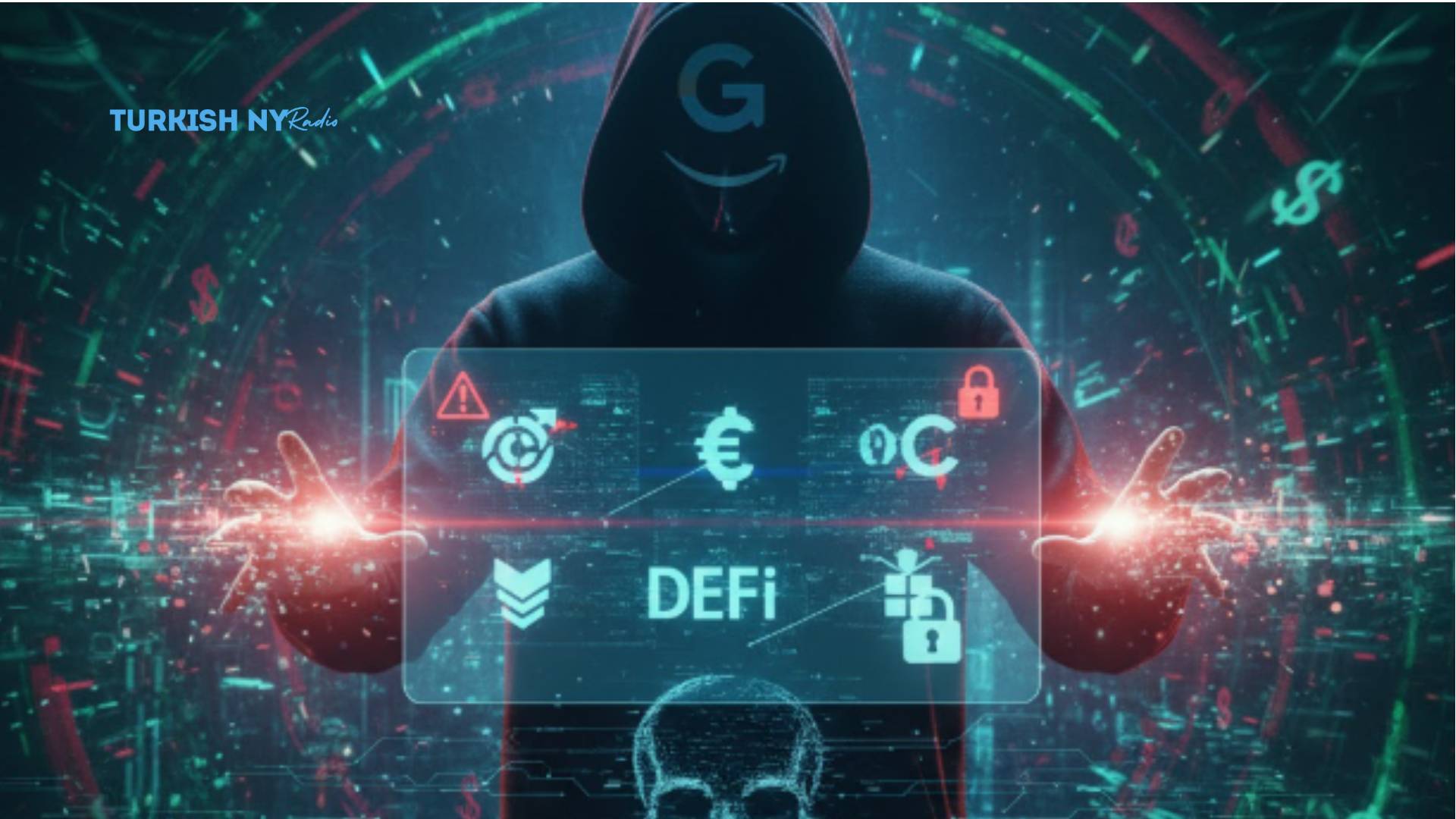
Market-related pressure is another red flag. Scammers often use token listings, airdrops, presales, validator rewards, exchange access, or urgent OTC deals to create panic. In these cases, AI crypto scams use speed as a weapon.
Users should also watch for mismatched domains, newly created social accounts, fake team pages, edited screenshots, and wallet links sent outside official channels. If a request involves seed phrases, private keys, remote access, or terminal commands, it should be treated as unsafe until verified through a separate trusted channel.
What This Means for the Crypto Market
The market impact goes beyond individual losses. If AI crypto scams keep improving, investors may become more cautious about new launches, influencer promotions, and smaller DeFi platforms. That could slow user growth, especially for projects that rely heavily on community trust.
Exchanges and protocols may also need stronger verification steps for listings, partnerships, treasury movements, and internal approvals. A simple video call is no longer enough. In this new environment, security has to include human behavior, not just code audits.
Conclusion
The rise of AI crypto scams shows that crypto fraud is entering a more advanced phase. The threat is not only fake links anymore. It is fake people, fake proof, and fake urgency wrapped in a familiar setting. For crypto users, the safest habit is no longer blind confidence. It is slow verification before every sensitive action.
Disclaimer: This article is for informational purposes only and does not provide financial, investment, or cybersecurity advice.
FAQs
What are AI crypto scams?
AI crypto scams are fraud attempts that use artificial intelligence to create fake identities, messages, images, voices, websites, or video interactions.
Why are they dangerous?
They look more realistic than older scams and can trick users into trusting fake people, fake platforms, or harmful wallet requests.
How can users stay safer?
Users should verify requests through official channels, avoid sharing private keys, and never run unknown commands or approve suspicious wallet prompts.
Glossary
Deepfake: AI-made video, image, or audio that imitates a real person.
Phishing: A scam designed to steal login details or wallet access.
Private key: A secret code that controls access to crypto funds.
Wallet approval: Permission given to a smart contract to access tokens.
Sources