
This Article Was First Published on TurkishNY Radio.
Russian crypto regulation is now moving to a new stage, pointing towards a more balanced position on digital assets.


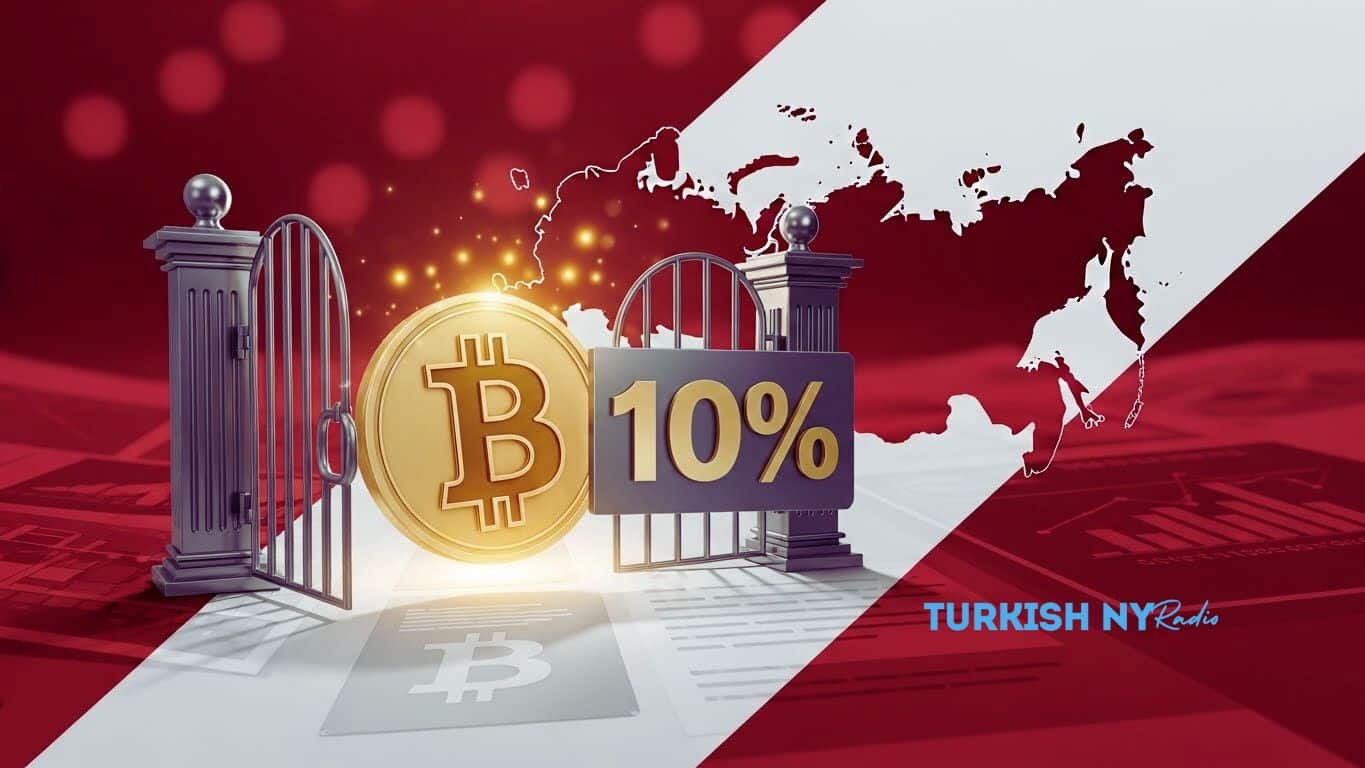
The Bank of Russia is enacting regulations that would enable eligible mutual funds to invest up to 10% of their portfolio into crypto-tied derivatives and index products.
This exposure minimization keeps direct cryptocurrency holdings out of bounds, mitigating risk inside the confines of regulated financial vehicles.
The update reflects a cautious move toward incorporating digital-asset markets within the same type of investment structures as stocks and bonds, all under heavy regulatory scrutiny to protect financial stability and to prevent speculative excess.
Russia Crypto Regulation Permits Limited Derivatives
The updated rules allow funds to invest in crypto derivatives and price-linked investments, not actual tokens.
This will ensure that any exposure is limited to regulated (and fiat-settled) products, not bringing new money into investments directly impacted by blockchain volatility.
In this way, Russia’s crypto regulation keeps its powder dry against the evils of directly holding coins while enabling access to crypto-linked financial products.
The CBR’s benefits are being offered following previous steps in 2025 when banks and trading platforms first started offering non-deliverable derivatives and futures on Bitcoin, albeit mainly restricted to institutional clients. These changes are the first time retail-qualified mutual funds will have regulated access.
Controlled Access, Not Mass Adoption
Crucially, the new framework does not repeal Russia’s existing ban on the use of cryptocurrencies for ordinary payments. Retail payments, crypto transactions, and mining are still heavily regulated and, in many cases, illegal.
The reforms are about establishing a regulated corridor for crypto exposure through institutional-grade tools rather than providing full market access.
This targeted focus helps protect from the wild, wild west of crypto investments since it keeps investments in cryptos within financial intermediaries geared towards maintaining monetary control even as they must adapt to a world in which crypto-linked financial products are growing globally.
Strategic Incentives: Sanctions Shield and Asset Strategizing
Policy analysts say that Russia’s shifting posture appears to be a mixture of concerns based on economics and strategy.
As traditional money flows and reserve tempos encounter global sanctions, meanwhile, derivatives linked to digital assets present an alternative route for portfolio diversification.


By creating space for crypto derivatives and containing the direct exposure, Russia’s crypto rules want to get value from this without risk.
For institutional investors and qualified funds, this provides regulated exposure to Bitcoin and other cryptocurrencies minus the legal and compliance risks attached to direct ownership.
The Road Ahead: What to Watch
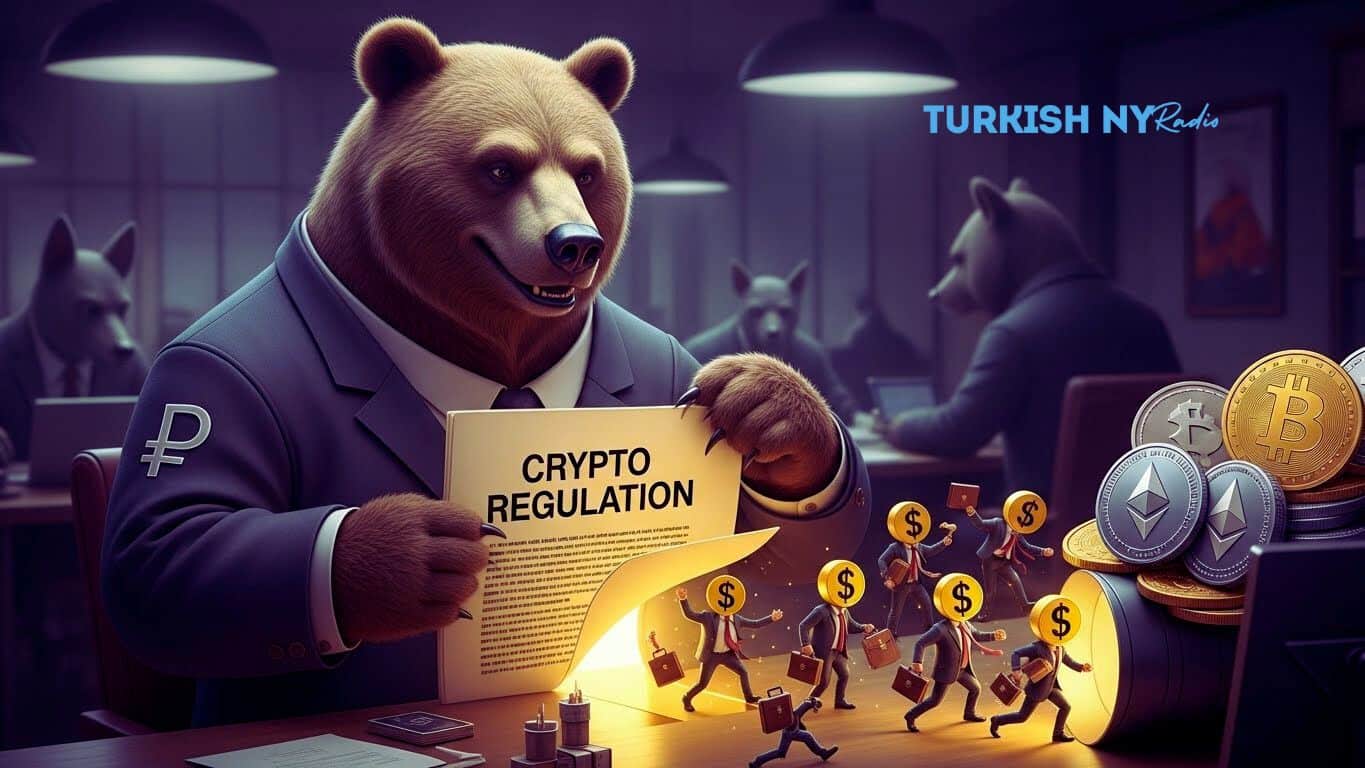
It will be interesting to observe how many mutual funds start investing in crypto-derivatives (the true moment when regulated investments in crypto truly take hold).
Just as important will be to watch the demand for regulated crypto products versus interest in offshore or gray-market alternatives, a measure of trust in the new regulatory regime.
Watch for any extended rallies or pullbacks in Bitcoin’s price following volatility to learn where risk sentiment amongst funds is coming from.
At the same time, regulators’ next moves, whether to loosen or tighten rules around direct crypto ownership as well as its use for payments, have to be closely watched. Clear regulation tends to attract investor confidence and supports market stability in digital-asset investments.
Summary
A recent update to Russia’s crypto regulation permits mutual funds to invest as much as 10% of their portfolios in derivatives linked to cryptocurrencies, signaling a cautious pivot toward regulated digital-asset exposure.
Direct token holdings and crypto payments are still not allowed. The step allows regulated access to digital-asset exposure in a specific form, fiat-settled instruments, without the retail intermediation and with a very high level of oversight.
Glossary of Key Terms
Russian crypto regulation
Regulations enacted by Russian officials that dictate how cryptocurrencies and crypto-powered products are allowed to be used, purchased, or invested in while physically located in Russia.
Mutual funds
Pools of people’s money that are combined and managed by pros to buy securities like stocks, bonds, or now crypto-linked products.
Crypto derivatives
Financial instruments that allow investors to profit from the price fluctuations in cryptocurrencies without actually owning the coins effectively bet on price movements.
Bitcoin (BTC)
The original and most well-known cryptocurrency. It works online, without a bank, and is often likened to “digital gold.”
Direct crypto holdings
Personally owning cryptocurrencies, such as in the case of Bitcoin in a private wallet, grants full control and full responsibility for security.
Index-linked products
Investments made in a “mirror” of a selected market index. In this instance, they trace the crypto price trends without investors taking actual possession of the coins.
Volatility
How prices change so quickly and unpredictably. Cryptocurrencies, such as Bitcoin, can increase or decrease in value much more quickly than other financial assets.
Regulated financial exposure
A well-regulated way to invest in riskier assets like crypto via institutions obliged to adhere to rigorous safety and transparency regulations.
Frequently Asked Questions About Russia’s Crypto Regulation
How does the new Russian crypto regulation cater to investors?
Russia crypto news In Russia, qualified mutual funds can now invest up to 10% of their portfolio in regulated products and derivatives with connections to cryptocurrency, allowing access without token ownership.
Can cryptocurrencies be used to make payments in Russia under existing regulations?
Russia No Russia’s cryptocurrency regulation has yet to enable domestic cryptocurrency payments for goods or services, enforcing a tight rein on its oversight in order to avoid untracked financial activities carried out by people within the country.
What do mutual funds get out of investing in crypto-based derivatives?
Products offer indirect access to Bitcoin and other digital assets and remain well-regulated, thus minimizing custody risk, in adherence with Russian buy-side regulation.
Can future regulatory changes broaden crypto access for the average investor?
Russia’s crypto regulation may be revised by the authorities at a later date, but current amendments will concentrate on observing market responses to new laws, strengthening observance, and assessing controlled investment pathways prior to rolling out wider access.