![Sun [New]](https://s2.coinmarketcap.com/static/img/coins/64x64/10529.png)



This article was first published on TurkishNY Radio.
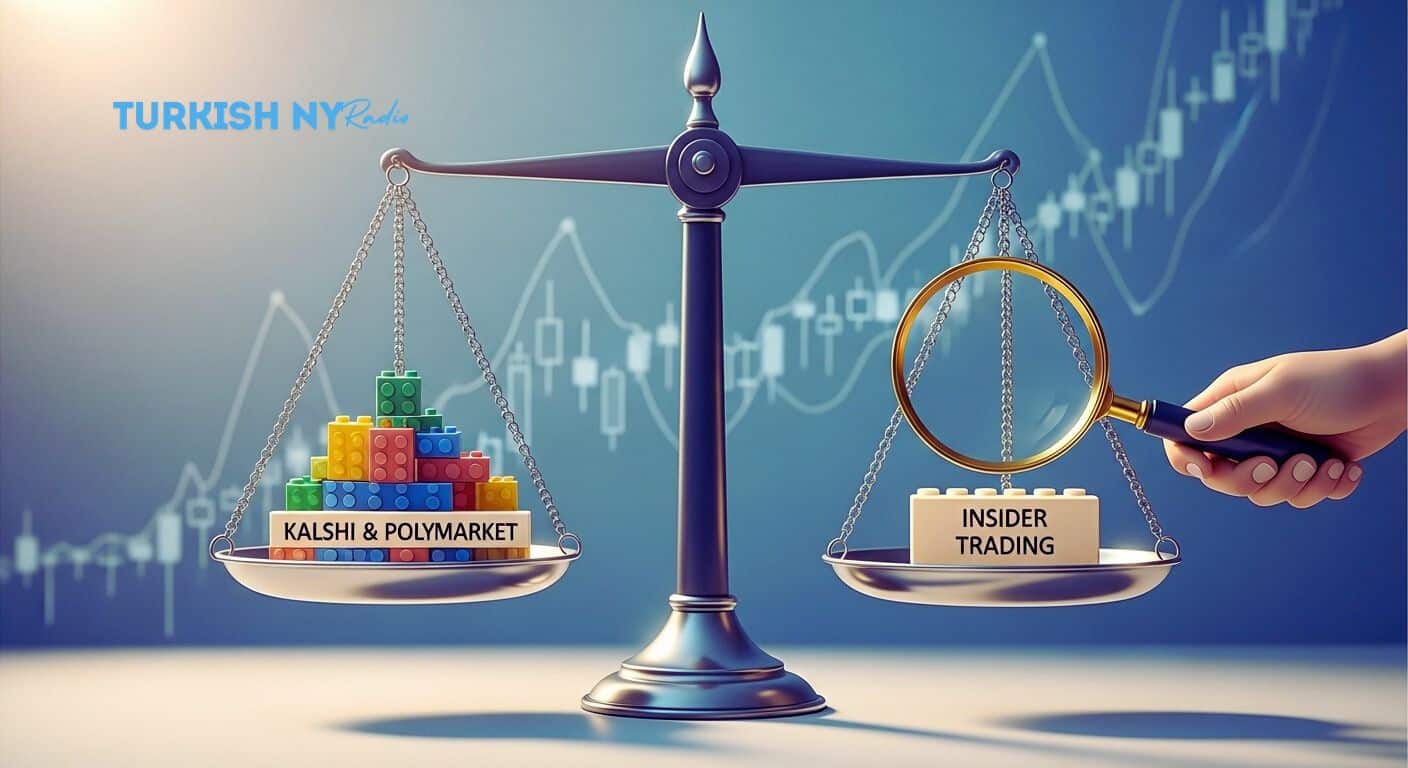
The Kalshi and Polymarket insider trading crackdown is beginning to reshape how prediction markets operate, as both platforms move to limit unfair advantages and address rising regulatory pressure in the United States.


On the same day lawmakers introduced new legislation targeting event-based contracts, the two platforms rolled out updated restrictions aimed at curbing misuse of sensitive information.
The timing reflects growing concern that prediction markets may be vulnerable to manipulation when participants have access to non-public insights.
Kalshi and Polymarket Insider Trading Crackdown
Kalshi announced that political candidates will no longer be allowed to trade on contracts related to their own campaigns. The platform also extended restrictions to individuals directly involved in sports events, including athletes, referees, and team staff.


Polymarket followed with broader measures under the Kalshi and Polymarket insider trading crackdown, focusing on users who trade using confidential data, illegal tips, or direct influence over event outcomes. The company stated that these rules are intended to ensure a fair environment for all participants.
These updates show that both platforms are trying to act ahead of stricter enforcement rather than waiting for regulatory intervention.
Kalshi and Polymarket Insider Trading Crackdown Concerns
Recent activity across prediction markets has added urgency to the Kalshi and Polymarket insider trading crackdown.
Analysts pointed to unusual trades placed shortly before major geopolitical developments, raising questions about whether some users had access to privileged information.
In comments reported by The Guardian, former Cointelegraph research analyst Ben Yorke said, “someone with some degree of inside info” likely influenced certain trades linked to Iran-related events.
He also noted that multiple accounts appeared to be used, suggesting attempts to avoid detection.
Such incidents have increased pressure on platforms to strengthen monitoring systems and prevent coordinated trading behavior that could distort market outcomes.
US Lawmakers Push to Restrict Event-Based Contracts
At the same time, the Kalshi and Polymarket insider trading crackdown is unfolding alongside new legislative efforts in Washington. US Senators Adam Schiff and John Curtis introduced the Prediction Markets Are Gambling Act, which seeks to ban contracts that resemble sports betting or casino-style games.
Schiff stated,
“Sports prediction contracts are sports bets just with a different name.”
Curtis added that the proposal would help clarify regulatory authority and allow states to retain control over gambling-related activities.
If passed, the bill could significantly change how prediction markets structure their offerings, especially in sports-related categories.
Industry Pushes Back Against Proposed Rules
Kalshi maintains that its policy changes were already underway before the legislation was introduced, emphasizing that the company has been preparing for tighter oversight.
CEO Tarek Mansour criticized the bill, writing,
“This bill isn’t about protecting consumers; it’s about protecting monopolies.”
His comments reflect a broader concern within the industry that new rules could limit competition rather than address core issues.
Meanwhile, legal disputes continue across several US states, where regulators argue that certain contracts fall under gambling laws. Platforms, however, maintain that their operations fall within federal oversight through the Commodity Futures Trading Commission.
Blockchain Data Offers Transparency, but Challenges Remain
The Kalshi and Polymarket insider trading crackdown also highlights the importance of blockchain-based transparency. Platforms such as Etherscan and Blockchain.com allow analysts to track transaction flows and identify unusual patterns.
However, tracking alone does not prevent misuse. Users can spread activity across multiple wallets, making enforcement more difficult. This limitation continues to shape discussions around compliance tools and real-time monitoring systems.
What Comes Next for Prediction Markets
The Kalshi and Polymarket insider trading crackdown marks a turning point for the sector. Platforms are under pressure to prove they can operate fairly while regulators decide how these markets should be classified.
The outcome will likely depend on how effectively companies implement safeguards and whether lawmakers move forward with stricter rules. For now, prediction markets are entering a phase where transparency, compliance, and trust will define their future direction.
Summary
- Kalshi and Polymarket have tightened their rules to make trading fairer and reduce the risk of insider advantages.
- People with direct access to outcomes, like politicians or sports insiders, are now restricted from trading.
- Unusual trades linked to global events raised concerns about possible misuse of private information.
- US lawmakers are considering new rules that could treat some contracts as gambling.
- Blockchain data improves transparency, but stopping misuse is still challenging.
Glossary of Key Terms
1. Prediction Market
A place where people guess what might happen in the future, like election results or sports outcomes, and earn rewards if their predictions turn out right.
2. Insider Trading
This happens when someone uses secret or private information to make trades. It’s like getting the answers before a test while everyone else studies.
3. Event Contracts
These are simple agreements based on real-world events. For example, you might predict if a team will win or a candidate will succeed.
4. Market Manipulation
When someone tries to unfairly influence the market, like spreading false information to trick others. It creates an uneven playing field for everyone involved.
5. Regulatory Oversight
This means authorities are watching and setting rules to keep things fair. Think of it like referees making sure a game is played properly.
6. Blockchain Transparency
A system where transactions are open for anyone to see and verify. It’s like a public record book that helps build trust among users.
7. Compliance
Following the rules set by regulators. Just like businesses follow safety laws, platforms must meet certain standards to operate properly and gain user trust.
8. Confidential Information
Private details that aren’t shared publicly. Using this kind of information in trading gives someone an unfair advantage over others who don’t have access.
FAQs About Kalshi and Polymarket
1. What is the Kalshi and Polymarket insider trading crackdown?
It’s a set of new rules designed to keep trading fair. Both platforms are limiting insider advantages and trying to ensure everyone plays by the same rules.
2. Will these changes cost users anything or affect payments?
There are no new fees for users. However, some traders may face restrictions, which could impact how and whether they can participate on the platforms.
3. How do these rules help everyday traders?
These updates make trading more balanced by reducing manipulation risks, so regular users are not competing against people with insider knowledge or unfair advantages.
4. What should users expect going forward?
Users can expect stricter checks, better monitoring, and possible changes to available markets as platforms adjust to regulations and focus more on compliance and transparency.