A Market Under Siege
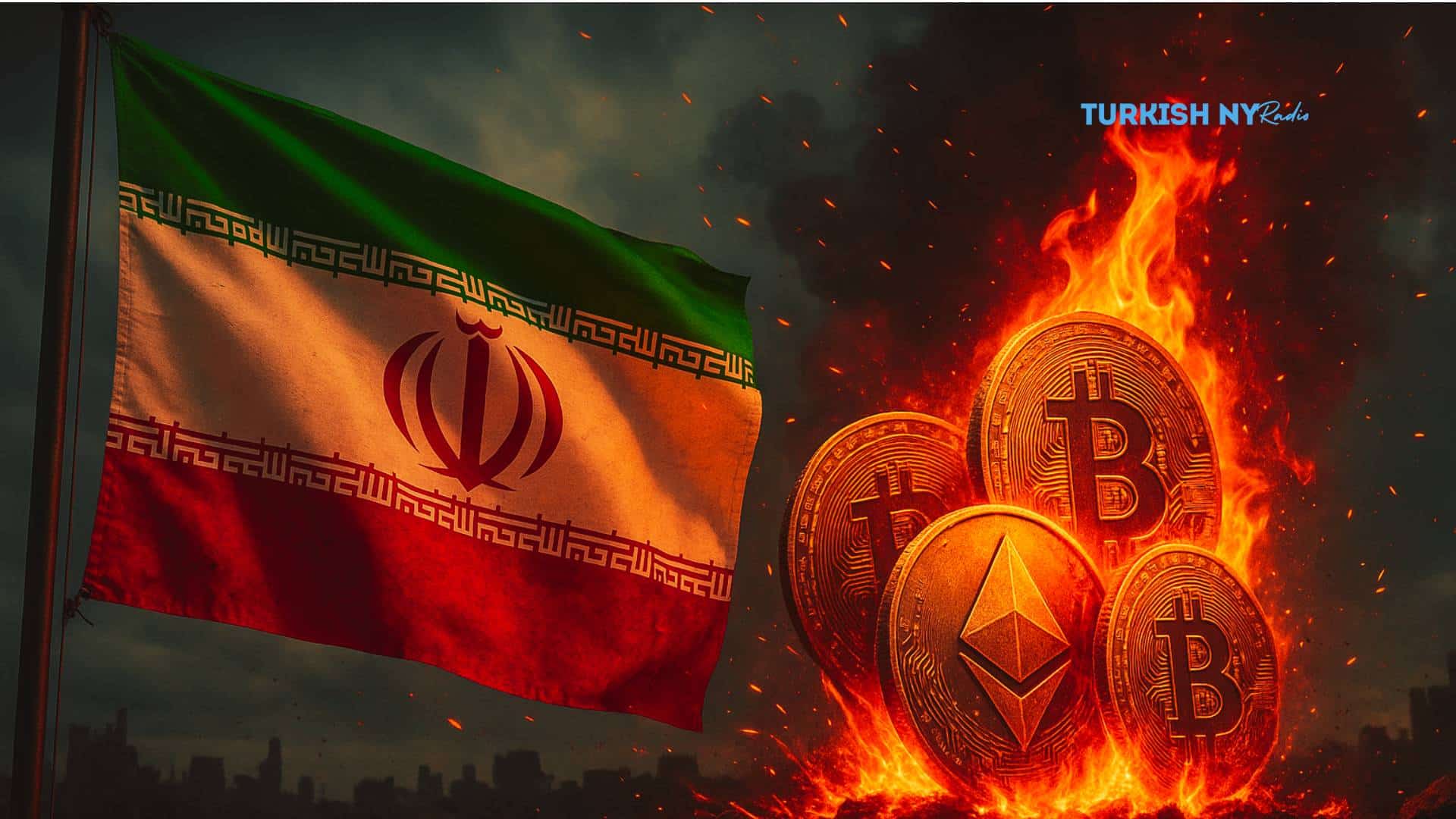
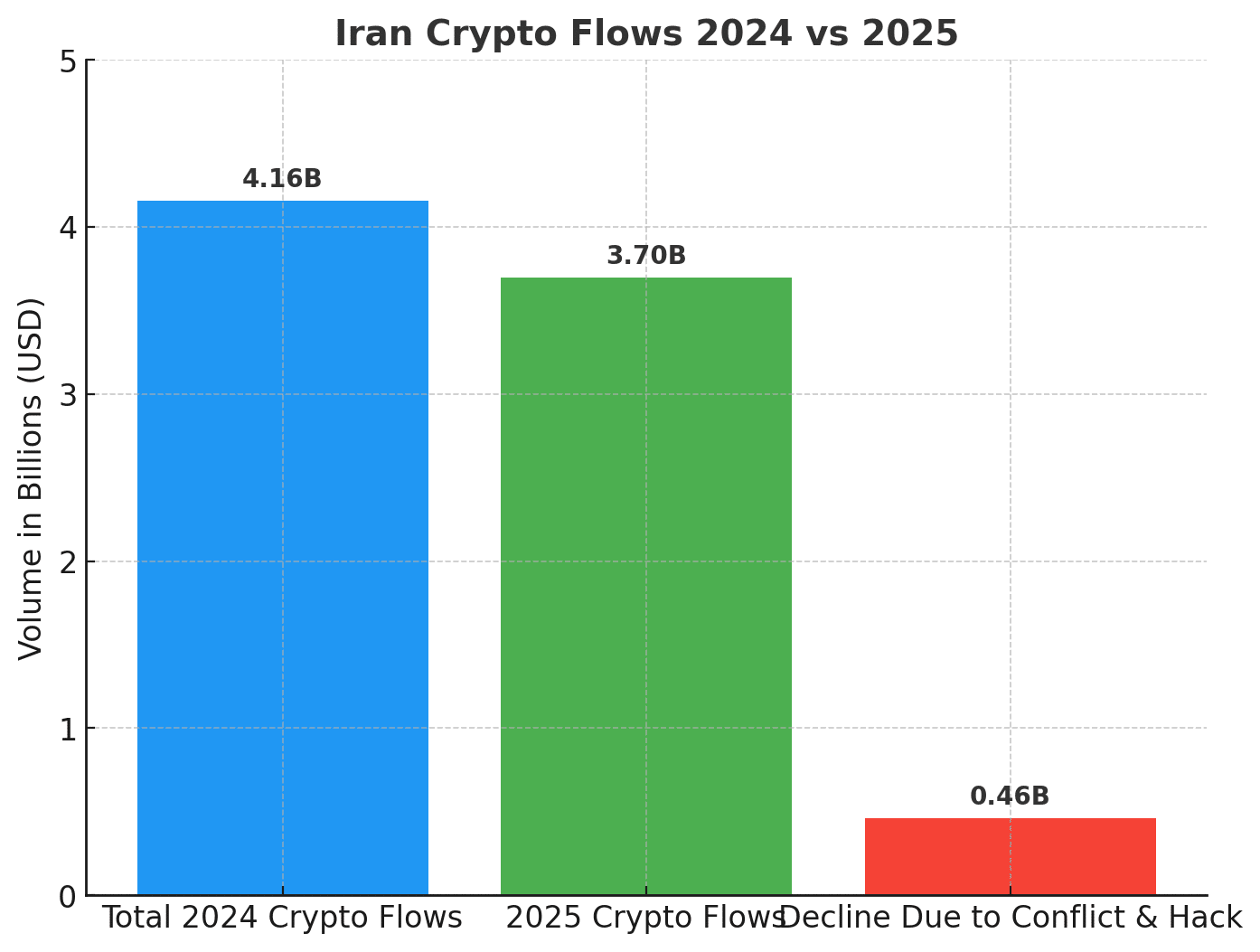
Iran’s crypto economy has seen a steep 11% drop in trade volumes this year, falling to $3.7 billion in the first seven months of 2025.


The decline is the result of geopolitical strife, hacking, and stablecoin limitations, all of which have changed the region’s digital asset ecosystem.
The most significant losses occurred in June and July, when political tensions and exchange failures conspired to stall progress.
The Nobitex Breach That Shattered Confidence
The most severe blow occurred on June 18, when Nobitex, Iran’s largest bitcoin exchange, was hacked. Nobitex, which handled over 87% of the country’s cryptocurrency transactions, lost $90 million in the attack.
Predatory Sparrow, a pro-Israel cyber organization, claimed responsibility for destroying assets and moving them to unrecoverable blockchain addresses.
Reuters confirmed that the stolen cash were destroyed rather being transferred to profit-seeking wallets, as a symbolic effort to damage Iran crypto flows.
The breach is part of a rising cyber conflict between Israel and Iran, with digital platforms becoming frontline targets. For users, the hack broke trust, interrupting liquidity and highlighting the dangers of centralized exchanges in politically unstable countries.
Geopolitics and Power Outages Add pressure
The hack was only part of the picture. The collapse of nuclear talks and a 12-day confrontation with Israel in mid-June harmed economic stability.
Cyber attacks apparently triggered rolling power outages, hampering internet services and further limiting cryptocurrency transaction volume.
These failures caused periods in which traders were unable to access exchanges or wallets, exacerbating the consequences of declining trust.
Stablecoin Sanctions Cut Off Liquidity
In addition to attacks and disputes, Tether seized 42 wallets tied to Iranian businesses. This decision shut off essential access to USDT, Iran’s most liquid stablecoin for many years.
Users were compelled to switch to alternatives such as DAI on Polygon, but the abrupt change depleted liquidity and caused inefficiencies.
TRM Labs reported that while crypto inflows fell, outbound flows remained strong, demonstrating how digital assets continue to function as a lifeline for transferring funds across borders.
Resilience amidst decline
Despite the 11% drop, Iran’s reliance on digital assets remains high. Cryptocurrency continues to serve as a hedge against inflation and a means of avoiding sanctions.
Analysts say that, despite dropping volumes, cryptocurrency growth in Iran demonstrates the resilience of decentralized technologies in difficult contexts. The Financial Times stressed that this isn’t just about money; it’s about how cryptocurrency fits into larger geopolitical plans.
At the same time, the Nobitex theft has increased interest in decentralized exchanges and peer-to-peer networks, which give consumers more control over their money.
Developers in the region are apparently looking on decentralized solutions to lessen dependency on centralized hubs, which might be targeted in future assaults.
Conclusion
Iran crypto flows may have declined by 11%, but the drop is due to more than simply market factors. It focuses on how conflict, cyber warfare, and sanctions are transforming how states deal with digital assets.
The Nobitex breach serves as both a warning and a turning point, prompting consumers to seek alternatives while demonstrating the vulnerability of centralized exchanges in high-risk areas.
The coming months will tell if resilience or repression defines the next chapter of Iran crypto flows.
Glossary
Nobitex – Iran’s largest cryptocurrency exchange, handling most national volume.
Stablecoin – A cryptocurrency pegged to a stable asset like the US dollar.


USDT (Tether) – The most widely used stablecoin, often a target of sanctions.
Predatory Sparrow – A pro-Israel hacking group linked to cyberattacks on Iran.
Decentralized Exchange (DEX) – A trading platform without centralized control or custody.
FAQs for Iran crypto flows
Q1: Why did Iran’s crypto flows fall in 2025?
Because of the Israel conflict, the Nobitex hack, and Tether sanctions that cut liquidity.
Q2: How much was lost in the Nobitex hack?
Hackers destroyed around $90 million in assets by sending them to unrecoverable addresses.
Q3: What role did Tether play in the decline?
Tether froze 42 wallets tied to Iran, restricting access to USDT, the nation’s primary stablecoin.
Q4: Is crypto still important in Iran despite the drop?
Yes, it remains vital for hedging inflation and enabling cross-border capital movement.