![Sun [New]](https://s2.coinmarketcap.com/static/img/coins/64x64/10529.png)



This article was first published on TurkishNY Radio.
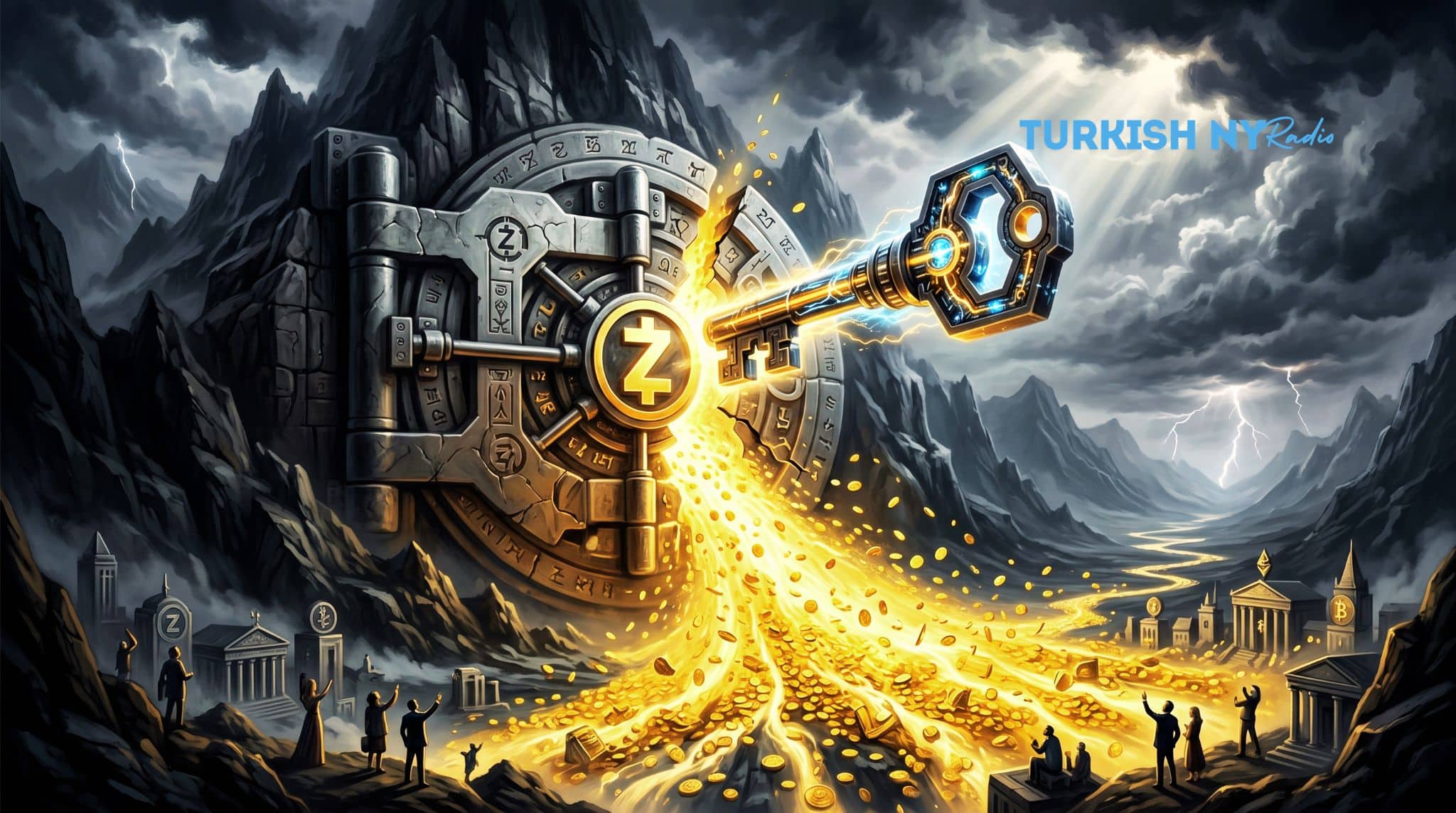
Grayscale’s latest Zcash filing has pushed privacy coins into a conversation that once seemed unlikely regulated Wall Street access.


Grayscale filed a Form S-3 with the U.S. Securities and Exchange Commission to convert its existing Zcash Trust into a spot ETF.
If approved, the fund would trade on NYSE Arca under the ticker ZCSH and become the first U.S. spot ETF linked to a privacy-focused cryptocurrency.
The Grayscale Zcash ETF would not be a new fund built from scratch. It would convert an existing trust that already holds ZEC. The trust held 391,103.89 ZEC, valued at about $99.4 million.
Why the Grayscale Zcash ETF Matters for ZEC
The timing is important. Earlier this year, the SEC closed its investigation into the Zcash Foundation without taking enforcement action. That removed one of the biggest legal concerns around ZEC and gave Grayscale more room to move forward with an ETF structure.
For years, privacy coins have struggled to gain institutional acceptance because regulators often associate them with money laundering risks. Zcash is different from some privacy coins because its privacy feature is optional. Users can choose transparent or shielded transactions.
That matters for the Grayscale Zcash ETF because Coinbase Custody would hold the fund’s ZEC in transparent addresses. In simple terms, the ETF would give investors exposure to ZEC’s price, but it would not give them private transactions.
How the Grayscale Zcash ETF Would Work
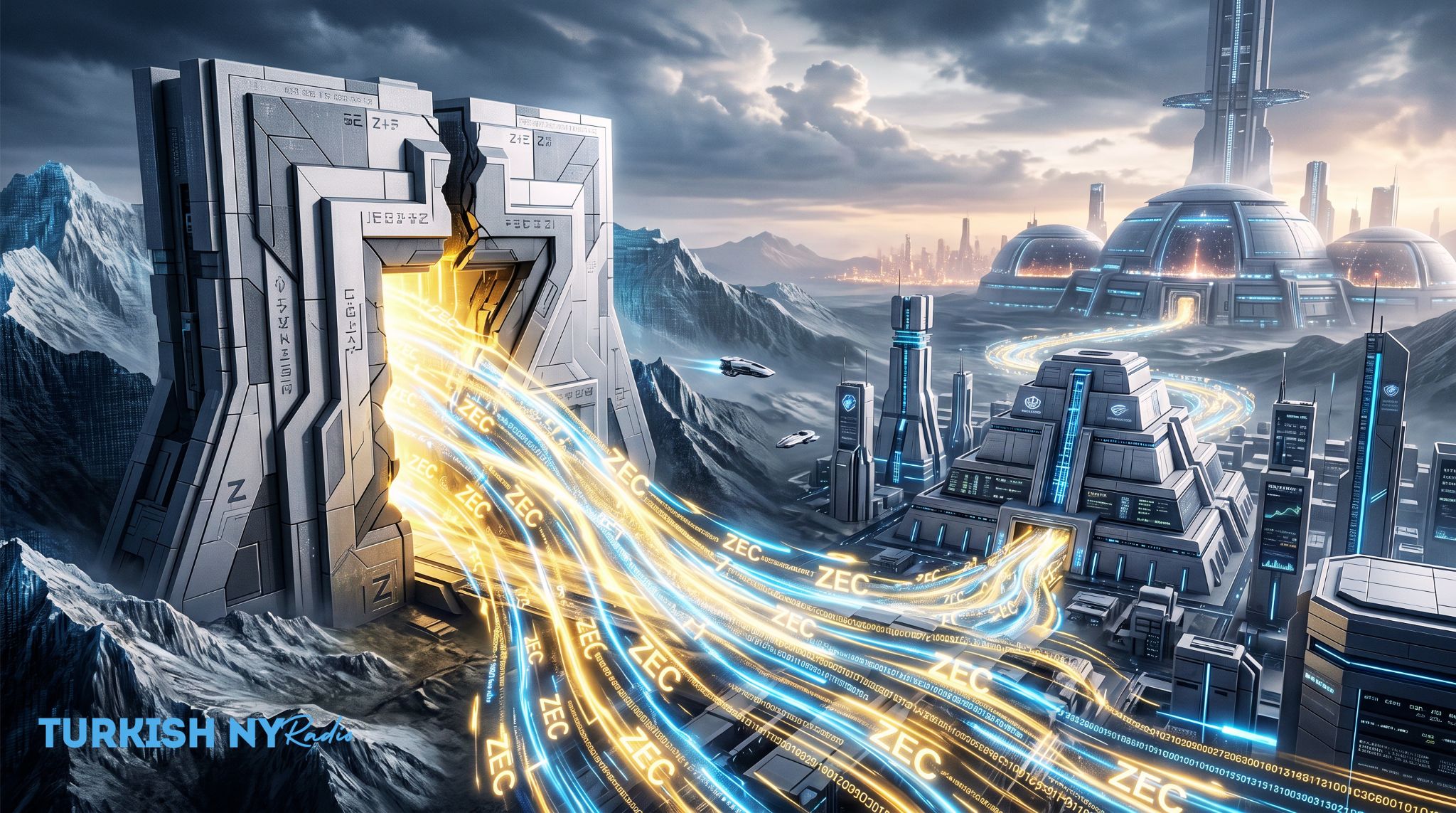
The Grayscale Zcash ETF would hold real ZEC tokens, not futures or synthetic products. Coinbase Custody would secure the assets, BNY Mellon would handle administration, and the fund would track the CoinDesk Zcash Price Index.
This setup is similar to how other spot crypto ETFs work. Investors would be able to buy shares through traditional brokerage accounts without managing wallets, private keys, or crypto exchanges.
That could open the door for investment advisers, family offices, and funds that cannot hold ZEC directly but can invest through regulated ETF products.
Could It Change ZEC’s Market?
The Grayscale Zcash ETF could have a strong impact because ZEC is much smaller than Bitcoin or Ethereum. Even modest inflows may matter more.
Some estimates suggest the ETF could attract hundreds of millions of dollars if approved. Against ZEC’s smaller market size, that demand could tighten available supply.
Zcash also has a growing amount of coins held in shielded addresses, which may reduce the number of ZEC actively available for trading. If the ETF buys more ZEC for fund shares, available supply could shrink further.
Why Zcash Has an Edge Over Other Privacy Coins
The filing also shows why Zcash may be easier to package into an ETF than Monero.
Monero uses privacy by default, which makes regulated custody harder. Institutions need clear records, visible holdings, and compliance checks. Zcash’s optional privacy model gives custodians a transparent path while still keeping privacy features available for regular users.
That does not mean other privacy coins will quickly follow. It means Zcash may be the first privacy coin with a structure regulators can understand and monitor.



What Comes Next
The approval process is not guaranteed. The SEC may ask for more details about custody, privacy risks, compliance, or investor disclosures.
Still, the filing marks a major step for privacy-focused assets. If the Grayscale Zcash ETF is approved, it could give ZEC a place inside regulated U.S. markets and create a template for similar products.
For now, the key question is simple: can a coin built around financial privacy fit inside the rules of traditional finance?
Grayscale is betting that Zcash can.
Summary
- Grayscale wants to turn its Zcash Trust into the first U.S. spot ETF tied to a privacy-focused cryptocurrency, using the ticker ZCSH.
- Instead of using Zcash’s private transaction system, the ETF would store real ZEC tokens in transparent Coinbase Custody wallets for regulatory compliance.
- The filing became possible after the SEC ended its Zcash investigation earlier this year without taking action.
- Many analysts believe easier institutional access could increase demand for ZEC and tighten available supply over time.
Glossary of Key Terms
Grayscale Zcash ETF
A proposed investment fund from Grayscale that would let people invest in Zcash through regular stock markets instead of buying and storing crypto themselves.
Zcash (ZEC)
A cryptocurrency focused on privacy that gives users the choice between public transactions or more private transfers hidden from public blockchain tracking.
Spot ETF
A fund that directly owns the real cryptocurrency instead of relying on futures contracts or price speculation tied to the asset.
Privacy Coin
A type of cryptocurrency built to keep transaction details more private by limiting how much information is publicly visible on the blockchain.
Coinbase Custody
A regulated crypto storage service used by institutions and investment firms to safely hold large amounts of digital assets like Bitcoin or Zcash.
Shielded Transactions
Special Zcash transactions that hide wallet details and transfer amounts, giving users an extra layer of financial privacy on the blockchain.
SEC Filing
An official application or document submitted to U.S. regulators when companies want approval for financial products such as crypto ETFs.
NYSE Arca
A major U.S. stock exchange where many exchange-traded funds are listed and traded, including several crypto-related investment products.
FAQs About Grayscale Zcash ETF
What is the Grayscale Zcash ETF?
The Grayscale Zcash ETF is a proposed investment fund that would let people gain exposure to ZEC through traditional stock markets without handling crypto wallets directly.
Why are people talking about the Grayscale Zcash ETF?
Many investors see the Grayscale Zcash ETF as a major step for privacy coins because it could bring regulated institutional money into the Zcash market.
Does the Grayscale Zcash ETF use Zcash privacy features?
No, the ETF would store ZEC in transparent Coinbase Custody wallets since regulated financial products require holdings to remain visible for compliance and reporting reasons.
When could the Grayscale Zcash ETF become available?
If regulators approve the application without unexpected delays, the Grayscale Zcash ETF could potentially begin trading sometime later during 2026.