This Article Was First Published on TurkishNY Radio.
Gold price advanced on Thursday as markets leaned harder into expectations of a U.S. Federal Reserve rate cut. Traders increased defensive positions. Investors also reacted to signs of easing financial conditions.


Rate-cut expectations strengthened after recent data signaled cooling pressures in parts of the economy. Gold price drew support from safe-haven flows and steady official buying.
Fed Cut Timing Comes Into Focus
Some investors see a first move as soon as the coming policy meetings. Others expect multiple cuts that could extend into 2026. That outlook tends to pressure the dollar. It can also lower bond yields. Both forces often lift Gold.
Gold also held up despite some profit-taking after recent highs. Short-term pullbacks appeared modest. Buyers returned on dips. Many desks said positioning remains constructive as long as the Fed narrative stays intact.
Also Read: Why Abu Dhabi’s Wealth Funds Are Treating Bitcoin Like Digital Gold
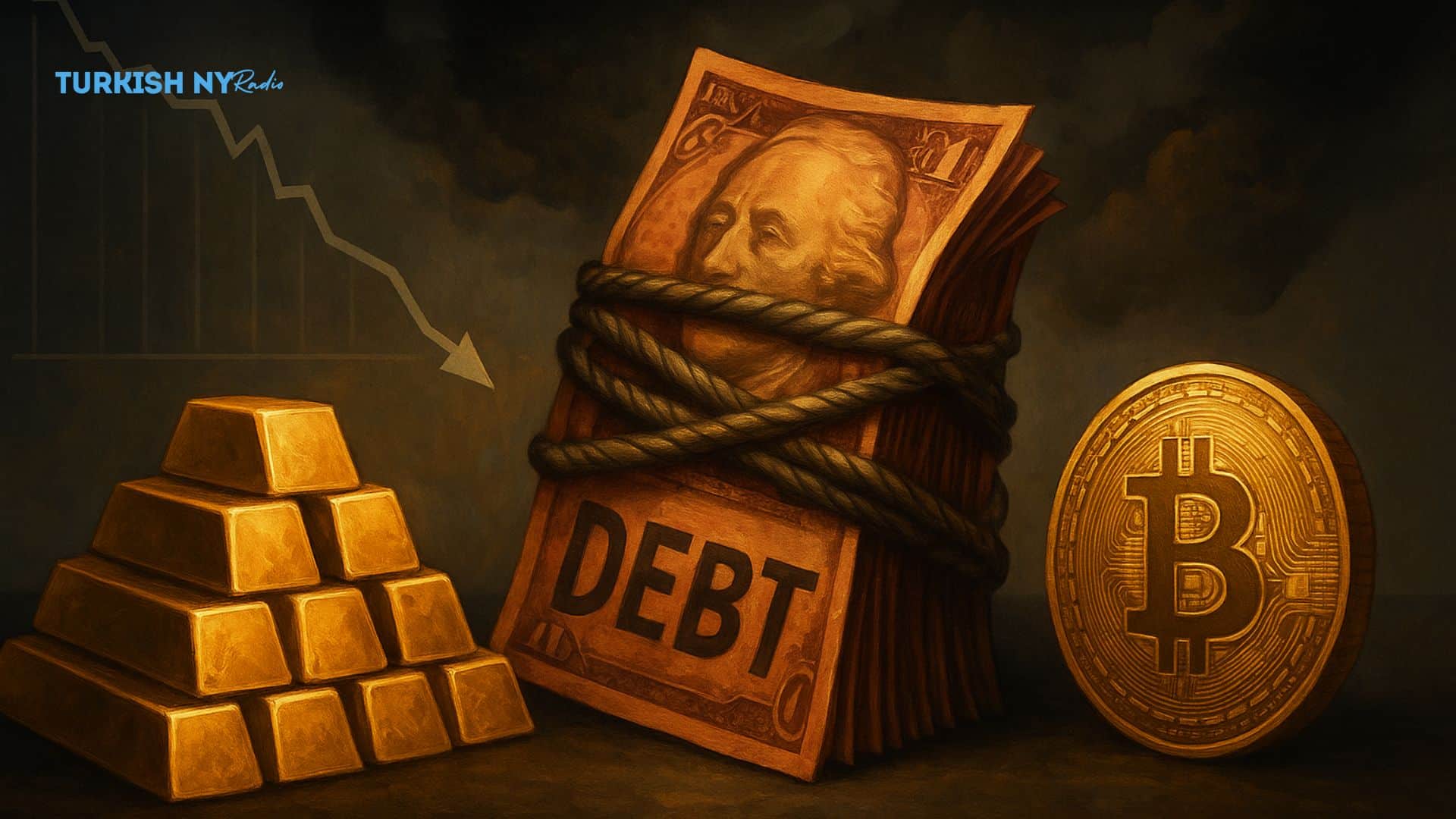
Another macro story stayed in focus. U.S. debt continues to rise. Some large asset managers argue debt dynamics could change how institutions hedge risk. That discussion has fed renewed attention on Bitcoin.
Crypto advocates call it “digital gold.” Supporters argue it can protect purchasing power during fiat weakness. Skeptics point to volatility and regulation risk.
Profit-Taking Fades As Buyers Return
Gold often rises when the market shifts toward easier policy. It does not pay interest. So the metal competes with yield-bearing assets. When yields fall, that competition eases. The same is true when the dollar softens.
Gold is also shaped by fear and uncertainty. Investors buy gold during stress. They also buy it when they want portfolio balance. That demand can come from funds, private investors, and central banks. Official-sector purchases can be large.
Beyond rates, markets are watching geopolitics. They are also watching growth risks. Inflation remains a key variable. So do labor conditions. These themes can alter the path of policy, and the path of Gold.
Fed Expectations Drive Safe-Haven Demand
Gold prices strengthened as traders priced lower borrowing costs ahead. Many investors view gold as a core defensive asset. It can serve as a hedge when confidence drops. It can also hold value when real yields fall. That link is central to today’s move in Gold.
Traders also said market psychology matters. When cuts look likely, risk assets can rally. Yet gold can still rise. That often happens when investors want both upside and protection. In that setting, Gold can benefit from diversified positioning.
Dollar and Yield Moves Support the Metal
A softer rate outlook can reduce support for the U.S. dollar. It can also cap Treasury yields. Both channels can influence Gold. Lower yields reduce the appeal of cash and bonds. A weaker dollar can lift international demand.
Analysts often watch real yields, not just nominal yields. Real yields subtract inflation expectations. When real yields fall, gold tends to look more attractive. That is another reason Gold has remained supported.


Profit-Taking Appears but Momentum Holds
Gold price faced light selling after earlier peaks. Some traders locked in gains. That is common after strong runs. Yet the broader trend stayed positive. Dip buying returned quickly. Many participants expect volatility around macro data.
Technical traders also track key chart levels. Breakouts can trigger fund flows. Pullbacks can draw bargain hunting. These flows can amplify daily moves in Gold.
Central Banks Keep Adding to Reserves
Central bank demand remains a major theme. Several nations have increased gold allocations in recent years. They often cite diversification and resilience. They also seek reduced reliance on single-currency reserves. Those factors can provide a structural bid.
This demand differs from speculative demand. It can be less sensitive to weekly price changes. It can also be driven by long-term policy choices. That can help anchor Gold during risk swings.
Debt Concerns Put Bitcoin Back in the Frame
U.S. debt has become a headline risk. Some strategists argue that persistent deficits could reshape investor behavior. In that view, institutions could seek new hedges. Bitcoin is often placed in that category.
Still, gold and Bitcoin are not the same hedge. Gold has deep history and broad acceptance. It is held by central banks. It trades in large size across venues. Bitcoin offers portability and a fixed supply narrative.
Even so, the debate can affect flows. It can affect narratives. It can also shape how investors talk about Gold in the context of modern hedges.
What Analysts Watch Next
Traders will focus on inflation prints, labor data, and Fed guidance. Any surprise can shift rate pricing fast. A hawkish turn could pressure Gold. A softer growth signal could lift it. Geopolitical shocks could also move markets quickly.
Investors will also track central bank buying signals. They will watch ETF flows too. They will monitor currency moves. All of these can influence Gold price day to day.
Conclusion
Gold prices rose as markets leaned into the idea of Fed rate cuts and easier conditions. The move was supported by yield and dollar dynamics. It was also supported by ongoing central bank demand. Debt concerns also revived comparisons with Bitcoin.
Yet gold’s depth and role in reserves keep it central to hedging. For now, Gold remains tied to policy expectations and risk sentiment.
Also Read: Gold Price Forecast: Can Gold Break $4,500 as the Dollar Weakens?
Appendix: Glossary Of Key Terms
Federal Reserve (Fed): The U.S. central bank that sets benchmark interest rates and guides monetary policy.
Rate Cut: A reduction in the Fed’s policy rate that can lower borrowing costs and influence markets.
Bond Yields: The returns investors earn on bonds; falling yields often support gold demand.
U.S. Dollar Index (DXY): A measure of the dollar’s strength versus a basket of major currencies.
Safe-Haven Asset: An investment that tends to hold value during market stress, such as gold.
Opportunity Cost: The potential return lost when choosing one asset (gold) over yielding assets (bonds).
Frequently Asked Questions About Gold Price
1- Why did the Gold price rise today?
Gold prices rose as traders priced in a higher chance of Fed rate cuts, which can weaken the dollar and lower yields.
2- How do rate cuts affect Gold price?
Rate cuts can reduce the opportunity cost of holding gold and can support Gold price through lower real yields.
3- Does Bitcoin replace gold as a hedge?
Bitcoin competes for some flows, but gold has wider institutional use and central bank demand, which still supports Gold price.
4- What else could move the Gold price next?
Inflation data, jobs reports, Fed statements, geopolitical risks, and ETF flows can all shift Gold price.