This article was first published on TurkishNY Radio.
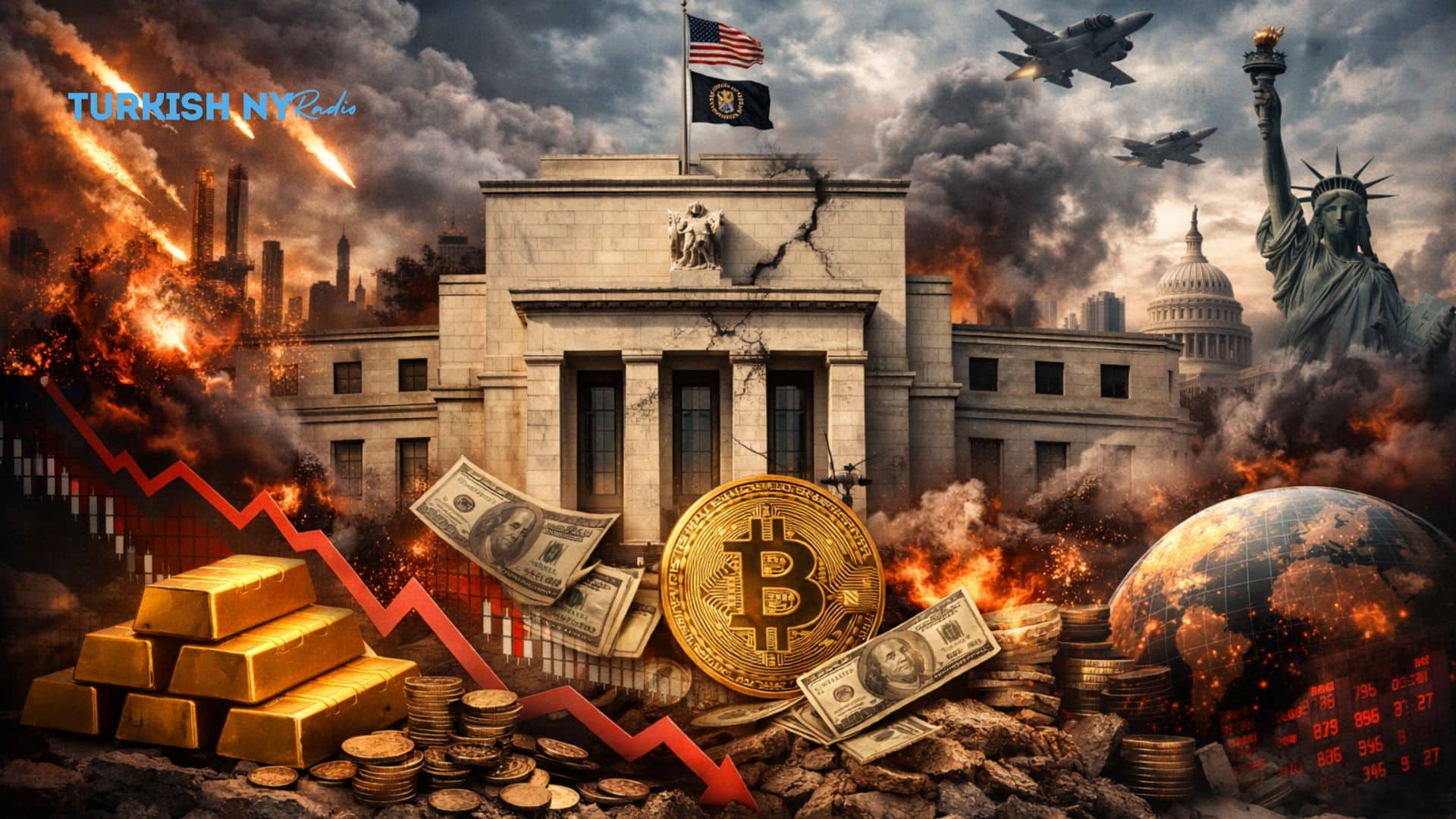
Fed independence became the market’s top risk signal. After Jerome Powell warned of grand jury subpoenas and possible political retaliation tied to his testimony on a Fed renovation project.


Investors reacted fast. Gold hit a new record above $4,600 an ounce on January 12. The dollar weakened, and traders treated Fed independence as a live risk factor, not a theory.


Powell said the subpoenas relate to testimony about cost overruns in a Federal Reserve building renovation. He called the pressure campaign political and said it was aimed at forcing rate cuts.
Markets Reprice Risk as Fed Independence Weakens
Reuters summed up the market tone as “stocks wobble, dollar dips.” Bitcoin and Ethereum climbed around 1.5% and 1.2% before pulling back as dollar losses widened. The reaction showed how Fed independence concerns can ripple into crypto, gold, and equities at once.
Fed independence matters because it shapes what markets believe about future policy. If investors think rate decisions can be influenced by legal threats or political pressure, they demand a higher risk premium.
Also Read: Fed Chair Jerome Powell Faces Criminal Inquiry Over Congressional Testimony
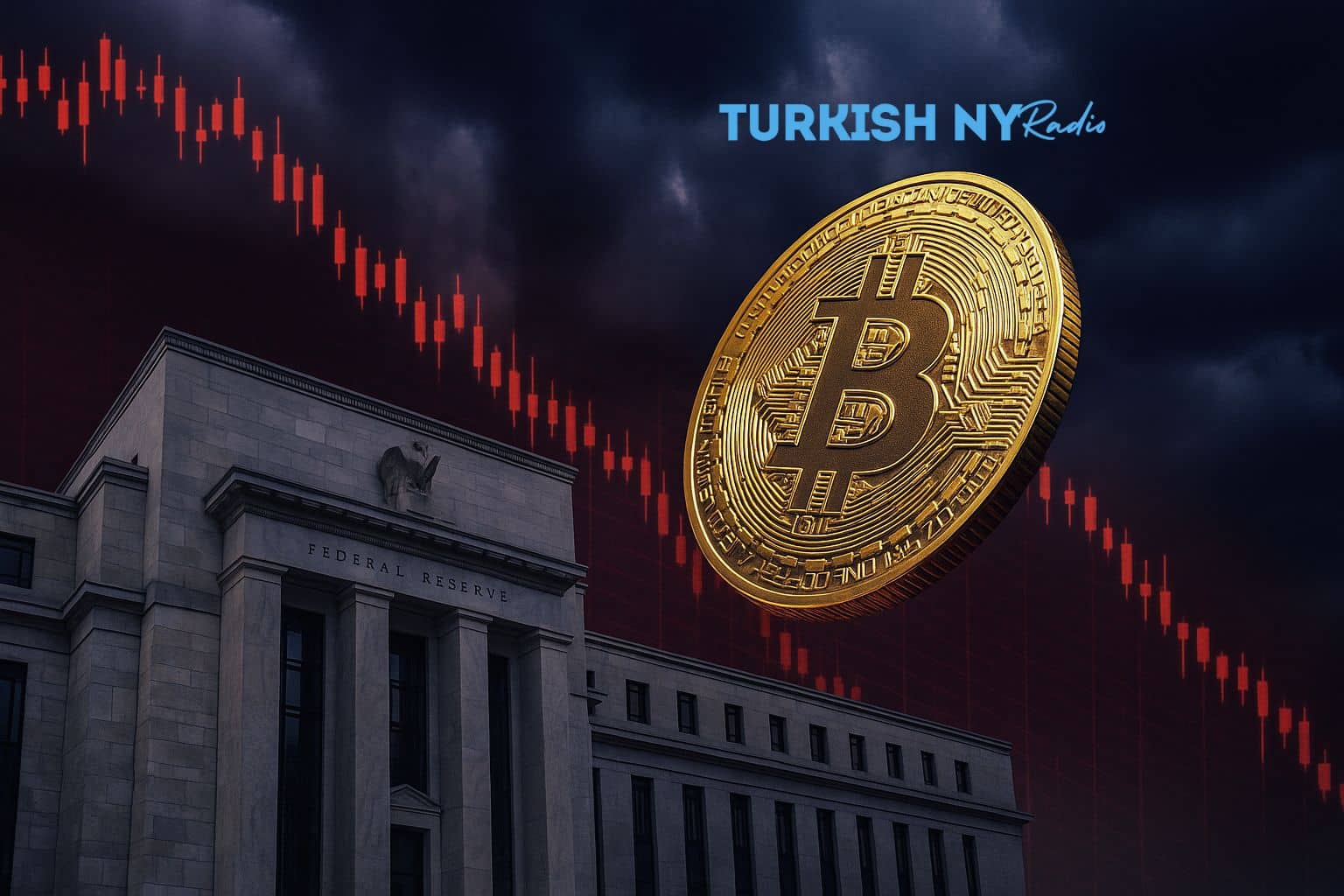
This episode landed during a period of wider geopolitical tension. Iran unrest added to risk-off positioning, while a separate Trump Truth Social post about Venezuela added political noise. In this environment, Fed independence became a proxy for institutional stability.
Fed Independence Returns as the Market’s Main Risk Signal
The phrase fed independence is usually discussed in policy circles. This week it moved into trading screens. Investors treated it as a credibility shock to the institution that sets the price of money.
A perceived crack in fed independence can change how markets interpret every Fed decision. It can turn routine rate debates into questions about legitimacy. That shift can move assets even before policy changes occur.
Gold Surges as Investors Seek Shelter From Policy Risk
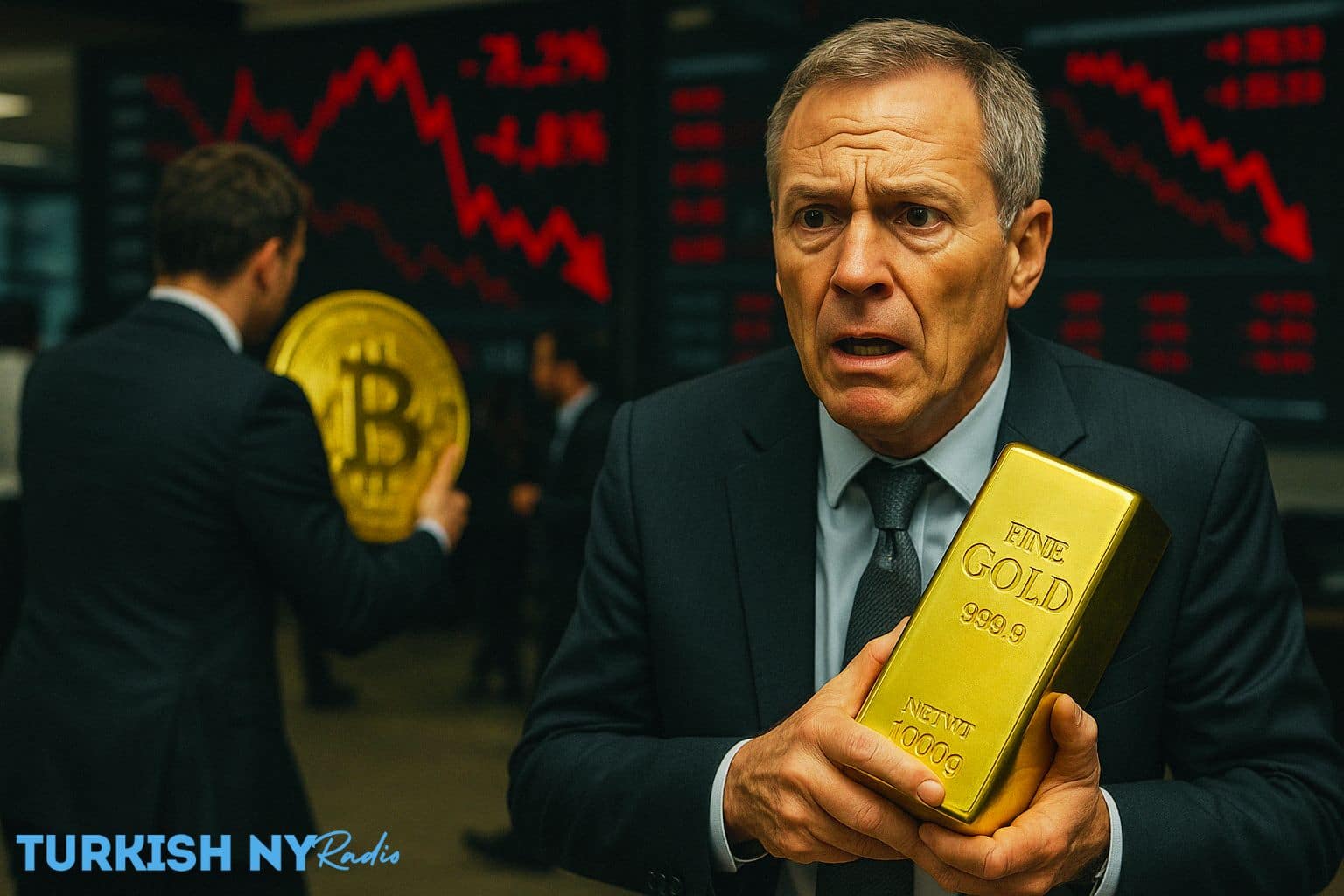
Gold jumped above $4,600 as investors moved into defensive positions. The spike reflected a classic flight to safety in response to geopolitical danger and Fed independence uncertainty. Spot prices later eased, but the message was clear.
Markets tend to favor assets that sit outside political pressure. Gold benefits when trust in institutions weakens. Fed independence concerns can accelerate that behavior, especially when headlines arrive suddenly.
Dollar Weakness Signals a Credibility Shock
The dollar index dropped as traders absorbed the escalation. Reuters framed it as a move tied to political and fiscal uncertainty. A falling dollar often reflects declining confidence in policy predictability.
Fed independence plays into that confidence. If investors doubt the Fed can act freely, they reassess the long-term credibility of monetary policy. That reassessment can push capital toward currencies and assets seen as safer.
Crypto Reacts When Macro Turns Into a Trust Story
Crypto initially rose as the headlines hit. Bitcoin and Ethereum gained before pulling back as broader risk markets adjusted. The swing showed that crypto does not trade only on “rates up, Bitcoin down” logic.
Fed independence can support Bitcoin’s narrative in moments like this. Bitcoin is often framed as an asset built for distrust in institutions. When fed independence gets questioned, that story becomes louder, even if short-term volatility interrupts it.
Term Premium Becomes the Bond Market’s Warning Label
When institutional stability is questioned, investors demand extra compensation for holding long-dated bonds. That extra compensation is a term premium. It tends to rise when uncertainty increases, even without a major change in near-term rate expectations.
Fed independence fears can lift term premium because they introduce governance uncertainty. Some analysts track the New York Fed’s ACM term premium estimate for signals. When that premium rises, it often reflects a market saying the future is less predictable.
MOVE Index Shows How Volatility Can Hit Liquidity
Uncertainty creates volatility. Volatility tightens leverage. That process can hit crypto fast through funding rates and liquidation waves. In rates markets, this is often tracked through the MOVE index, a measure tied to Treasury volatility.
Fed independence risk can raise MOVE by increasing policy uncertainty. Higher rates of volatility can reduce risk appetite across all markets. That can overpower the “Bitcoin as hedge” narrative in the short run because forced unwinds do not wait for sentiment to stabilize.
2026 Turns Fed Independence Into a Calendar Trade
Markets handle noise better than deadlines. But 2026 comes with dates. Powell’s chair term ends in May 2026, which turns succession into a pricing variable.
There is also a legal timeline. The Supreme Court is expected to hear arguments tied to President Trump’s effort to remove Fed Governor Lisa Cook, with oral argument scheduled for January 2026 based on legal analysis and reporting..
Conclusion
The Powell subpoena disclosure turned fed independence into a market-priced risk. Gold surged, the dollar dropped, and crypto moved with headline-driven volatility. Traders treated the story as bigger than one Fed meeting because it touched institutional credibility.
If fed independence remains under pressure, investors will keep demanding compensation through term premium, volatility pricing, and hedge demand. That would keep Bitcoin, gold, and the dollar tied to the same question: how stable is the rulebook.
Also Read: Why Federal Reserve Repo Liquidity Spiked to a Record $74.6B at Year-End
Appendix Glossary of Key Terms
Fed Independence: The Fed’s ability to set policy without political control.
Grand Jury Subpoenas: Legal orders demanding records or testimony in a probe.
Term Premium: Extra yield investors demand for holding long-term bonds.
Dollar Index (DXY): Measure of the U.S. dollar against major currencies.
MOVE Index: Benchmark tracking expected volatility in U.S. Treasury markets.
Safe Haven Assets: Defensive holdings like gold during uncertainty or crisis.
Risk-Off Rotation: Shift from risk assets into safer investments.
Governance Risk: Market fear that institutions can be pressured or altered.
Frequently Asked Questions About Fed Independence
1- What is Fed independence?
Fed independence refers to the Federal Reserve making policy decisions without political interference. It is meant to protect credibility and inflation control.
2- Why did Powell mention subpoenas?
Powell said grand jury subpoenas were issued tied to testimony on a Fed renovation project. He also warned of political pressure linked to rate policy.
3- Why did gold surge above $4,600?
Gold rose as investors moved into safe-haven assets amid Iran unrest and rising Fed independence concerns.
4- How did crypto react?
Bitcoin and Ethereum climbed early, then retraced as dollar weakness and volatility spread across markets. Traders treated the story as a trust shock.