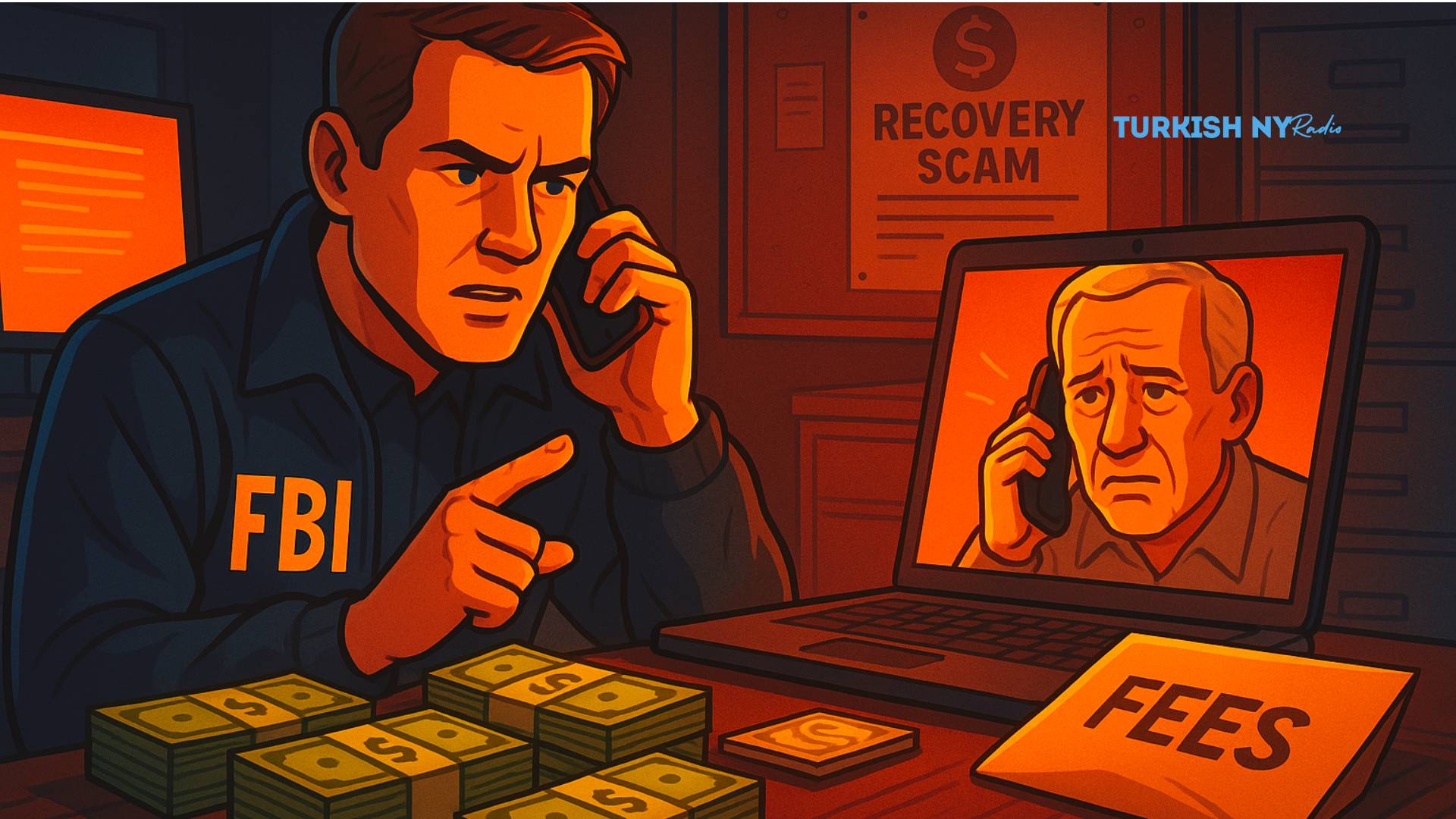
The FBI has issued a fresh warning about a new type of fraud: the crypto recovery scam. Criminals are posing as law firms or government agencies, promising to recover funds lost in previous crypto scams. Instead of helping, they exploit victims a second time, taking advantage of desperation and trust.
As digital assets gain popularity, scams are evolving quickly. The FBI’s alert highlights the urgent need for investors and victims alike to recognize the dangers of these fraudulent recovery offers.


Fraudulent Law Firms Exploiting Crypto Victims
According to the FBI’s Internet Crime Complaint Center (IC3), scammers have begun impersonating legitimate law firms. They contact individuals who have already lost money to investment fraud, claiming they can retrieve stolen funds for a fee.
This type of crypto recovery scam preys on victims’ hope. Rather than recovering money, the fraudsters demand upfront payments, legal fees, or “processing costs,” only to disappear once the funds are transferred.
Also read: Crypto Scammer Gets 12 Years After Flaunting $20M
Operation Level Up and FBI Efforts
The FBI’s broader initiative, Operation Level Up, has already identified and notified thousands of victims about crypto scams. Since 2024, this program has saved victims an estimated $400 million by intervening early.
In its latest update, the FBI stressed that while programs like Operation Level Up reduce first-wave frauds, the crypto recovery scam represents a dangerous second wave. Victims often don’t realize they’re being deceived again until it’s too late.
“These recovery scams are particularly cruel because they target people who are already financially and emotionally devastated,” an FBI spokesperson noted.
FBI Pittsburgh – X account
“The FBI is warning about scammers posing as fake law firms to target crypto scam victims. They’re not here to help, they’re here to steal.”
formerly Twitter
Why the Crypto Recovery Scam Works
The psychology behind the crypto recovery scam is simple: people want closure. After losing money, they are eager for any chance to recover it. Fraudsters exploit this urgency by presenting professional-looking websites, fake legal documents, and even fabricated case numbers.
Victims are often told to pay for “international court filings” or “blockchain tracing fees.” Each request seems reasonable, but once paid, the scammers vanish.
Real Victims Share Their Experience
One victim from California reported paying over $15,000 to a group claiming to be an international legal team. “They sent me contracts and official-looking paperwork. It felt real. Only later did I realize it was another crypto recovery scam,” she said.
Another victim in Europe shared that the scammers posed as a government agency, complete with fake badges and seals. “They told me they could freeze the wallet of the original scammer. I believed them. I wish I had checked first,” he admitted.
Protecting Yourself from the Scam
The FBI recommends several steps to avoid becoming a target of a crypto recovery scam:
-
Be skeptical of anyone promising guaranteed recovery of stolen crypto.
-
Verify credentials of any law firm or agency that contacts you.
-
Report suspicious offers directly to the FBI’s IC3 website.
-
Do not send more money in hopes of retrieving previous losses.
 ADVERTISEMENT


Conclusion
The crypto recovery scam is a harsh reminder that fraud does not always end after the first deception. Criminals are becoming more creative, preying on emotions as much as financial desperation. The FBI urges victims to remain vigilant and avoid trusting unsolicited recovery offers.
Crypto investors should understand that recovery is rarely guaranteed, and legitimate law firms or agencies will not demand upfront fees without formal contracts.
Also read: Connecticut Crypto Scam Recovery Results in Seizure of $63,500
Summary
The FBI has issued a warning about a growing crypto recovery scam, where fraudsters impersonate law firms and government agencies, promising to recover funds lost in crypto scams. Instead, they exploit victims a second time, demanding fees and disappearing with the money. This scam highlights the evolving nature of crypto fraud, with criminals targeting individuals at their most vulnerable. Victims are advised to remain skeptical, verify credentials, and report suspicious activity to the FBI’s IC3 platform.
Glossary of Key Terms
Crypto recovery scam – A fraudulent scheme where scammers pose as recovery services to steal money from previous victims.
IC3 (Internet Crime Complaint Center) – An FBI unit that collects and analyzes cybercrime complaints.
Operation Level Up – FBI initiative to warn potential victims of ongoing crypto scams.
Pig butchering scam – A type of fraud where scammers build trust with victims before convincing them to invest in fake crypto schemes.
Upfront fee fraud – A scam that demands payment before providing a promised service or benefit.
FAQs for FBI Warns Against Rising Crypto Scams
1. What is a crypto recovery scam?
It’s a fraudulent scheme where scammers promise to recover stolen crypto but instead steal more money.
2. How can I spot a crypto recovery scam?
Look for red flags like upfront payments, unverifiable credentials, or guarantees of recovery.
3. Does the FBI actually recover stolen crypto?
The FBI investigates fraud but does not charge victims fees for recovery.
4. Can real law firms help in crypto recovery?
Some specialize in tracing funds, but legitimate firms will not cold-call or pressure you into paying.
5. Where can I report a suspected scam?
You can file a complaint with the FBI’s Internet Crime Complaint Center (IC3) at ic3.gov.