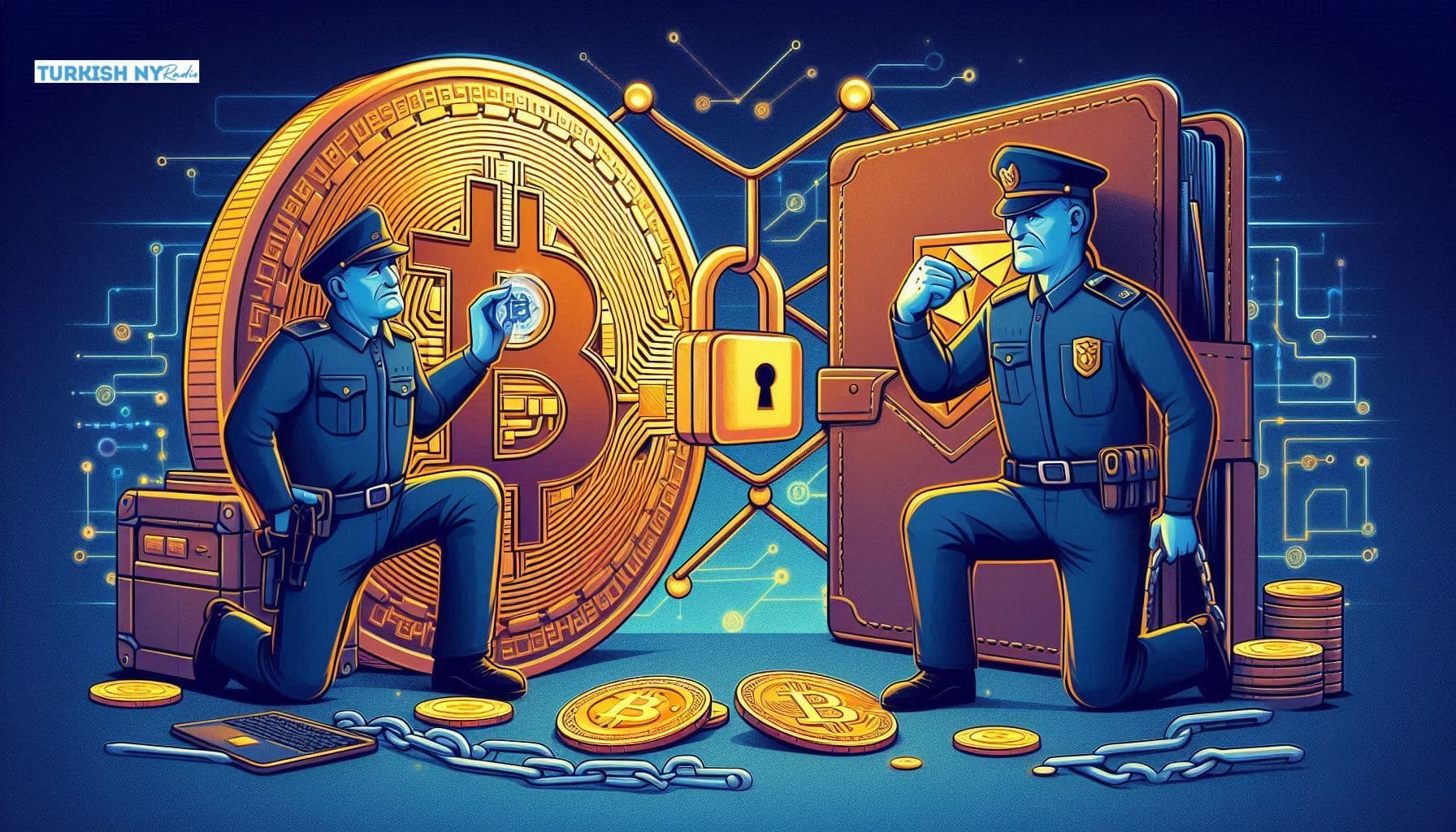
Choosing the right crypto wallet is one of the biggest decisions for investors and everyday users in the digital asset space. The debate between custodial vs non-custodial wallets; has become the central topic of discussion around security; convenience and financial freedom.
Custodial wallets (Coinbase, Kraken, Binance, etc.), provided by exchanges, offer ease of use but require users to trust a third party with their funds.


Non-custodial wallets (like MetaMask, Trust Wallet) give users full control of their private keys but also full responsibility on them. What type of wallet is suitable for different needs in today’s crypto market?
Custodial vs Non-Custodial Wallets: Key Differences
The main difference between custodial and non-custodial wallets is who holds the private keys. Custodial wallets rely on services like centralized exchanges or fintech apps to store crypto; while non-custodial wallets (including hardware and software wallets) leave that to the user.
A custodial platforms often store funds in cold storage with multi-signature authentication, while non-custodial wallets require users to manage their own seed phrases. In custodial vs non-custodial wallets, one offers built-in backup and support, the other offers full control.
Custodial wallets hand control to a provider, simplifying security and backup, but requiring trust in that service. Non-custodial wallets give users autonomy and privacy but require them to manage their own security measures.
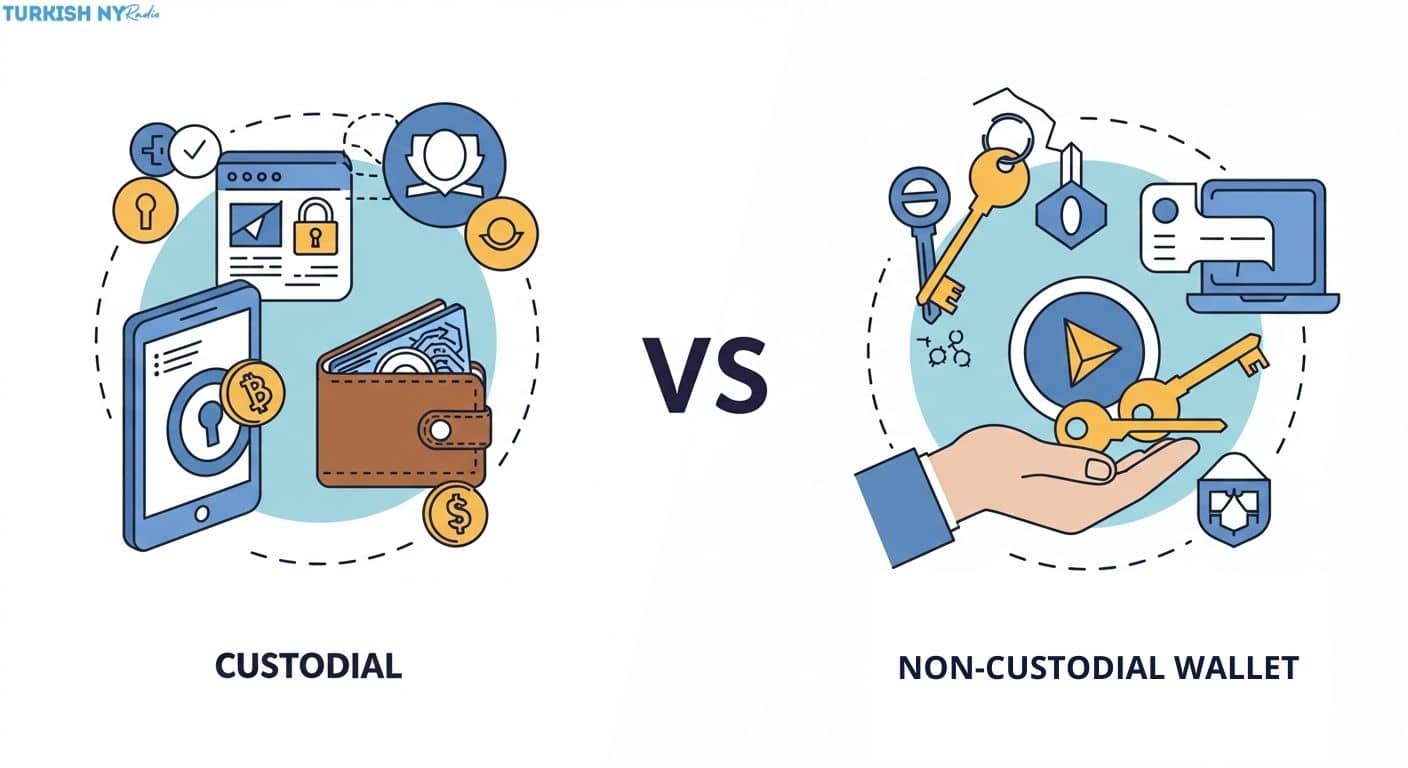
Losing access to a custodial wallet is often mitigated by customer support, but losing a non-custodial seed phrase means permanent loss.
Also read: How Protect Crypto Wallets in 2025: Expert Tips to Stop Hackers Cold
Pros and Cons of Custodial Wallets
| Pros | Cons |
| Easy to use since users don’t manage keys. | Users don’t have full control, they must trust the provider to store funds. |
| Exchanges or custodians handle security (often multi-sig, cold storage)and can help recover access if credentials are forgotten. | Providers can impose withdrawal limits, delays or freeze assets under regulatory pressure. |
| Custodial services follow regulations (KYC/AML) which can add legal protections for users | If the custodian is hacked, bankrupt or fraudulent, assets could be lost or seized. |
| Government regulations can also block access to your funds. |
Pros and Cons of Non-Custodial Wallets
| Pros | Cons |
| Users have full control of their keys and assets. | Users have no recovery support; if private key or seed phrase is lost, the funds are gone forever. |
| No exposure to exchange hacks or custodian failures, transactions can happen without permission or limits | Users must manage all security and backups, which is a higher technical burden. |
| Non-custodial wallets offer more privacy and censorship resistance; since no third party tracks activity. | Human error cannot be undone; e.g. sending crypto to a wrong address is permanent; and forgotten passwords are irrecoverable. |
| They enable direct interaction with DeFi and other Web3 services as the gateway to decentralized applications. |
Expert Analysis: Custodial vs Non-Custodial Wallets
Experts say it’s all about the trade-offs between convenience and security. After major exchange failures (e.g. FTX in 2022), analysts note “a crypto holder can ultimately really only trust themselves to shepherd and protect their assets”.
They also say true ownership comes from self-custody, with tokens as “building blocks for the new era of the internet” under user control. Others noted that custodians were created to offload key management from users, but many have operated outside regulatory oversight, sometimes resulting in lost funds.
These events prove that custodial wallets simplify security with professional safeguards, but introduce counterparty risk, whereas non-custodial wallets remove trust issues but demand discipline and technical know-how.
Surveys and market trends reflect these tensions. A Kraken survey found nearly half of U.S. crypto holders in late 2024 wanted stronger security protections.
Regulators, too, have weighed in; some European guidelines warn of high risks in purely self-custody setups. In practice; solutions like crypto-insurance; Proof-of-Reserves audits for exchanges, and hardware wallets with built-in recovery (social recovery or multisig); are emerging to bridge the gap.
Hence, a user’s wallet choice should match their priorities; that is, convenience and support versus autonomy and privacy.
Choosing the Right Wallet
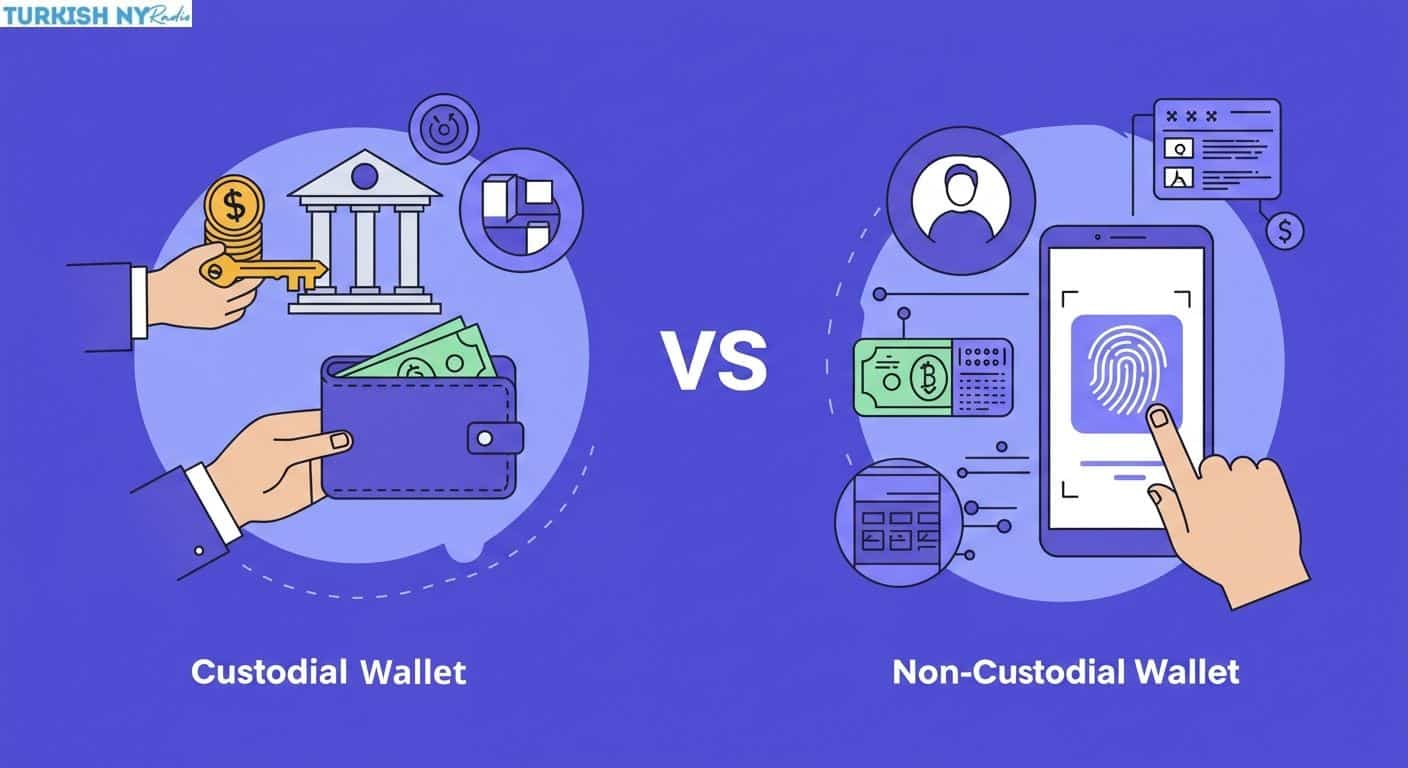
It’s all about user’s needs. If a user wants ease-of-use and has smaller holdings, a custodial wallet (like an exchange account) might be the go-to. Major exchanges like Coinbase, Kraken, Binance, etc., offer custodial wallets where users log in like online banking


If a user holds large amounts or wants maximum security; a non-custodial solution (especially a hardware wallet) might be better. Many users take a hybrid approach; keep day-to-day funds on a trusted exchange and store the rest in self-custody.
Also read: Transferring Funds Between Crypto Wallets: The Complete Beginner’s Guide
Conclusion
Based on the latest research, Custodial vs non-custodial wallets is a trade-off between convenience and control. Custodial wallets simplify security and recovery (perfect for beginners); but could introduce counterparty risk (hacks; freezes).
Non-custodial wallets give full autonomy, stronger privacy, and resistance to exchange failures, but users have to manage their own security and backups (losing keys means losing funds).
Users are advised to consider technical comfort, how much crypto they have stored, and risk tolerance. In the end; weighing the convenience of custodial services against the freedom of self-custody helps decide which wallet is right.
For in-depth analysis and the latest trends in the crypto space; our platform offers expert content regularly.
Summary
Custodial wallets hand over user keys to a trusted third party, trading some control for convenience, built-in security, and customer support. Non-custodial wallets put users in full control of their keys, security, and privacy, and are fully responsible for backups.
Glossary
Custodial Wallet: A crypto wallet where a service provider (exchange or custodian); holds and manages users’ private keys on their behalf.
Non-Custodial Wallet: A wallet where users hold their private keys and are the sole custodians of their funds. Examples include hardware wallets (Ledger; Trezor) and software wallets (MetaMask).
Private Key: A secret cryptographic code that allows users access and spend their cryptocurrency. Whomever holds the private key; owns the funds on that address.
Seed Phrase (Recovery Phrase): A backup of the user’s private key; usually a list of 12–24 words. It can be used to regenerate the wallet if device is lost. Anyone with the seed phrase can recover the funds, so it must be kept secret.
Hot Wallet: A wallet connected to the internet (e.g. mobile or web wallet).
Cold Wallet: A wallet kept offline (often a hardware device like Ledger or Trezor). It is considered very secure against hacking; since it signs transactions offline. However, it can be inconvenient for frequent transactions.
Multi-Signature (Multi-Sig): A security feature where multiple private keys (often held by different parties); are required to authorize a transaction. This adds protection against a single key being compromised.
Frequently Asked Questions About Custodial vs Non-Custodial Wallets
Which type of wallet is more secure?
Non-custodial wallets are generally safer from third party risks; since users aren’t relying on an exchange’s security; but hold their own keys. But this means if key or seed phrase is lost; there is no recovery. Custodial wallets can add security measures (multi-sig; insurance) and recovery options; but they carry the risk of exchange hacks or freezes.
What happens if users lose private key in a non-custodial wallet?
If private key or seed phrase is lost for a non-custodial wallet; access to those funds are also lost forever. Unlike banks or exchanges; there is no “password reset” option. This is one of the main cons of self-custody.
Why do exchanges use custodial wallets?
Exchanges and crypto platforms use custodial wallets because it simplifies the user experience and liquidity. Users can buy; sell and trade without worrying about key management. Custodial wallets also help exchanges with regulations (KYC/AML). The downside is users have to trust the exchange to protect their crypto.