
This article was first published on TurkishNY Radio.
Bitcoin mining is often discussed in terms of electricity use, but far less attention is given to what happens next. As mining machines run around the clock, they generate significant heat, which is usually vented away to keep equipment operational.


In cold regions, this process has raised a simple but increasingly relevant question could that heat be put to work instead of being discarded?
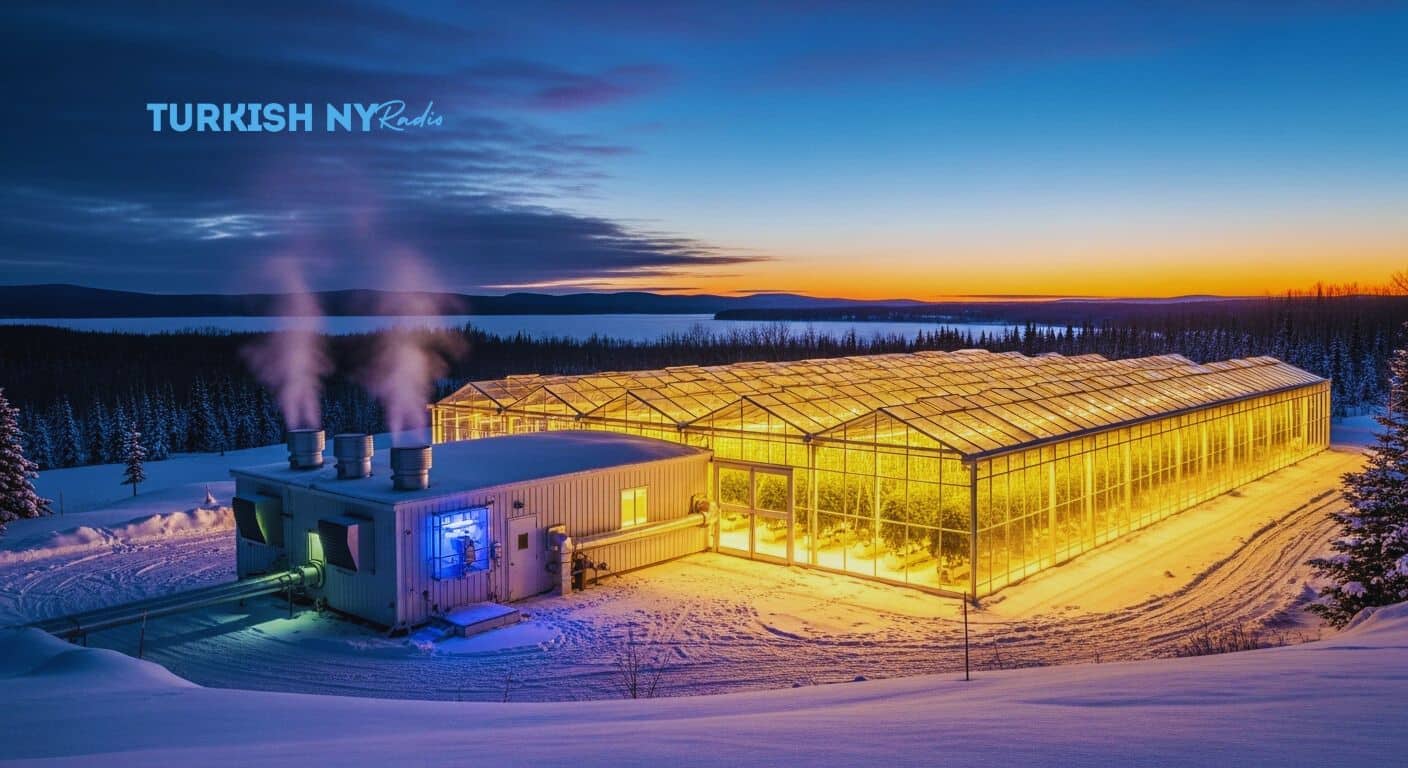
In Canada’s Manitoba province, a pilot project is now testing whether Bitcoin mining heat greenhouses can offer a partial answer.
The initiative explores whether heat from crypto mining servers can be reused to support agricultural operations, particularly greenhouses that require steady heating throughout long winters.
The project is designed to evaluate whether this approach can reduce energy costs while improving overall efficiency.
Bitcoin Mining Heat Greenhouses Tested in Manitoba
The Manitoba pilot brings together Bitcoin mining hardware manufacturer Canaan and sustainability-focused firm Bitforest Investment. The project operates at roughly 3 megawatts of mining capacity and is structured as a 24-month trial, with data collection at its core.
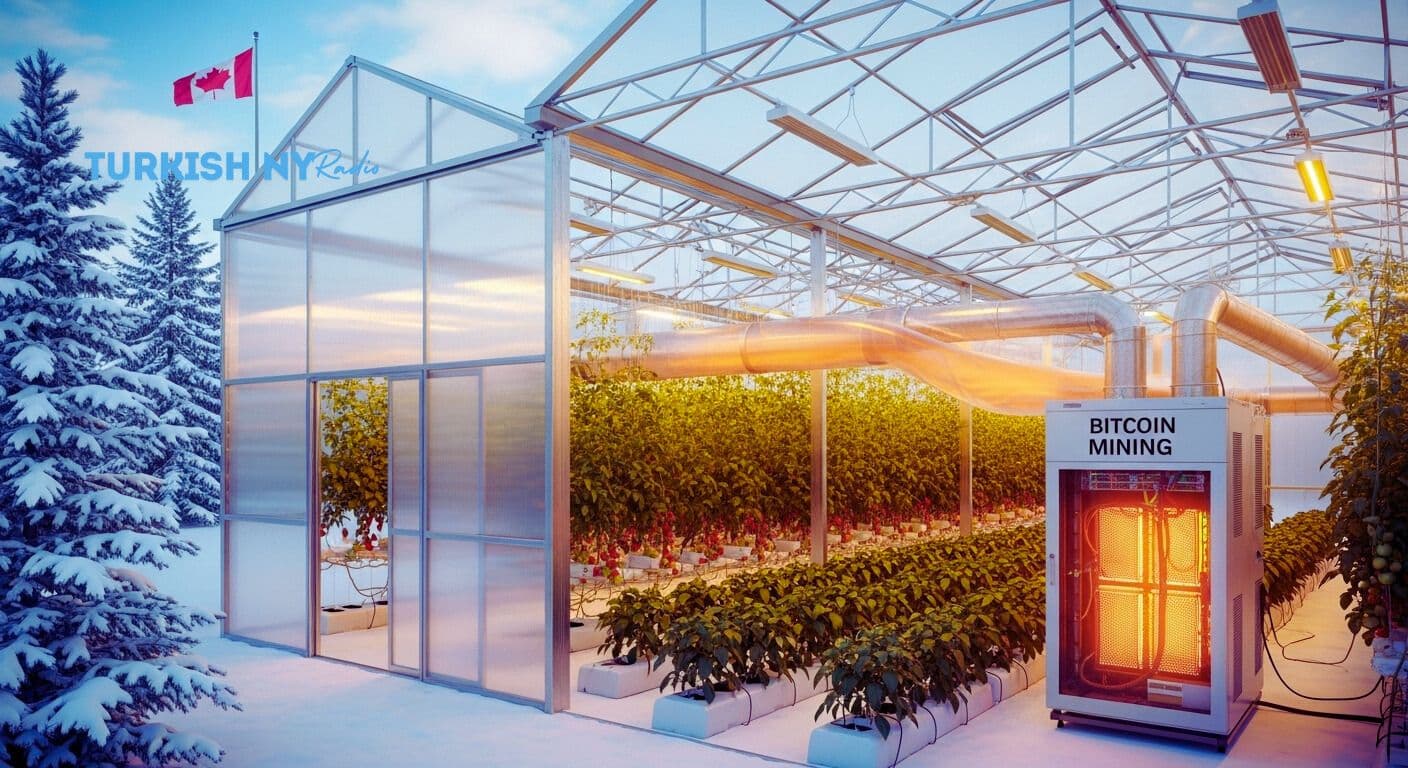
Rather than relying on traditional air-cooled machines, the setup uses liquid-cooled Avalon mining units. Around 360 miners are connected to a closed-loop heat exchange system that transfers thermal energy into the greenhouse’s existing water-based heating network.
Importantly, the mining heat does not replace the greenhouse’s heating system. Instead, it is used to preheat water before it reaches conventional boilers. This reduces fuel demand during colder periods while preserving operational reliability for growers.

Why Greenhouses and Bitcoin Mining Can Work Together
Greenhouses in northern climates face a constant challenge in maintaining stable temperatures despite freezing conditions outside. Crops such as tomatoes are particularly sensitive to temperature changes, making uninterrupted heating essential.
Bitcoin mining, by contrast, produces a continuous and predictable stream of heat as long as machines remain online. When that heat is captured through liquid cooling, it can be delivered at temperatures suitable for industrial reuse rather than simple space heating.
Research from the International Energy Agency (IEA) has shown that liquid-cooled systems allow for more efficient heat recovery than air-based designs. This technical overlap is why Bitcoin mining heat greenhouses are being explored most seriously in cold regions.
Energy Costs, Efficiency, and What the Data May Show
Heating is one of the largest expenses for greenhouse operators. Even modest reductions in fossil fuel use can improve cost stability and lower emissions intensity.
For mining operators, heat reuse does not reduce electricity consumption, but it improves how that energy is used. The IEA’s Energy Efficiency 2023 report notes that waste-heat recovery can improve overall system efficiency by 10% to 30% in appropriate industrial settings.
At this stage, confirmed results from the Manitoba pilot are still pending. Expectations include reduced boiler runtime, lower fuel costs, and improved energy efficiency, provided electricity inputs remain low-carbon.
Mining as Part of Local Infrastructure
The Manitoba project is not happening in isolation. Across Europe, waste heat from conventional data centers already supports district heating networks. In Finland and Sweden, entire residential areas are partially warmed using recovered server heat.
Bitcoin mining presents different challenges due to higher power density, but it also offers concentrated heat output that can be captured more effectively when systems are designed for reuse from the start.
This shift reflects a broader industry effort to integrate mining operations into local energy systems rather than operate them as isolated facilities.
Clear Limits Remain
Despite its promise, Bitcoin mining heat greenhouses are not a universal solution. Liquid-cooled systems require higher upfront investment, and heat must be used close to where it is produced to avoid losses.
Agricultural operations still need backup heating, and environmental benefits depend heavily on clean electricity sources.
These constraints mean the model is best suited to specific regions and use cases.
Why This Matters for Bitcoin’s Energy Discussion
Bitcoin’s energy debate is gradually moving beyond headline electricity figures toward questions of efficiency and integration. Projects like the Manitoba greenhouse pilot suggest that mining infrastructure can support real-world needs when carefully designed.
If long-term data confirms cost savings and reliability, Bitcoin mining heat greenhouses could become a practical option for cold-climate agriculture, reshaping how mining fits into regional energy planning.


Summary
A pilot project in Manitoba is exploring whether heat from Bitcoin mining can be reused to support greenhouse farming.
Instead of wasting the heat produced by mining servers, the project channels it to help warm greenhouses during cold months.
By using liquid-cooled systems, the initiative aims to cut fuel use and improve energy efficiency, with results that could influence similar projects in other cold regions.
Glossary of Key Terms
Bitcoin Mining
Bitcoin mining is the process where powerful computers run nonstop to keep the Bitcoin network working. Think of it like large digital machines doing constant math work.
Bitcoin Mining Heat Greenhouses
This is when the heat produced by Bitcoin mining machines is reused to warm greenhouses. It’s similar to using leftover warmth from a heater instead of letting it escape.
Waste Heat
Waste heat is the extra warmth machines give off while running. It’s like the heat you feel from your phone or laptop after using it for a long time.
Liquid Cooling
Liquid cooling uses fluid to absorb heat from machines. It works like water cooling a car engine, making heat easier to control and reuse.
Greenhouse Heating System
This system keeps greenhouses warm so plants can grow even in cold weather, much like central heating keeps a home comfortable in winter.
Energy Efficiency
Energy efficiency means using energy wisely and wasting less. For example, getting heat and work from the same machine instead of using two separate systems.
Pilot Project
A pilot project is a small-scale test to see if an idea works before using it widely, similar to trying a new recipe before cooking for guests.
Low-Carbon Electricity
Low-carbon electricity comes from cleaner sources like hydro or wind and produces fewer emissions, helping reduce environmental impact.
FAQs About Bitcoin mining heat greenhouses
What is being tested in Manitoba?
The project checks whether heat from Bitcoin mining can help warm greenhouses, reduce fuel use, and keep crops growing during Manitoba’s long, cold winters.
Does this involve pricing or payments?
No. It is a pilot project focused on lowering heating costs for greenhouses rather than selling heat or charging for mining-related services.
What are the main benefits of this setup?
Mining machines produce steady heat that can support greenhouse heating, helping farmers cut fuel use, manage energy costs, and maintain stable growing conditions.
Is this approach reliable and safe?
Yes. Greenhouses still use backup heating systems, and the pilot is studying long-term reliability before deciding whether the model can expand elsewhere.
References