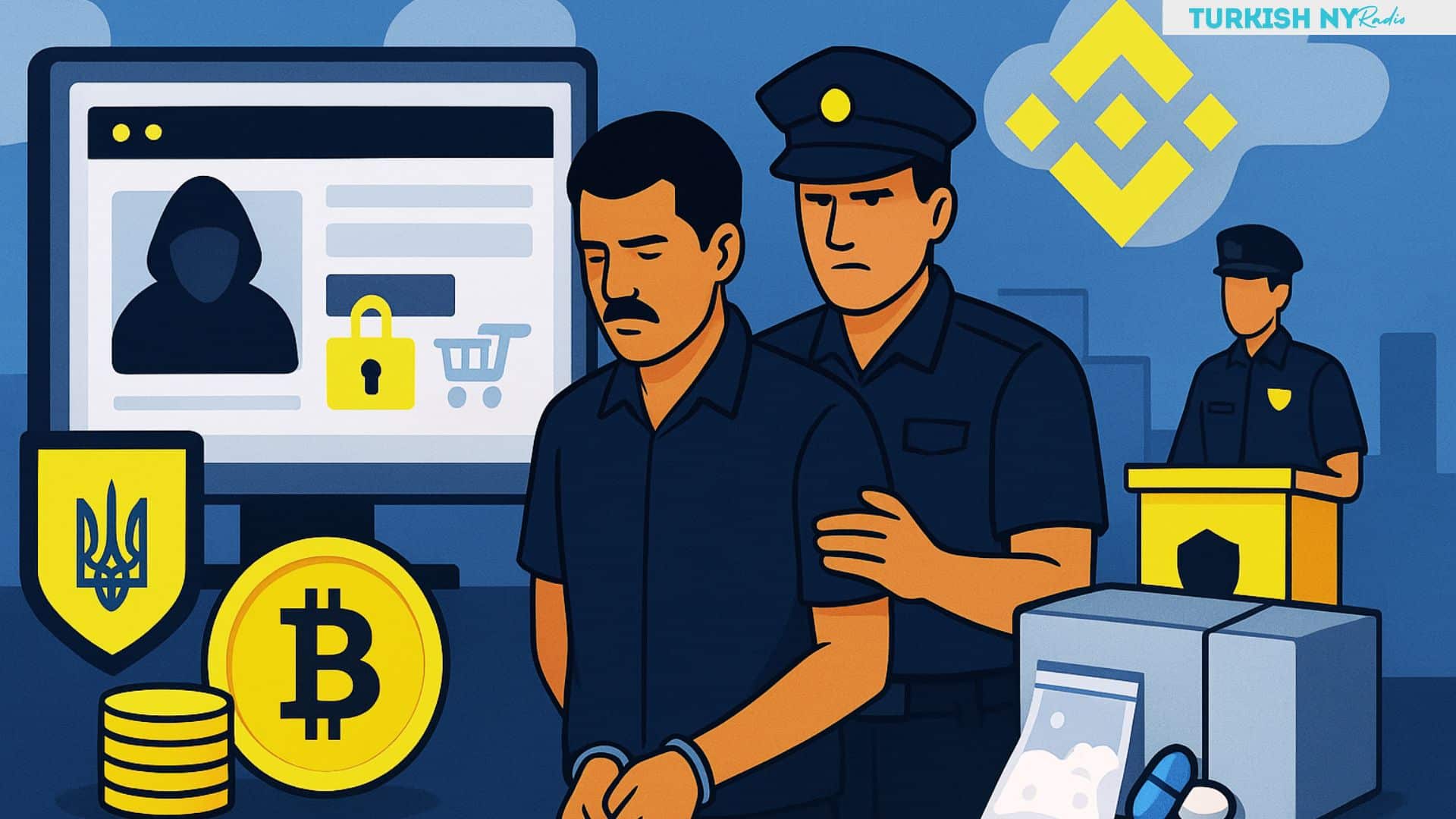
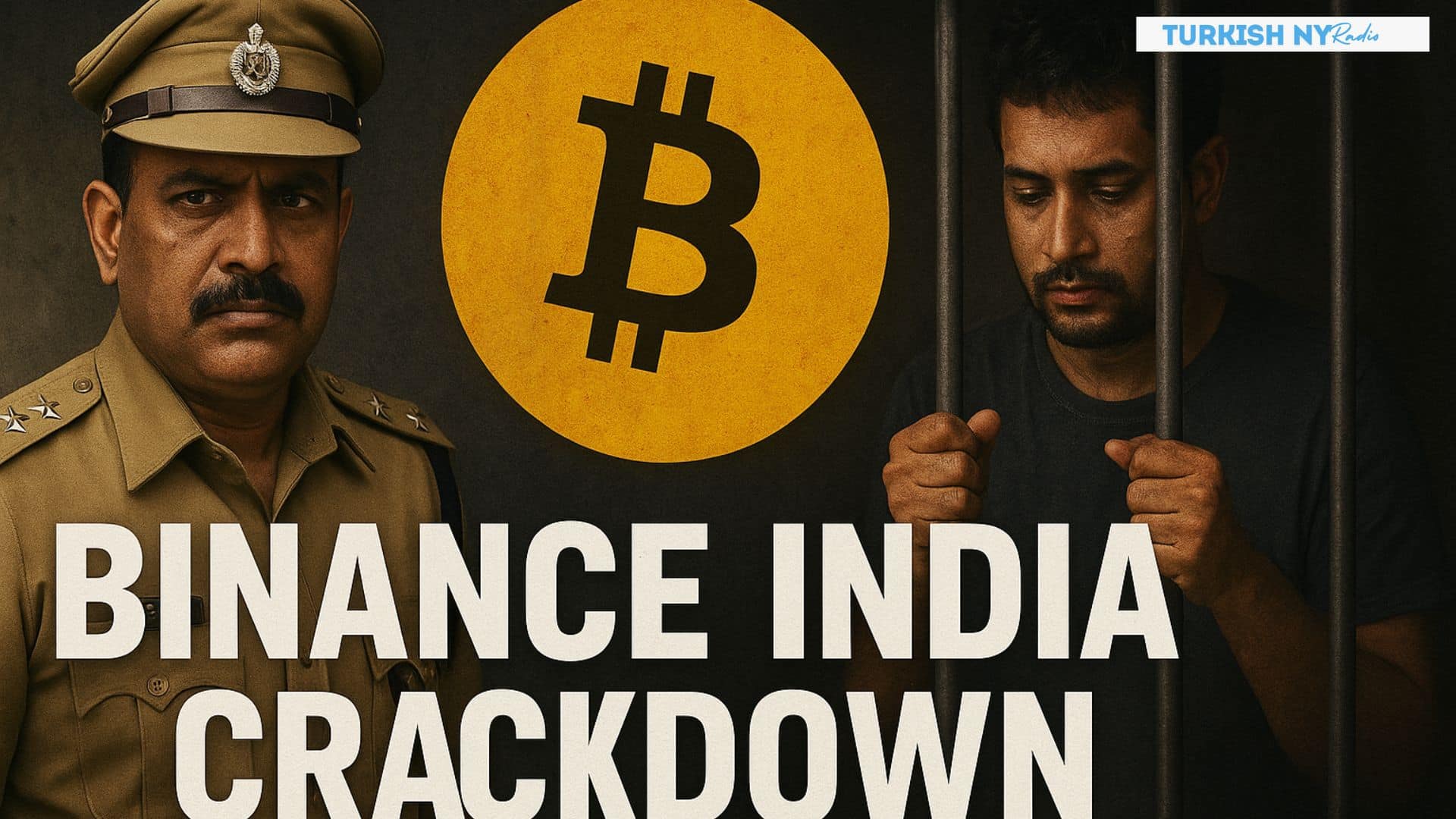
Indian authorities, with the support of Binance, have dismantled a high-level darknet drug syndicate known as Ketamelon. The Binance India Crackdown marks one of the most significant collaborations between a global crypto exchange and Indian law enforcement
. This case highlights how blockchain analysis and exchange compliance tools are transforming the fight against digital-age crime.

India’s Darknet Operation
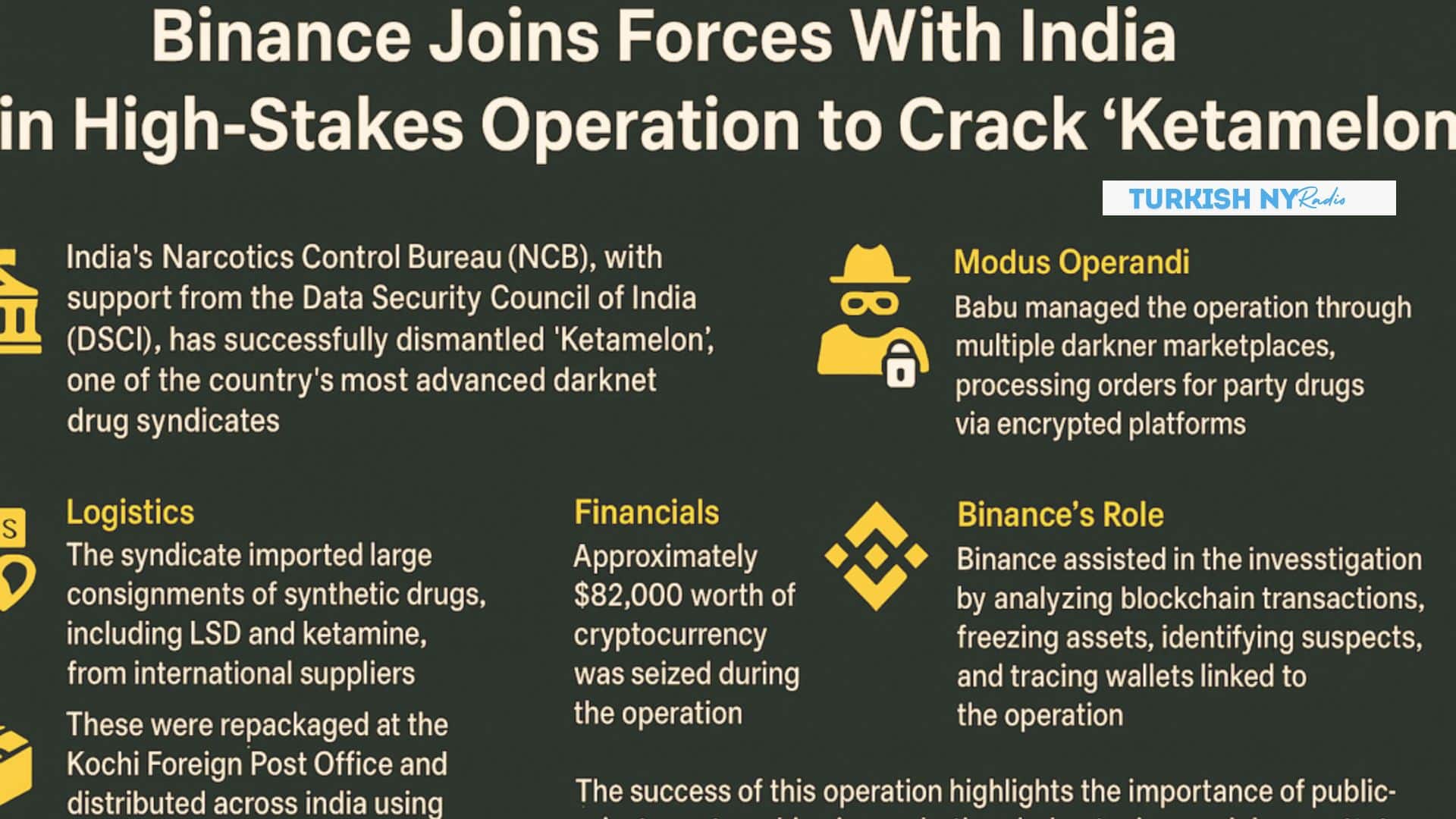
The Narcotics Control Bureau (NCB) uncovered LSD shipments moving across cities, leading to the arrest of Edison Babu, the alleged mastermind.
Officials revealed that over 600 consignments were shipped in the last 14 months. The Binance India Crackdown began when custodial wallets linked to Binance exposed the financial trail of the group.
Binance’s Role in the Crackdown
Binance’s Financial Intelligence Unit, led by Nils Andersen-Röed, worked closely with Indian investigators. “This cooperation proves that blockchain is transparent and traceable,” Andersen-Röed stated.
Through transaction monitoring, wallets were identified and illicit funds frozen. The Binance India Crackdown showed how private sector expertise can strengthen public enforcement.
Mentioned that “binance, took action against the darknet drug ring ‘Ketamelon.’ – Operator: Edison Babu, identified as India’s only Level-4 darknet vendor …” formerly Twitter
The Darknet Vendor ‘Ketamelon’
The network, known as Ketamelon, was India’s only Level-4 darknet vendor. It specialized in LSD distribution and had built a reputation across global illicit marketplaces. By following crypto transactions, the Binance India Crackdown dismantled a trusted vendor and demonstrated the fragility of dark web anonymity.
Blockchain Transparency and Enforcement
Investigators seized hardware wallets containing USDT and tracked flows into custodial wallets. The Binance India Crackdown illustrates the effectiveness of blockchain transparency. Criminals relying on crypto anonymity often underestimate the traceability of transactions once converted into fiat currencies.
Global Implications
The Binance India Crackdown is more than a national success, it is a global example of how crypto exchanges and governments can cooperate. India joins the growing list of nations adopting a public–private enforcement model against cybercrime. This operation follows earlier crackdowns, such as the Zambada cartel in 2023.
Conclusion
The Binance India Crackdown sends a strong message: darknet operators cannot rely on crypto for safe passage. With exchanges cooperating and law enforcement investing in digital tools, the balance is shifting against cybercriminals. India’s success may inspire similar partnerships worldwide.
Also read crypto tokens securities
Summary
The Binance India Crackdown dismantled India’s biggest darknet syndicate, Ketamelon. In collaboration with Binance, the Narcotics Control Bureau traced crypto transactions, froze illicit funds, and arrested mastermind Edison Babu. The crackdown proves that blockchain transparency, coupled with exchange cooperation, can undermine darknet anonymity. This operation not only disrupts India’s drug networks but also sets a precedent for global law enforcement partnerships in tackling cyber-enabled crime.
FAQs on Binance India Crackdown
1. What was the Binance India Crackdown about?
It was a joint operation between Binance and Indian authorities to dismantle the Ketamelon darknet drug syndicate.
2. Who was arrested in the crackdown?
Edison Babu, the alleged mastermind behind the Ketamelon network, was arrested.
3. How did Binance help Indian authorities?
Binance provided blockchain intelligence, traced custodial wallets, and froze illicit funds linked to the syndicate.


4. Why is this crackdown significant?
The Binance India Crackdown demonstrates the power of public–private partnerships in fighting cybercrime.
5. What does this mean for darknet vendors?
It signals that even high-ranking darknet operators cannot evade blockchain traceability.
Glossary of Key Terms
Binance: A leading global cryptocurrency exchange.
Darknet: A hidden part of the internet used for illicit activities.
Custodial Wallet: A crypto wallet controlled by a third party, such as an exchange.
Level-4 Vendor: A ranking level in darknet markets, indicating high reputation and sales volume.
USDT: Tether, a stablecoin pegged to the US dollar.