



This article was first published on TurkishNY Radio.
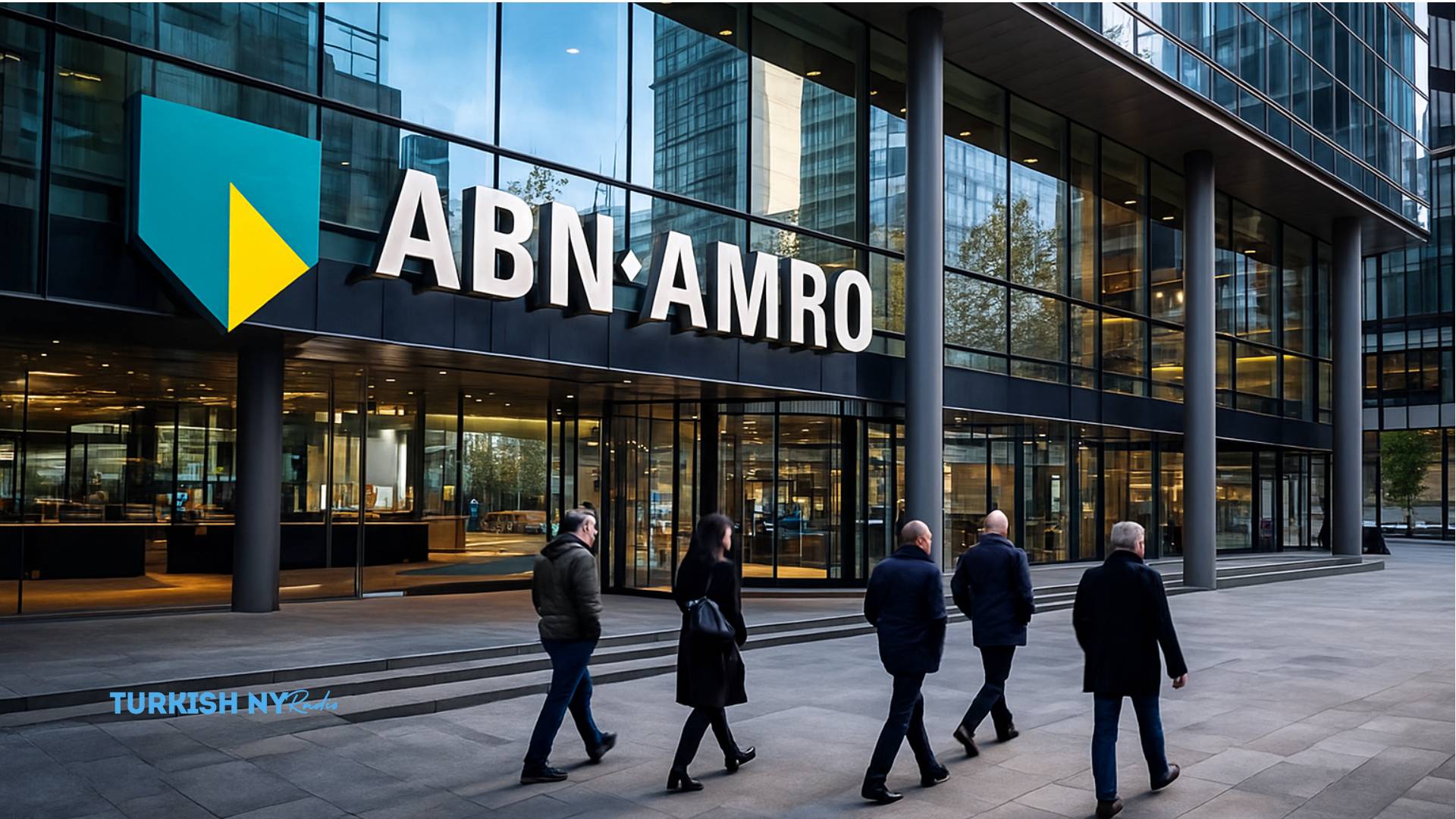
ABN Amro is getting ready for a very different future. The Dutch bank said it would cut 5,200 full-time jobs by 2028 and close down or sell its personal loan unit as well as scale back from riskier corporate business.


That is no small tweak for a major European lender. It’s a reset of how the organization earns money, serves customers and employs capital in an increasingly digital and demanding market every year.
A Smaller Workforce In A More Digital Bank
The 5,200 job reductions will occur over a number of years, which makes the paper cut sound less harsh, although: Subtle signal this ain’t. ABN Amro has its eye on a leaner, more automated bank. The customers are increasingly using mobile apps and online platforms, not physical bank branches, and that shift shows up in staffing. Less in-person locations, more technology behind the scenes and a keener watch on costs now stand in the middle of the bank’s blueprint.
For workers, that shift is personal. Many jobs will vanish or migrate, and people will need help, training or new gigs. The bank has said that social plans and transition support will play a role in the process, but big restructurings are rarely easy for employees or communities reliant on those jobs.
Disposal Of Alfam And Disinvestment In Non Core Corners
Part of the story is the sale of Alfam, the personal loans division. Management considers it non-core in a world where the bank wants to be about mortgages, day-to-day banking, and selected corporate clients. The sale will probably generate a book loss of roughly 100 million euros, and that ugly figure won’t look great in the single line of the income statement. However, the move will modestly help the main capital ratio and release management attention and resources for more important matters in future.
This sort of pruning is increasingly common in European finance. Big institutions are finding that they don’t get paid for carrying lots of small, complicated product lines when regulators and investors and customers all want clarity and focus.
Cutting Risk Weighted Assets In Corporate Banking
ABN Amro will also cut 10 billion euros of risk weighted assets at its corporate banking arm over the next three years. Risk weighted assets are a measure of the size of the bank’s exposures, accounting for their riskiness, and they determine how much capital the bank needs to maintain.
Steering clear of riskier or less profitable activities means the firm can bolster its balance sheet and deploy capital in ways that produce higher returns.
This is not just a matter of numbers. It’s also about choosing which clients and sectors the bank will back in a more uncertain global economy. Depth over breadth is a strategic choice.
Profitability And Capital Targets Under New Leadership
ABN Amro has, under its new management team, shown it is not afraid to set targets that are both ambitious and granular. The bank is targeting a return on equity of at least 12 percent, income above 10 billion euros, and a Common Equity Tier 1 ratio greater than 13.75 percent in the period between 2026 and 2028. Those metrics matter because they show how profitable, resilient and efficient the bank is aiming to be.

And on top of that, the bank said that it intends to give back as much as 100 percent of any excess capital to shareholders through dividends and buybacks, conditions permitting. And it is a message aimed squarely at investors who have long wondered if the European banks are fully utilizing their capital base.
A Portent Of A Larger European Banking Trend
What’s going on at ABN Amro is part of a wider regional trend. Across Europe, universal banks are sharpening their focus, spending big on cloud and digital infrastructure and pulling back from activities that require a lot of capital for relatively little reward. Some of the edges that traditional banks used to enjoy have been eating away by specialist lenders, fintech firms and payment providers, while large financial institutions are fighting over scale, trust and core services.
For its customers, the experience may be more polished on a smartphone and less local in person. For the bank, the risk is to provide better returns and a more robust capital cushion, and still feel it is serving households and businesses in its home market.
Conclusion
ABN Amro’s decision to reduce headcount by 5,200, sell its ALFAM unit, and shrink risk-weighted assets is about more than just cutting costs. It’s a bet on a simpler, more focused and more digital future. In the years ahead, it will be clearer whether the bank can achieve its goals for profitability and capital levels while also navigating the human impact and broader social consequences of such deep changes.
If successful, it could emerge a slimmer institution that better fits the new form of European banking. If it falls short, critics will ask whether the price that was paid by staff and customers was worth it.
Frequently Asked Questions
What does ABN Amro change in this strategy?


The bank intends to slash 5,200 full-time positions by 2028, sell its unit that issues personal loans under the Alfam brand, shrink corporate banking in terms of risk-weighted assets by 10 billion euros, and sharpen the focus on mortgages, daily banking, and some selected corporate clients.
Why is the impact of the 5,200 job cuts so big?
The cut is a major portion of the staff. It points to a much broader movement toward digital channels, automation and cost control instead of a marginal shift.
What does this plan mean for investors?
If it can generate a return on equity of 12 percent and, crucially, keep its capital ratio high and give some surplus cash back to shareholders, the stock might start to look more attractive vis a vis many of its regional peers.
Glossary Of Key Terms
Return on equity (ROE)
A measure of profitability that indicates how much profit a bank is making each unit of shareholder equity. A higher sustainable ROE indicates more effective deployment of capital.
Risk weighted assets (RWA)
Risk-adjusted loans and other exposures. More capital is also needed where the weights of riskier assets are higher.
Full time equivalent (FTE)
A staffing measure that aggregates both full and part time roles to a common standard unit of measure, which is useful when comparing headcount across time.
Capital returns
Dividends and share buybacks, which essentially send excess capital back to shareholders from a bank when it has more than it needs for various regulatory and growth purposes.