![Sun [New]](https://s2.coinmarketcap.com/static/img/coins/64x64/10529.png)


This article was first published on TurkishNY Radio.
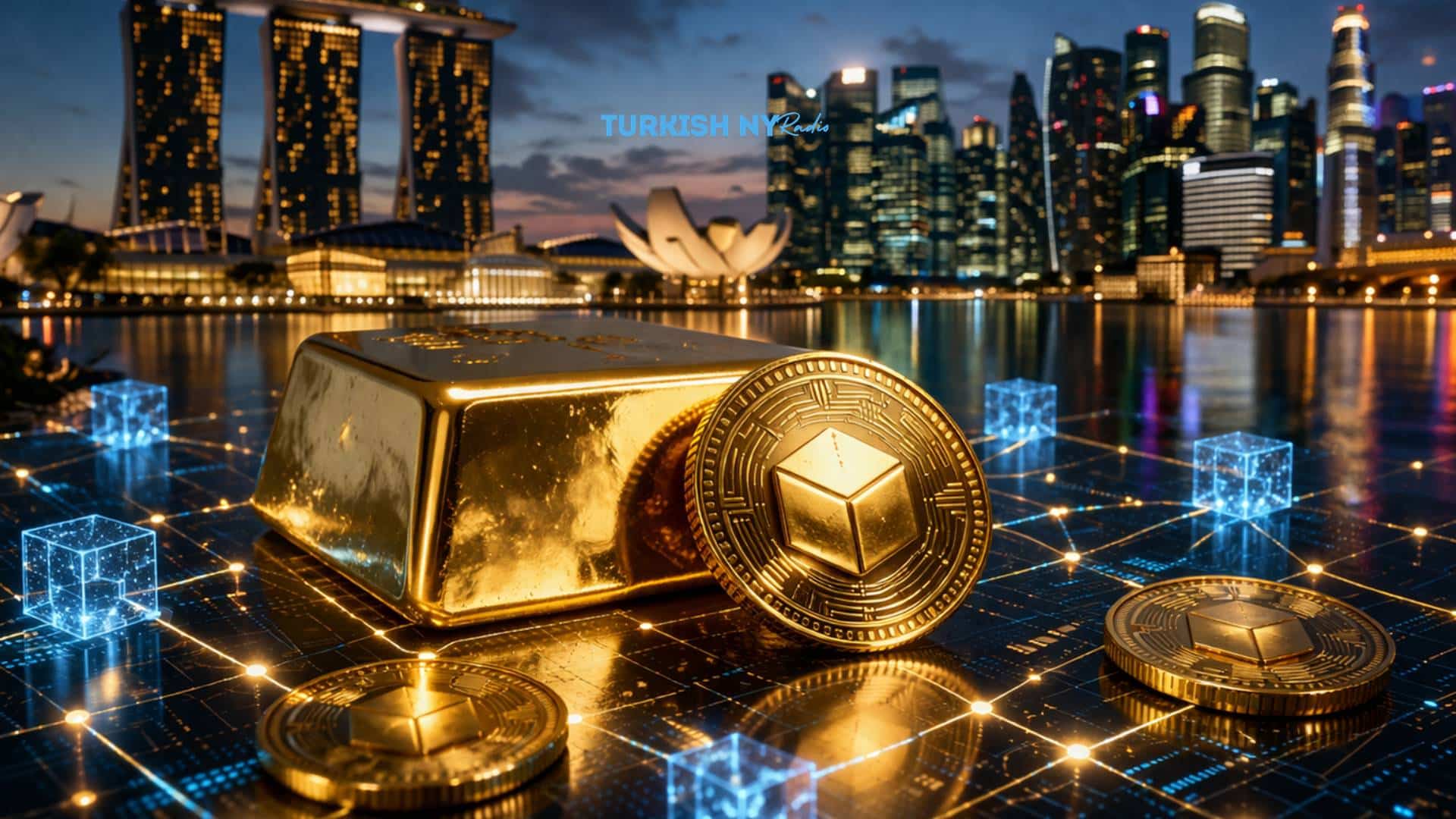
Singapore’s latest gold-market push is easy to read as a bullion story, but that misses the more interesting angle. This is really a story about credibility, market plumbing, and what happens when a traditional safe-haven asset gets stronger institutional rails in a region that also matters to digital finance.


Authorities are not only talking about attracting more gold activity. They are targeting the hard parts of a functioning market, including clearing, settlement, vaulting, logistics, product depth, and services that could eventually support official-sector storage. For tokenized commodities, and especially for tokenized gold, that is the kind of backdrop that can change how the category is valued.
Why Tokenized Gold Looks Different After This Move
The immediate takeaway is not that tokenized gold suddenly becomes mainstream overnight. It is that the asset class now has a stronger regional reference point.
When a financial center works to improve physical custody and trade infrastructure for gold, blockchain products linked to gold start to look less like a niche wrapper and more like a digital extension of a serious market. That distinction matters because digital assets tied to real reserves rise or fall on trust.
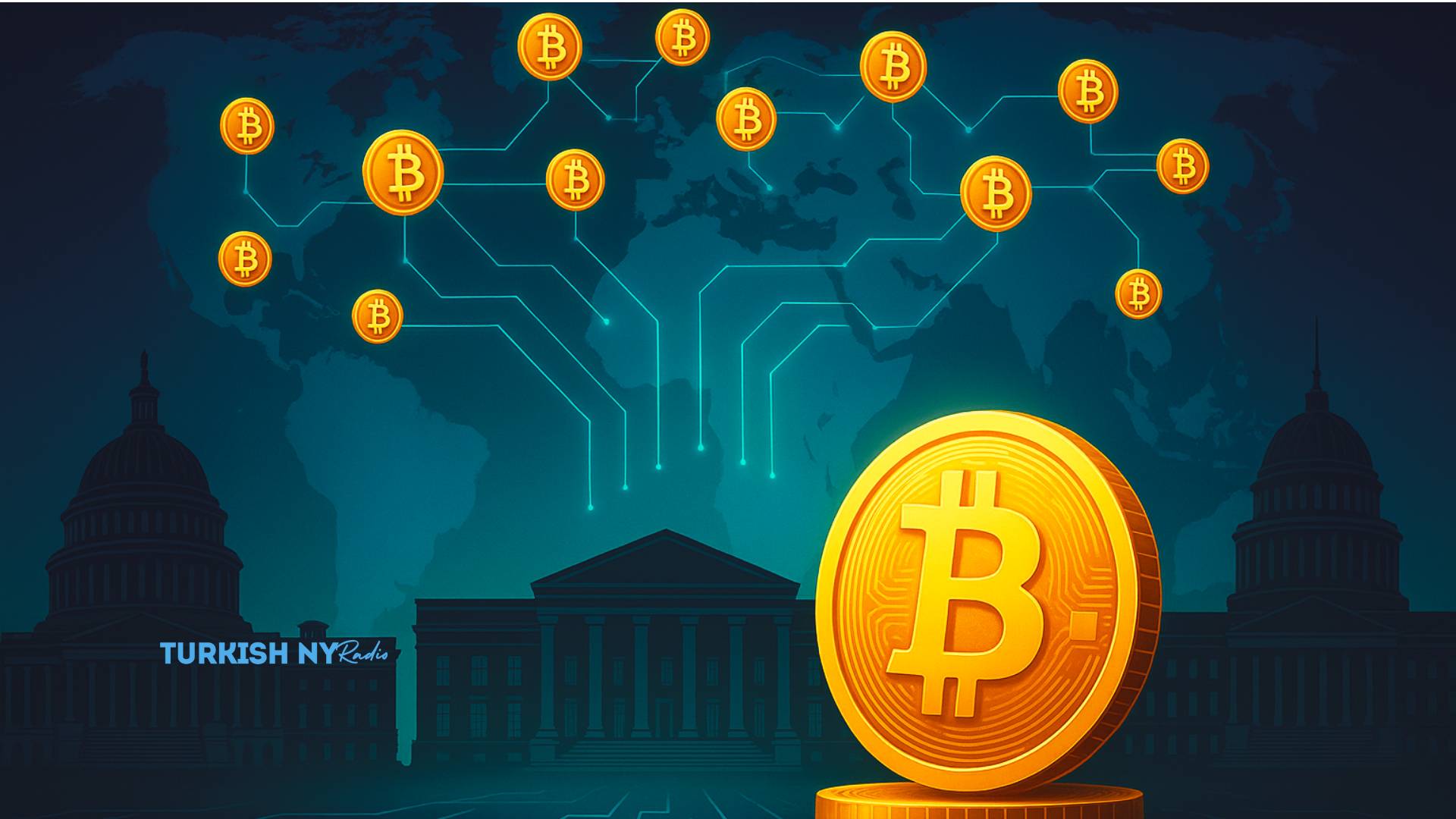
Singapore’s plan focuses on four pillars: capital market products, robust vaulting and logistics standards, a trusted clearing and settlement system, and potential vaulting services for foreign central banks and sovereign entities. Put simply, the city-state is not trying to decorate the gold trade. It is trying to make it deeper, safer, and more institutionally useful. That creates a cleaner environment for tokenized gold to be discussed as infrastructure rather than novelty.
The launch of a local physical gold ETF just before the policy push adds another layer. It gives investors one more formal route into gold exposure while the market itself is being reinforced. That does not replace blockchain-based gold products, but it does normalize the idea that access points to gold should keep expanding. In modern markets, once the access menu grows, digital versions tend to follow close behind.
Tokenized Gold Needs Better Standards, Not Louder Marketing
This is where the development gets especially relevant for crypto analysis. Tokenized gold has often been discussed in broad terms, usually with an emphasis on 24/7 transferability, divisibility, and the appeal of holding a precious-metal proxy inside crypto wallets. Those benefits are real, but they only carry weight when the off-chain side is credible. Where is the gold stored? Who verifies it? How often is it audited? What rights does the holder actually have? In this category, weak answers are fatal.
Singapore’s market-building effort does not answer those questions for every issuer, but it raises the bar around them.
The stronger the physical-market framework becomes, the less room there is for loose claims in digital gold products. That is good for the category. Serious capital does not mind scrutiny. It usually invites it. The winners in tokenized gold are likely to be the products that can withstand institutional due diligence without hand-waving.
Current market data suggests the category is already meaningful. Tokenized commodities sit at about $7.40B in total value, and gold-linked products make up a large share of that base. Tether’s gold product is valued at roughly $2.8B, while Paxos sits near $2.4B. PAX Gold alone has a market capitalization of about $2.32B and a 24-hour trading volume of about $220.7M. Those are not vanity metrics. They show real demand for digital exposure to a very old asset.
Asia’s Infrastructure Race Could Help Tokenized Gold
Singapore is not acting in a vacuum. Regional competition is part of the picture, with other Asian financial centers also trying to deepen their role in bullion flows. That matters because gold hubs do not compete only on storage space.
They compete on trust, transaction efficiency, product depth, and their ability to become the default place where serious players choose to do business. If Singapore can strengthen those advantages, tokenized gold issuers may benefit from a more credible ecosystem around the metal itself.
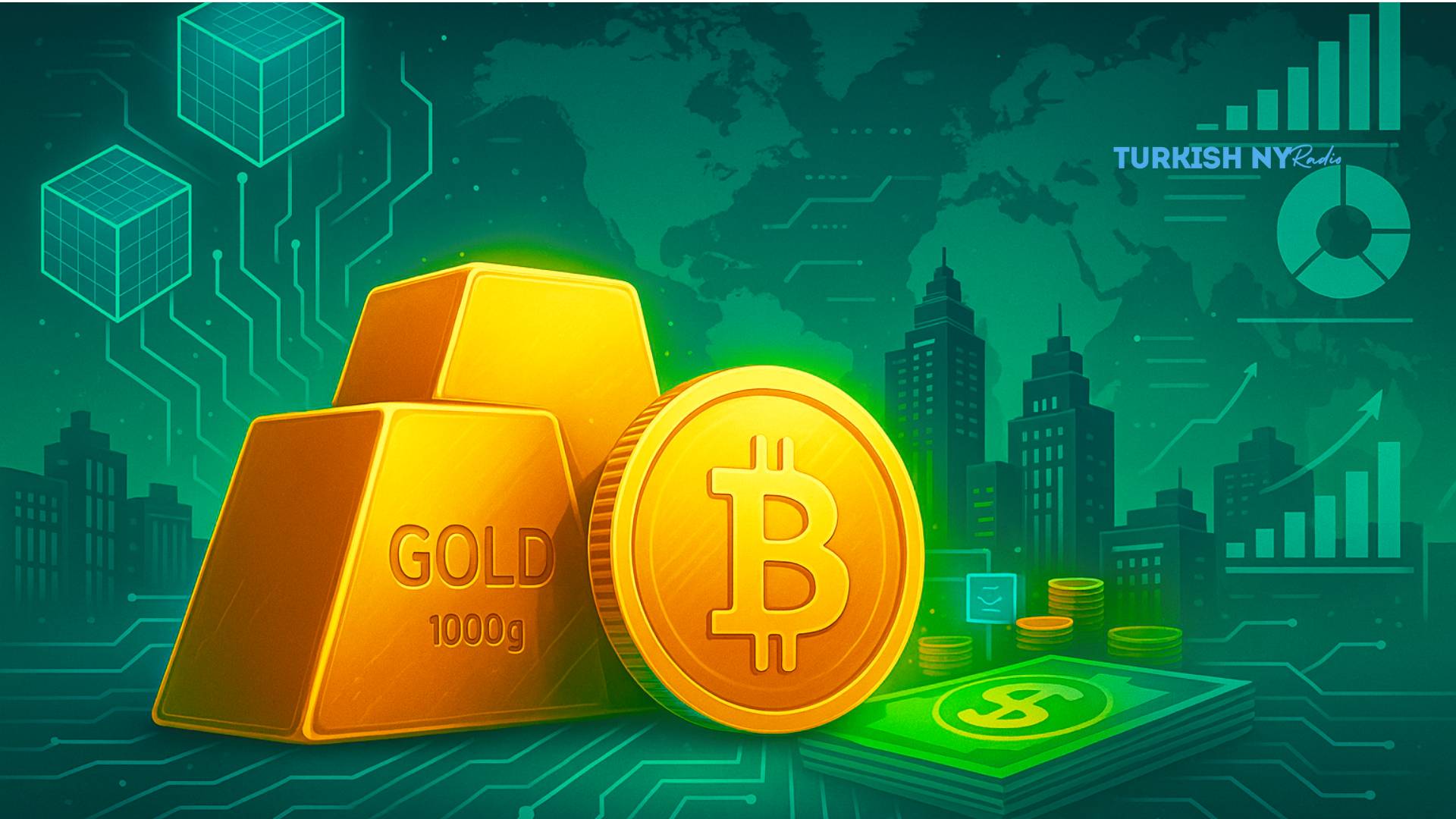
There is also a behavioral angle here that crypto markets understand well. Investors tend to adopt new wrappers faster when the underlying asset already feels familiar and dependable. Gold has that advantage in spades. It has a role in central-bank reserves, private wealth allocation, and defensive portfolio strategy.
So when blockchain products link to gold, they are not asking investors to learn a totally new asset from scratch. They are asking them to access an old one through newer rails. That is why tokenized gold often has a better chance with cautious capital than many purely native crypto narratives.
What Crypto Investors Should Watch Next
The next signal will not just be price action. It will be whether stronger gold infrastructure leads to tighter reserve disclosure, more transparent audits, deeper liquidity, and better settlement expectations across digital commodity products. That is where tokenized gold can either mature or stall. If issuers meet that moment, the asset class could move from a useful niche into a much more trusted part of the digital-asset stack.
Another thing worth watching is how real-world asset adoption keeps blending with traditional market needs. Crypto has spent years trying to prove it can serve more than speculation. Products linked to bonds, funds, and commodities are now pushing that argument with harder evidence. In that context, tokenized gold is not just a hedge product. It is a test case for whether blockchain can package a conservative asset in a way that improves access without damaging trust.
If Singapore succeeds in making itself a more trusted center for gold trading and storage, then the value of that success could spill beyond bullion desks.
It could give digital commodity issuers a stronger institutional backdrop, sharpen market standards, and make blockchain-based gold exposure easier to justify to a wider class of investors. That is not hype. It is the slow work of legitimacy, and in finance that usually counts for more than noise. Tokenized gold has been waiting for that kind of backdrop for years.
Conclusion
Singapore’s move matters because it treats gold as infrastructure, not spectacle. That approach could end up helping tokenized gold more than any short-term marketing cycle ever could. Better custody, stronger settlement, and deeper market confidence give digital commodity products a sturdier foundation. For crypto investors watching the rise of real-world assets, that is the real signal.
Frequently Asked Questions
What is tokenized gold?
It is a blockchain-based token that represents ownership or exposure tied to physical gold reserves.
Why does Singapore’s gold push matter to crypto?
Because stronger physical-market infrastructure can improve trust standards for digital gold products.
Is tokenized gold already large enough to matter?
Yes. Gold-linked products account for billions of dollars within the tokenized commodity market.
Does a physical gold ETF compete with tokenized gold?
Not necessarily. It may also expand overall investor comfort with digital and exchange-based access to gold.


Glossary of Key Terms
Tokenized commodity: A blockchain-based digital asset linked to a physical commodity or commodity-backed exposure.
Custody: The safekeeping and control of an asset by an approved institution or structure.
Auditability: The ability to verify reserves, holdings, and operational claims through independent checks.
Liquidity: How easily an asset can be bought or sold without causing large price disruption.
Safe-haven asset: An asset investors often prefer during periods of uncertainty or market stress.