![Sun [New]](https://s2.coinmarketcap.com/static/img/coins/64x64/10529.png)



This article was first published on TurkishNY Radio.
Tokenized real-world assets are moving from industry discussion to institutional deployment. At Consensus Hong Kong 2026, executives from Animoca Brands, Mastercard, and Robinhood shared a clear message the current growth in tokenized real-world assets is being led by institutions not retail traders.


The panel, moderated by Marcin Kazmierczak of RedStone, featured Evan Auyang (Animoca Brands), Christian Rau (Mastercard), and Nicola White (Robinhood).


The discussion centered on where capital is actually flowing and how blockchain infrastructure is being used today.
One theme stood out: tokenized real-world assets are already serving practical financial functions, particularly in treasury management and collateral efficiency.
Tokenized Real-World Assets: Why Institutions Lead
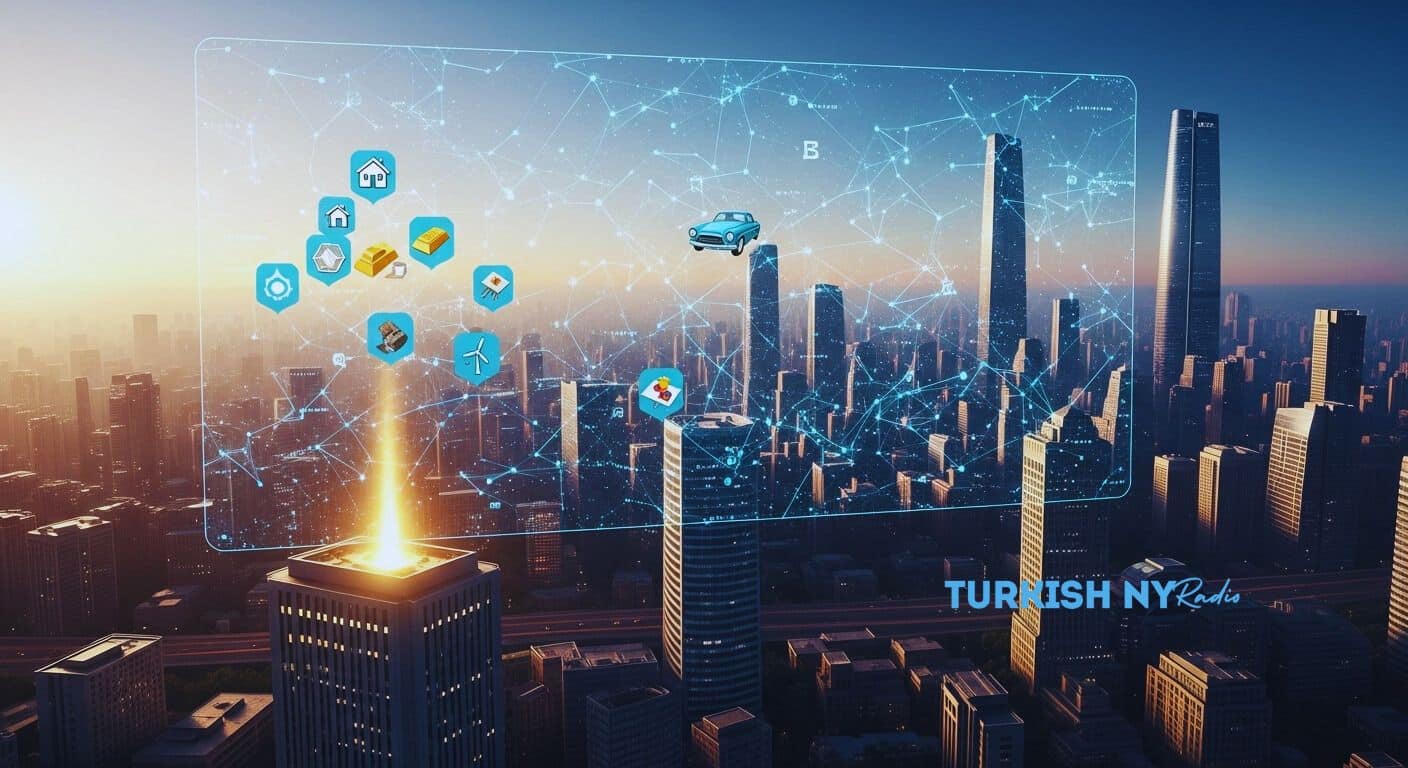
Right now, most demand for tokenized real-world assets comes from tokenized U.S. Treasuries and money market funds. These products give institutions access to short-term government debt through blockchain-based rails, while preserving yield and enabling faster settlement.
BlackRock’s BUIDL product, backed by U.S. Treasuries, has become one of the most visible examples.
According to public Ethereum blockchain data, on-chain treasury-backed token activity has steadily increased since 2024. That growth aligns with institutional experimentation around digital settlement systems and programmable collateral.
For large asset managers and fintech platforms, tokenized real-world assets are not about speculation. They are about operational efficiency.
These instruments can be integrated into lending platforms, used as collateral, or embedded into stablecoin systems, reducing friction in capital movement.
As one panelist noted during the session, the appeal lies in how distributed ledgers simplify settlement and record-keeping across counterparties.
Tokenized Real-World Assets Face Retail Limits
Despite institutional momentum, retail participation remains modest. During the panel, only a handful of attendees indicated direct exposure to tokenized real-world assets in their wallets.
Nicola White pointed to regulatory clarity in Europe as a potential catalyst for broader adoption.
The European Union’s Markets in Crypto-Assets (MiCA) regulation has established clearer guidelines for digital asset issuance, which could support tokenized equities in compliant markets.
Retail investors may eventually gain access to tokenized stocks, private credit, and real estate, but infrastructure still needs to mature. Compliance standards, custody solutions, and reporting frameworks must align before mainstream distribution becomes viable.
Illiquid Assets Could Unlock the Next Phase
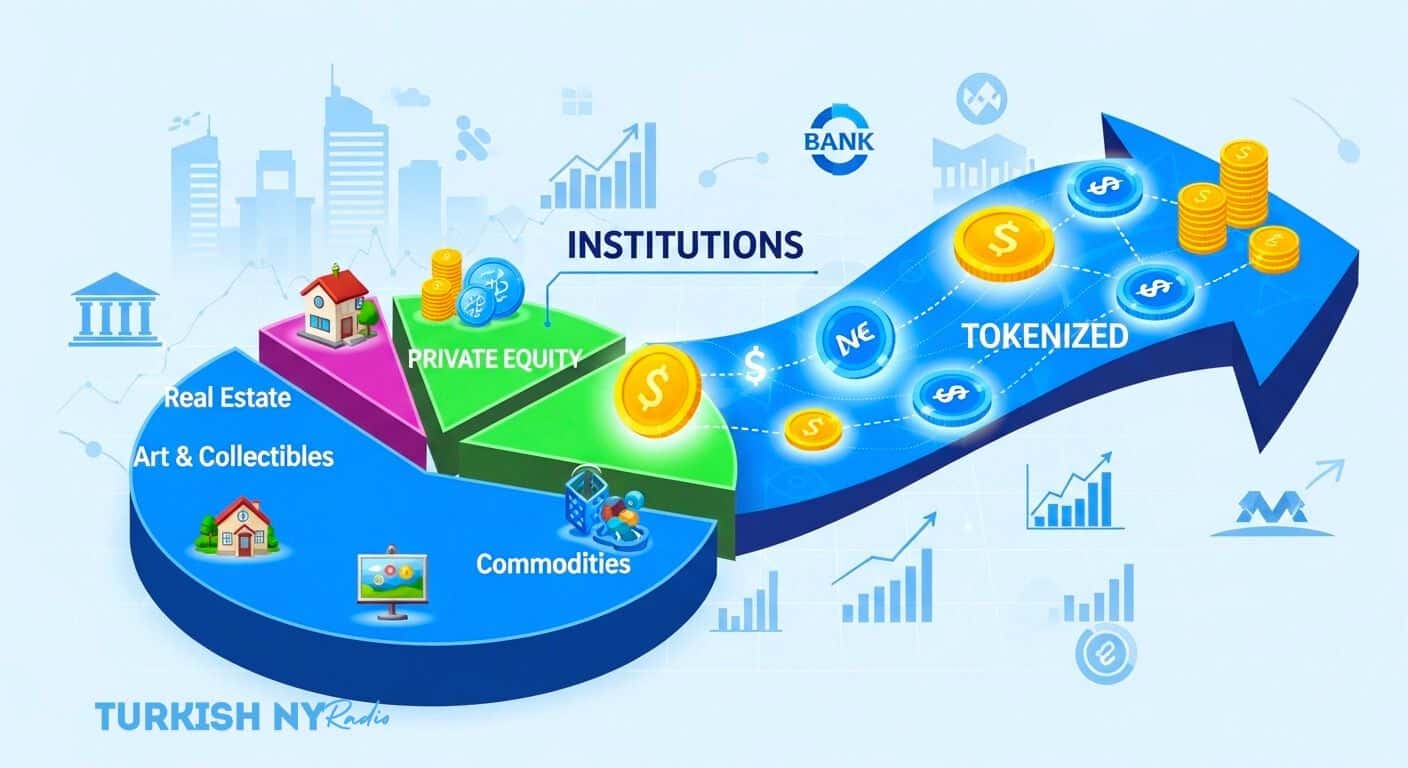
Panelists agreed that tokenized real-world assets are likely to expand beyond Treasuries. Private equity, real estate, art, and private credit were cited as potential growth areas.
Many companies now remain private longer, limiting retail investors’ access to early growth opportunities. Tokenization could fractionalize ownership and allow smaller investors to participate with lower capital thresholds.
The World Economic Forum has previously estimated that trillions of dollars in global assets remain illiquid. Blockchain-based issuance models may improve transparency, automate compliance, and introduce secondary liquidity where it previously did not exist.
However, these developments remain forward-looking. While institutional usage is confirmed, retail expansion will depend on regulatory harmonization and platform readiness.
From Concept to Infrastructure
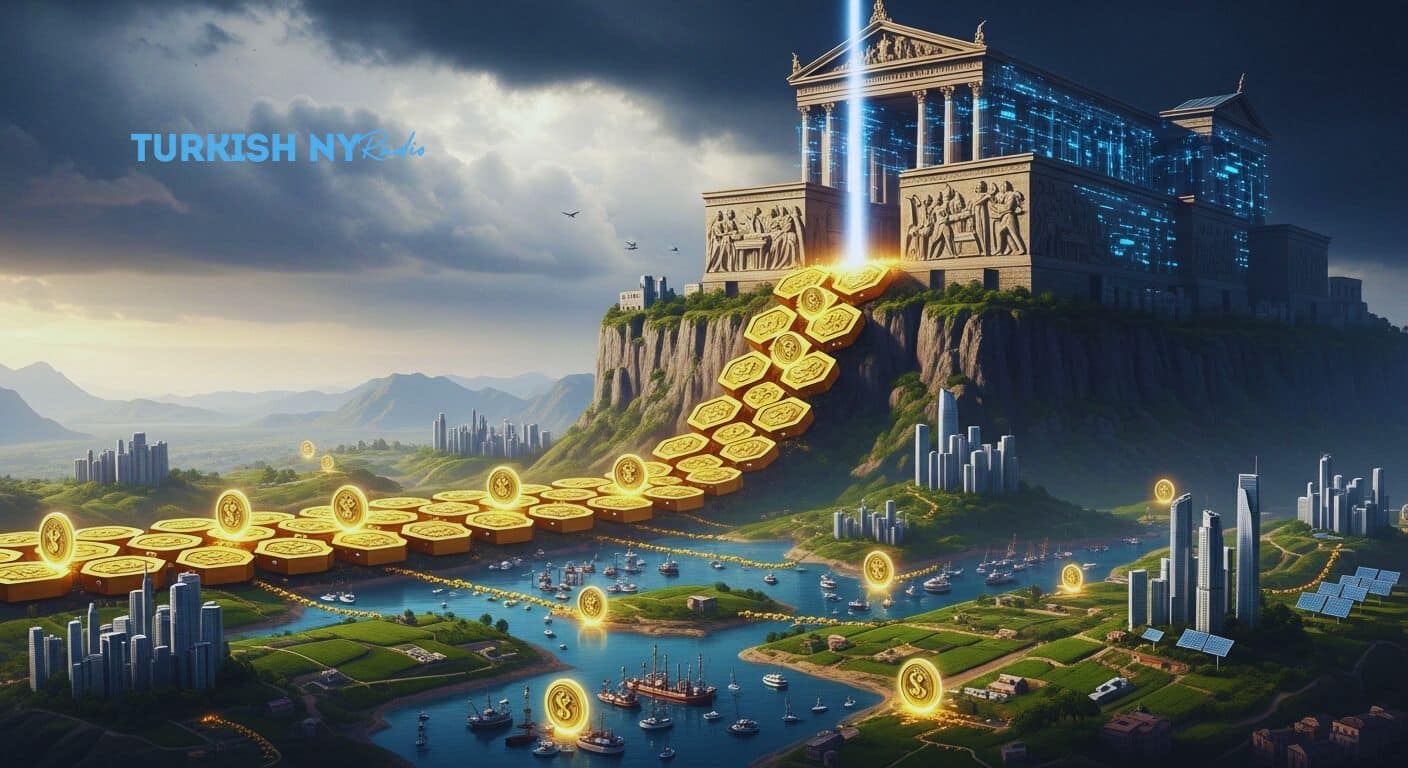
The broader takeaway from Consensus Hong Kong 2026 is that tokenized real-world assets have progressed beyond theoretical debate. Institutions are allocating capital, integrating tokenized securities into workflows, and testing settlement efficiencies.
Retail adoption remains the next chapter rather than the current reality.
If compliance frameworks continue to evolve and infrastructure scales, tokenized real-world assets could gradually extend beyond treasury management into equity markets and private capital access.
For now, the institutional foundation is being built. Whether retail follows at scale will depend less on enthusiasm and more on regulation, transparency, and product design.
Summary
Large institutions are leading the push into tokenized real-world assets, especially through blockchain-based U.S. Treasuries and money market funds.
At Consensus Hong Kong 2026, speakers emphasized how blockchain improves settlement speed and capital efficiency.
Everyday investors have limited exposure so far due to regulatory and infrastructure gaps.
Europe’s MiCA rules may open the door to tokenized equities.
Private credit and real estate could represent the next growth phase.
Glossary of Key Terms
1. Tokenized Real-World Assets (RWAs)
These are real investments—like government bonds or property—that are turned into digital tokens on a blockchain. It’s like taking a physical document and giving it a secure digital version.
2. Blockchain
Think of blockchain as a digital notebook that records transactions. Once something is written in it, it can’t easily be changed, and everyone can verify what’s there.
3. Tokenization
This simply means converting ownership of something real into a digital form. Imagine dividing a building into small digital pieces so many people can own a part of it.
4. U.S. Treasuries
These are loans people give to the U.S. government in exchange for interest payments. They’re considered very safe. Tokenized versions allow them to be handled digitally.
5. Money Market Funds
These are low-risk investment funds that hold short-term debt. Many institutions use them like a savings account that earns slightly better returns.
6. Collateral
Collateral is something valuable you promise if you borrow money. Just like a house can secure a home loan, digital assets can secure blockchain-based loans.
7. MiCA (Markets in Crypto-Assets Regulation)
This is a European law that sets rules for crypto and digital assets. It helps protect investors and ensures companies follow clear standards.
8. Fractional Ownership
This means owning a small share of something instead of buying it entirely. It’s like owning shares of a company instead of running the whole business yourself.
FAQs About Tokenized real-world assets
1. What are tokenized real-world assets, and why are institutions using them?
Tokenized real-world assets are traditional investments, like U.S. Treasuries, recorded on blockchain. Institutions use them for faster settlement, better liquidity, improved collateral use, and transparent ownership records.
2. Can everyday investors buy tokenized real-world assets?
Access is still limited for retail investors due to regulation and platform requirements. However, tokenized equities, private credit, and real estate may become available through compliant platforms soon.
3. Are tokenized real-world assets safe and properly regulated?
Safety depends on blockchain security and licensed custodians. Clear regulations, such as Europe’s MiCA framework, help protect investors through compliance standards and transparent reporting rules.
4. What could happen next for tokenized real-world assets?
Future growth may include private markets and illiquid assets. Broader adoption depends on stronger infrastructure, regulatory alignment, and easier access for both institutions and retail investors.