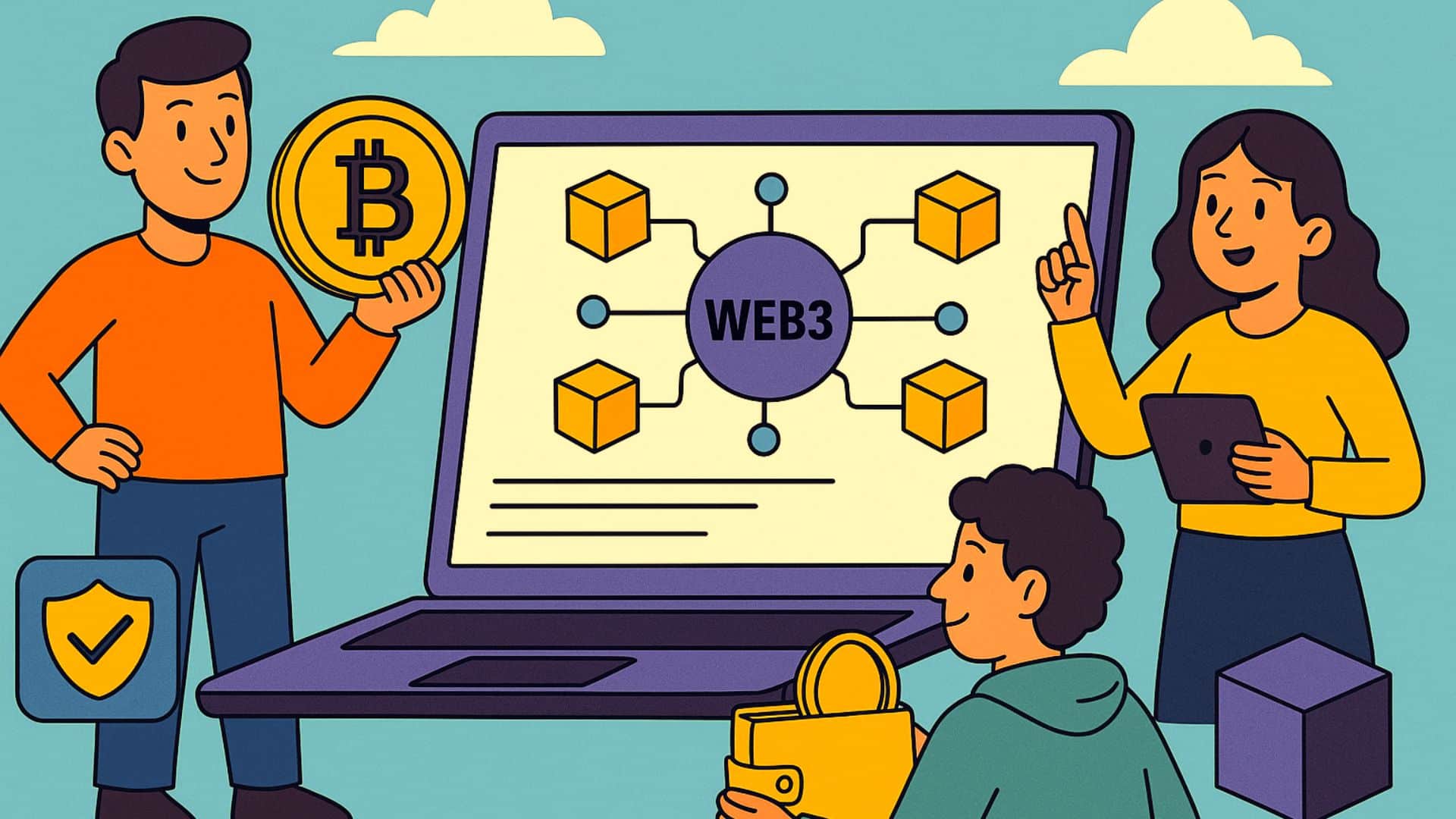
What is Web3, and why does it come up in every tech blog, crypto chat, or developer forum? People don’t just talk about it; it’s changing how they connect, use money, and share their identity online.
This isn’t hype. It’s a shift. Users no longer surrender their data to big companies. Instead, Web3 puts control back in their hands.


It runs on blockchain, letting apps and payments work without intermediaries. As people in Türkiye and beyond explore this new path, the real question is no longer just what is Web3 but how fast it will reshape the internet everyone uses today.
From Web1 to Web3: What’s the Big Change?
Web1 let people read content. It felt static. Web2 let them post, share, and comment. But big companies ended up controlling it all and using user data. Web3 removes that power from a few. It uses blockchain, a shared database on many computers. Everyone checks and verifies data. No one can tamper with records alone. That makes it safe, open, and fair.
What is Web3? Explained in the Simplest Way
Web3 gives people absolute control. No usernames. No big data farms. People use a crypto wallet, like MetaMask, to log in and prove their identity. Smart contracts, small pieces of code, work on their own.
Suppose someone buys a digital item, a smart contract checks the payment, and sends the item. No third party needed. ConsenSys reports that over 30 million people used Web3 apps last year, and that number continues to rise.
How Blockchain Makes It All Work
To really understand what is Web3, one must first understand the role of blockchain in enabling it. The blockchain works like a public notebook. Each page, or block, logs several actions. Once written, nobody can erase it. That builds trust.
Unlike Web2 apps that depend on servers for functioning, Web3 apps derive their existence from blockchains: Ethereum, Solana, Avalanche. The developers create apps with an aim to keep these in an open, safe, and independent world from central servers.
In Türkiye, local teams build finance apps, art platforms, and educational tools on Web3. Universities offer courses, and banks explore how smart contracts might help customers.
Web3 and Money: Welcome to DeFi
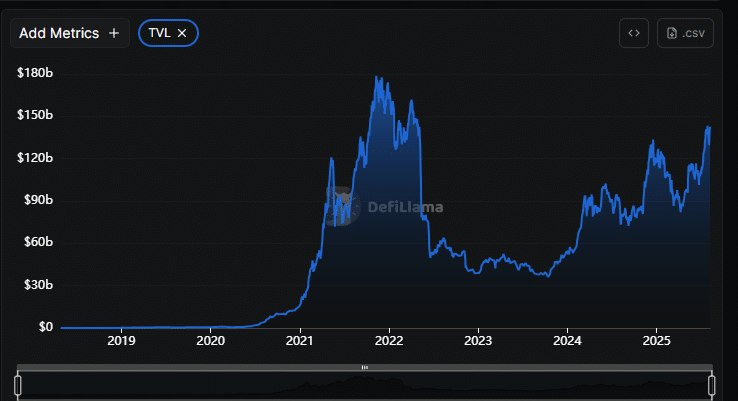
Web3 powers a new kind of finance called DeFi. With a wallet, users can lend, borrow, trade, and earn interest—all without banks. Smart contracts handle everything. DeFiLlama shows that apps now hold over $80 billion worth of crypto.
Analysts study how much money lies locked in each app, how much it costs to use, how many people use it, and how strong its code is. These signs help people decide which apps they can trust.
Türkiye and Web3: Growing Fast
Many crypto enthusiasts in Türkiye now want to know what is Web3 and how it can help them secure assets, build apps, or protect data. Türkiye ranks among the fastest-growing crypto markets. Chainalysis finds that young people are especially likely to explore crypto tools. Inflation and new tech interest push this. Artists sell NFTs, writers fund projects via DAOs, and platforms tailor tools for Turkish users.
Schools host blockchain classes. Meanwhile, Turkish regulators work on rules that line up with global standards like FATF and EU guidance. These rules aim to protect users and build trust.
What Developers Should Learn First
New Web3 developers focus on a few key skills. Solidity is the major language for writing smart contracts. Knowing how to test and secure code matters; bugs can cost millions. Firms like CertiK and Hacken audit code. They find weak spots before deployment.
OpenZeppelin offers battle-tested tools. Multi‑signature wallets help protect project funds. New chains, like Aptos and Sui, offer speed and new features. Still, most projects use Ethereum or similar EVM-compatible networks.
Community and Web3: Why It’s Everything
Web3 isn’t just about code; it’s people. Projects with strong communities grow faster. Blockchains that post updates, involve users, and offer grants attract developers. Solana bounced back after setbacks because its community stayed active.
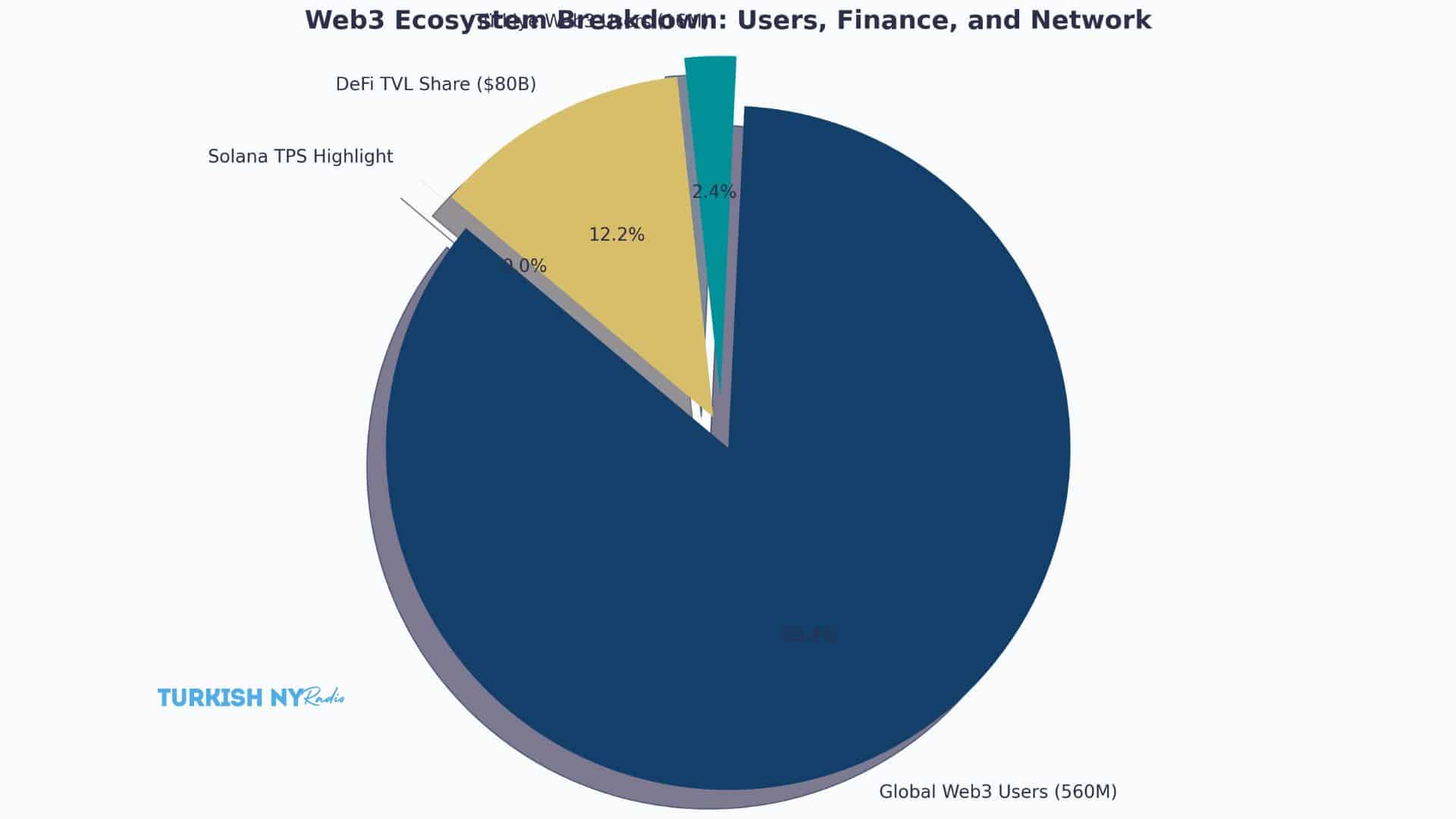
People jump into discussions on social media, Discord, and Telegram. Analysts track buzz to spot growing projects. Solana also stands out technically; it reaches up to 65,000 transactions per second, per its block explorer. That speed helps users experience fast, smooth Web3 apps.
The Risks Are Real: Be Careful
Web3 excites, but it isn’t risk-free. Token values fluctuate rapidly. Poor code can open the door to hacks. Some projects look good on the surface but lack solid plans. Laws still trail the tech. Users must watch the rules around identity checks, taxes, and trading. Learn the legal side before joining a project.
Conclusion
Based on the latest research, what is Web3 reflects a shift toward a user-controlled digital environment built on verifiable, decentralized technologies. It replaces trust in centralized platforms with transparent systems that operate through code and consensus. It enables the user to hold direct ownership of assets, identities, and data, and change the flow of finance, governance, and information across the internet.
Emerging economies like Türkiye are not the only ones experimenting with educational expansion and regulatory integration, but Web3 is not a passing trend; rather, it is a way to realign the structure of digital economies.
Whether it flourishes or withers down in further progress will depend not just on innovation in hardware and software but also on collaborative determination by users, developers, institutions, and regulators to define for them how they will use it in the future.
Follow us on Twitter and LinkedIn, and join our Telegram channel for more news.
Summary
This article provides a clear and research-oriented account of what Web3 is, how it differs from previous internet models, and most importantly, how it serves financial systems; the case in point being Türkiye. It spells out the shift from the centralized infrastructure to decentralized means; next, it discusses developer tools, and finally, it highlights such key trends as DeFi, DAOs, and tokenization.
With data-backed perspectives supported by relatively friendly lingo, the article aids both technical and non-technical people in understanding Web3’s meaning and, eventually, its importance.
Frequently Asked Questions
What is Web3?
Web3 refers to an updated version of the internet that will allow users to have control of their data and financial transactions using blockchain technology.
How does Web3 work?
Users connect wallets and use smart contracts instead of accounts and logins.


Can anyone use Web3?
Yes, get a crypto wallet and follow simple app instructions. Many interfaces now guide new users.
Is Web3 legal in Türkiye?
Yes. Türkiye aims to develop clear rules to keep users and projects safe and aligned with global standards.
Glossary of Terms
Web3: A web where users control data and money via blockchain.
Blockchain: A public record of actions stored in a way that keeps it safe and visible to all.
Smart Contract: A rule-based code that acts automatically.
Wallet: A tool to securely store and use crypto.
EVM: A system that runs smart contracts on Ethereum and similar chains.
DAO: A group that makes decisions through shared rules, not a boss.
DeFi: Money tools that operate without banks.
TVL: Total funds locked into a DeFi app.
NFT: An NFT is a unique digital asset owned by a person, which can include anything from art to music.