This article was first published on TurkishNY Radio.
NFTs changed the way digital ownership is understood. A single token can represent art, music, in-game assets, virtual land, or even rights tied to a broader digital experience. That sounds simple enough on paper. In practice, though, the market quickly ran into a familiar problem.


The most sought-after NFTs became too expensive for the average buyer. Once prices climbed, entry became narrow, liquidity often stayed thin, and ownership started to look like a club with a very high cover charge. That is where NFT Fractionalization enters the picture.
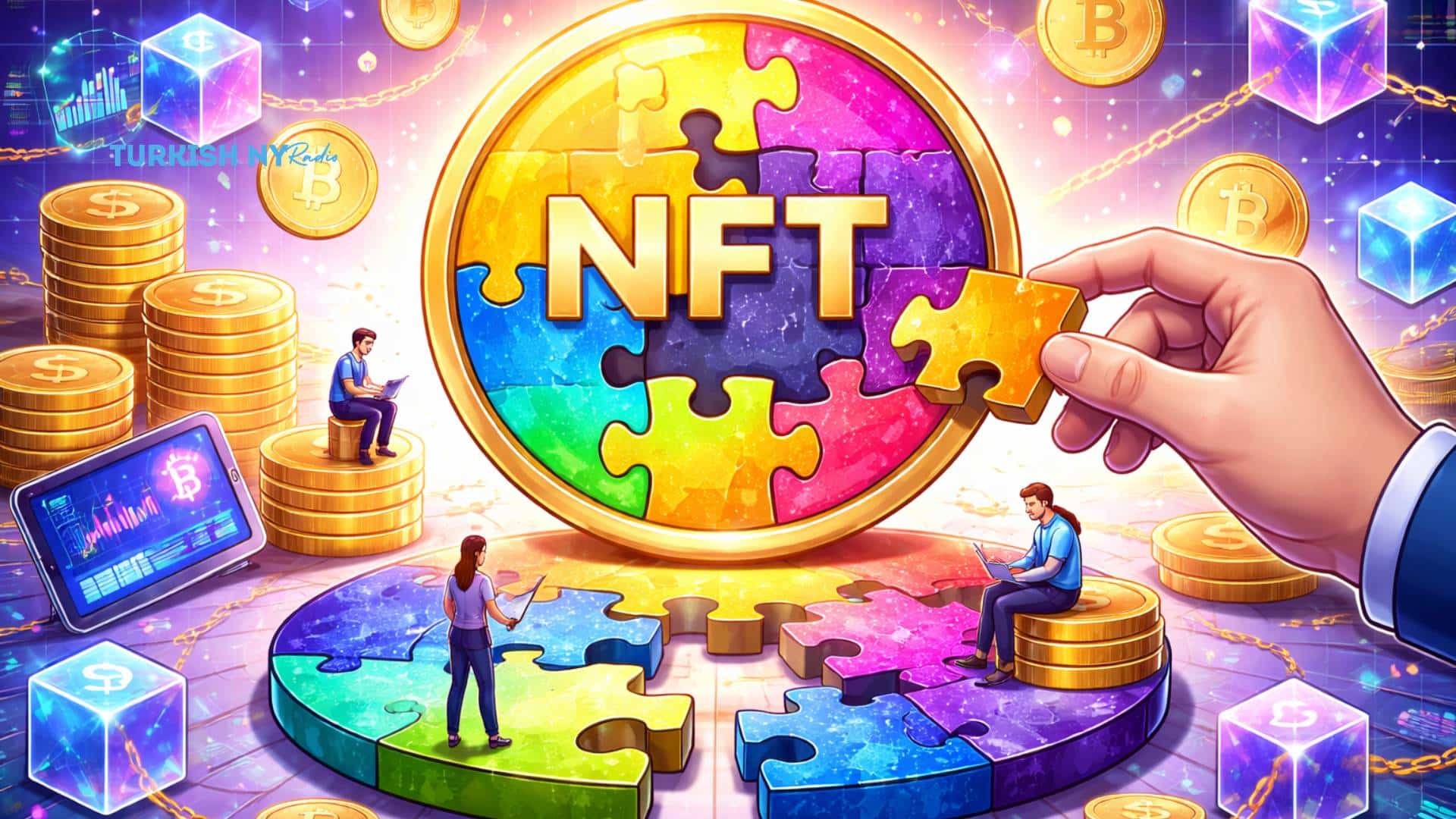
At its core, NFT Fractionalization is the process of splitting ownership exposure of one NFT into many smaller fungible tokens that can be bought and sold in pieces. The original NFT usually follows a non-fungible token standard such as ERC-721, while the smaller units are often issued as fungible tokens under standards such as ERC-20, allowing shared access and easier trading.
Ethereum’s token standards help explain why this structure works in the first place. ERC-721 is built for unique assets, while ERC-20 is built for interchangeable units that move more easily across wallets and trading venues.
Why the market moved toward shared ownership
The idea behind NFT Fractionalization is not complicated. It borrows from an old-world concept that people already understand. Real estate has long been divided into shares through funds, partnerships, and syndicates. High-value art has followed similar logic in certain investment structures. Crypto simply brought that instinct on-chain.
When one NFT carries a price tag far above what most market participants can afford, fractional ownership creates a lower-cost entry point. Instead of needing the full amount to buy the asset outright, investors can buy a small slice. That changes the market dynamic. It can widen access, create more price discovery, and make a rare asset easier to trade. In a space where liquidity often disappears when prices wobble, that extra flexibility can matter more than many people first assume.
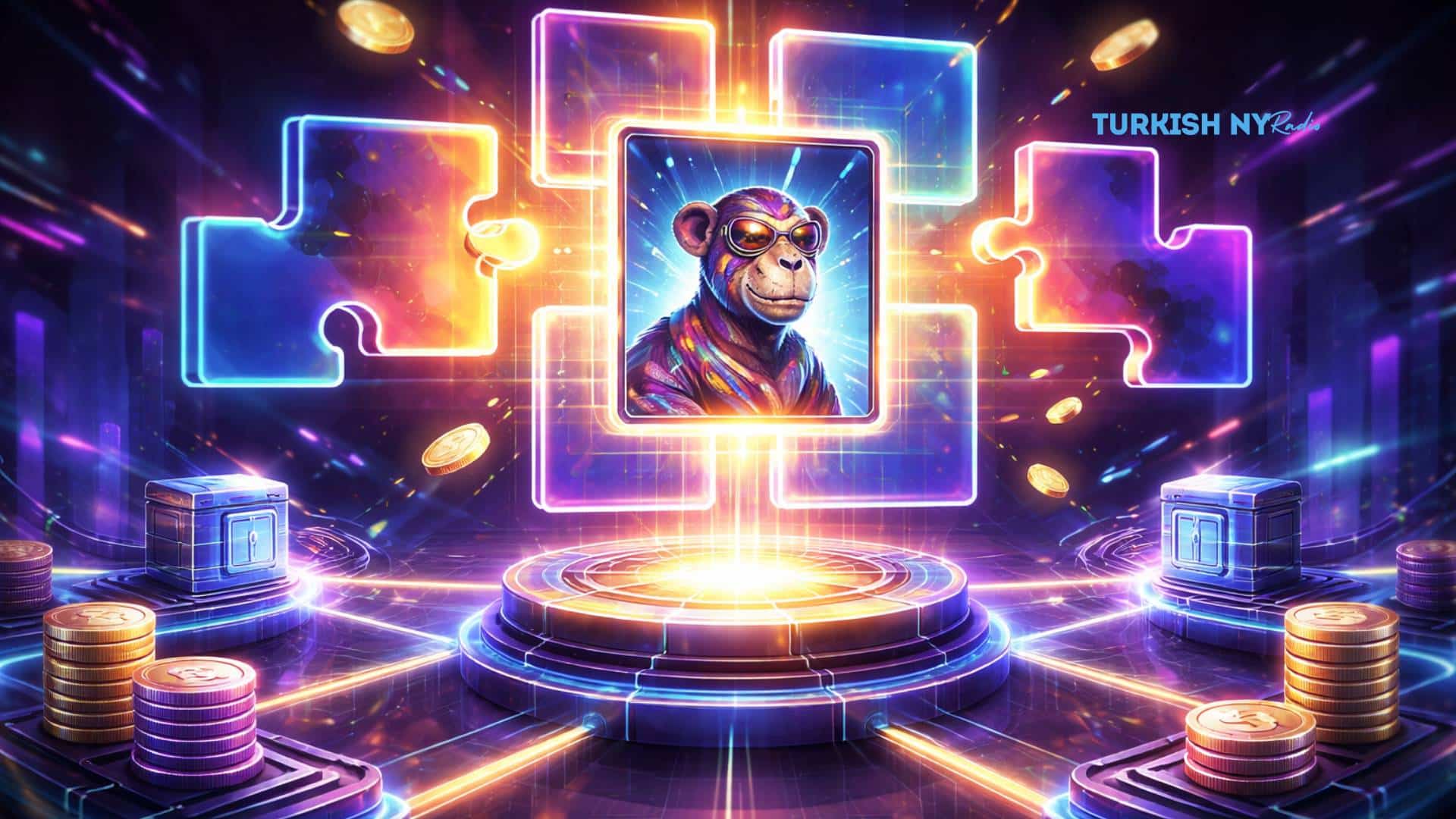


This also helps explain why NFT Fractionalization gained attention during periods when blue-chip collections surged in value. Once headline NFTs moved into territory that priced out retail buyers, the market naturally searched for a bridge between scarcity and accessibility. Fractional models looked like that bridge.
How NFT Fractionalization actually works
The mechanics are fairly straightforward, even if the smart contract layer sounds technical at first glance. A valuable NFT is typically locked inside a smart contract or vault. That contract then issues a fixed supply of fungible tokens representing fractional interests in the asset. Those fractions can be distributed, sold, or traded on compatible platforms.
In other words, NFT Fractionalization turns one indivisible token into many divisible units without changing the uniqueness of the original NFT itself. The original token still exists as a single asset. What changes is the ownership exposure around it.
That structure matters because fungible tokens are easier to move and price than a one-of-one collectible. They can be traded in smaller amounts, and that often creates a more active market around an asset that might otherwise sit idle. On a practical level, this can lower the friction of entry for buyers and create a smoother path for exits as well.
Still, the structure does not magically remove risk. It only reshapes it.
What problem NFT Fractionalization is trying to solve
The biggest problem is affordability, but it is not the only one. NFT Fractionalization also aims to improve liquidity and broaden participation.
A high-value NFT often has a tiny pool of potential buyers. That can make pricing erratic. It can also trap sellers, especially when the broader market turns cautious. By dividing exposure into smaller pieces, the asset becomes easier to buy, easier to sell, and easier to price in public markets.
There is also a cultural angle. NFTs were often pitched as a technology that could democratize ownership. Yet some of the market’s most desirable assets ended up concentrated among wealthy collectors, funds, or early adopters. Fractional models try to reopen that door. Whether they fully succeed is another matter, but the intent is clear.
That is why NFT Fractionalization appeals not only to speculators, but also to collectors who want wider community participation around premium assets.
The upside for investors and collectors
From an investor’s perspective, the appeal is obvious. A smaller ticket size means broader access. It also allows capital to be spread across multiple assets instead of being tied to one expensive purchase. In theory, that can improve diversification.
For collectors, there is another angle. A valuable NFT that might otherwise remain locked in a wallet can become a more active financial object. Shared ownership can build community interest, increase visibility, and create a market around the asset without forcing a full sale.
That said, the attraction of NFT Fractionalization is strongest when the underlying NFT has recognizable demand, cultural relevance, or utility. Splitting a weak asset into 10,000 smaller pieces does not create value out of thin air. It just creates 10,000 smaller claims on something the market may not want.
That is the part many newcomers miss. Fractional structure is not a substitute for quality.
The risks that deserve real attention
This is where the conversation becomes more serious. NFT Fractionalization may improve access, but it can also raise legal, governance, valuation, and liquidity concerns. U.S. regulators have repeatedly warned that digital asset structures can trigger securities questions depending on how they are marketed and sold, especially when buyers are led to expect profit from the efforts of others.
That does not mean every fractional NFT is automatically unlawful. It does mean the structure deserves careful legal analysis. If fractions behave like investment shares, regulators may take interest. That is a real issue, not a background footnote.
There are also market risks. Fractional tokens may look liquid on paper but trade thinly in practice. Prices can become detached from the underlying NFT’s realistic market value. Governance can turn messy if token holders disagree on when to sell, how to manage the asset, or how to respond to buyout offers.
Then there is custody and contract risk. If the smart contract holding the NFT is flawed, hacked, or poorly designed, the entire structure can break down. That is why NFT Fractionalization should never be viewed as a shortcut around due diligence.
Why pricing remains tricky
Valuing a whole NFT is already difficult. Valuing tiny pieces of one can be even harder.
The market may assign a premium to the convenience of smaller tradable units. Or it may assign a discount because fractional holders do not control the asset directly. In some cases, fractional markets can become overly speculative, especially when hype pulls in buyers who are chasing momentum rather than studying the asset.
This makes NFT Fractionalization highly sensitive to sentiment. If the NFT sector is hot, fractions can trade briskly. If the mood cools, the same fractions may lose liquidity fast. That kind of swing is common in crypto, where narratives can lift prices one month and leave them stranded the next.
Where NFT Fractionalization fits in the bigger crypto picture
The broader significance of NFT Fractionalization is that it sits at the intersection of ownership, liquidity, and financial engineering. It is part collectible culture, part market structure experiment, and part access tool.
In the best-case version, it helps high-value digital assets reach wider communities and supports more efficient price discovery. In the weaker version, it turns scarce NFTs into fragmented speculation machines with unclear legal footing. Both outcomes are possible, and history suggests the market has room for each.
That is why NFT Fractionalization should be understood as a tool, not a guarantee. Tools can be useful. Tools can also be misused.
Conclusion
The idea behind NFT Fractionalization is easy to grasp once the noise is stripped away. One expensive NFT is placed into a smart contract, divided into smaller tradable units, and opened up to a larger pool of participants. That can improve access, increase liquidity, and create a new route into premium digital assets.
But the model is not risk-free, and it is certainly not a magic formula. The underlying asset still matters. The legal structure still matters. The contract design still matters. So does the quality of the market around it.
For readers trying to make sense of the next phase of digital ownership, NFT Fractionalization is worth understanding because it reflects a broader trend inside crypto. Markets keep looking for ways to turn illiquid value into tradable exposure. Sometimes that creates genuine innovation. Sometimes it creates fresh complexity wearing a simple label. In this case, it does a bit of both.
FAQs
What is NFT fractional ownership?
It is a structure where one NFT is split into many smaller tokens so multiple people can gain exposure to the same asset.
Is NFT Fractionalization the same as owning the full NFT?
No. Fraction holders usually own a portion of the economic exposure, not sole control of the original asset.
Why do investors use fractional NFTs?
They use them to access expensive NFTs with less capital and to trade smaller positions more easily.
Can fractional NFTs be risky?
Yes. Risks include low liquidity, legal uncertainty, smart contract failure, and poor pricing.
Are fractional NFTs securities?
They can raise securities questions depending on how they are structured, marketed, and governed.
Glossary of Key Terms
NFT
A non-fungible token that represents a unique digital asset on a blockchain.
Fractional Token
A smaller fungible unit that represents partial exposure to a locked NFT.
ERC-721
A token standard commonly used for unique NFTs on Ethereum.
ERC-20
A token standard commonly used for fungible tokens that are interchangeable and easier to trade.
Smart Contract
Self-executing blockchain code that manages token rules, transfers, and ownership logic.
Liquidity
How easily an asset can be bought or sold without causing a sharp price move.
Price Discovery
The market process through which buyers and sellers find a tradable price.
Sources