This article was first published on TurkishNY Radio.
U.S. authorities seized the domain tickmilleas.com after linking it to a Crypto Scam tied to a scam compound in Kyaukhat, Burma. The Department of Justice announced the action on Dec. 2 through its Office of Public Affairs.


Officials said the site looked like a real trading platform. Investigators allege it was built to lure victims into sending money and crypto. The seizure aims to stop U.S. digital infrastructure from being used to run a Crypto Scam at scale.
DOJ Links tickmilleas.com to Tai Chang Compound Crypto Sca
The DOJ said tickmilleas.com was connected to the Tai Chang compound, also known as Casino Kosai. Earlier in the week, officials also seized two additional domains allegedly used by the same network.
Also Read: FBI issues warning as recovery scams trick victims into paying upfront fees
Investigators said the platform showed fake dashboards and fabricated gains. They also described false deposits used to make the site appear active. The FBI said it identified victims within weeks of the domain’s registration.
The DOJ also said victims were pushed toward mobile apps tied to the Crypto Scam. Some apps were removed after law enforcement notifications.
Southeast Asia Scam Compounds Fuel Crypto Scam Networks
Scam compounds are large facilities used to run online fraud. They are often controlled by transnational criminal groups. Many operations involve trafficked or coerced workers. Southeast Asia remains a major hub for these networks.
Myanmar, Cambodia, Laos, and Vietnam have been linked to rising investment fraud and pig butchering schemes. Many of these operations revolve around a Crypto Scam model. Victims are steered to fake platforms that simulate trading activity.
How the Site Allegedly Worked
Investigators said tickmilleas.com was designed to mimic a legitimate investment service. It included dashboards, trade histories, and account balances. Prosecutors described returns that were allegedly fabricated. The goal was to build confidence first.
Then the Crypto Scam operators encouraged larger deposits. Victims were told to “top up” to unlock withdrawals. Some were charged extra “fees” and “taxes.” That is a common Crypto Scam pressure tactic.
Mobile Apps and Malware Risks
Officials said the site directed victims to download mobile applications through major app stores. Some of those apps were described as malicious. Authorities said multiple apps were removed after the FBI notified the companies.
A Crypto Scam can use mobile apps to keep victims engaged. Apps can also collect sensitive data. They can deliver prompts that intensify pressure. They can also make the fake platform feel more real.
Social Media Accounts Used to Find Targets
The DOJ said information shared by investigators helped Meta remove more than 2,000 accounts linked to the network. Social platforms are a major entry point for this type of Crypto Scam. Operators can use fake profiles and scripted conversations.
They can run ads or groups. They can share “success” screenshots. This creates social proof. It also helps the Crypto Scam scale fast across borders.
Alleged Links to Sanctioned Groups
The DOJ said Tai Chang had direct connections to sanctioned entities, including the Democratic Karen Benevolent Army and Trans Asia International Holding Group. Both were listed as Specially Designated Nationals for alleged links to organized crime.
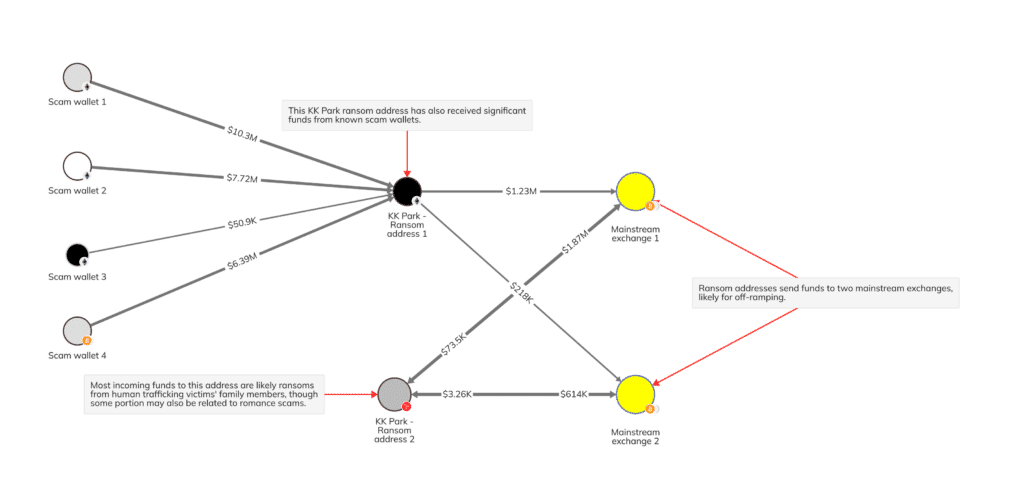
These allegations matter because scam compounds often rely on protection and financing. The model supports repeated Crypto Scam launches. Domains can be replaced quickly. Staff can be shifted to new brands just as fast.
Speed of Harm and Domain Cycling
Officials said the domain was registered in early November 2025. Still, investigators said several victims were identified within the last month. That timeline shows how quickly a Crypto Scam can move from setup to victim losses.
Many operators cycle domains to avoid warnings. They change names, designs, and app links. Domain seizures slow this process. But law enforcement warns that Crypto Scam groups often rebuild within days.
Conclusion
The seizure of tickmilleas.com is part of a broader U.S. effort to disrupt scam compounds tied to transnational online fraud. The strategy focuses on taking away tools that scammers depend on, including domains, apps, and social accounts.
Officials say these disruptions reduce victim access points and limit reach. Still, authorities warn the threat remains high. A Crypto Scam can appear polished, familiar, and convincing. That is why investigators urge users to verify platforms and report suspicious activity quickly.
Also Read: Crypto Scams 2025: The Hidden Traps and How to Avoid Crypto Fraud
Frequently Asked Questions About Crypto Scam
1- What happened to tickmilleas.com?
The U.S. government seized the domain after linking it to a Crypto Scam operation.
2- What is a scam compound?
It is a large facility used to run online fraud, often under organized networks and coercive conditions.


3- How did the Crypto Scam convince victims?
Investigators said it used fake dashboards, fabricated gains, and staged deposits to appear legitimate.
4- Why were mobile apps involved?
Authorities said victims were directed to apps, some of which were removed after FBI notifications.