Updated on 24th October, 2025
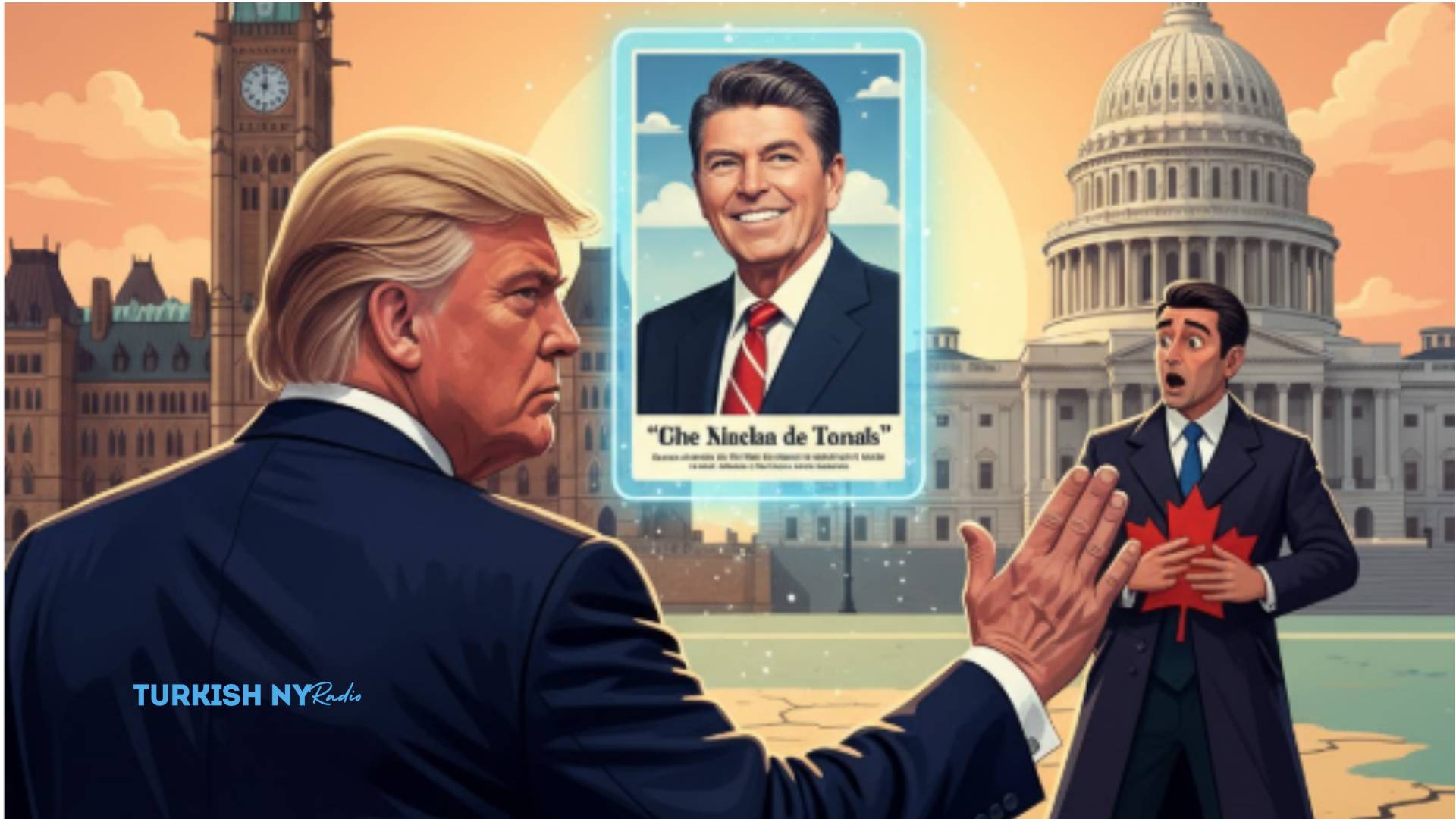
The U.S.-Canada trade relationship hit a rough patch on Friday after President Donald Trump announced he was terminating all trade negotiations with Canada, blaming a controversial Ontario advertisement that used former President Ronald Reagan’s voice to criticize tariffs.


Speaking on Truth Social, Trump wrote, “Based on their egregious behavior, ALL TRADE NEGOTIATIONS WITH CANADA ARE HEREBY TERMINATED.” He accused the ad of being “fraudulent” and said it twisted Reagan’s words to attack his current tariff policies. The move immediately sent shockwaves through diplomatic circles, with both governments scrambling to manage the fallout.
The Ad That Lit the Fuse
The Ontario government aired a promotional video earlier this week featuring Reagan’s 1987 remarks about the dangers of tariffs. The clip suggested that protectionist trade policies cost American jobs and lead to economic blowback, an unmistakable jab at Trump’s renewed tariff push.
Premier Doug Ford acknowledged the controversy, saying, “The President saw the ad, and I think it hit a nerve.” The ad was part of Ontario’s campaign promoting cross-border trade cooperation, though U.S. officials viewed it as a political slight.
The Ronald Reagan Presidential Foundation later condemned the ad, claiming it “used selective editing” and violated licensing terms. A spokesperson added that the foundation was “reviewing possible legal action” over the unauthorized use of Reagan’s likeness.
Tariffs Back in the Spotlight
The diplomatic fallout comes at a delicate time. Washington and Ottawa were in the middle of renegotiating tariffs on steel, aluminum, and auto imports, talks that were already strained after months of tit-for-tat duties. Trump’s announcement abruptly froze progress.


Economist Rachel Whitmore from Georgetown University said,
“This isn’t just about an ad. It’s about leverage. Trump has always used tariffs as both a weapon and a message.”
For many manufacturers on both sides of the border, the timing couldn’t be worse. Steelmakers in Ontario and auto suppliers in Michigan rely heavily on open trade routes that now face new uncertainty.
Ottawa Responds Firmly
Prime Minister Mark Carney pushed back, saying Canada “will not allow unfair U.S. access to Canadian markets.” He added, “We have no intention of bending to threats or political theatrics. Canada remains open to fair, fact-based negotiations.”
Carney’s tone was measured but firm, a signal that Ottawa is unwilling to concede ground. Analysts believe the diplomatic chill could complicate next year’s review of the North American trade agreement, which also involves Mexico.
Trade expert Jennifer Wallace noted that,
“the optics of this dispute are just as damaging as the policy itself.” She added that Reagan’s legacy being dragged into the mix “adds emotional weight to what should have been a routine negotiation.”
Market Reactions
Financial markets reacted cautiously to the announcement. The Canadian dollar slipped slightly against the U.S. dollar, while industrial stocks in both countries showed mild volatility. Investors are now watching for signs of escalation, particularly whether new tariffs will follow.
Historically, Trump’s tariff rhetoric has rattled markets before but often served as a negotiating tactic. Still, this time feels different, analysts say, because of the direct cultural provocation tied to the Reagan ad. “It’s personal now,” one Wall Street strategist remarked.
Conclusion
What began as a political commercial has spiraled into a full-blown diplomatic rift between two of North America’s closest allies. While Trump’s decision to cut off trade talks may prove temporary, it highlights how easily symbolic gestures can spark real economic consequences. For both nations, repairing trust might be harder than reopening negotiations.
Frequently Asked Questions (FAQ)
1. Why did President Trump end trade talks with Canada?
He accused Ontario’s government of airing a misleading advertisement that misused Ronald Reagan’s voice to criticize tariffs.
2. What did the advertisement say?
It featured Reagan’s words from 1987 about the dangers of tariffs, edited in a way that appeared to target Trump’s trade policies.
3. How did Canada react?
Prime Minister Mark Carney said Canada will defend its markets and only engage in fair, fact-based trade discussions.
4. Could this affect North American trade?
Yes. The timing is critical, as the U.S., Canada, and Mexico are set to review their regional trade pact next year.
Glossary
Tariffs: Taxes on imported or exported goods, used to protect domestic industries or influence foreign trade.
Trade Pact: A formal agreement between countries that sets rules for importing and exporting goods.
Diplomatic Fallout: The political and economic tension that follows a disagreement between nations.
Protectionism: An economic policy aimed at shielding domestic industries from foreign competition through tariffs or quotas.
Exchange Rate: The value of one currency compared to another, often affected by political and economic developments.