

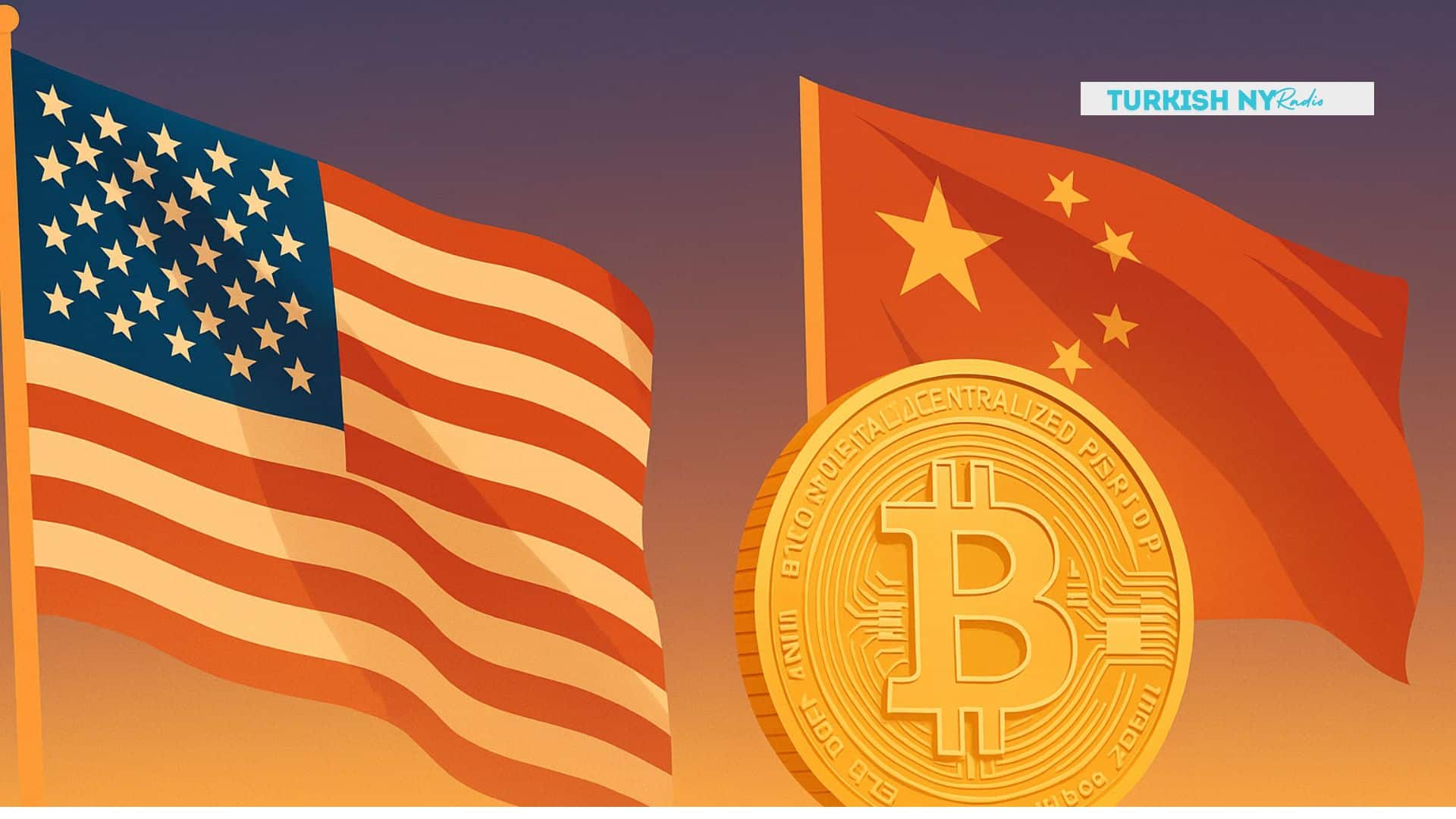
President Donald Trump received a royal welcome in Tokyo before heading toward high-stakes talks with Chinese President Xi Jinping. The spotlight is now on what many are calling the emerging Trump-China trade truce, a framework designed to pause tariffs and ease export restrictions between the world’s two biggest economies.
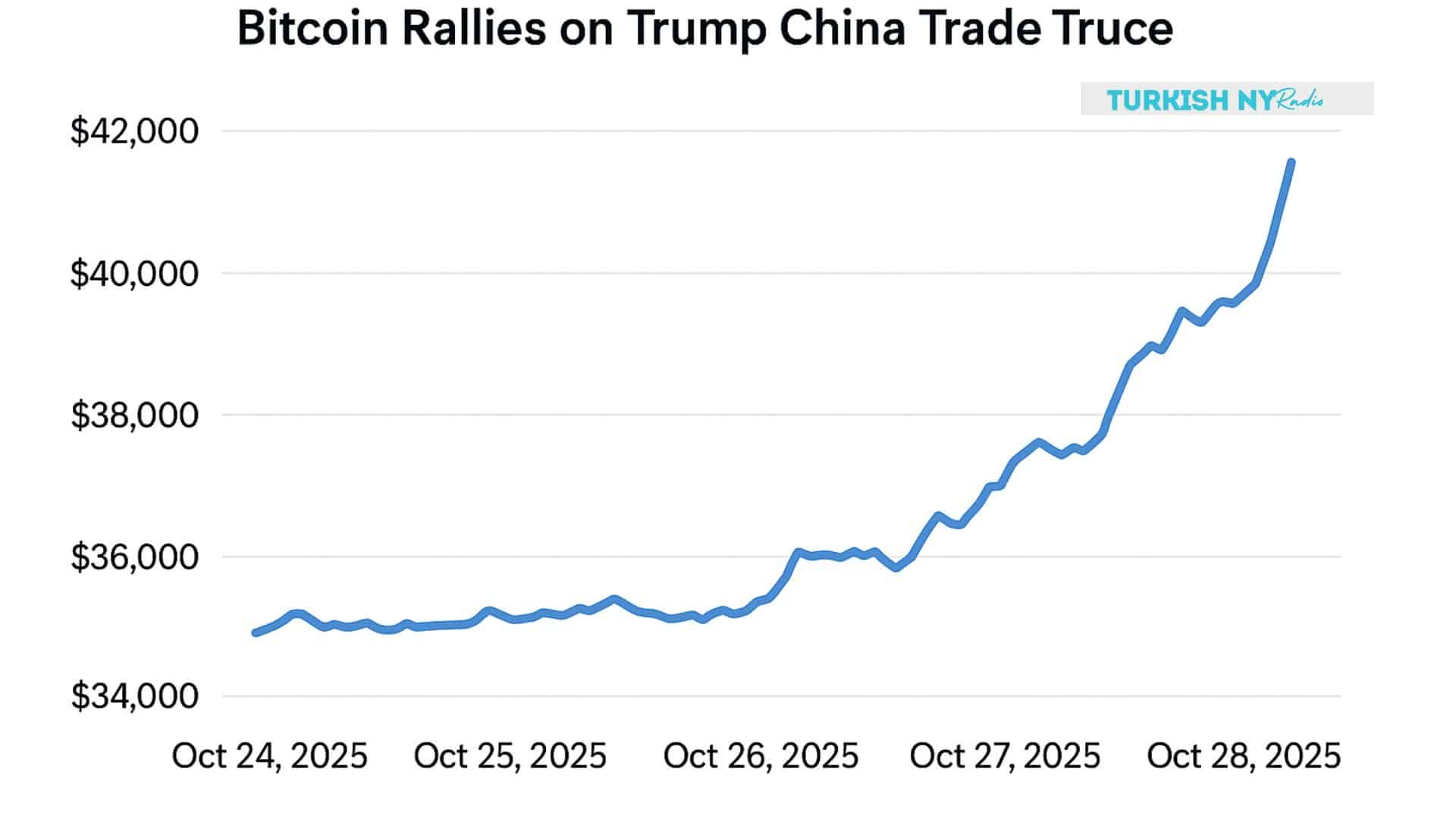
This unexpected shift has already rippled across global markets, with crypto traders watching closely as macro uncertainty begins to cool.

Also read: EU Explores Ethereum and Solana to Power Digital Euro Amid U.S. Pressure
A Pause, Not a Peace, But Markets Like It
According to reports from Reuters, U.S. and Chinese negotiators outlined a “pause” on new tariffs and rare-earth export controls rather than a full rollback. Still, this softening tone from both sides marks the first tangible de-escalation since the 2024 trade tensions reignited.
“The Trump China trade truce isn’t just about trade,” said one Tokyo-based market strategist. “It’s about signaling stability, and that’s gold for both traditional and digital markets.”
Japan’s Prime Minister Sanae Takaichi, hosting Trump, confirmed that Japan would deepen its defense and trade cooperation with Washington, reinforcing U.S. leadership in the Indo-Pacific. The move strengthens America’s strategic hand as it prepares for Trump’s upcoming summit with Xi.


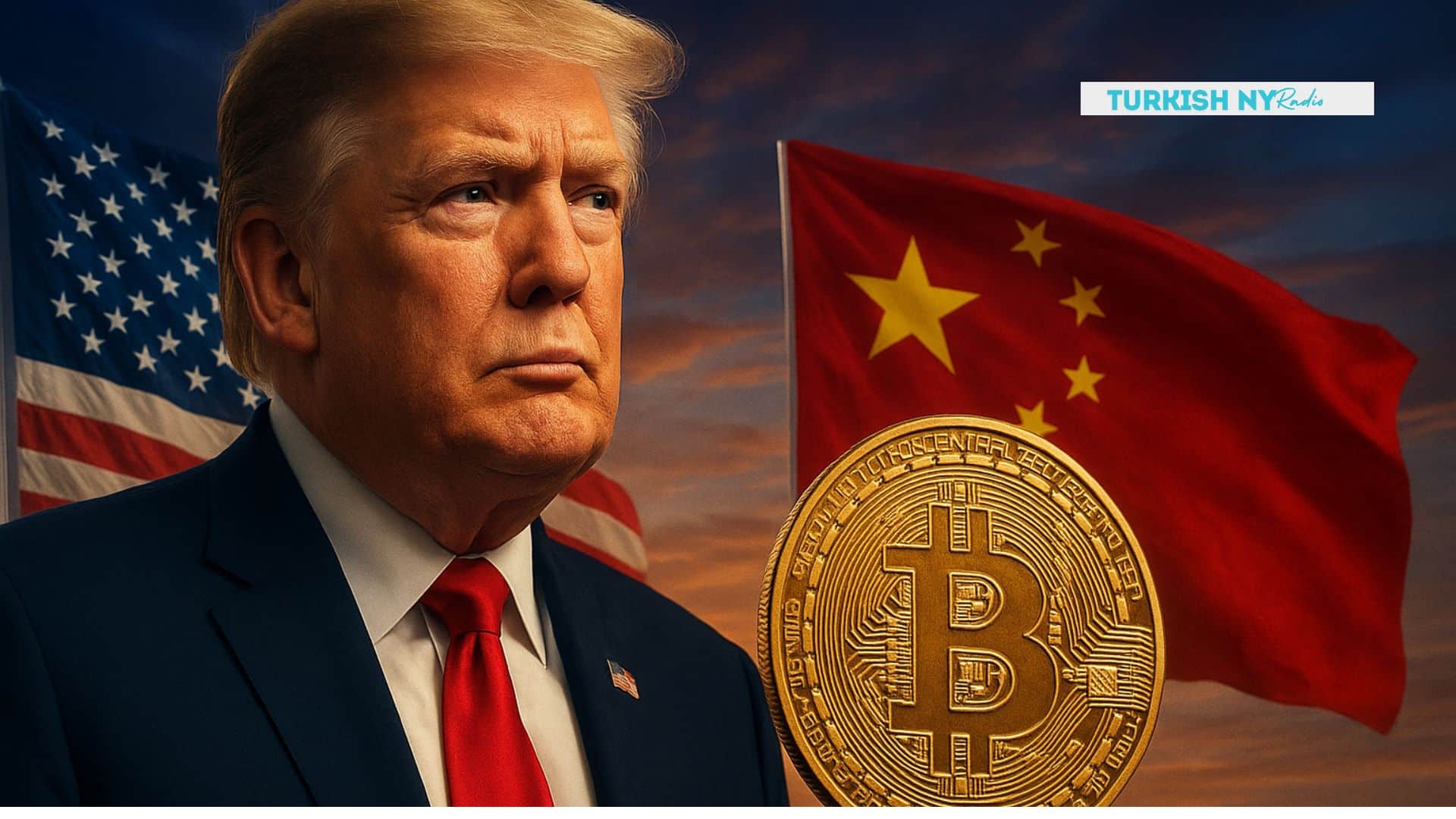
“Crypto and global equity markets surge following Trump’s tariff pause, but markets remain delicate while a trade war brews between the U.S. and China.”
Crypto Traders Turn Bullish on Risk Assets
The Trump China trade truce has sparked optimism far beyond politics. Crypto analysts say the easing of tensions could open the door to renewed appetite for risk assets, including Bitcoin, Ethereum, and altcoins.
Historically, when the U.S. dollar weakens amid reduced geopolitical stress, investors shift toward alternative stores of value. Bitcoin, often dubbed “digital gold,” tends to benefit during such sentiment shifts.
“With tariffs paused, supply chains reopen, and global confidence improves, liquidity can flow more freely,” said Sofia Nguyen, a senior crypto strategist at CoinMetrics. “That makes the Trump China trade truce a quiet bullish signal for Bitcoin.”
Even decentralized markets noticed an uptick: stablecoin inflows and DeFi volume both nudged higher in the hours following Trump’s Tokyo stop, reflecting a cautiously optimistic mood.
Rare Earths, Mining, and the Hardware Angle
Beyond diplomacy, the Trump China trade truce could impact crypto’s physical backbone, mining. Many mining rigs rely on components and metals sourced from China.
“If the truce holds, mining costs could stabilize,” noted Alex Reinhardt, a blockchain infrastructure researcher. “A friendlier U.S.–China supply chain means steadier GPU prices and fewer disruptions.”
This could indirectly boost Bitcoin mining efficiency and potentially accelerate the recovery of hash rate growth that slowed earlier in 2025.
Conclusion
While it’s too early to call the Trump China trade truce a full-fledged peace deal, its symbolic and economic weight is undeniable. It sends a message of restraint and cooperation, both of which global markets crave.
For crypto investors, it’s a timely reminder that digital assets don’t exist in isolation, they move with the tides of global diplomacy. Whether this thaw lasts or not, the Trump China trade truce has already given markets something rare in recent months: hope.
Also read: Bitcoin ETF Inflows Hit Record $10 Billion After Trump Tariff Jolt
Summary
The Trump China trade truce marks a key moment of de-escalation between Washington and Beijing. During Trump’s Tokyo visit, both sides agreed to pause tariffs and rare-earth export controls, signaling a cooling of trade tensions. Global markets, especially crypto, responded with optimism, seeing it as a sign of stability and renewed liquidity. If sustained, the truce could benefit crypto mining costs, investor sentiment, and risk appetite across digital assets.
Glossary of Key Terms
Tariffs: Taxes imposed on imported goods between countries.
Rare Earths: Critical minerals used in electronics, batteries, and mining rigs.
Liquidity: The availability of capital in markets, affecting price movement.
Hash Rate: The computational power used to mine and secure cryptocurrencies.
DeFi: Decentralized Finance, financial services built on blockchain networks.
FAQs for Trump China Trade Truce
1. What is the Trump China trade truce?
It’s a framework agreement to pause new tariffs and export restrictions between the U.S. and China.
2. How does it affect crypto markets?
Reduced geopolitical tension can increase investor confidence, leading to higher trading activity and prices in digital assets.
3. Will Bitcoin benefit from this truce?
Potentially yes, a weaker dollar and calmer macro environment often boost Bitcoin demand.
4. Is the truce a permanent deal?
No. It’s a temporary “pause” with details still under negotiation.
5. Could this impact crypto mining?
Yes. Eased trade restrictions could stabilize hardware costs and supply chains for mining equipment.