![Sun [New]](https://s2.coinmarketcap.com/static/img/coins/64x64/10529.png)


This article was first published on TurkishNYR
Crypto theft usually starts with a story, as a fake support chat, a cloned app, an “urgent” update notice, or even a letter in the mailbox that looks official. In February 2026, security researchers warned about physical “snail mail” phishing aimed at device owners, designed to push victims into scanning QR codes and entering recovery phrases. That is the backdrop for Hardware Wallets: a boundary between valuable keys and the online world.


A private key is the true ownership credential in crypto. Whoever controls it can move funds. If it lives in a phone or laptop, it lives beside browsers, downloads, and permission prompts that most people accept without thinking. Hardware Wallets reduce that exposure by storing the private key inside a dedicated device and signing transactions without revealing the key to the computer.
When security indicators matter more than charts
A drained wallet rarely does as spikes in phishing, impersonation campaigns, and software supply chain compromises often arrive before losses. In April 2025, a malicious compromise in a JavaScript package was disclosed after injected code attempted to capture secret key material. Hardware Wallets shrink the attack surface for routes that depend on stealing secrets from an internet-connected device.
Hardware Wallets in 2026: the pause that saves portfolios
Most modern theft is a consent attack as the criminal convinces someone to approve the wrong thing. Hardware Wallets make signing a separate step that happens on a device the attacker cannot easily control remotely. The holder sees the amount and the destination on the device and confirms. That friction can expose an address swap caused by malware, or a “test transaction” request that is really a drain.
What Hardware Wallets actually do
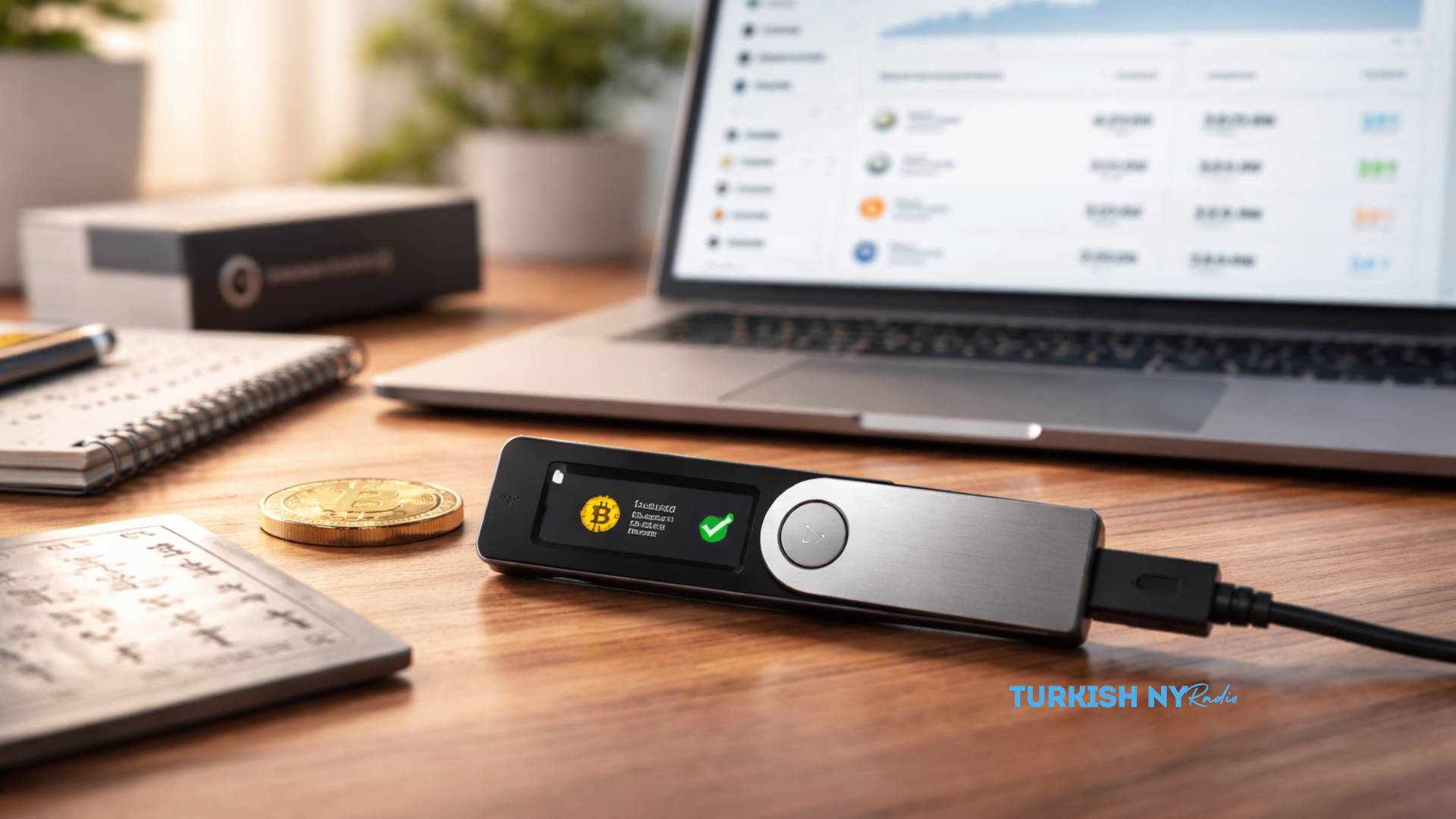
A dedicated device generates a private key inside its secure environment and stores it there. The computer or phone builds the transaction, but it does not receive the key. It sends the transaction data to the device, the device displays key details, and the device signs only after approval. The signed transaction returns to the computer for broadcast, while the private key never leaves the device.
Recovery phrases decide success or disaster
The recovery phrase is the master key; it restores access if the device is lost, destroyed, or upgraded. It also gives an attacker full control if it is shared. A careful setup keeps the phrase offline, written by hand, stored privately, and never photographed. Cloud notes, email drafts, and screenshots are risky because they turn a physical secret into a copied file that can leak.
Choosing a device without turning it into a brand argument
A better way to choose is to match features to human behavior. A clear screen, strong PIN support, passphrase capability, and a verifiable first use process matter. Authentic sourcing matters too, because counterfeit devices and tampered packaging exist. Some manufacturers have published authenticity guidance, including updated security seals on newer production runs.
Many mainstream devices sit in the $60 to $250 range depending on screen and build. Paying more does not automatically mean safer, but a device that is easy to verify and easy to use correctly can reduce mistakes.
How Hardware Wallets fit into a layered security stack
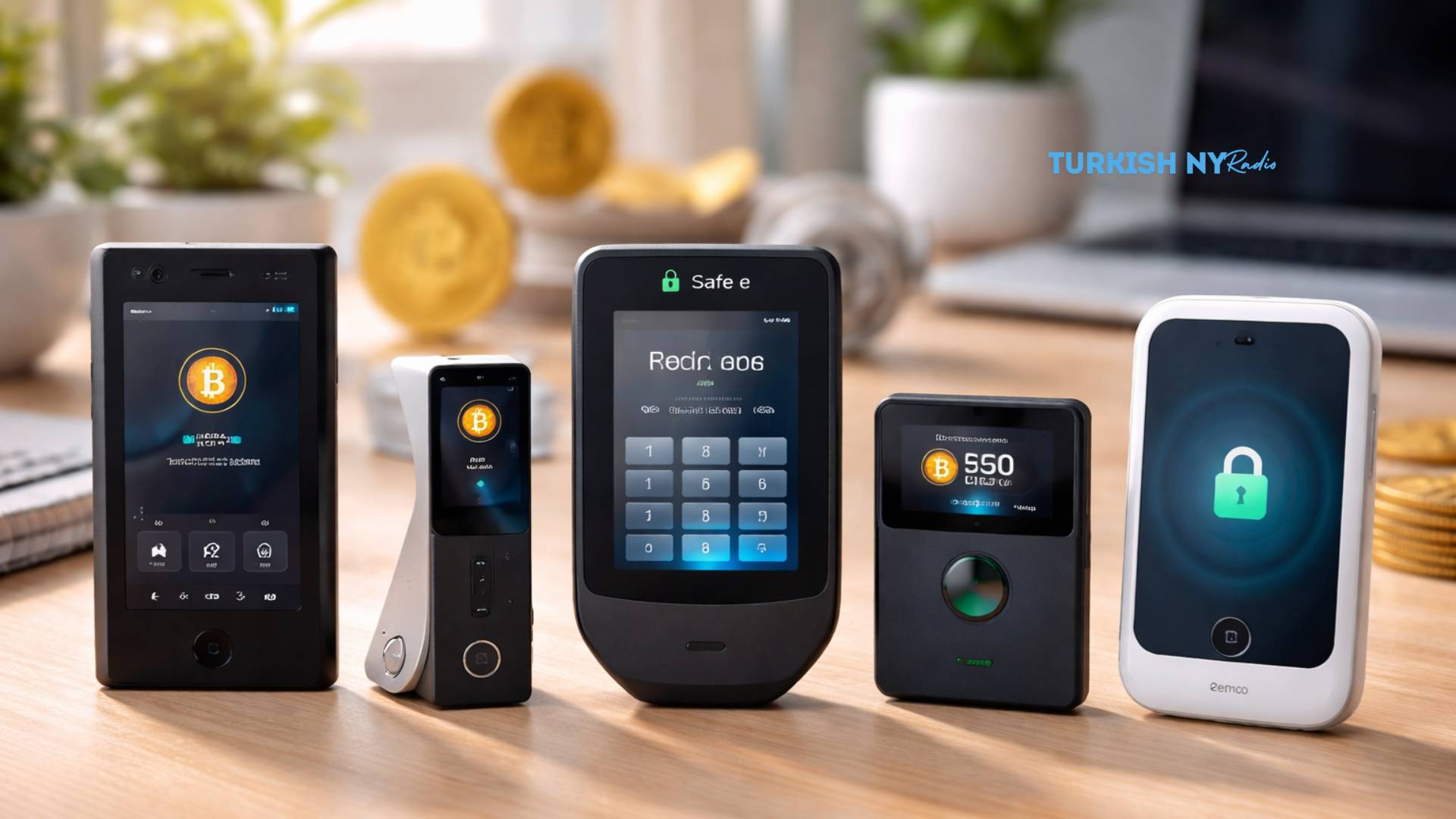
A practical pattern is to keep long term holdings on Hardware Wallets and keep a smaller amount in a hot wallet for daily activity. That split limits blast radius. If the phone wallet is compromised, long term holdings remain behind offline signing.
Daily habits that keep Hardware Wallets effective
Setup should happen in a private environment with no cameras aimed at the recovery phrase. A strong PIN should be used. Firmware updates should be handled carefully, since scammers weaponize “update now” urgency. The safer practice is to update through official device software pathways, avoid links from messages, and confirm prompts on the device screen.
Common mistakes that weaken self custody
One of the most expensive mistakes is approving a transaction while focusing on the wrong screen. Malware can swap an address in the clipboard, and a busy holder might only notice after funds are gone. Hardware Wallets help by showing the final address on the device, but the habit still matters: slow down, check the first and last characters, and treat large transfers like a two step process with a small test amount first.
Another mistake is leaving funds in a single wallet used for everything. When every approval happens from the same place, a single compromise becomes a total compromise. Hardware Wallets work best when they protect storage while a separate hot wallet handles routine activity. If a passphrase is used, it should be recorded securely, because forgetting it can be as final as losing the recovery phrase.
Physical security is the quiet risk that gets ignored. A recovery phrase stored in one location can be lost to fire, water damage, or theft. Some holders choose metal backups or split storage across trusted locations so that a single event does not wipe out access. These planning steps are easier when Hardware Wallets make recovery part of setup from day one.


Conclusion
Self-custody is freedom with responsibility as Hardware Wallets remain one of the most reliable tools for reducing theft risk because private keys stay offline, approvals are explicit, and recovery planning becomes part of the process. Combined with careful backup storage and a clear split between storage and spending, hardware wallets make crypto ownership less dependent on luck and more dependent on repeatable habits.
Frequently Asked Questions
What is the main advantage of Hardware Wallets compared with app wallets?
Hardware Wallets keep private keys in a dedicated device and sign transactions without exposing the key to the connected computer, reducing the impact of malware and many phishing attempts.
Can funds be lost while using Hardware Wallets?
Yes. Loss is possible if the recovery phrase is shared, if the recovery phrase is lost, or if a harmful transaction is approved.
How much do Hardware Wallets typically cost?
Many common models fall between $60 and $250, with premium models higher.
Do Hardware Wallets remove the need for backups?
No. The recovery phrase remains essential for restoring access if the device is lost or damaged.
Glossary of Key Terms
Private key: The secret cryptographic key that authorizes spending and proves control over funds.
Recovery phrase: A set of words that restores wallet access on a new device; it should stay offline and private.
Cold storage: Keeping signing keys offline to reduce exposure to remote attacks.
Hot wallet: A software wallet connected to the internet, often used for daily spending and trading.
Phishing: A scam that tricks someone into revealing secrets or approving harmful actions through fake messages or websites.
Disclaimer: This article is for educational purposes only and does not constitute financial, investment, or legal advice.
Sources