The long-running SEC vs Ripple lawsuit looks to be coming to a close, after both parties submitted a mutual settlement to drop their appeals. This move may mark the end of one of cryptocurrency’s most major judicial disputes.
For years, the case has influenced arguments over digital asset regulation, with investors, analysts, and policymakers paying careful attention. With the appeals denied, the emphasis now switches to what this means for Ripple, the crypto sector as a whole, and the price of XRP.


Appeals Dismissed: A Definitive Moment
The SEC and Ripple have decided to withdraw their separate challenges, thereby upholding the prior court verdict.
That decision deemed XRP not a security when traded on public exchanges, but institutional sales were prohibited under securities legislation. This result also confirmed Ripple’s responsibility to pay a $125 million fine while operating in compliance.
Former SEC attorney Marc Fagel noted that “Judge Torres is no longer involved in the case, which now rests entirely with the appellate court.” The agreement, filed under Federal Rule 42(b)(1), clears the way for closure, barring any unanticipated procedural obstacles. For the cryptocurrency market, the rejection is both a relief and a turning point in future regulation.
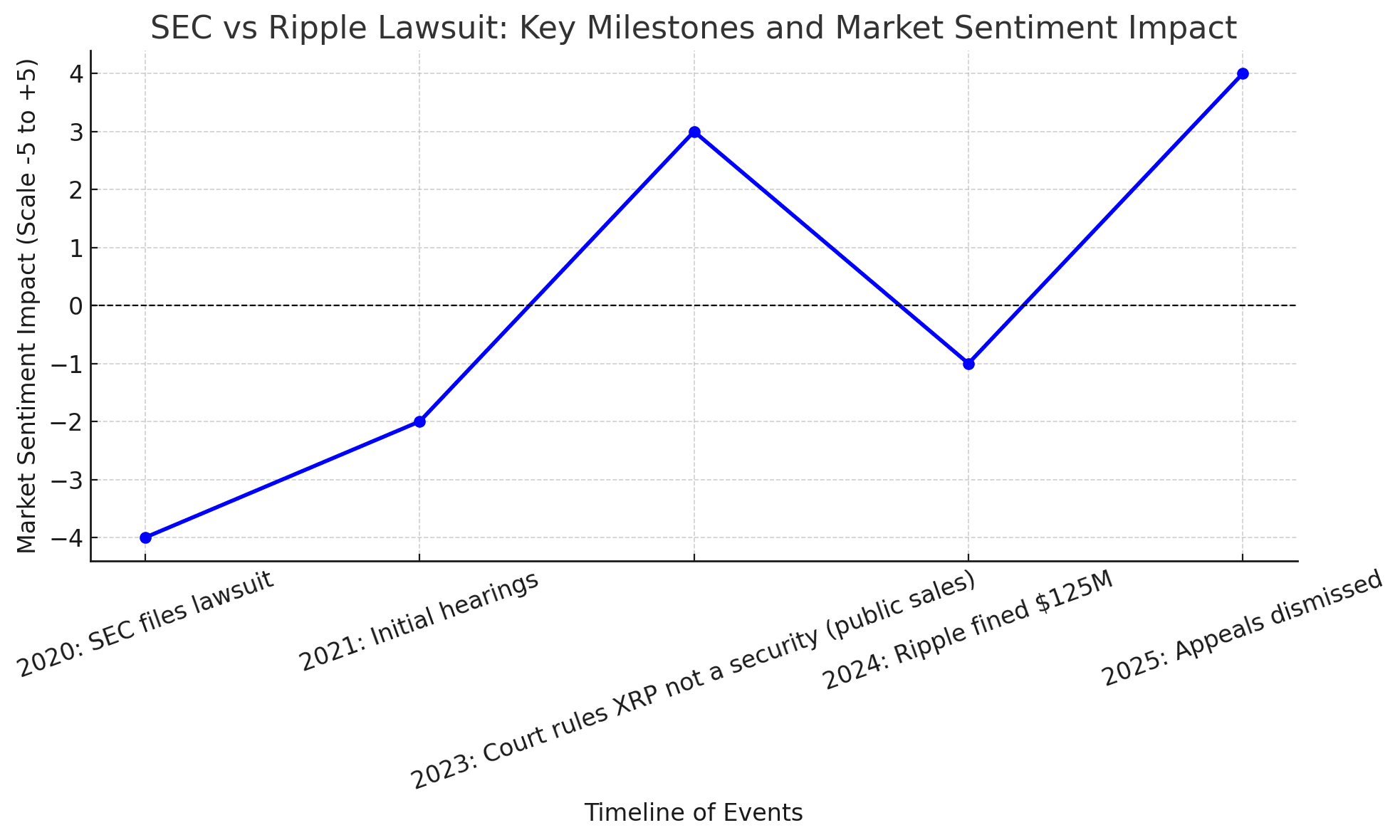
SEC vs Ripple Lawsuit: The Impact on Market Confidence.
The SEC versus Ripple litigation has frequently been used as a barometer for how authorities view cryptocurrencies. With the appeals dropped, the ruling gives some clarity to the business.
Analysts believe that this will inspire institutional investors who were previously unwilling to participate in XRP and other comparable assets.
Ripple’s leadership has described the deal as sensible. The company’s CEO stressed that the choice to discontinue appeals demonstrated a willingness to move forward without further depleting resources.
“It was time to end the legal shadow hanging over Ripple and XRP,” he said, adding that the company’s focus is to form worldwide alliances rather than be embroiled in litigation.
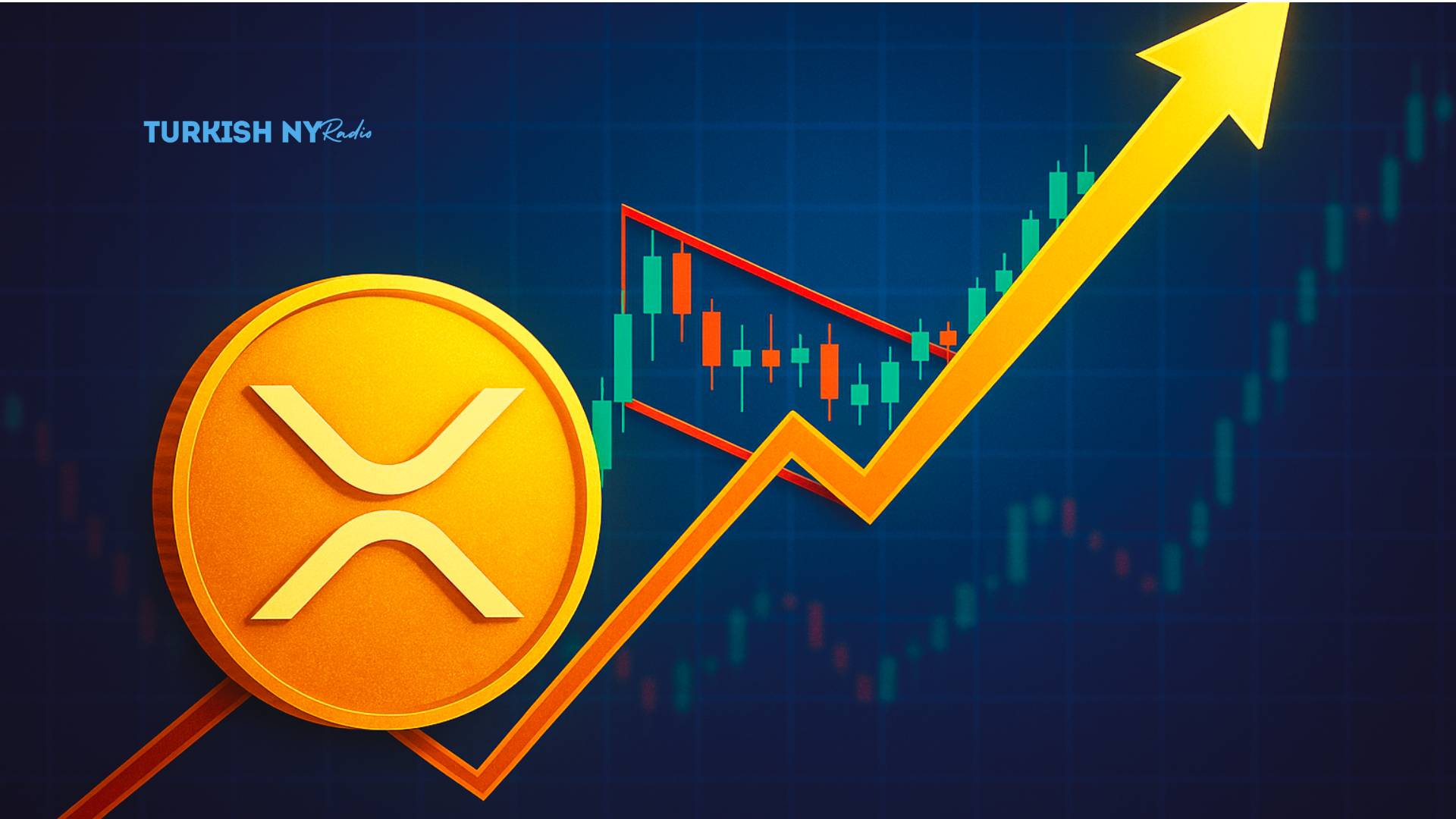
XRP Price Outlook Following the Legal Resolution
The outcome of the SEC vs Ripple lawsuit instantly raises concerns regarding XRP price trend. XRP has previously responded aggressively to legal milestones in the lawsuit. Following the confirmation of the $125 million settlement, XRP price momentarily surged, demonstrating the market’s sensitivity to regulatory decisions.
Analysts predict that XRP price will experience increasing demand as legal ambiguity subsides. Price forecasts place XRP in a short-term range of $1.20 to $1.50, with the potential to rise to $2 if institutional adoption picks up.
According to a market expert, “the lifting of regulatory uncertainty provides a foundation for sustained growth, though broader market conditions remain crucial.”
The case’s outcome might have an impact on other cryptocurrencies awaiting legislative clarification, indicating that negotiated settlements and compliance frameworks may determine the route forward.
Broader Industry Implications
Beyond Ripple, the SEC vs Ripple lawsuit establishes a significant precedent. The verdict establishes a framework for classifying digital assets by differentiating between retail sales and institutional offerings. Industry analysts claim that this hybrid strategy recognizes both the innovation and the hazards of crypto marketplaces.
The ruling may influence how regulators approach future cases, particularly those involving tokens with both retail and institutional markets. Investors and projects alike now have a more defined path for handling compliance without limiting adoption.
Conclusion
The rejection of appeals in the SEC vs Ripple lawsuit marks the end of a crucial chapter in cryptocurrency regulation.
For Ripple, it means the end of a costly war and the beginning of a renewed emphasis on relationships and development. For investors, it decreases uncertainty and boosts confidence in XRP’s long-term prospects.
Most significantly, it sets a precedent for the sector as a whole, demonstrating that regulatory clarity is feasible. Whether or if XRP capitalizes on this turning point will be determined by market circumstances and Ripple’s ability to use its new position.


FAQs
1. What was the outcome of the SEC vs Ripple lawsuit?
The case ended with both parties dismissing appeals, leaving Ripple with a $125 million fine and XRP classified as non-security in public sales.
2. How will this affect XRP’s price?
Analysts suggest XRP could trade between $1.20 and $1.50 in the short term, with potential upside toward $2 if adoption grows.
3. Does this case set a precedent for other cryptocurrencies?
Yes, it clarifies how regulators may differentiate between retail and institutional sales of digital assets.
4. Why did Ripple drop its appeal?
Ripple’s leadership stated it was a pragmatic choice to move forward and remove lingering uncertainty around XRP.
Glossary
Appeal dismissal: A legal process where both parties agree to withdraw challenges, leaving the original ruling in place.
Institutional sales: Token sales conducted to large entities, which regulators may classify as securities transactions.
Retail sales: Public sales of tokens to individual investors, treated differently under securities law.
Regulatory clarity: The resolution of legal ambiguity, allowing markets to operate with greater confidence.
XRP: The native digital currency of Ripple, used for payments and liquidity solutions.