The Securities and Exchange Commission (SEC) has taken its most ambitious move yet toward establishing the United States as a global leader in digital assets by launching Project Crypto.
This significant project shifts from an enforcement-centric strategy to a rules-driven framework that promotes innovation and protects investors. For industry stakeholders, the policy statement marks a watershed point in the evolution of digital asset markets in the United States.


The SEC shifts to a clearer regulatory framework
SEC Chair Paul Atkins called Project Crypto at the inaugural ceremony as “a decisive step to make the U.S. the best place in the world for digital innovation.” The project aims to explain how various forms of crypto assets, such as securities, commodities, and stablecoins, are classified and regulated.
Its goal is to eliminate the uncertainty that has previously prevented entrepreneurs and investors from functioning confidently. This shift is likely to breathe fresh life into tokenized securities, staking programs, and decentralized financial initiatives.
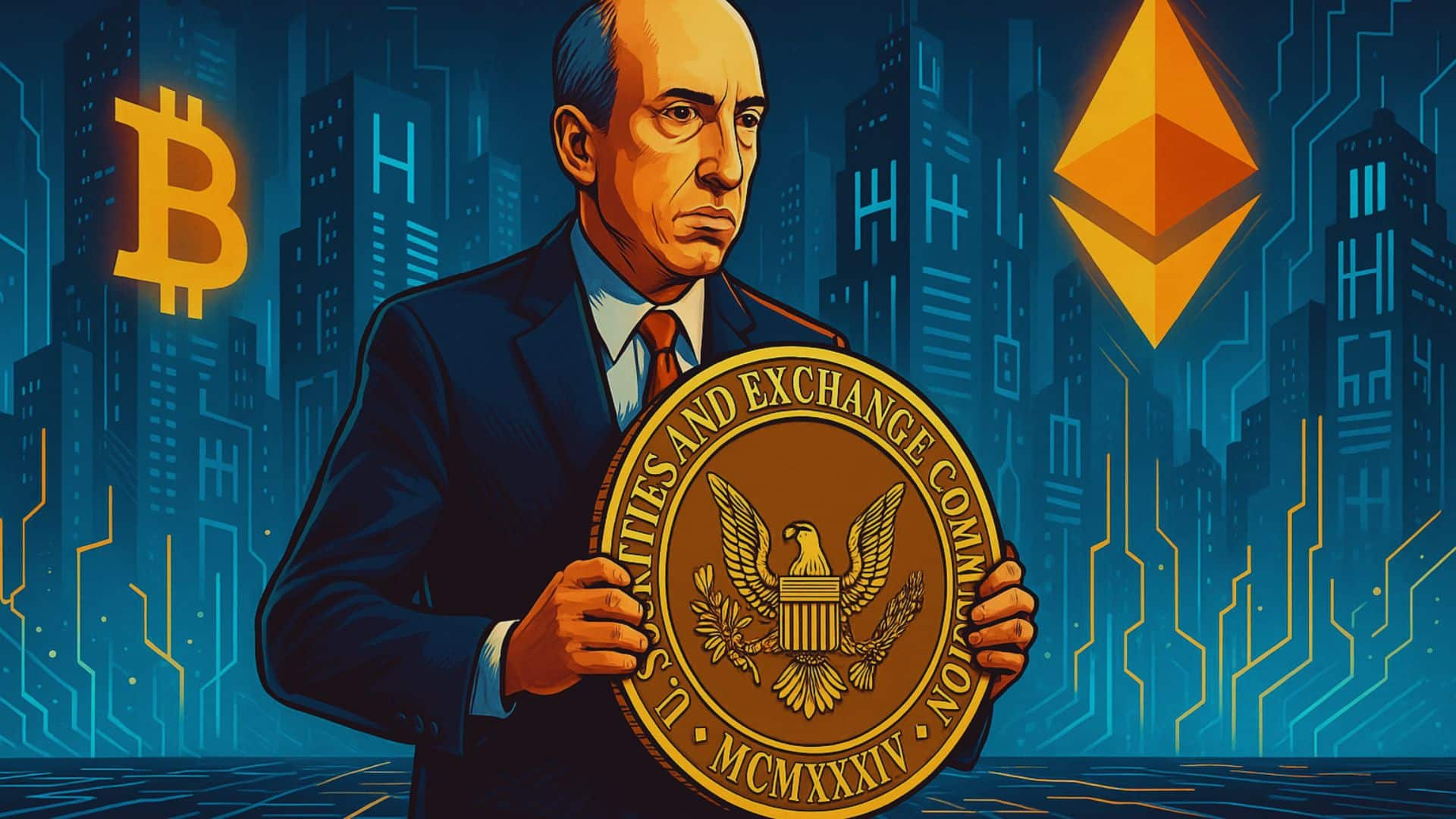
Legislative foundations support Project Crypto Vision
The launch of Project Crypto follows recent legislative triumphs like as the GENIUS Act, which requires complete reserve backing for stablecoins, and the FIT21 Act, which explicitly defines supervision roles between the SEC and the Commodity Futures Trading Commission.


These rules provide a firm framework for the project, allowing regulators to develop a comprehensive plan for market structure change. Insiders believe that Congress, federal agencies, and business leaders have a unique chance to establish a future-proof regulatory architecture.
New Safe Harbours and Market Infrastructure
One of Project Crypto’s most anticipated features is the implementation of safe harbors for token sales, initial coin offerings, and airdrops. These measures are intended to encourage capital creation while avoiding exposing startups to the same obligations as publicly listed corporations.
The project aims to streamline custody rules and permit “super-apps” that provide trading, staking, and brokerage services under single licensing. According to Atkins, these measures will “provide certainty for innovators and peace of mind for investors,” resulting in a balanced climate for growth.
A future-focused approach to digital finance
Beyond urgent adjustments, Project Crypto establishes the foundation for a more robust and sophisticated digital financial system. The SEC’s promotion of self-custody options, tokenized securities, and programmable money aims to foster innovation while protecting investors.
Analysts suggest that the plan might prevent capital flight to offshore jurisdictions, making the US a center for blockchain-native firms. If applied correctly, the framework has the potential to revolutionize how capital markets operate for decades.
Conclusion
The SEC’s Project Crypto initiative aims to foster transparency and innovation in digital asset markets. The program positions the United States to restore its global finance leadership by clarifying asset classifications, improving legal foundations, and establishing safe harbors for developing initiatives.
While implementation will take time, the plan envisions a future in which regulatory certainty and technology advancement coexist.
FAQs
What is Project Crypto?
It is a comprehensive SEC initiative designed to establish clearer regulations for crypto assets and promote innovation in digital financial markets.
How will Project Crypto impact startups?
Startups will benefit from safe harbors and reduced regulatory uncertainty, enabling them to raise capital and develop products without excessive compliance costs.
Does Project Crypto address stablecoins?
Yes. It supports full‑reserve backing for stablecoins and clear oversight responsibilities to ensure their stability and legitimacy.
When will Project Crypto be fully implemented?
The initiative is being rolled out in phases, with regulatory proposals expected to take shape over the coming months.
Glossary of Key Terms
Project Crypto – A regulatory program by the SEC to modernize rules for digital assets and market infrastructure.
Safe Harbor – Legal provisions that protect companies from liability or excessive regulation under specific conditions.
Tokenized Security – A traditional financial instrument represented as a digital token on a blockchain.
Stablecoin – A cryptocurrency pegged to a stable asset, such as the U.S. dollar, designed to minimize price volatility.
Super‑App – A licensed platform offering multiple crypto services—trading, staking, brokerage—within a single ecosystem.