Reserve Bank of Australia (RBA) Deputy Governor Andrew Hauser sparked debate, revealing that the central bank is rethinking how monetary policy affects the nation’s inflation fight.
“Our best guess is that policy is still marginally restrictive,” Hauser said, adding that this assumption could “have important implications for our future policy stance.”


Inflation Stubbornly Above Target
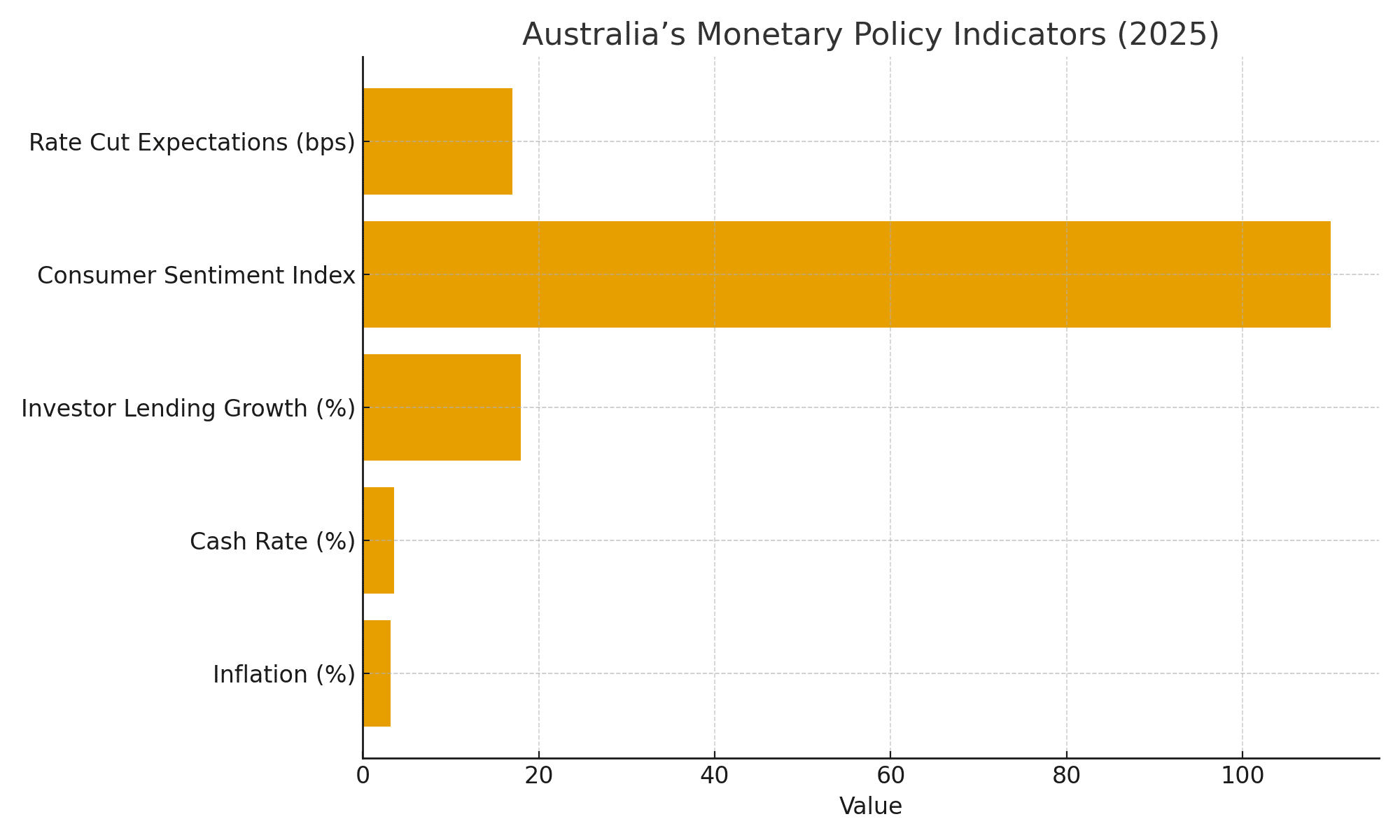
The RBA held its cash rate at 3.6% after three cuts this year, wary of easing further amid stubborn inflation. The central bank now predicts inflation will stay above its 2–3% target band until mid-2026, hovering at 2.6%. Analysts at Citi and Commonwealth Bank warn that continued easing could risk “reheating” the economy.
Housing and Spending Defy Tight Conditions
Despite higher borrowing costs, housing loans surged nearly 18% in Q3, largely driven by investors. Consumer sentiment also rebounded sharply, suggesting monetary policy may not be as restrictive as the RBA believed. Hauser called the jump “erratic,” urging caution until the trend proves sustainable.
Market Reaction: Traders Trim Bets on Rate Cuts
Markets took note. Three-year bond futures fell to near seven-month lows, and swaps trimmed rate-cut expectations for 2026. Investors now expect only 17 basis points of easing, down from 20 earlier. “Financial conditions might not be that restrictive after all,” noted FX strategist Sarah Turner on X.
Global Parallels: A Shared Dilemma
Australia isn’t alone in this balancing act. The U.S. Federal Reserve and the Bank of England face similar questions about whether their monetary policy settings are genuinely restrictive. As global inflation lingers, central banks must decide: hold steady or tighten further?
AI, Currencies, and the New Paradigm
When asked if markets are entering an “AI bubble,” Hauser replied, “We need to be alert… we may be in a new paradigm.” He emphasized that the Australian dollar continues to act as a natural hedge for pension funds “It’s stunning, actually.”
Why It Matters for Australians
For households, this monetary policy uncertainty means mortgage rates could stay higher for longer. Businesses face cautious lending environments. Yet for savers, returns on deposits remain robust one of the few silver linings.
Conclusion
The RBA’s evolving stance shows a central bank walking a tightrope, balancing inflation control, economic growth, and consumer confidence. The big question now: has monetary policy done enough, or is the fight against inflation only halfway won?
For more news, visit our platform.


FAQs about monetary policy
1. What is the RBA’s current cash rate?
It stands at 3.6%, held steady after three cuts this year.
2. Why is inflation still high?
Persistent consumer demand and a rebound in housing are keeping prices elevated.
3. How does this affect the average Australian?
It influences mortgage rates, savings returns, and overall consumer spending.
4. What happens next?
If inflation doesn’t cool soon, the RBA may halt further rate cuts—or even consider tightening again.
Glossary
-
Monetary Policy: Central bank actions (like setting interest rates) to manage inflation and economic growth.
-
Cash Rate: The interest rate set by the RBA that influences borrowing and lending.
-
Inflation Target Band: The RBA’s desired 2–3% inflation range for price stability.
-
Restrictive Policy: A policy stance designed to slow the economy to control inflation.