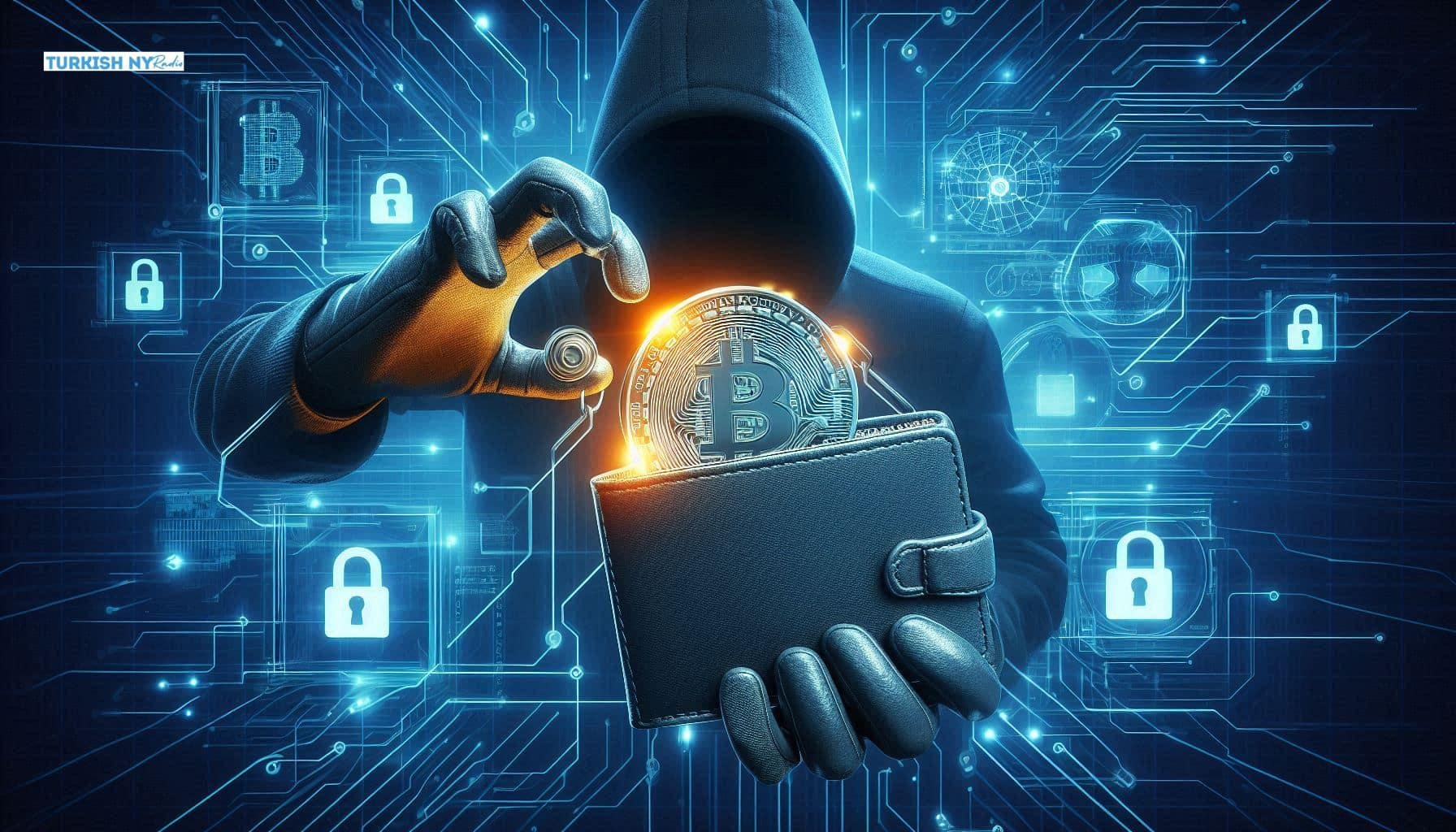
Cryptocurrency adoption is on the rise but so are the risks. According to reports, hackers stole an estimated $2.2 billion from crypto platforms in 2024 alone. On this stance, to protect crypto wallet is a top priority for every crypto user.
Security experts say crypto wallet protection is important, especially as there have been high profile examples of crypto wallets being hacked. In other words, every user must learn how to protect crypto wallets with good habits.


Why Crypto Wallet Security Matters
Cryptocurrencies live on a blockchain, but crypto wallets (software or hardware) hold the private keys that give full access to those funds. If a private key is stolen, the attacker has control of the cryptocurrency.
Chainalysis data shows crypto crime is booming as 2024 saw $2.2 billion stolen and early 2025 figures were already surpassing 2024. Notably, private-key compromises alone accounted for 43.8% of stolen crypto in 2024. Wallets are the target. To protect crypto wallet, users need to minimize vulnerabilities and follow best practices.
To reduce risk, experts advise to split and secure funds. Experts recommend not to put all your eggs in one basket, that is, making use of one hot wallet for small, daily trades and a cold wallet for long-term holdings.
In practice, this means only keeping a small balance in an online or mobile wallet and moving the rest onto a hardware (cold) wallet offline. To protect crypto wallets is first done by choosing reputable, well-audited wallet software and stores. Users should not use new or untested wallets and only download wallet apps from official sources.
A cautious setup such as using known wallets and strong security, is the first line of defense against hackers.
Also read: Microsoft Warns of New Malware Targeting Crypto Wallets
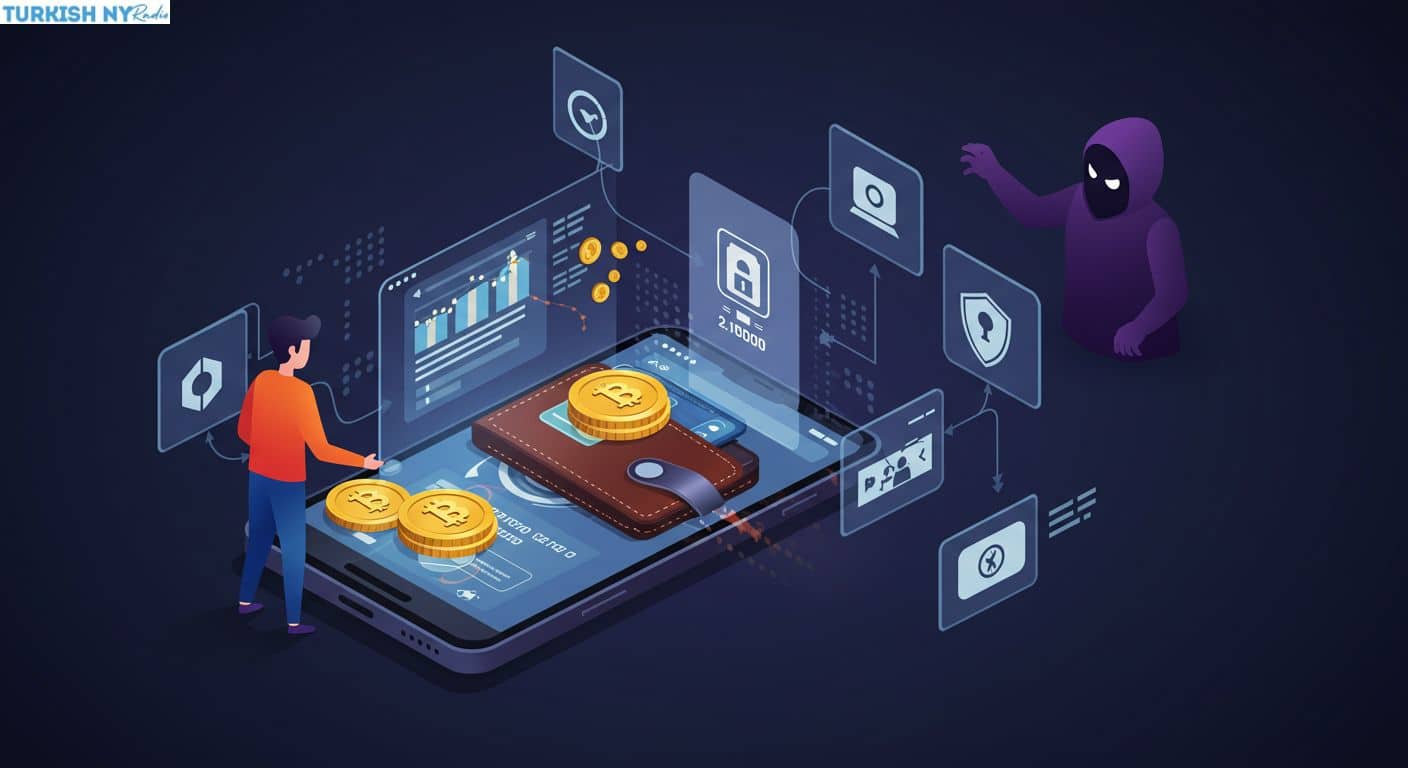
Strong Passwords and Two-Factor Authentication
A strong password and 2FA setup is important to protect crypto wallet access. Weak or reused passwords are the most common cause of breaches: as experts say, the most common reason for cryptocurrency theft is weak passwords.
Always choose a long, unique password for each crypto wallet or exchange. Experts advise to set a strong password, store it safely and change it often. For example, users are to avoid personal info and use a reputable password manager to generate a 12+ character mix of letters, numbers and symbols.
On top of a strong password; users are to also enable 2FA everywhere. 2FA requires a second verification like a code from an app or a hardware key; in addition to the password; making account takeover much harder.
Experts say enabling 2FA is one of the best ways to deter a thief. Instead of SMS codes (which can be intercepted), it is advised touse an authenticator app (Google Authenticator; Authy; etc.) or a hardware security key for 2FA.
Experts explain that with 2FA enabled; a hacker who steals password would still need access to the second form of authentication. In short; strong passwords plus 2FA are the two steps to protect crypto wallet from brute-force hacks and unauthorized logins.
Keeping Private Keys and Seed Phrases Safe
Private key and seed phrase are crypto keys. To Protect crypto wallets, users are ever share private key or seed phrase with anyone, a common phishing trick is to get users to reveal them. E
xperts warns that scammers may impersonate crypto companies or contests to get users to give up their keys. If someone gets a user’s private key or recovery seed, the funds are gone:
Best practice is to store these secrets offline. Users can write the seed phrase (usually 12–24 words) on paper or better, engrave it on a fireproof metal plate. Keeping copies in multiple safe places (e.g. a fireproof home safe and a bank safety deposit box).
Experts recommends backup copies on fireproof paper or metal, stored in different places for redundancy.
Seed phrases should never be save on a computer, phone or cloud service as digital storage can be hacked or have data leaks. Use encryption on any device that requires entering password.
By keeping private keys and seed phrases offline, attack surface are being reduced. Even if the user’s computer is hacked, assets are unreachable without the offline keys. This is one of the best ways to protect crypto wallet from total theft.


Hardware (Cold) Wallets for Long Term Storage
The type of wallet used matters. Hot wallets which are software wallets connected to the internet, are convenient but more vulnerable. Hot wallets are more common because they are easier to use but their connection to the internet makes them more vulnerable to hackers.
As a result, it’s not recommended to keep large balances in a hot wallet.
Cold wallets (offline) are much more secure. These include hardware wallets and even paper wallets. Experts says cold wallets are considered much more secure than their hot counterparts. Hardware wallets store private keys in a dedicated secure element and only connect to the internet when physically plugged in.
As experts put it, a hardware wallet stores private keys offline, making them virtually immune to online hacking attempts. Even if the computer is infected with malware, a hardware wallet will not release its keys unless each transaction on the device itself is approved.
Users are to always buy hardware wallets from the manufacturer or an authorized reseller, never from a second-hand device. It is also important to always remember to also up hardware wallet’s seed phrase in case the device is lost or damaged.
In practice, a hot wallet (software/mobile) could be used for small, daily transactions while the bulk of assets can be stored in a cold hardware wallet. This hot and cold storage combo is one of the best ways to protect crypto wallets from total theft.
Protect Crypto Wallet from Phishing and Scams
Hackers target wallet users through social engineering not encryption. In Phishing, scammers send fake emails, messages or websites pretending to be exchanges or wallet providers. They ask for login details or seed phrase.
Experts warns that phishing attackers “often impersonate legitimate services” and stresses that verifying URLs is important. Users are to always go to exchange or wallet sites by typing the address themselves or using bookmarks. Never click links in unsolicited emails or messages.
Experts say users are never to reveal private keys to anyone and ignore any messages asking for them. Being extra cautious of too good to be true deals or fake tech support calls about users’ crypto.
Also, users are to always double check the wallet address before sending funds, malware can replace a copied address with an attacker’s address. In short, practicing vigilance like this is needed to protect crypto wallets from fraudulent attacks.
Also read: Experts Say These Are the Top Crypto Wallets of 2025: Find Out Why
Keep Software Up-to-Date and Secure Devices
Even the most careful user can be undone by a malware infection. It is advisable to keep every device used for crypto transactions up to date. Automatic updates can be enabled; to help users get the latest security patches.
Users can install a reputable antivirus/anti-malware program for computers and phones that detects and blocks keystroke loggers or trojans that steal passwords or keys.
Again; Public Wi-Fi use for crypto activities is an absolute no. Public networks are insecure and accelerate attacks. If one must use this public internet; always connect through the VPN on it. Using own hotspot or a trusted mobile network is safer than public Wi-Fi.
Finally; maybe accessing crypto accounts only from dedicated devices (a laptop or phone solely dedicated to handling crypto); can be considered to minimize exposure. By securing the hardware and networks used; users further protect crypto wallet from indirect attacks.
Advanced Measures and Trends
Beyond basic precautions, experts also recommend advanced strategies for high security. One such measure is multi-signature wallets. Instead of one private key, a multi-sig wallet requires multiple keys (e.g. 2 of 3) to authorize transactions.
Combining multi-sig (e.g. “3-of-5 keys across locations”) with cold storage is an advanced tip for very large holdings. So even if one key is compromised, an attacker still needs the other keys to steal funds.
Companies and high net worth individuals use hardware security modules (HSMs) and professional key management to store keys physically. They also monitor threats: for example Kroll reported in early 2025 that phishing targeting crypto users jumped 40%, hence, scams are evolving.
So, it is important as users to stay informed about new vulnerabilities (wallet software bugs, mobile malware etc.) and follow expert advice, review security forums and follow wallet manufacturers updates for early warning.
In summary, layered security is the way to go. Combining the above: using a hardware wallet, strong passwords, 2FA, offline key storage and safe computing habits. According to security experts, there is no single fix; only by doing all of the above can users protect crypto wallets from the sophisticated threats of 2025.
Conclusion
Based on latest research; to protect crypto wallets has never been more important. Every year; billions get stolen; and users need to take action to secure their digital assets.
Users can add layers to their security by using strong and unique passwords combined with 2FA keeping their private keys and seed phrases offline, using hardware (cold) wallets, and always remaining watchful for phishing attempts.
By doing these and following top-priority recommendations from experts and well-established security firms, then the users keep themselves updated about newly emerging threats along with the measures that will maintain the safety of their crypto.
For in-depth analysis and the latest trends in the crypto space; our platform offers expert content regularly.
Summary
Hacking threats in crypto are rising, so securing wallets is needed. Notable steps are strong passwords with 2FA, private keys offline and hardware wallets for large holdings. Users are to stay vigilant to phishing, update their devices and consider advanced options like multi-sig.
Glossary
Private Key: A secret code that gives full access to crypto funds.
Seed Phrase (Recovery Phrase): Generated by the user’s wallet; it is a series of words (usually 12 – 24) that can restore access to funds.
Two-Factor Authentication (2FA): This is a way of verifying an identity through the application of two different factors, (for example: a password + a code on your phone or hardware key) to allow access to a system. This way is considered more secure than just relying on passwords.
Hardware Wallet: A device (similar to a USB-stick) that keeps private keys offline. Examples are; Ledger and Trezor.
Phishing: A scam where attackers try to get users to give up sensitive info (passwords; private keys) by pretending to be someone else (via email; websites, etc.).
Frequently Asked Questions About Protecting Crypto Wallets from Hackers
What is a crypto wallet?
A crypto wallet is a digital tool (software or hardware) that holds public and private keys for cryptocurrency accounts. It lets users send and receive crypto. It does not actually hold coins; but controls access to them on the blockchain.
How does two-factor authentication protect crypto?
Two-factor authentication adds an additional step while logging in that involves a unique code sent to the user’s phone rather than just the application of a password. The hacker will need the second factor (phone or hardware key), to access the wallet even if the password is compromised; which makes inappropriate access difficult.
Why should one use a hardware wallet?
Hardware wallets are small devices that keep private keys offline. Because they never expose keys to the internet; they are largely immune to online hacks. This makes hardware wallets perfect for storing large amounts of crypto securely.
What is a seed phrase and how should I store it?
A seed phrase (recovery phrase) is a set of 12–24 words that can recreate a user’s wallet on a new device. It is essentially the backup of private keys. Users should write it down on paper or metal and store it in safe locations. Never save it on a computer or phone; as that can be hacked.